
Hear from Our Customers
Your driveway should last 30 to 50 years without constant repairs. That only happens when the base is prepared correctly, drainage is graded right, and the concrete mix can handle New Jersey’s freeze-thaw cycles.
Most driveway problems start before the concrete even gets poured. Poor base prep means settling. Wrong grading means water pooling under your garage door. Cheap concrete means cracks after the first hard winter.
You’re looking at a significant investment—typically $6 to $12 per square foot for a standard two-car driveway in Bradley Gardens. That’s roughly 600 to 800 square feet, so you’re spending real money. What you get in return should be a driveway that handles heavy vehicles, resists weather damage, and improves your property value instead of becoming another maintenance headache.
When the job is done right, you get better curb appeal, reliable drainage, and a surface that won’t need replacing when your neighbor’s asphalt driveway is on its second or third overlay.
We operate throughout Morris, Sussex, and Somerset County. We’re not a crew that shows up from out of state, finishes half the job, and disappears. We’re local contractors who understand what Bradley Gardens driveways face—humid summers, freezing winters, and the kind of weather that destroys poorly installed concrete.
We use Portland cement mixes with rebar reinforcement. We grade for drainage before we pour. We don’t skip base preparation to save time or cut costs. Every project includes proper excavation, compacted stone base, and concrete applied at the right thickness with the right equipment.
You’ll get clear upfront pricing, a realistic timeline (most residential driveways take one to two days), and a 24 to 48 hour callback guarantee when you request a quote online. We’re accountable to this community because we’re part of it.
First, we assess your property’s drainage and grading. Bradley Gardens has specific topography challenges, and if water doesn’t flow away from your foundation and garage, you’ll have problems no amount of quality concrete can fix.
Next comes excavation and base preparation. We remove the old surface if needed, dig down to stable soil, and install a compacted aggregate base. This step determines whether your driveway lasts five years or fifty. Shortcuts here lead to settling, cracking, and uneven surfaces.
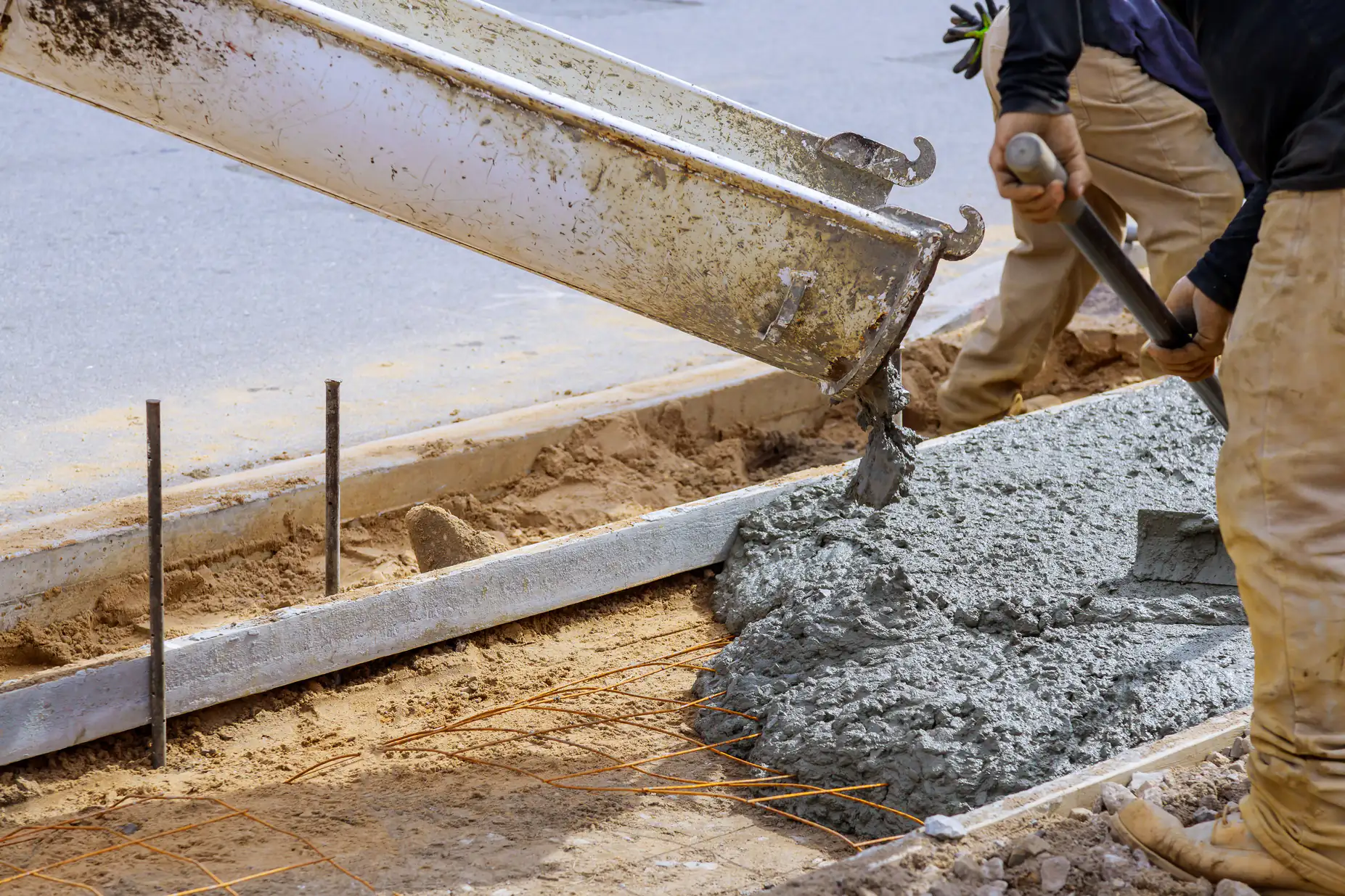
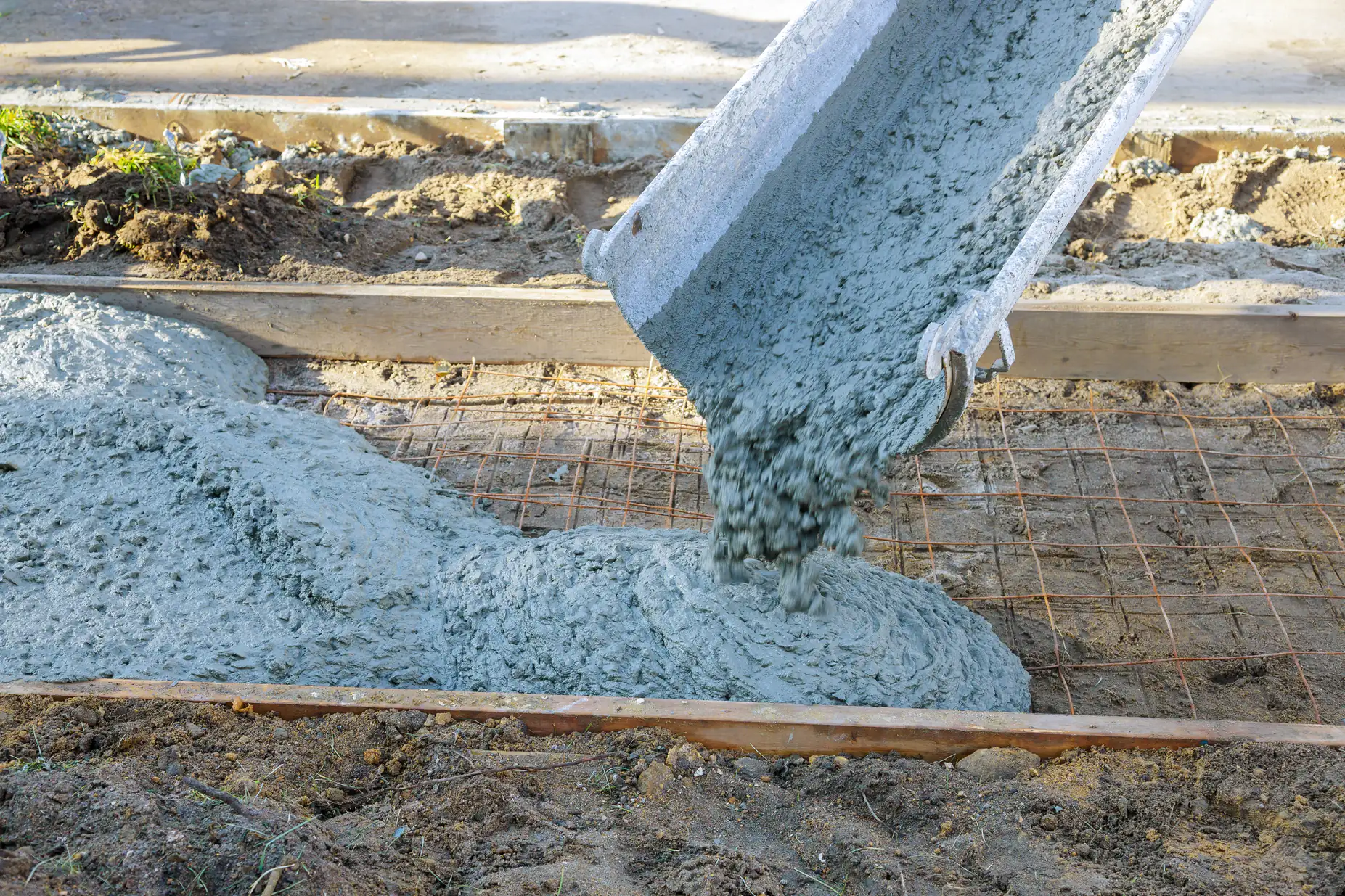
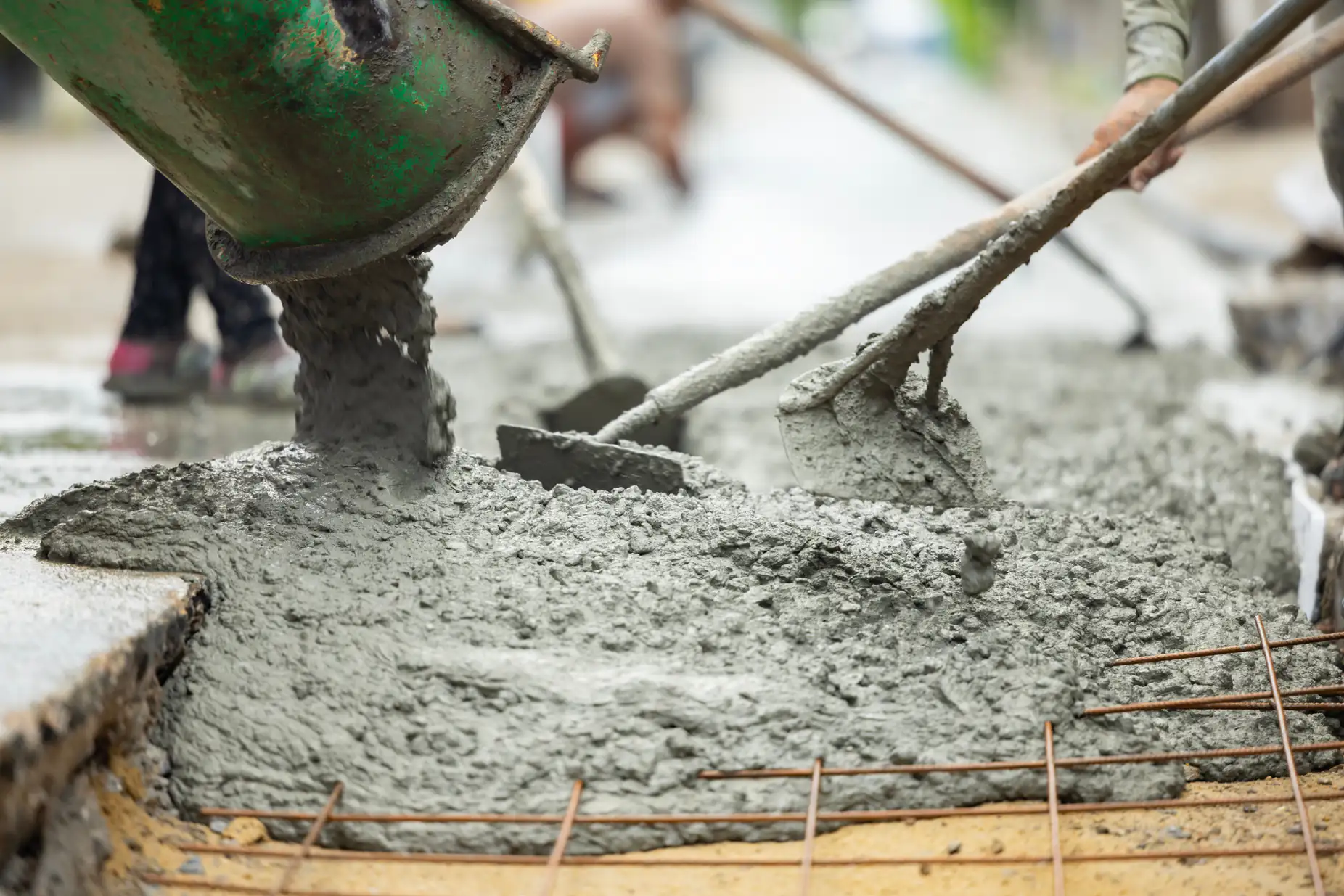
Then we set forms, install rebar reinforcement, and pour the concrete. We use commercial-grade equipment to ensure consistent thickness and proper finishing. The concrete mix includes air-entraining admixtures—tiny air bubbles that act as relief valves when water freezes and expands inside the concrete. That’s what prevents freeze-thaw damage.
After pouring, the concrete needs time to cure. We protect it during this period and apply sealant once it’s ready. Then we walk you through the finished work, clean up completely, and make sure you’re clear on maintenance.
Most residential concrete driveways in Bradley Gardens are ready to use within a week, though full curing takes about 28 days. We schedule installations during spring or early fall when temperatures support proper curing—not during summer heat waves or before winter freezes.

Ready to get started?
You’re getting more than just concrete poured on the ground. Every installation includes site assessment, drainage planning, complete excavation, aggregate base installation, rebar reinforcement, professional-grade concrete application, proper finishing, edge sealing, and full cleanup.
We also offer decorative options—stamped concrete patterns, multiple colors, and custom textures if you want something beyond a standard gray slab. Decorative concrete costs more, but it significantly increases curb appeal and property value.
For Bradley Gardens homeowners dealing with existing drainage issues, we address those before we pour. That might mean adjusting grades, installing drainage channels, or redirecting water flow. Fixing drainage after the driveway is installed costs more and creates bigger problems.
If you’re replacing an old driveway, removal and disposal are included. We don’t leave you with a pile of broken concrete in your yard.
The concrete we use is specifically mixed for New Jersey conditions—proper air entrainment for freeze-thaw resistance, appropriate strength ratings for vehicle loads, and curing compounds that work in our climate. This isn’t generic concrete that works fine in Arizona but fails here after two winters.
You’ll also get transparent pricing before work starts. No surprise charges for “unexpected” issues that any experienced contractor should have anticipated during the estimate.
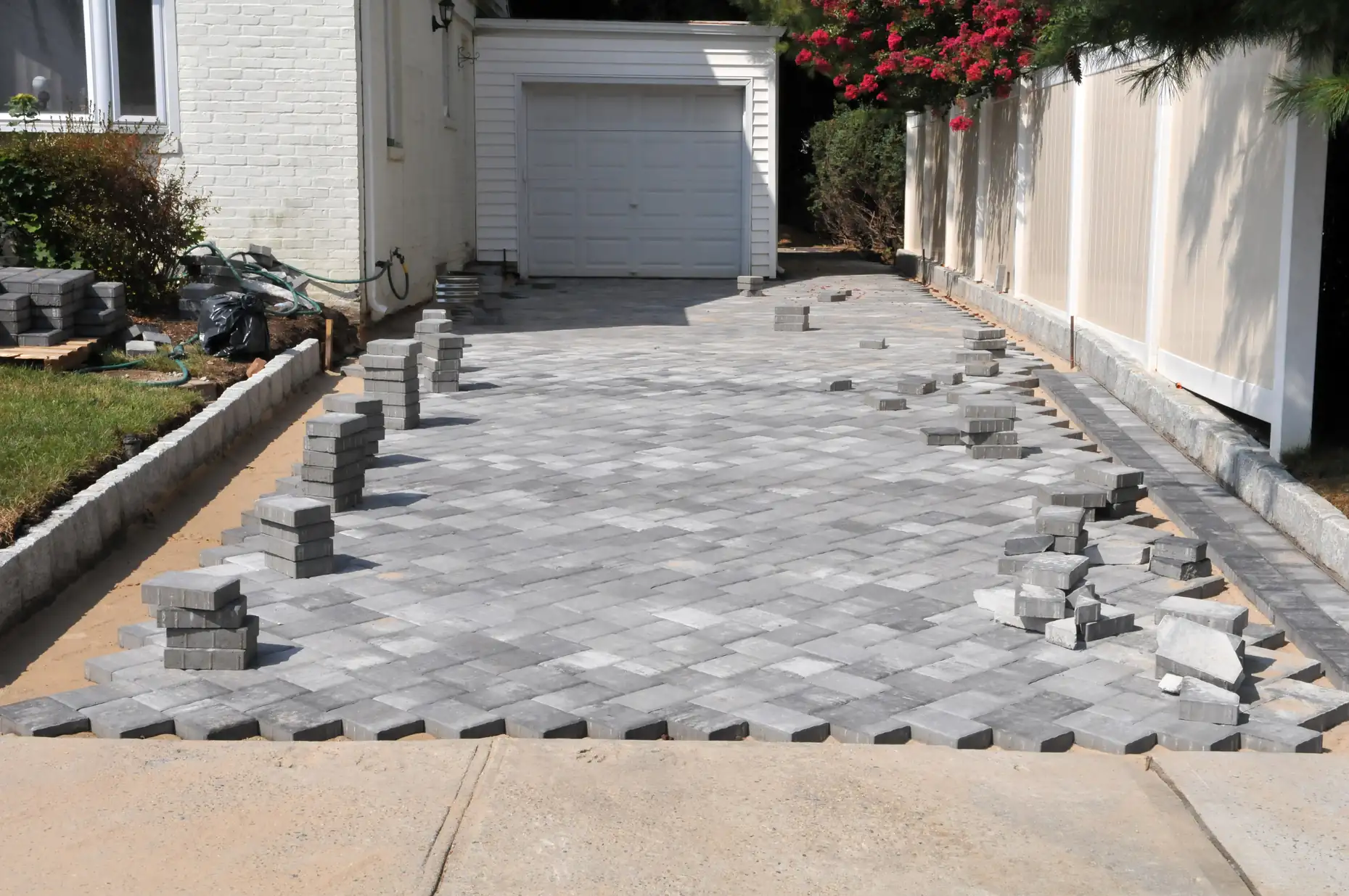
Most concrete driveways in Bradley Gardens run between $6 and $12 per square foot, depending on site conditions, thickness requirements, and whether you want decorative finishes. A standard two-car driveway averages 600 to 800 square feet, putting total cost between $3,600 and $9,600 for basic installation.
That’s higher than asphalt, which typically costs $3 to $7 per square foot. But concrete lasts 30 to 50 years with minimal maintenance, while asphalt driveways need replacement or major overlays every 15 to 20 years. Over the life of your home, concrete often costs less.
Decorative stamped concrete, multiple colors, or complex patterns increase the price—usually adding $3 to $8 per square foot. But if curb appeal and property value matter to you, decorative concrete delivers more visual impact than standard gray slabs.
The biggest cost variables are site preparation and drainage work. If your property has poor drainage, unstable soil, or significant grading issues, expect higher costs. But fixing those problems during installation prevents much more expensive repairs later.
A properly installed concrete driveway in Bradley Gardens should last 30 to 50 years. That assumes correct base preparation, appropriate concrete mix, proper reinforcement, and reasonable maintenance. Driveways that fail early almost always have installation problems—poor drainage, inadequate base, wrong concrete mix, or shortcuts during construction.
New Jersey’s climate is hard on concrete. Freeze-thaw cycles stress the material. Road salt accelerates surface deterioration. Heavy snow loads and plowing create additional wear. That’s why the concrete mix matters—air-entraining admixtures create microscopic air pockets that give freezing water somewhere to expand without cracking the concrete.
Asphalt driveways typically last 15 to 20 years in New Jersey before needing replacement. They require seal coating every two to three years and are more susceptible to heat damage during summer. Concrete handles temperature extremes better and needs less ongoing maintenance.
The key to longevity is installation quality. A concrete driveway installed by contractors who skip base prep or use improper mixes might only last 10 to 15 years. One installed correctly by experienced contractors who understand New Jersey conditions will still look good decades later.
Concrete costs more upfront but lasts longer and requires less maintenance. Asphalt costs less initially but needs seal coating every few years and replacement sooner. For most Bradley Gardens homeowners, concrete makes more financial sense over time.
Concrete driveways handle New Jersey winters better. They don’t soften in summer heat, they resist freeze-thaw damage when properly mixed, and they don’t develop the ruts and depressions common with asphalt. Concrete also offers more design options—you can stamp patterns, add color, or create custom textures. Asphalt is always black.
Asphalt repairs are easier and cheaper in the short term. You can patch asphalt relatively easily, though patches are always visible. Concrete repairs are more involved, and patched areas often don’t match perfectly. But concrete needs fewer repairs overall.
From a property value perspective, concrete driveways typically add more resale value. They look cleaner, last longer, and signal quality construction to potential buyers. Asphalt is functional but doesn’t have the same visual appeal or longevity reputation.
If you’re planning to stay in your Bradley Gardens home long-term, concrete is usually the better investment. If you’re looking for the lowest upfront cost and plan to sell within a few years, asphalt might make sense. But for most homeowners, concrete’s durability and low maintenance justify the higher initial price.
Spring and early fall are ideal for concrete driveway installation in Bradley Gardens. You want temperatures consistently between 50 and 80 degrees with low humidity. That gives the concrete proper curing conditions without extreme heat or cold interfering with the chemical process.
Summer installations are possible but risky. Temperatures above 85 degrees cause concrete to cure too quickly, leading to surface cracking and reduced strength. High humidity also affects curing. If we do summer installations, we schedule them for cooler parts of the day and take extra precautions with curing compounds and moisture retention.
Winter installations are generally a bad idea in New Jersey. Concrete needs temperatures above 50 degrees for proper curing. Cold weather slows the curing process dramatically, and if the concrete freezes before it’s fully cured, you’ll have serious structural problems. Even mild winter days can drop below freezing at night.
Early fall is often the best window—September through mid-October. Temperatures are moderate, humidity drops, and you avoid both summer heat and winter freezes. Spring works too, but weather can be unpredictable with late cold snaps or heavy rain.
Plan ahead. Good concrete contractors in Bradley Gardens book up during optimal installation windows. If you wait until perfect weather arrives to start looking for a contractor, you might wait weeks for an opening. Contact us in late winter or late summer to schedule for the next ideal installation period.
Most driveway replacements in Bradley Gardens don’t require permits if you’re staying within the existing footprint and not changing drainage patterns. But if you’re expanding your driveway, altering grades, or affecting stormwater runoff, you’ll likely need approval from the local building department.
Somerset County has specific regulations about impervious surfaces and stormwater management. If your project increases the amount of impervious surface on your property beyond certain thresholds, you’ll need to address drainage and potentially install stormwater management features.
Any work that affects public right-of-way—like the apron where your driveway meets the street—definitely requires permits and inspections. You can’t just pour concrete up to or onto public roadway without approval.
Reputable contractors know local permit requirements and handle the paperwork as part of the project. If a contractor tells you permits aren’t needed without actually checking your specific situation, that’s a red flag. Unpermitted work can create problems when you sell your home or if a neighbor complains.
We verify permit requirements during the estimate process. If permits are needed, we handle the applications and schedule required inspections. You shouldn’t have to navigate municipal bureaucracy yourself—that’s part of what you’re paying a professional contractor to manage.
Concrete driveways need less maintenance than asphalt, but they’re not maintenance-free. Seal the surface every two to three years with a quality concrete sealer. This protects against water penetration, salt damage, and surface staining. Sealing is especially important in New Jersey where road salt and freeze-thaw cycles accelerate deterioration.
Clean your driveway regularly. Oil stains, de-icing chemicals, and organic debris all damage concrete over time. Pressure washing once or twice a year removes buildup and prevents staining from becoming permanent. Address oil stains quickly—they penetrate concrete and become harder to remove the longer they sit.
Avoid using metal shovels or aggressive de-icing chemicals during winter. Metal blades can chip and scratch the surface. Calcium chloride and rock salt damage concrete, especially during the first year after installation. Use sand for traction or calcium magnesium acetate if you need a de-icer.
Fix small cracks immediately. Water gets into cracks, freezes, expands, and turns small cracks into big problems. Concrete crack filler is inexpensive and easy to apply. Catching damage early prevents expensive repairs later.
Watch for drainage issues. If water starts pooling where it didn’t before, address it before it undermines your driveway base. Sometimes this means cleaning out drainage channels or adjusting grades around the driveway edges.
Properly maintained concrete driveways in Bradley Gardens regularly hit the 40 to 50 year mark. Neglected driveways start showing serious problems within 15 to 20 years. The maintenance isn’t complicated or time-consuming—it just needs to happen consistently.