
Hear from Our Customers
Your driveway should last 25 to 30 years without major repairs. That only happens when the base is properly excavated, graded for drainage, and poured with reinforced concrete that can handle Somerset County’s soil conditions.
Most concrete failures happen underneath. Water gets through small surface cracks, reaches the base layer, and freezes. That’s when you see heaving, settling, and those expensive structural problems that require full replacement.
We excavate to the right depth for your soil type. We install a compacted aggregate base that won’t shift. We use Portland cement mixes with rebar reinforcement, not the minimum required to pass inspection. And we grade everything so water moves away from your foundation, not toward it.
You’re not dealing with standing water after storms. You’re not watching cracks spread every spring. You’re looking at a smooth, level surface that handles traffic and weather without constant maintenance.
We’ve handled driveway paving across Morris, Sussex, and Somerset County for over 20 years. We’re not a crew that shows up from out of state during busy season. We’re based here, and we know what works in this climate.
Bound Brook sits in an area where soil composition varies block by block. Some properties have clay-heavy soil that holds water. Others have sandy loam that drains fast but settles unevenly. We’ve worked in enough driveways around here to know what your property needs before we start digging.
We’re licensed, insured, and we handle all permits with local municipalities. Every project gets the same approach: proper excavation, engineered base prep, quality materials, and installation that meets code. You get a callback within 24 to 48 hours when you request a quote, and we show up when we say we will.
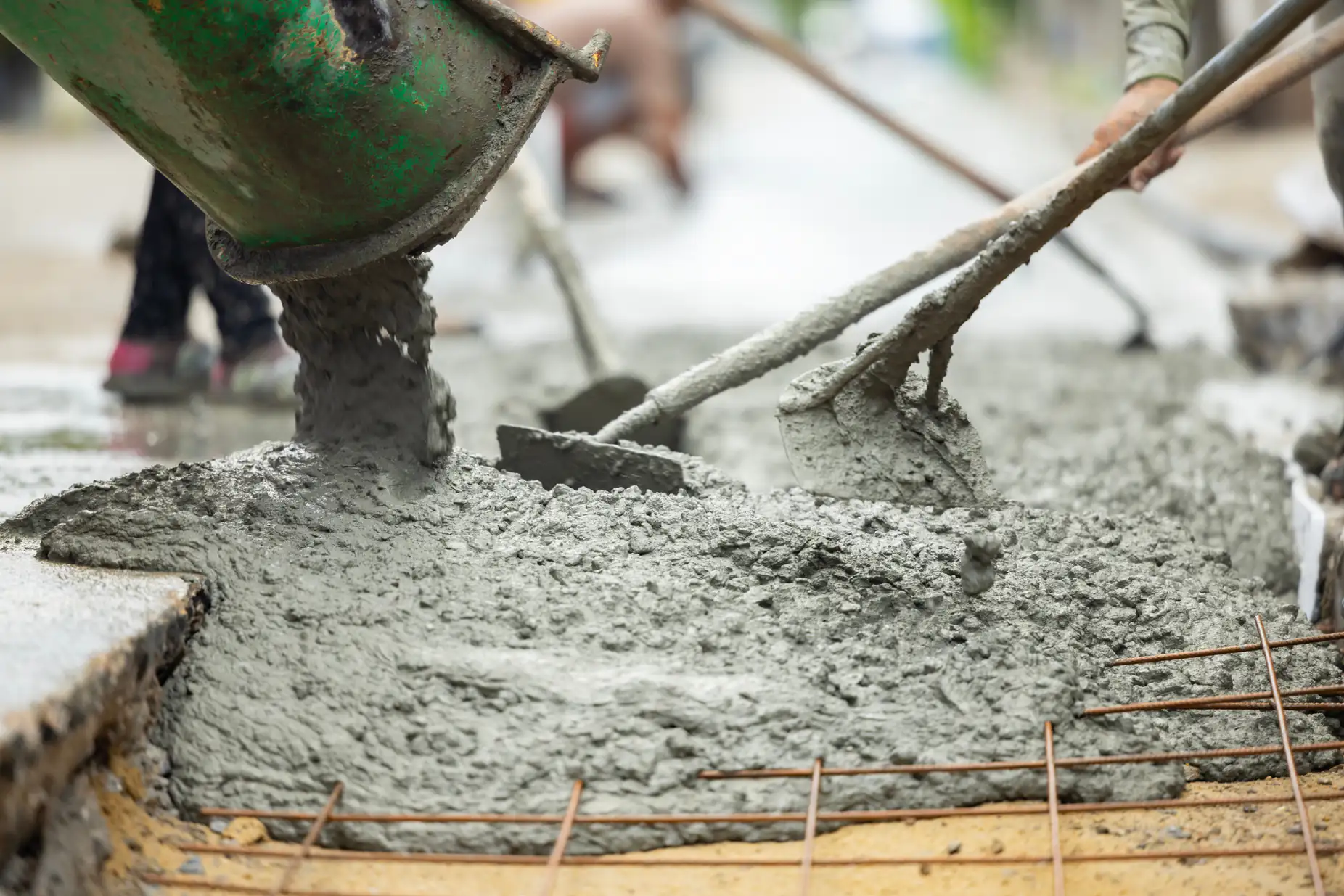
Most residential concrete driveway projects take two to three days. Day one is excavation and base preparation. We remove the existing surface if there is one, dig down to stable soil, and install a compacted aggregate base. This is the most important part of the job. If the base isn’t right, nothing else matters.
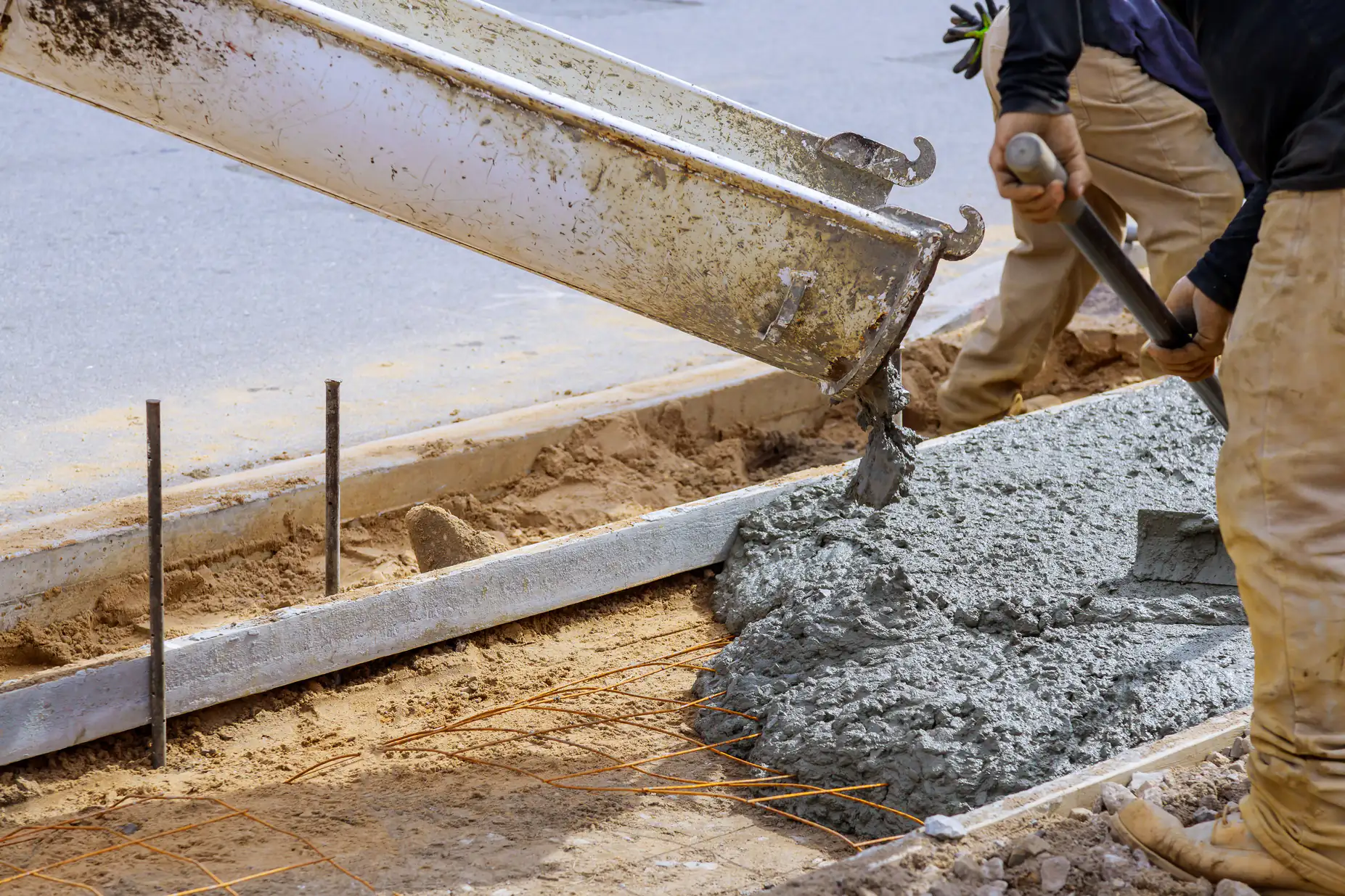
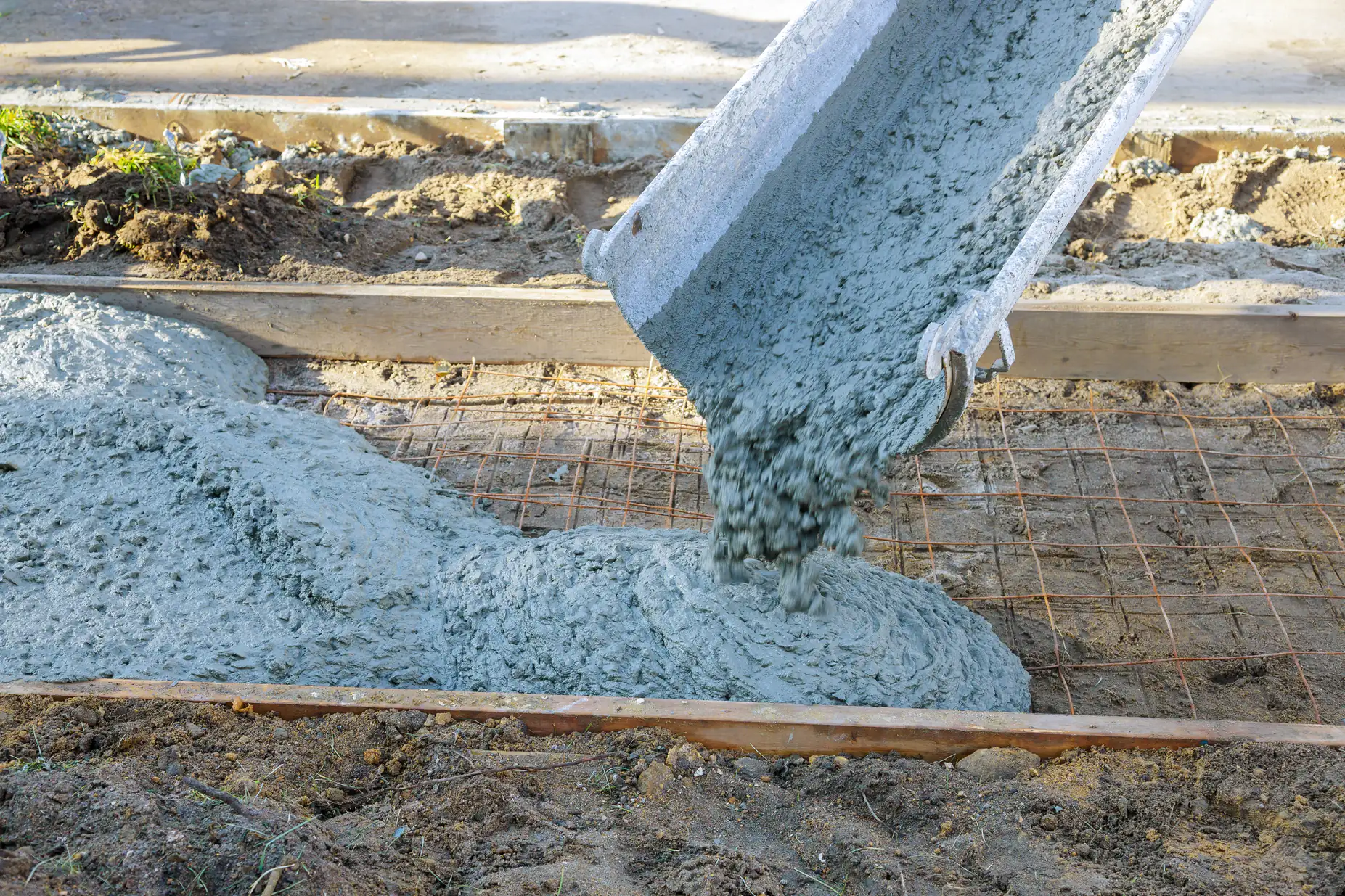
Day two is forming, reinforcement, and concrete placement. We set forms to the correct grade, install rebar or wire mesh for reinforcement, and pour high-grade concrete at the proper temperature. We use professional-grade equipment to ensure even distribution and proper finishing. You can choose from standard broom finish, exposed aggregate, or decorative stamped patterns.
Day three is finishing work and cleanup. We remove forms, seal edges, complete final grading, and make sure water drains correctly. Then we clean up the site and walk you through curing instructions.
Concrete needs about seven days before you can drive on it. We’ll give you specific timelines based on weather conditions when we pour. You’ll also get maintenance recommendations to protect your investment long-term.

Ready to get started?
Every installation includes full excavation, engineered base preparation, proper drainage solutions, reinforced concrete placement, and professional finishing. We’re not cutting corners on base depth or skipping rebar to save costs. You’re getting the full process done correctly.
North Jersey sees some of the highest freeze-thaw cycles in the state according to NJDOT data. That means your driveway needs to be built for temperature swings, not just heavy loads. We use concrete mixes designed for this climate and install them at the right time of year when temperatures support proper curing.
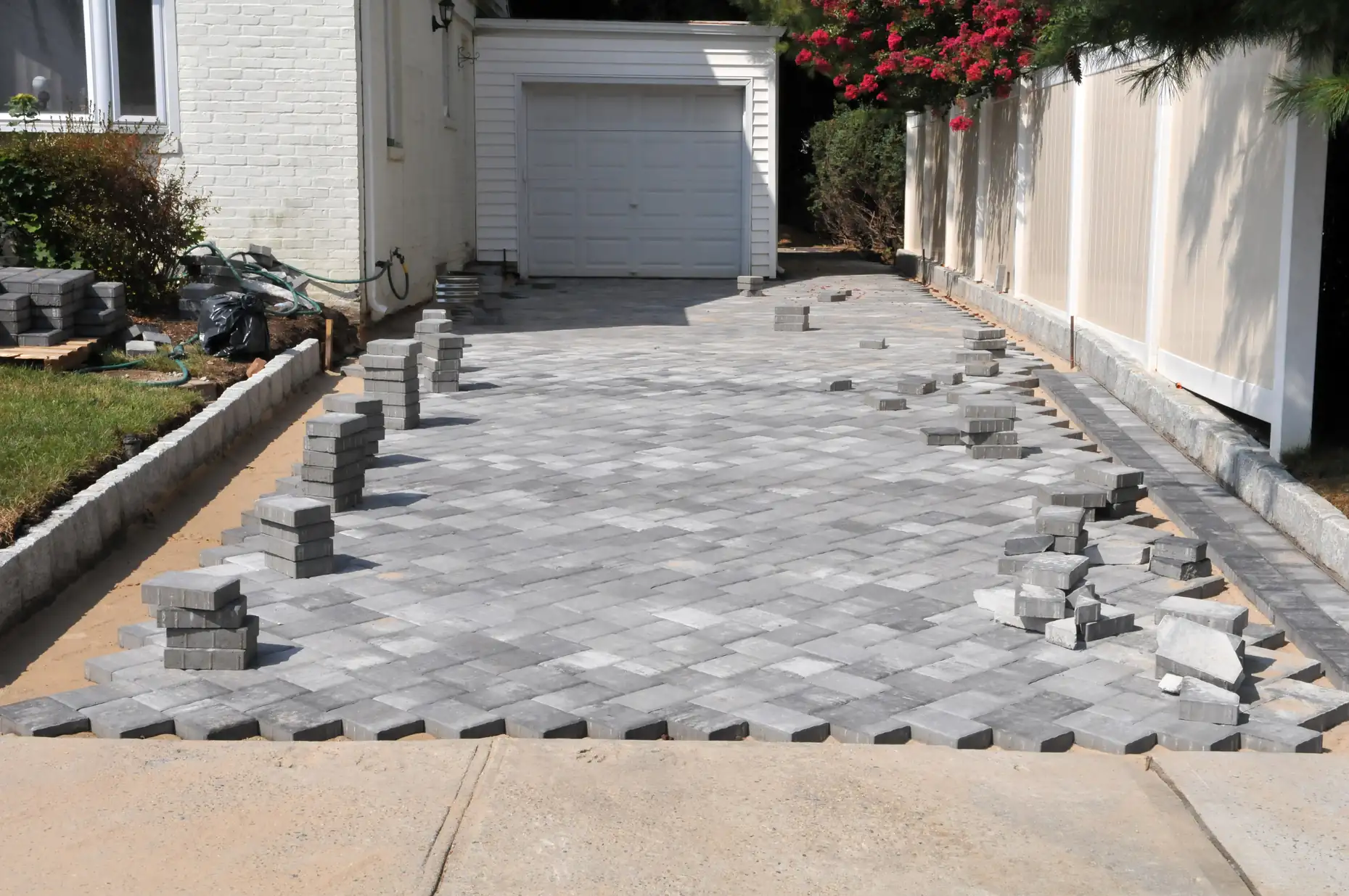
We also handle concrete patios, walkways, and decorative stamped concrete if you want a cohesive look across your property. Belgard pavers and flagstone pavers are options too if you prefer segmented surfaces over poured concrete. The advantage of concrete is durability and lower maintenance over time compared to asphalt, which typically lasts 10 to 15 years versus concrete’s 25 to 30.
If you’re comparing cost of asphalt driveway versus concrete, expect concrete to run $7 to $12 per square foot in this area. Asphalt is cheaper upfront at $4 to $7 per square foot, but requires resurfacing every decade and more frequent sealcoating. Concrete costs more now and saves you money long-term if installed properly.
A properly installed concrete driveway in Bound Brook should last 25 to 30 years with basic maintenance. That timeline assumes correct base preparation, reinforced concrete, proper drainage, and routine care like sealing cracks when they appear.
The key word is “properly installed.” Most premature concrete failures happen because the base wasn’t compacted correctly, drainage wasn’t addressed, or the concrete mix wasn’t appropriate for freeze-thaw conditions. Somerset County soil tends to hold moisture in certain areas, which means water management is critical during installation.
You’ll need to reseal your driveway every few years and fill minor cracks before they spread. But if the foundation is solid, you’re looking at decades of use without major repairs or replacement. That’s why the installation process matters more than the concrete itself.
Concrete costs more upfront but lasts longer and requires less maintenance. Asphalt is cheaper to install but needs resurfacing every 10 to 15 years and regular sealcoating to prevent deterioration. Over a 30-year period, concrete usually costs less when you factor in maintenance and replacement.
Concrete handles New Jersey winters better in terms of longevity. Asphalt stays flexible during freeze-thaw cycles, which prevents cracking, but it also softens in summer heat and can develop ruts under heavy vehicles. Concrete stays rigid and doesn’t soften, but it will crack if water penetrates the base and freezes.
The real difference comes down to installation quality. A poorly installed concrete driveway will fail faster than a well-installed asphalt one. If you’re going with concrete, make sure the contractor knows how to handle base prep and drainage for local soil conditions. Otherwise you’re paying more for a surface that won’t last any longer than asphalt.
Concrete driveway installation in Bound Brook typically runs $7 to $12 per square foot for standard un-reinforced concrete. Add rebar or wire mesh reinforcement, and you’re looking at the higher end of that range or slightly above. Decorative options like stamped concrete or exposed aggregate add another $2 to $5 per square foot depending on the pattern and complexity.
A standard two-car driveway is roughly 400 to 600 square feet. That puts total project cost between $3,500 and $7,000 for basic installation, or $5,000 to $10,000+ if you want reinforcement and decorative finishes. These numbers assume normal excavation depth and no major drainage issues that require additional work.
Pricing varies based on site conditions. If we need to remove an old driveway, deal with poor drainage, or excavate deeper due to unstable soil, costs go up. We’ll give you an accurate quote after looking at your property. And we don’t surprise you with extra charges halfway through the job. What we quote is what you pay unless you request changes to the scope.
You can pour concrete in winter, but it’s not ideal. Concrete needs temperatures above 40°F during placement and for several days afterward to cure properly. If it freezes before it’s fully cured, you’ll get surface damage and reduced strength that shortens the lifespan of your driveway.
We typically recommend scheduling concrete work between late spring and early fall in North Jersey. That gives you consistent temperatures for proper curing and reduces the risk of weather delays. If you need winter installation, we can use heated enclosures and special concrete mixes designed for cold weather, but that adds cost and complexity.
The better approach is planning ahead. If you know you need a new driveway, reach out in early spring to get on the schedule for optimal installation weather. You’ll get better results, fewer complications, and a driveway that performs the way it should for the next 25 years. Waiting until off-season can sometimes save money too, since summer is peak season with higher material costs and less availability.
Yes, most concrete driveway installations in Bound Brook require permits from the local building department. Requirements vary based on project scope, property location, and whether you’re replacing an existing driveway or creating a new one. Permits ensure work meets local codes for drainage, setbacks, and stormwater management.
We handle all permit applications and inspections as part of our service. You don’t need to visit the municipal building or deal with paperwork. We submit plans, coordinate inspections, and make sure everything passes before we consider the job complete.
Skipping permits might seem like a way to save money, but it causes problems later. If you sell your property, unpermitted work shows up during title searches and home inspections. You could be required to remove the driveway or bring it up to code at your expense. It’s not worth the risk. Do it right the first time with proper permits and inspections, and you won’t have issues down the road.
Concrete driveways need three main things: sealing, crack repair, and proper drainage maintenance. Seal your driveway every two to three years to protect against water penetration and freeze-thaw damage. Fill small cracks as soon as you notice them, before water gets underneath and causes structural problems. And keep drainage channels clear so water doesn’t pool on the surface.
You should also avoid using metal shovels or harsh de-icing chemicals in winter. Metal scrapes the surface and creates weak points where water can enter. Salt and chemical de-icers break down the concrete binder over time. Use a plastic shovel and sand for traction instead.
If you stay on top of basic maintenance, your concrete driveway will last decades without major repairs. Ignore small cracks and drainage issues, and you’ll be looking at expensive structural repairs within 10 years. It’s not complicated maintenance, but it does need to happen regularly. We’ll walk you through everything when we finish your installation so you know exactly what to watch for.