
Hear from Our Customers
You’ve seen it happen. Small cracks in November turn into potholes by March. Water seeps in, freezes, expands, and destroys your driveway from the inside out.
A properly installed concrete driveway changes that cycle completely. You get a surface that resists cracking during harsh winters, handles Morris County’s temperature swings, and lasts 25 to 50 years with minimal maintenance. That means no more emergency repairs when you can least afford them.
The difference comes down to three things: proper base preparation that prevents settling, professional drainage that stops water damage before it starts, and quality materials that flex just enough without breaking. When those pieces work together, your driveway stops being a seasonal expense and becomes a long-term asset that actually increases your property value.
We’ve worked in Morris County long enough to know exactly what your property faces each winter. We’ve seen how freeze-thaw cycles attack driveways differently near Grace Lord Park versus properties closer to Route 287. That local knowledge matters when we’re planning your installation.
We’re licensed, insured, and we handle all the permits and inspections your municipality requires. No surprises, no shortcuts, no showing up with leftover materials from another job. You get professional-grade equipment, Portland cement mixes with proper rebar reinforcement, and a crew that completes most residential driveways in under three days.
We’re a family-owned company, which means you’re not dealing with a call center or a different project manager every week. When you reach out, you talk to people who actually know your job.
Day one covers excavation and base preparation. We remove your existing driveway, grade the area properly, and install a compacted base that won’t settle over time. This is where most problems start with other contractors, so we don’t rush it.
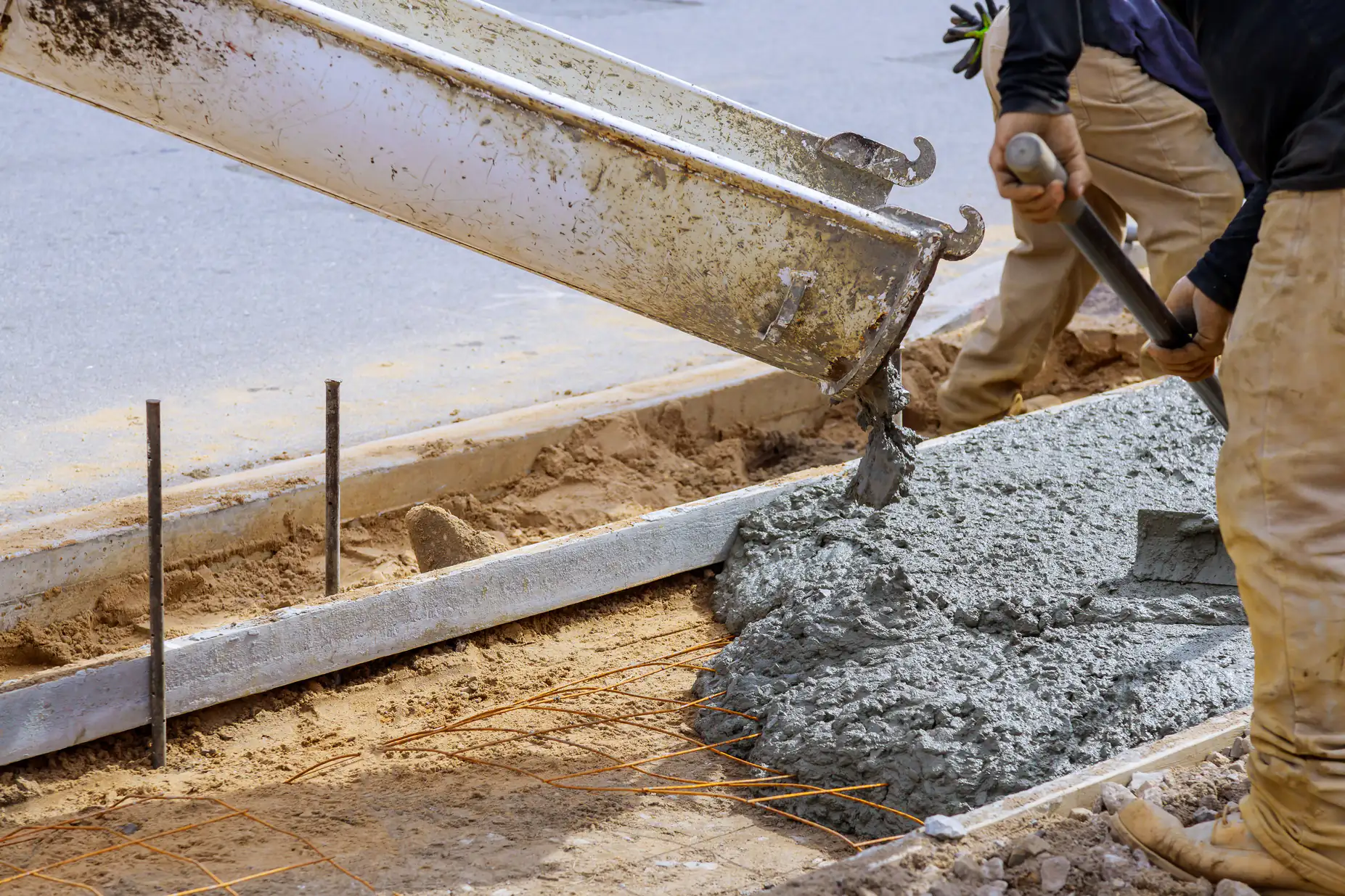
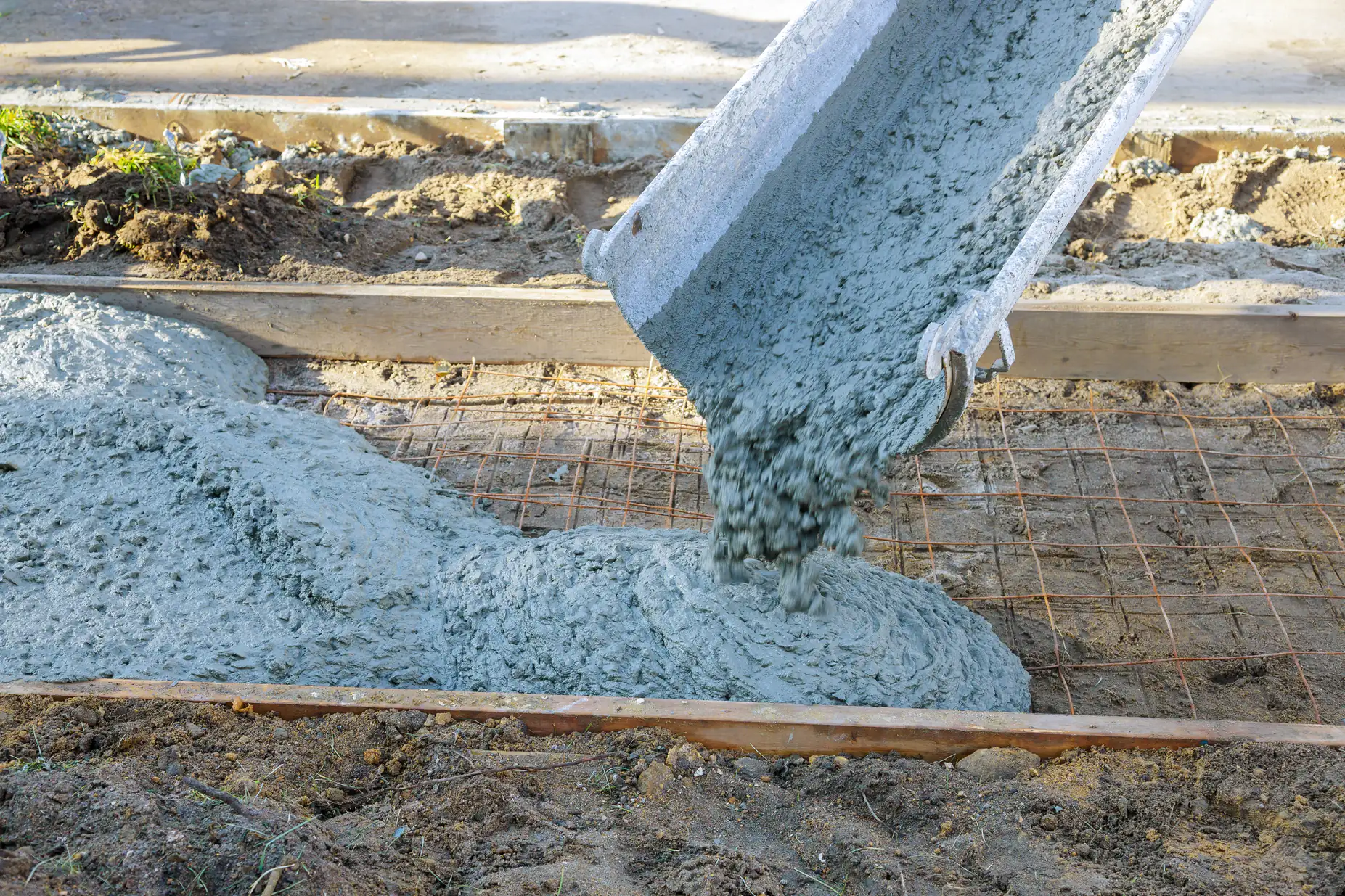
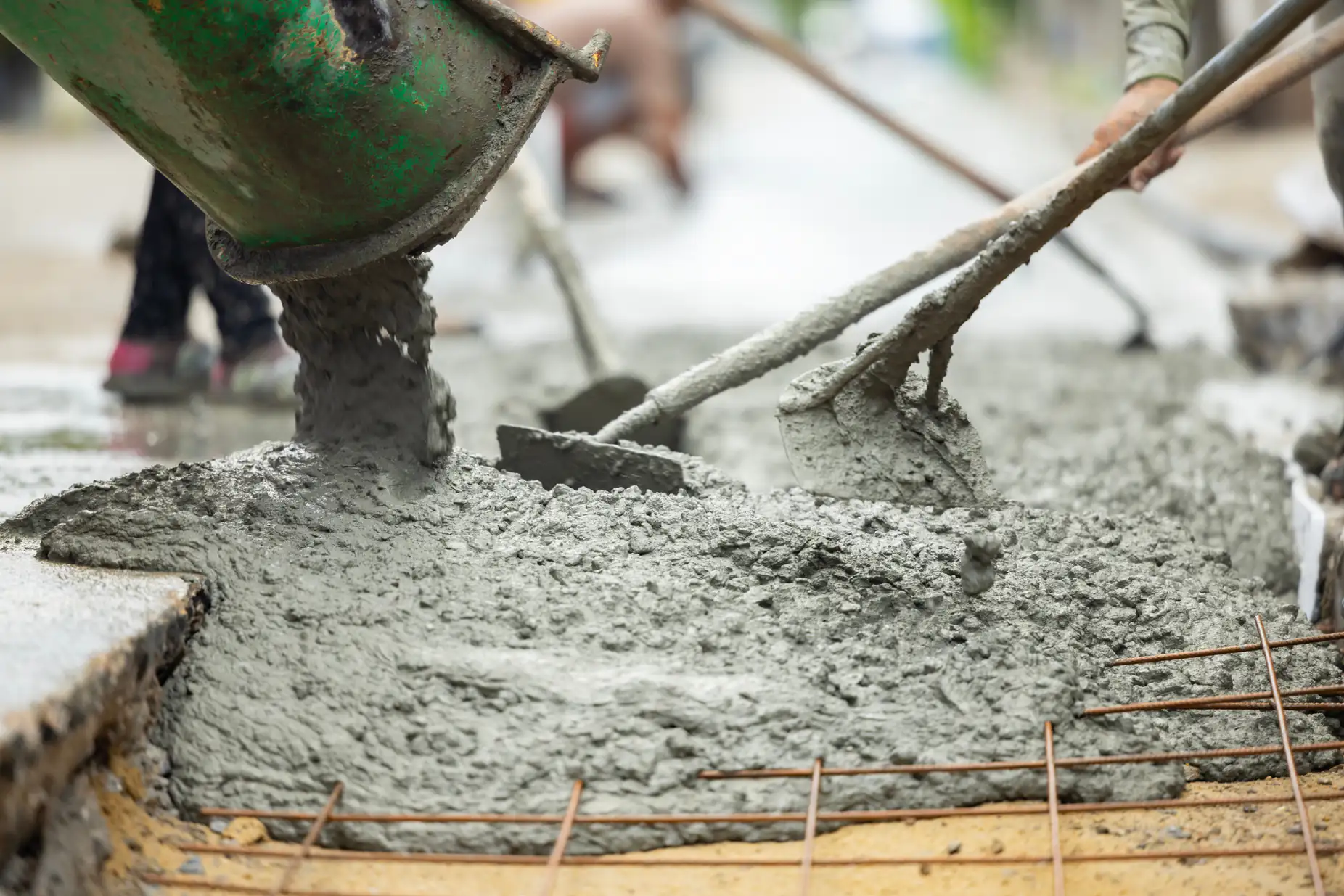
Day two is when we pour and finish the concrete. We use Portland cement mixes designed for New Jersey weather, install rebar reinforcement where needed, and create proper drainage channels that direct water away from your foundation. If you’re getting stamped concrete or decorative finishes, that happens during this phase too.
Day three involves final touches, cleanup, and walking you through maintenance guidelines. We explain the curing process, when you can drive on it, and how to protect your investment long-term. Then we handle complete cleanup so you’re not left dealing with construction debris.
The timeline can shift slightly depending on weather or if we run into unexpected base issues, but most residential driveways in Boonton follow this three-day pattern. We schedule between April and October when temperatures stay above 50°F, which gives the concrete ideal curing conditions.

Ready to get started?
You get complete excavation and removal of your old driveway, proper grading and base preparation, and installation of a compacted foundation layer that prevents future settling. We handle all necessary permits and coordinate required inspections with local building departments.
The concrete itself is a Portland cement mix with rebar reinforcement installed at proper intervals. We create drainage solutions specific to your property’s slope and water flow patterns. If you’re near areas that flood during heavy rain, we adjust the drainage design accordingly.
Morris County properties deal with specific challenges that affect installation decisions. Homes near Route 287 face different drainage needs than properties closer to the Rockaway River. We factor in your specific location, soil conditions, and typical water flow patterns when planning the installation.
You also get options most homeowners don’t realize exist. Plain gray concrete costs less and works perfectly for most driveways. Stamped concrete gives you decorative patterns that mimic brick, stone, or other high-end materials. Decorative overlays can transform existing concrete if your current driveway’s structure is still sound but looks terrible.
Concrete driveway installation in Boonton typically runs $7 to $12 per square foot, which puts most residential driveways between $3,200 and $11,500 depending on size and complexity. Plain gray concrete sits at the lower end of that range, while stamped or decorative concrete pushes toward the higher end.
Several factors affect your final cost. A standard two-car driveway covering about 600 square feet will cost less per square foot than a smaller single-car driveway because of fixed costs like permits and equipment. If we need to remove an old concrete driveway instead of asphalt, that adds to the excavation time and disposal costs.
Your property’s specific conditions matter too. Homes with drainage issues require additional work to prevent water damage. Properties with difficult access for equipment take longer to complete. Decorative finishes like stamped patterns or colored concrete add material and labor costs but can significantly boost curb appeal and property value.
The investment pays for itself when you consider longevity. A properly installed concrete driveway lasts 25 to 50 years with minimal maintenance, while asphalt typically needs replacement every 15 to 25 years. You’re also avoiding the annual crack filling and seal coating that asphalt requires.
A properly installed concrete driveway in New Jersey lasts 25 to 50 years, significantly longer than asphalt driveways which typically need replacement after 15 to 25 years. The key phrase there is “properly installed” because shortcuts during installation will cut that lifespan in half.
Morris County’s freeze-thaw cycles are particularly brutal on driveways. Water penetrates small cracks, freezes, expands, and creates structural damage that gets worse each winter. Concrete handles this better than asphalt because it’s more rigid and doesn’t flex as much with temperature changes, but only if the base preparation and drainage are done correctly.
Three things determine whether your concrete driveway reaches that 50-year mark. First is base preparation—a properly compacted foundation prevents settling that causes cracks. Second is drainage—water that can’t escape will eventually cause damage no matter how good the concrete is. Third is the concrete mix itself and proper curing time before you drive on it.
You’ll still need some maintenance over those decades. Small cracks should be sealed when they appear to prevent water infiltration. The surface might need cleaning or resealing every few years depending on exposure. But you’re looking at minor upkeep costs instead of complete replacement every 15 years like you’d face with asphalt.
Concrete outlasts asphalt and requires less maintenance, but costs more upfront. For Boonton properties, concrete makes more sense if you’re planning to stay in your home long-term and want to stop dealing with recurring repairs.
Asphalt driveways cost less initially, usually $3 to $7 per square foot compared to $7 to $12 for concrete. Asphalt also handles temperature fluctuations better because it flexes with freeze-thaw cycles instead of cracking. But that flexibility comes with a tradeoff—asphalt needs seal coating every 2-3 years and typically requires replacement after 15-25 years.
Concrete’s rigid structure means it doesn’t flex, so proper installation becomes critical. If the base isn’t prepared correctly or drainage isn’t adequate, you’ll see cracks within the first few winters. But when concrete is installed properly, it can last 50 years with minimal maintenance beyond occasional crack sealing and surface cleaning.
For Morris County specifically, concrete handles winter salt and de-icing chemicals better than asphalt. It also maintains a cleaner appearance—asphalt fades to gray over time while concrete stays brighter. If curb appeal matters and you’re tired of the annual maintenance cycle, concrete is worth the higher upfront investment.
Yes, most concrete driveway installations in Boonton require a permit from the local building department, and working with us means we handle that entire process for you. The permit ensures your driveway meets local building codes, proper drainage requirements, and setback regulations.
The permit process typically involves submitting plans that show the driveway dimensions, drainage design, and how water runoff will be managed. Morris County municipalities pay close attention to drainage because improper water flow can affect neighboring properties and local stormwater systems. The building department may require specific drainage solutions depending on your property’s slope and proximity to storm drains.
Skipping the permit process creates problems down the road. If you try to sell your home, unpermitted work can derail the sale or force you to tear out the driveway and start over. Some insurance companies won’t cover damage related to unpermitted construction. And if a neighbor complains about water runoff from your property, the township can require you to fix it at your expense.
As a licensed contractor, we know exactly what Boonton requires because we’ve handled hundreds of permits in Morris County. We submit the paperwork, coordinate inspections, and make sure everything meets code before we start work. You don’t have to visit the building department or figure out what documentation they need.
You can typically walk on new concrete after 24-48 hours, but you should wait at least seven days before driving on it. Full curing takes about 28 days, though the concrete reaches sufficient strength for normal vehicle traffic well before that.
The curing timeline depends heavily on weather conditions during and after installation. Warm, dry weather speeds up curing while cool, humid conditions slow it down. We typically schedule installations between April and October in Morris County specifically because temperatures stay above 50°F, which provides ideal curing conditions.
Driving on concrete too early causes surface damage that can’t be repaired. You’ll see tire marks, indentations, or surface cracking that gets worse over time. Heavy vehicles like moving trucks or delivery trucks should stay off the driveway for at least 10-14 days to prevent damage.
We’ll give you specific guidance based on weather conditions during your installation. If we pour during a hot, dry week in July, the timeline might be slightly shorter. If we install during a cool, damp period in October, we might recommend waiting an extra few days. The key is patience—rushing this part undermines all the work we put into proper base preparation and installation.
It depends on the extent and type of damage. Surface cracks, minor settling, and cosmetic issues can usually be repaired. Structural problems, widespread cracking, or severe settling typically mean replacement makes more sense than repair.
Small hairline cracks are normal and can be sealed to prevent water infiltration. Isolated areas of settling can sometimes be lifted and stabilized using mud jacking or polyurethane foam injection. Surface damage like scaling or spalling can be addressed with concrete overlays that give you a fresh surface without full replacement.
But if your driveway has extensive cracking, multiple settled sections, or damage that extends through the full thickness of the concrete, repair becomes a temporary fix that won’t last. You’re better off replacing it properly so you’re not dealing with the same issues again in two years.
The decision often comes down to age and installation quality. If your concrete driveway is 30+ years old and showing multiple problems, replacement gives you another 25-50 years of life. If it’s relatively new and damage is isolated, repair makes financial sense. We’ll assess your specific situation and give you an honest recommendation about whether repair or replacement is the better investment for your property.