
Hear from Our Customers
You get a driveway that handles what New Jersey throws at it. No pooling water after storms. No spiderweb cracks by the second winter. No calling someone back in two years because the base wasn’t compacted properly.
When concrete is mixed right, poured at the correct depth, and reinforced with rebar, it holds up. When the base is excavated to proper depth and compacted to 95% density, nothing shifts underneath. That’s the difference between a driveway that lasts decades and one that starts failing before you’ve made the last payment.
You also get transparency. A written estimate that breaks down every cost before work starts. A timeline you can count on. And a crew that shows up when they say they will, does the work without cutting corners, and cleans up when they’re done.
We’ve been handling driveway installations across Morris, Sussex, and Somerset County for over two decades. We’re not a crew with leftover materials looking for quick work. We’re a licensed, insured operation that knows how soil drains in Blackwells Mills, what happens when you skip proper grading in Franklin Park, and why base depth matters more in New Jersey than it does in warmer climates.
We’ve poured driveways in every condition this area offers. Older neighborhoods with drainage quirks. New construction where grading isn’t established yet. Replacements where the previous contractor didn’t excavate deep enough. Every job gets the same approach: proper prep, quality materials, and work that meets code.
You’ll get a callback within 48 hours of requesting a quote. A written estimate with no surprise charges. And a comprehensive warranty that actually means something because we’ve been here long enough to honor it.
First, we look at your property. We check drainage, measure the area, and talk through what you’re dealing with—whether it’s a full replacement, new construction, or adding a concrete patio alongside your driveway. You get a written estimate that breaks down materials, labor, and timeline.
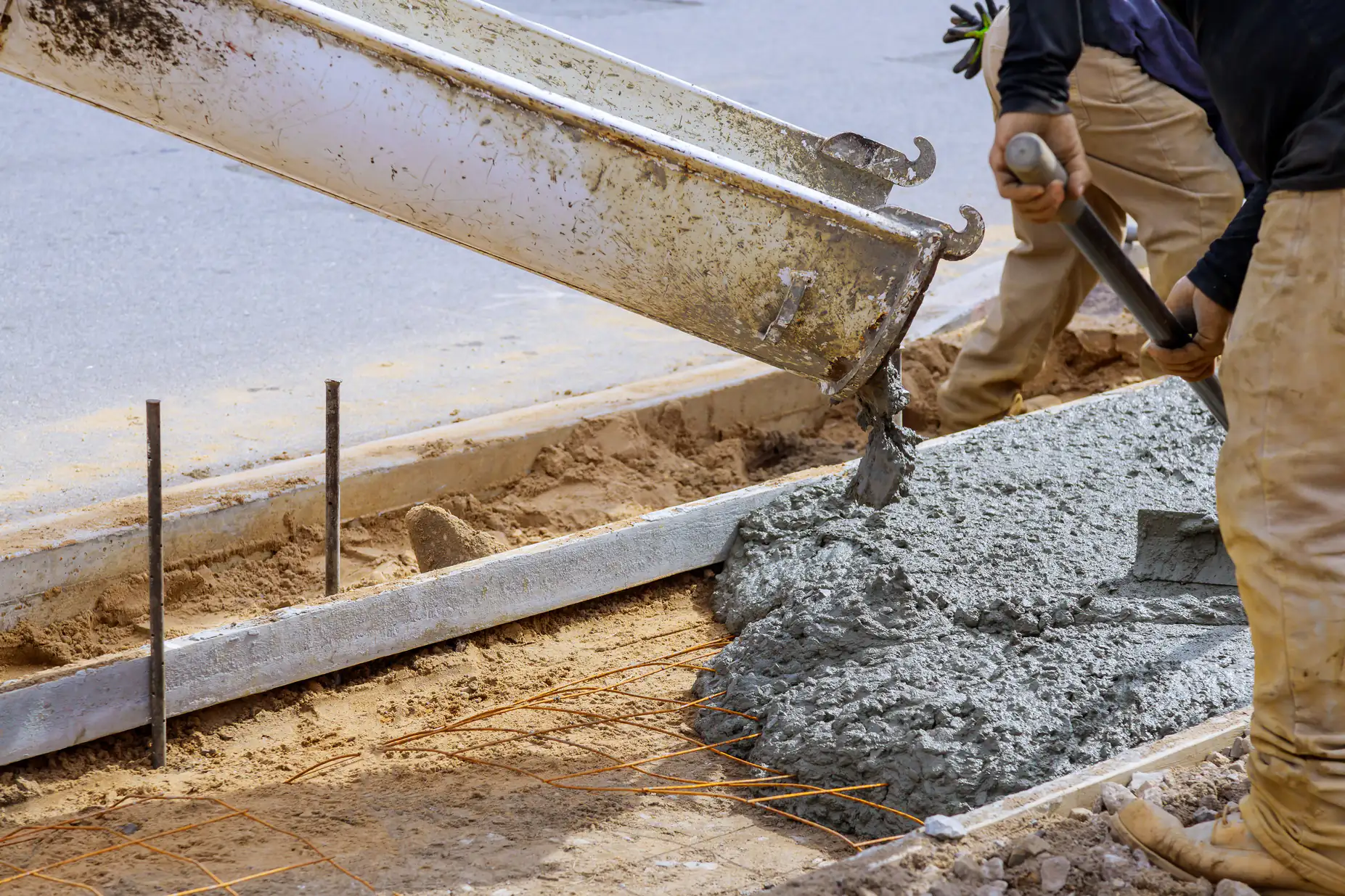
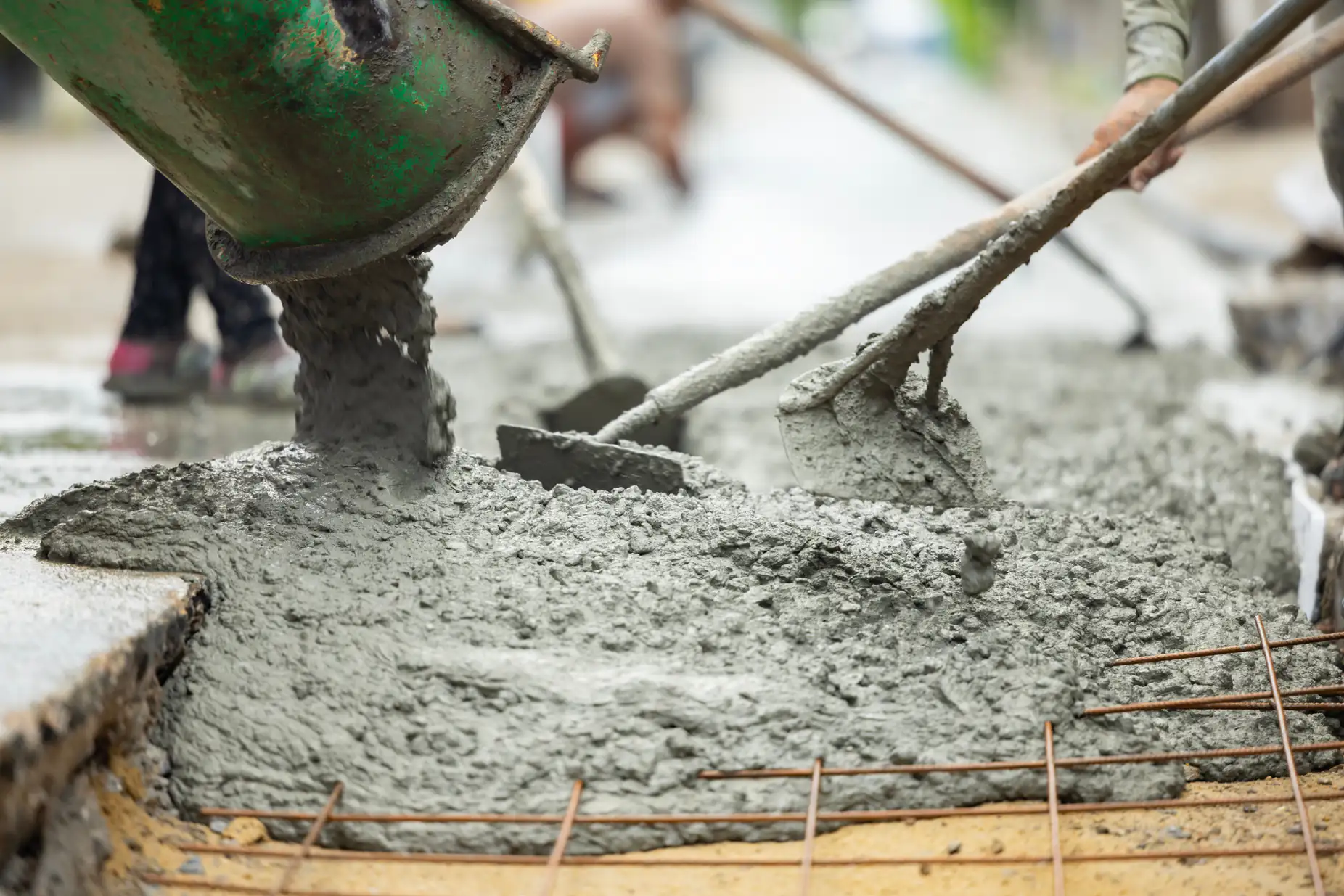
Once you approve, we handle permits if your township requires them. Then we excavate to proper depth—usually 8 to 10 inches depending on soil conditions and load requirements. We establish grading so water flows away from your foundation, not toward it. The base goes in next: compacted aggregate that won’t shift when temperatures drop.
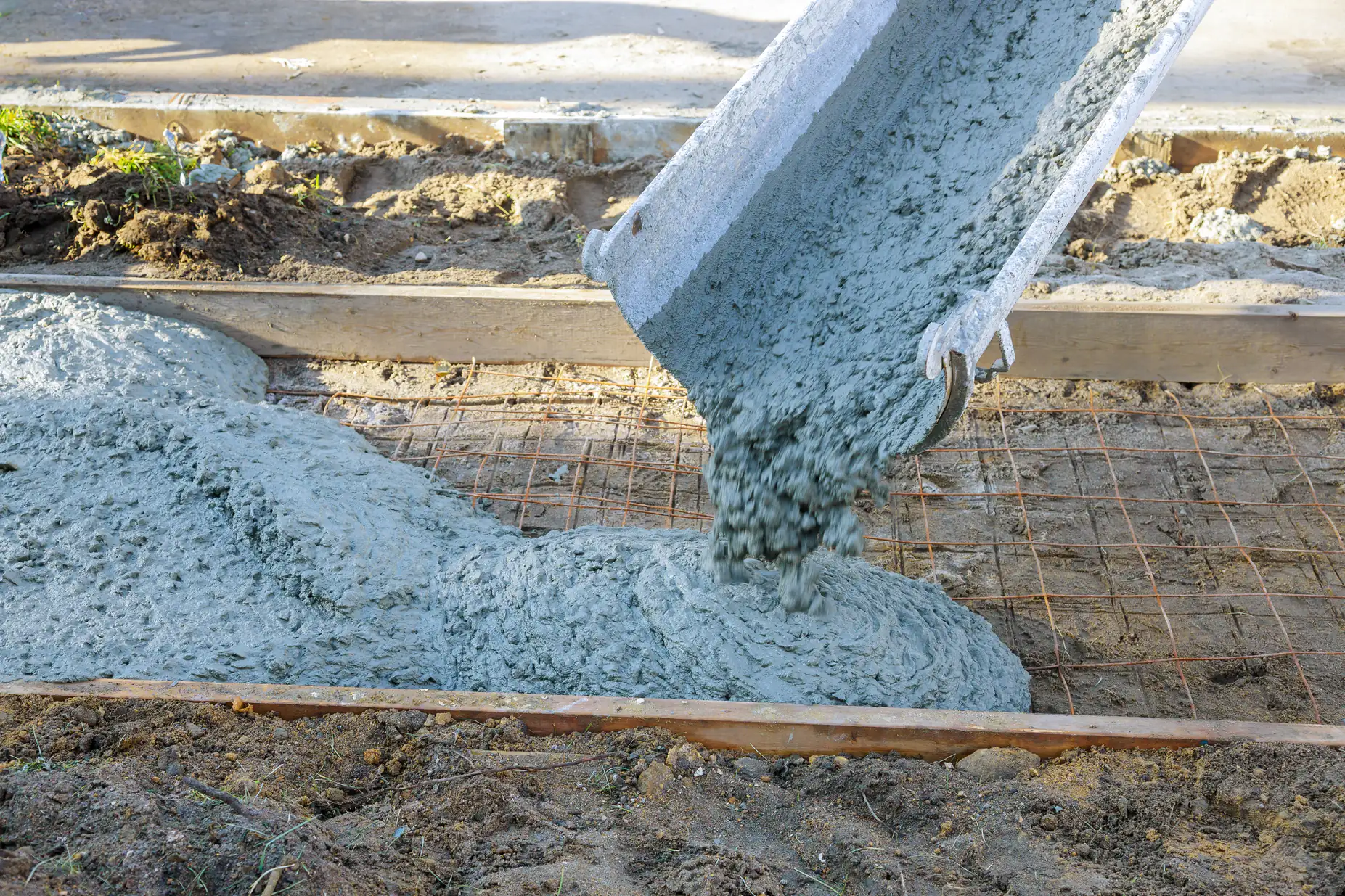
Before we pour, rebar goes in for reinforcement. We use Portland cement mixes rated for northern climates and pour at the right depth—typically 4 to 6 inches for residential driveways. Finishing depends on what you want: standard broom finish for traction, or decorative stamped patterns if you’re after a specific look. We cut control joints to manage cracking, then apply curing compound so the concrete sets properly.
You’ll need to stay off it for about a week. After that, it’s ready for vehicles. We walk you through maintenance before we leave—what to watch for, when to seal it, and how to handle New Jersey winters without damaging the surface.

Ready to get started?
Every concrete driveway installation includes full excavation and grading, compacted aggregate base, rebar reinforcement, and climate-appropriate concrete mix. We handle permits, inspections, and cleanup. You also get a written warranty covering materials and workmanship for five years.
In Blackwells Mills and surrounding Somerset County areas, soil conditions vary. Some properties drain well naturally. Others need more attention to grading and base prep to prevent settling. We adjust our approach based on what your property needs, not what’s fastest to install.
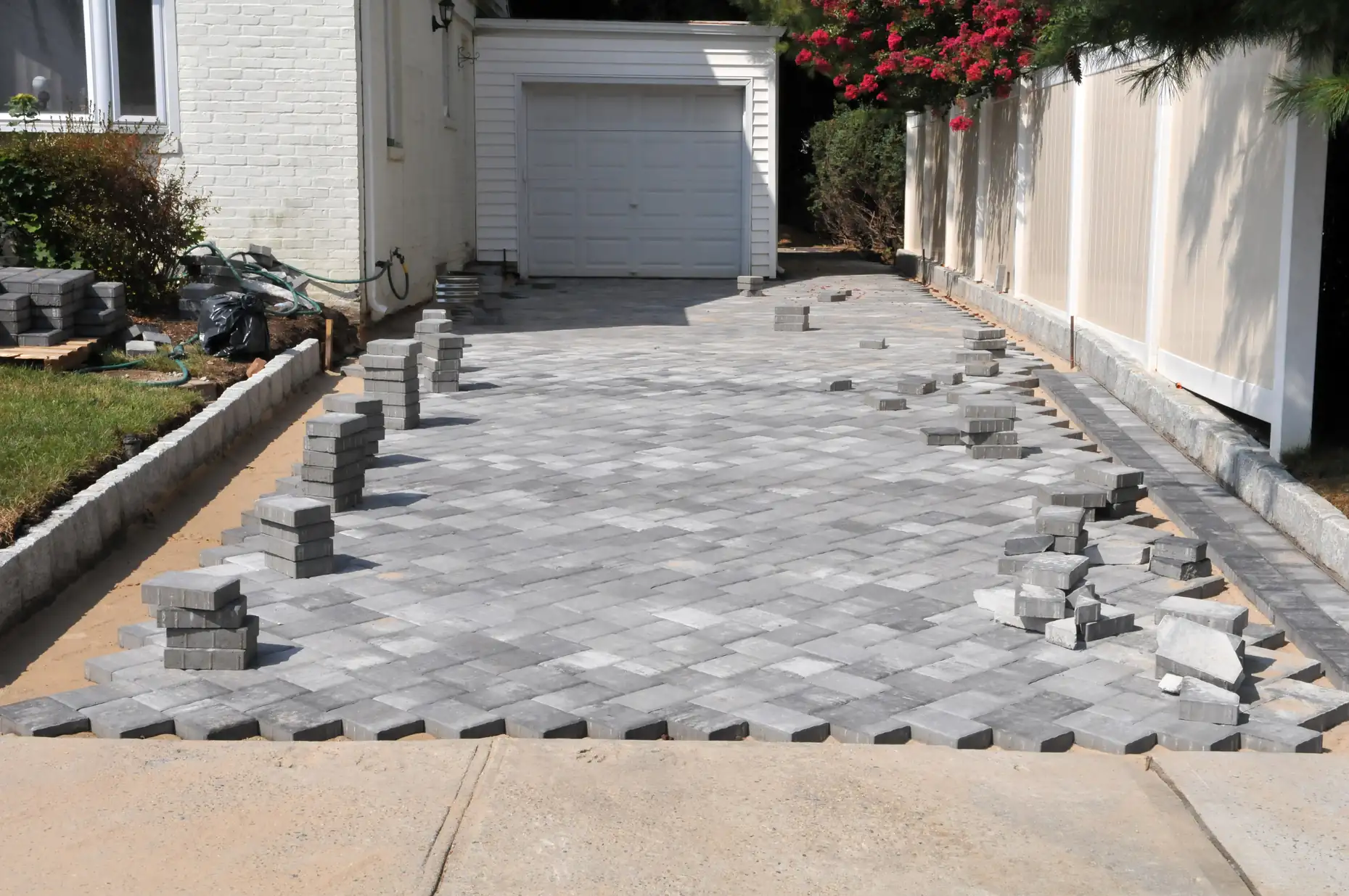
If you’re adding a concrete patio, flagstone pavers, or Belgard pavers alongside your driveway, we coordinate everything so drainage works across the whole hardscape. That prevents water from pooling between your driveway and patio, which causes undermining and uneven settling over time.
Decorative options are available if you want more than a standard finish. Stamped concrete can mimic brick, slate, or stone patterns. Color can be integrated into the mix or applied as a surface treatment. These add cost, but they also add curb appeal if you’re planning to sell or just want something that looks better than plain gray.
Concrete driveways typically run between $6 and $12 per square foot installed, depending on site conditions, thickness, reinforcement, and finish. A standard two-car driveway around 600 square feet usually costs between $3,600 and $7,200.
That range accounts for differences in excavation depth, base material, and whether you’re adding decorative finishes like stamping or color. If your property has drainage issues or needs extra grading work, that adds to the cost. Same goes for thicker pours or additional rebar in areas that’ll see heavier vehicles.
You’ll get a written estimate before any work starts. It breaks down material costs, labor, and any site-specific requirements so there’s no confusion about what you’re paying for. If your project needs permits, we handle that and include it in the quote.
A properly installed concrete driveway lasts 30 to 40 years in New Jersey, sometimes longer if it’s maintained. That assumes correct base prep, proper concrete mix, adequate reinforcement, and control joints cut at the right spacing.
New Jersey winters are hard on concrete. Freeze-thaw cycles cause water to expand in any cracks, which makes small issues bigger. If the base wasn’t compacted correctly or the concrete was poured too thin, you’ll see problems within the first few years. If it was done right, you might need to seal cracks or patch a small section over the decades, but the driveway holds up.
Maintenance helps. Sealing the surface every few years protects against moisture penetration and salt damage. Fixing small cracks before they spread prevents water from getting underneath and undermining the base. Avoid using metal shovels or harsh deicing chemicals in winter—both damage the surface faster than normal wear.
Concrete costs more upfront but lasts longer and needs less maintenance. Asphalt costs less initially but requires sealcoating every two to three years and typically needs replacement sooner. Your choice depends on budget, how long you’re staying in the house, and how much maintenance you want to deal with.
Concrete handles New Jersey winters well if it’s installed correctly. It doesn’t soften in summer heat like asphalt can, and it doesn’t need regular sealcoating. Repairs are more expensive when they’re needed, but you need them less often. If you’re planning to stay in your home long-term, concrete usually makes more financial sense.
Asphalt is a good option if you need to keep upfront costs lower or if you prefer the look. It’s easier to patch and resurface than concrete, and sealcoating is straightforward. But you’re committing to more frequent maintenance, and the lifespan is shorter—usually 15 to 25 years depending on how well it’s maintained.
Late spring through early fall is ideal for concrete driveway installation in New Jersey. You need temperatures consistently above 50 degrees during the day and above 40 at night for at least a week after pouring. That gives the concrete time to cure properly without freezing.
Concrete that freezes before it’s fully cured loses strength and durability. It might look fine at first, but it’ll crack and deteriorate faster than it should. We don’t pour when temperatures are too low or when rain is forecast during the curing period. It’s not worth rushing the job and ending up with a driveway that fails early.
Summer works well as long as it’s not extremely hot. High temperatures cause concrete to set faster, which can lead to cracking if it’s not managed correctly. We adjust our mix and curing methods based on conditions, but moderate temperatures in spring and fall make the process more predictable. If you’re planning a project, reaching out a few months ahead helps you get on the schedule during the best weather window.
Most towns in Somerset County require permits for new driveway installation or significant replacements, but requirements vary by municipality. Some towns also have rules about driveway width, setbacks from property lines, and drainage management.
We handle permit applications as part of the installation process. That includes submitting site plans, ensuring the design meets local codes, and coordinating inspections if they’re required. It adds a bit of time to the project timeline, but it’s necessary to avoid issues down the road—especially if you ever sell the house.
Skipping permits might seem like a way to save time or money, but it causes problems later. Unpermitted work can complicate home sales, affect insurance claims, or result in fines if the township finds out. It’s not worth the risk. We make sure everything is done by the book so you don’t have to worry about it.
Seal your concrete driveway every two to three years to protect against moisture, salt, and staining. Clean it regularly to prevent oil, dirt, and debris from breaking down the surface. Fix small cracks as soon as you notice them—before water gets underneath and causes bigger problems.
In winter, use plastic shovels instead of metal ones to avoid scratching the surface. Avoid deicing salts that contain ammonium nitrate or ammonium sulfate—they damage concrete. Sand or calcium chloride-based products are safer options. If you see standing water, make sure your drainage is still working correctly. Pooling water accelerates wear and increases the chance of freeze-thaw damage.
Concrete is low-maintenance compared to asphalt, but it’s not maintenance-free. A little attention every year keeps it looking good and prevents small issues from turning into expensive repairs. We’ll walk you through what to watch for before we finish your installation, and you can always reach out if you have questions later.