Paving Contractor in Clearbrook Park, NJ

Asphalt That Actually Lasts

Professional paving contractor delivering durable driveways and parking lots built for New Jersey weather.

A freshly paved parking lot with no cars parked, several caution cones, small signs on poles, and a person walking across the lot. Residential buildings and trees are visible in the background.

Hear from Our Customers

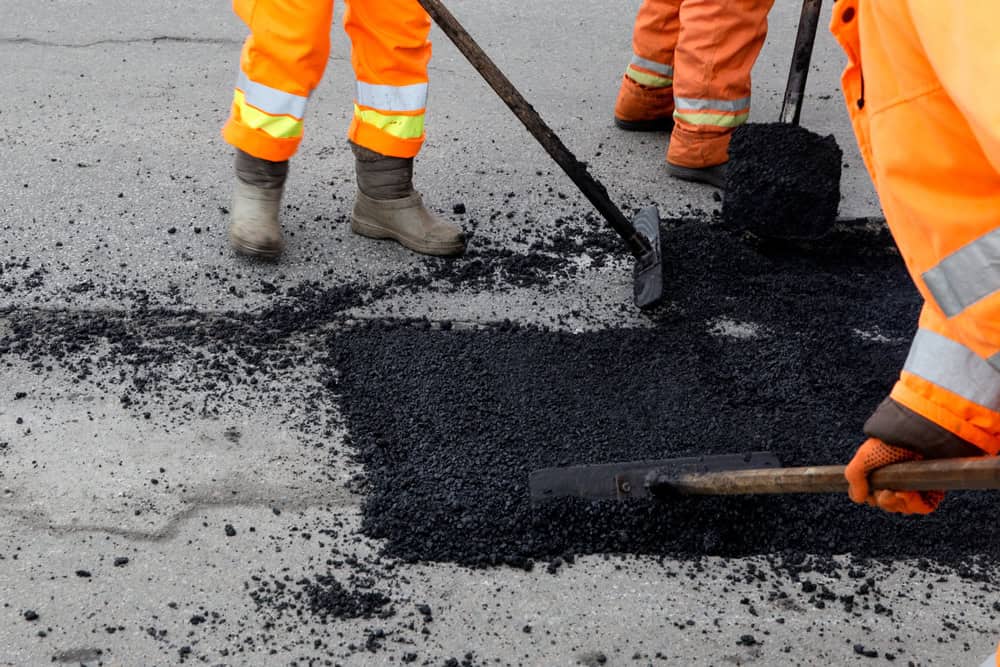
Workers in orange reflective clothing use shovels to spread asphalt while repairing a road. The image focuses on their legs and tools as they patch a section of damaged pavement.

Licensed Asphalt Paving Contractor

Pavement Built Right the First Time

Your driveway or parking lot should handle whatever New Jersey throws at it. Freeze-thaw cycles, heavy traffic, summer heat – you need asphalt that won’t crack, buckle, or wash out after the first hard winter.

That’s what proper paving looks like. No more patching the same spots every spring. No more water pooling against your foundation because the grade wasn’t done right. No more explaining to customers why your parking lot looks like a minefield.

When your pavement is installed correctly with the right materials and proper drainage, it works. You get years of reliable service instead of constant headaches and repair bills.

Clearbrook Park Paving Company

Local Contractors Who Know This Area

We at Platinum Paving have been handling residential and commercial paving projects throughout Clearbrook Park and the surrounding New Jersey area. We’re licensed, insured, and familiar with the local soil conditions that can make or break a paving job.

You’re not getting a fly-by-night crew or someone learning on your property. Our team understands how New Jersey weather affects asphalt and what it takes to build pavement that lasts in this climate.
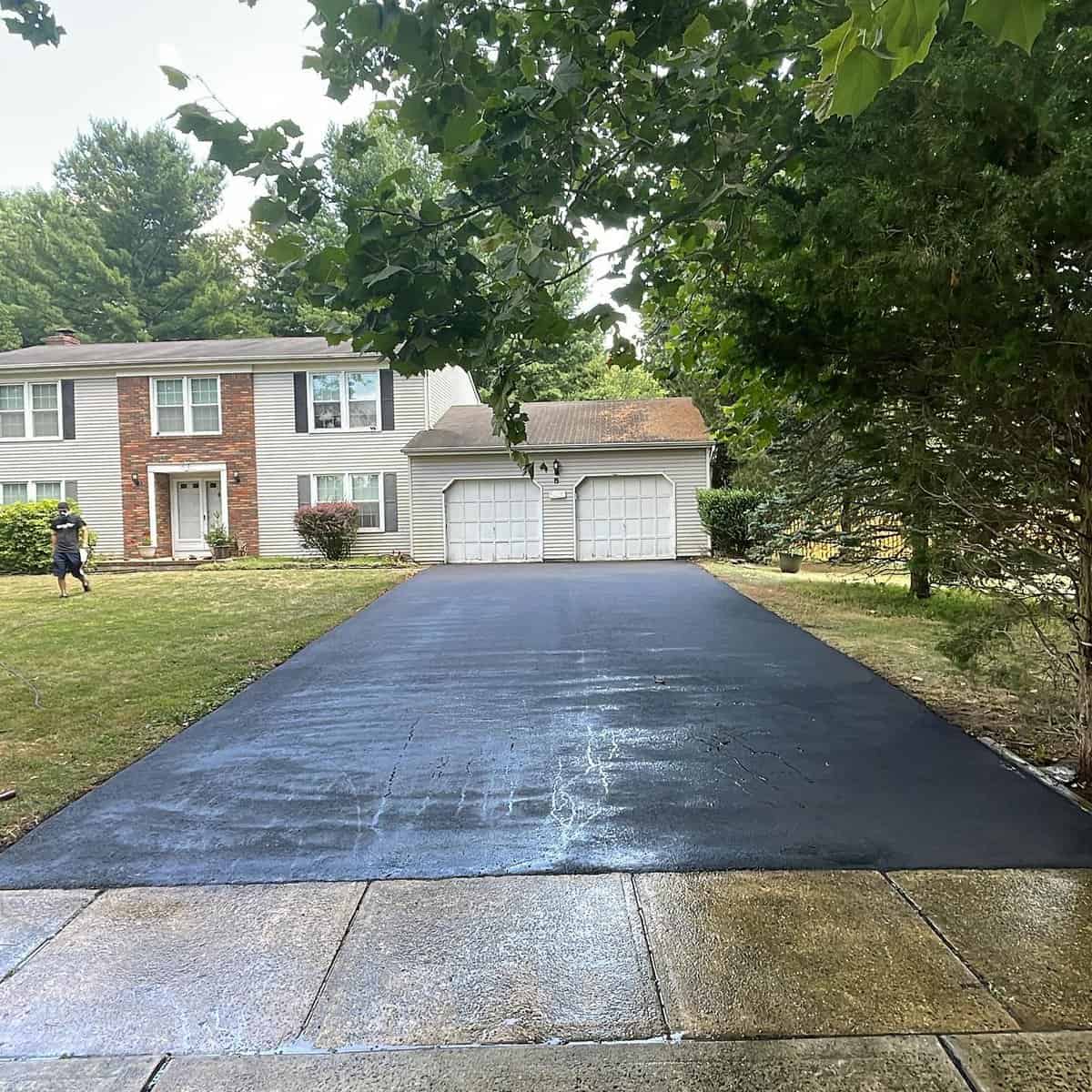
A freshly sealed black asphalt driveway leads to a two-car garage attached to a two-story house with brick and siding. Trees and grass surround the driveway, and part of a wet sidewalk is visible in the foreground.

Professional Paving Process

Here's Exactly What Happens

First, we assess your existing surface and drainage situation. Poor drainage kills pavement faster than anything else, so we identify and address water flow issues before laying new asphalt.

Next comes proper base preparation. We excavate to the right depth, install and compact the base material, and ensure proper grading. This foundation work determines how long your pavement will last.

Then we install the asphalt using commercial-grade equipment and materials. Proper compaction and finishing techniques create a smooth, durable surface that handles traffic and weather. We clean up completely and make sure you’re satisfied with the finished product.

A large house with beige siding and stone accents has a newly paved black asphalt driveway. An orange road roller compactor is parked on the driveway, surrounded by trees and fallen leaves.

Ready to get started?

Explore More Services

About Platinum Paving

Get a Free Consultation

Residential Commercial Paving Services

Complete Asphalt Solutions

We handle both residential driveway paving and commercial parking lot projects. Whether you need a new driveway installation, parking lot resurfacing, or complete pavement replacement, we use the same professional approach and quality materials.

Every project includes proper site preparation, quality asphalt installation, and thorough cleanup. We work efficiently to minimize disruption to your daily routine or business operations while delivering results that last.

Our commercial clients appreciate our understanding of business needs – we can work around your schedule and complete projects in phases if necessary to keep your operations running smoothly.

A small orange Kubota loader unloads debris into a blue dump truck parked on a residential street, while a worker stands on top of the truck near trees and power lines.
Most residential driveway projects take 2-3 days from start to finish. Day one involves excavation and base preparation. Day two covers asphalt installation and initial compaction. We typically need 24-48 hours between major steps to allow proper curing. Weather can affect the timeline – we won’t install asphalt in rain or extreme temperatures because it compromises quality. Larger driveways or complex drainage situations may require additional time, but we’ll give you a realistic schedule upfront so you can plan accordingly.
Commercial paving typically uses thicker asphalt layers and heavier base preparation to handle increased traffic loads and weight. However, we often use commercial-grade materials and techniques for residential projects because they last longer. The main differences are in base depth, asphalt thickness, and compaction requirements. A residential driveway might use 2-3 inches of asphalt over a 6-inch base, while a commercial parking lot needs 3-4 inches of asphalt over an 8-12 inch base. We’ll recommend the right specifications based on your expected traffic and usage.
Surface cracks and minor wear can often be addressed with sealcoating or patching. However, if you have widespread cracking, potholes, drainage issues, or areas where the base is failing, replacement usually makes more sense. Signs that indicate replacement include alligator cracking (interconnected cracks that look like reptile skin), significant settling or heaving, and water pooling that doesn’t drain properly. We’ll assess your specific situation and give you honest recommendations. Sometimes spending a little more on replacement saves money long-term compared to repeated repairs on failing pavement.
Residential driveway paving typically ranges from $3-7 per square foot depending on site conditions, thickness requirements, and access challenges. A standard two-car driveway (600 square feet) usually falls between $2,500-4,500 including proper base preparation. Factors that affect cost include excavation requirements, drainage improvements, base thickness, and site accessibility. We provide detailed written estimates that break down materials, labor, and any additional work needed. Extremely low bids often indicate shortcuts in materials or preparation that will cost you more later through premature failure.
You can typically walk on new asphalt within a few hours, but wait at least 24-48 hours before driving on it with regular passenger vehicles. For heavy vehicles or during hot weather, we recommend waiting 3-5 days. The asphalt continues to cure and harden over several months, reaching full strength after about a year. During the first few weeks, avoid sharp turns, heavy loads, and parking in the same spots repeatedly. We’ll give you specific guidance based on weather conditions and asphalt type. Following these recommendations prevent premature wear and ensures your investment lasts as long as possible.
Yes, proper drainage is critical for long-lasting pavement. We identify and address drainage problems as part of our paving process because water is the biggest enemy of asphalt. This might involve adjusting grades, installing drainage systems, or redirecting water flow away from the pavement area. Poor drainage causes premature cracking, base failure, and frost heaving during winter months. We’ll assess your drainage situation during the initial evaluation and include necessary improvements in our proposal. Fixing drainage issues upfront costs less than repeatedly repairing pavement damage caused by water problems.