

Hear from Our Customers
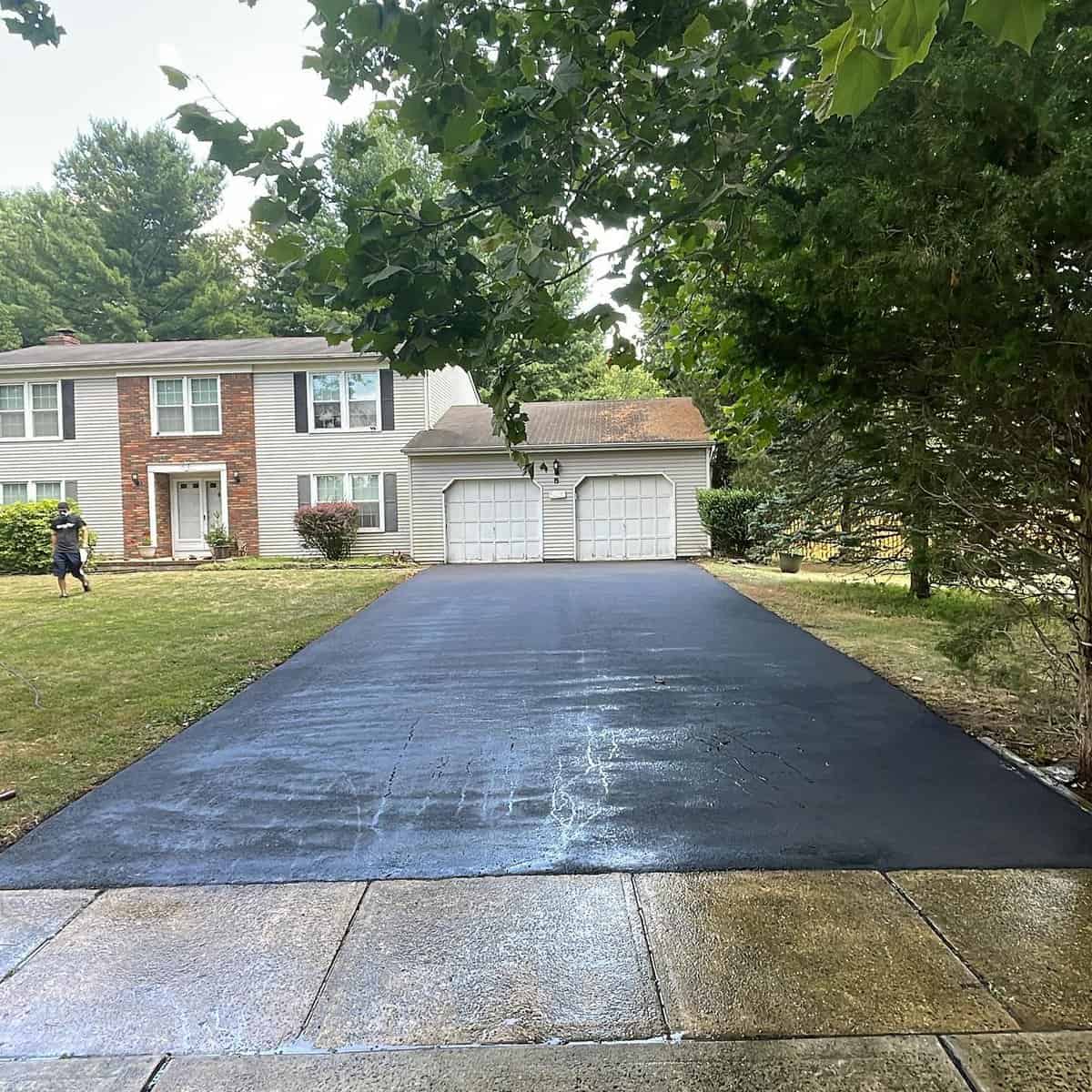
You get a driveway or parking lot that doesn’t crack apart after the first hard winter. No more water pooling against your foundation. No more embarrassing potholes that make visitors question how well you maintain your property.
Your asphalt surface sheds water properly instead of creating ice hazards. The foundation stays stable because we actually evaluate soil conditions instead of rushing to underbid competitors. You save thousands in future repairs because the work gets done right the first time.
Most importantly, you stop worrying about your pavement. Quality installation means forgetting about constant maintenance and focusing on what matters to you.
We’ve been handling New Jersey’s extreme weather swings for years. We understand how Byram Center’s freeze-thaw cycles destroy improperly installed pavement.
Most paving failures start with contractors who skip proper site analysis to save time and underbid projects. We take the opposite approach. Every project begins with thorough drainage evaluation and soil assessment because that foundation work determines whether your pavement survives 5 years or 25 years.
Our clients throughout Sussex County rely on us because we’ve seen what works and what fails in this climate. When your neighbors need paving work done right, they call us.
We start with site evaluation that most contractors skip. Existing drainage conditions, soil stability, and traffic patterns get assessed before any equipment arrives. This prevents problems instead of creating them.
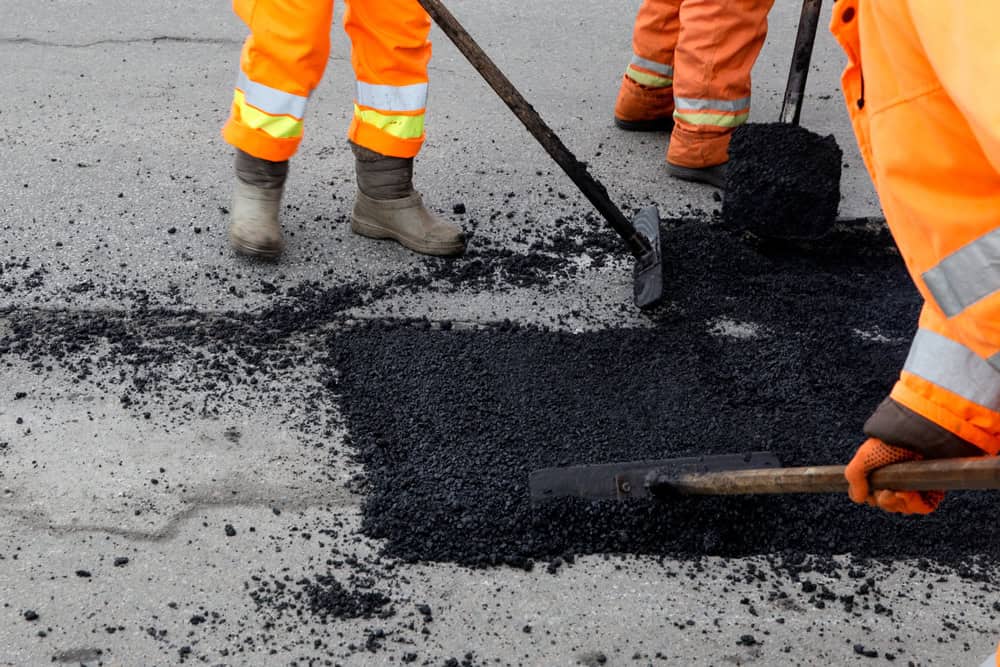
Next comes proper excavation and base preparation. We remove compromised material and install aggregate base compacted to engineering specifications. This foundation determines your pavement’s lifespan, so we don’t cut corners here.
The hot-mix asphalt application follows specific temperature and thickness requirements for Byram Center’s conditions. Multiple compaction passes with heavy rollers eliminate air pockets and create density that resists freeze-thaw damage. Finally, adequate curing time ensures your surface is truly ready for traffic, not just dry-looking.

Ready to get started?
Our asphalt paving services include complete driveway installation, parking lot construction, resurfacing, and repairs specifically designed for Sussex County’s climate demands. You get proper drainage solutions that prevent water damage and ice formation during Byram Center’s harsh winters.
Commercial projects include ADA-compliant accessibility features, professional line striping, and traffic flow optimization. We handle everything from small business lots to large commercial complexes, often working in phases to maintain business operations during construction.
Residential services focus on enhancing your property’s curb appeal and functionality. Whether you need complete driveway replacement or resurfacing over existing pavement, we provide detailed written estimates with no hidden charges. Every project includes proper edge restraints, drainage grading, and complete debris removal.

Byram Center’s location in Sussex County creates specific challenges that require local expertise. The area experiences severe freeze-thaw cycles where water penetrates pavement cracks, freezes, and expands to create serious damage.
Our region’s extreme weather swings from hot summers to harsh winters cause asphalt to expand and contract repeatedly. This stress destroys improperly installed pavement within a few seasons. We use specific hot-mix asphalt grades and installation techniques designed for these conditions.
The soil composition around Byram Center also affects drainage requirements. Poor drainage causes most early pavement failures here because standing water turns into destructive ice during winter months. That’s why every project starts with thorough site evaluation instead of rushing into installation.
Properly installed asphalt paving should last 15-25 years in New Jersey’s climate with regular maintenance. The key factors are foundation preparation, proper installation technique, and appropriate material selection for local conditions.
Most paving failures happen within the first 5 years due to inadequate base preparation or poor drainage design. Contractors who skip proper site analysis to underbid projects create pavement that fails quickly. Quality installation costs more upfront but saves thousands in premature replacement costs.
Regular sealcoating every 3-5 years extends pavement life significantly by protecting against oxidation, UV damage, and water penetration. Combined with prompt crack repair, proper maintenance can push quality asphalt well beyond the 20-year mark even in harsh New Jersey weather.
Asphalt typically performs better in Byram Center’s freeze-thaw conditions because it flexes with temperature changes instead of cracking like rigid concrete. It’s also more cost-effective for most residential applications and easier to repair when necessary.
Asphalt installation is faster than concrete, often ready for light traffic within 24-48 hours compared to concrete’s longer curing time. For New Jersey winters, asphalt’s flexibility helps it survive repeated freeze-thaw cycles that can crack concrete surfaces.
However, concrete offers longer lifespan and better performance for heavy truck traffic or areas where appearance significantly impacts property value. The choice depends on your specific traffic needs, budget, and long-term goals. A site evaluation helps determine which material makes sense for your situation.
Water pooling anywhere on your pavement surface indicates drainage problems that will cause expensive damage if ignored. Look for areas where water stands after rain instead of flowing toward designated drainage points.
Cracks that allow water to penetrate underneath your pavement create the most serious problems. During winter, this trapped water freezes and expands, causing heaving, settling, and structural failure. You’ll notice uneven surfaces, widening cracks, or sections that feel soft underfoot.
Poor drainage also shows up as ice formation in specific areas during winter, creating safety hazards and accelerating pavement deterioration. If water flows toward your foundation instead of away from buildings, you need immediate drainage correction to prevent both pavement and structural damage.
Residential driveway paving typically costs $4-10 per square foot depending on thickness requirements, site conditions, and preparation needs. Commercial parking lots run $3-8 per square foot with economies of scale for larger projects.
Several factors affect pricing beyond basic square footage. Properties with drainage issues, steep grades, or difficult access require additional preparation work. Excavation for poor soil conditions, extensive base repair, or complex drainage solutions increase costs but prevent future problems.
The most important factor is getting detailed written estimates that break down all costs upfront. Avoid contractors who provide vague pricing or demand payment before starting work. Quality installation costs more initially but saves thousands in premature replacement and repair expenses over time.
Late spring through early fall provides optimal conditions for asphalt paving in New Jersey. Hot-mix asphalt needs consistent temperatures above 50°F during installation and initial curing for proper compaction and performance.
We don’t install asphalt during rain or when temperatures drop too low because weather compromises installation quality. It’s better to delay a project than rebuild everything due to weather-related problems. Winter emergency repairs are possible with specialized techniques, but planned installations should wait for proper conditions.
Summer scheduling fills up quickly, so early planning helps secure your preferred timeline. Fall installation before winter gives you a full season for initial curing, while spring projects take advantage of moderate temperatures and prepare surfaces for heavy summer use.