Paving Contractor in Bernards, NJ

Get Pavement That Actually Lasts

Professional asphalt paving that handles New Jersey weather without the constant repairs and headaches.

A freshly paved parking lot with no cars parked, several caution cones, small signs on poles, and a person walking across the lot. Residential buildings and trees are visible in the background.

Hear from Our Customers

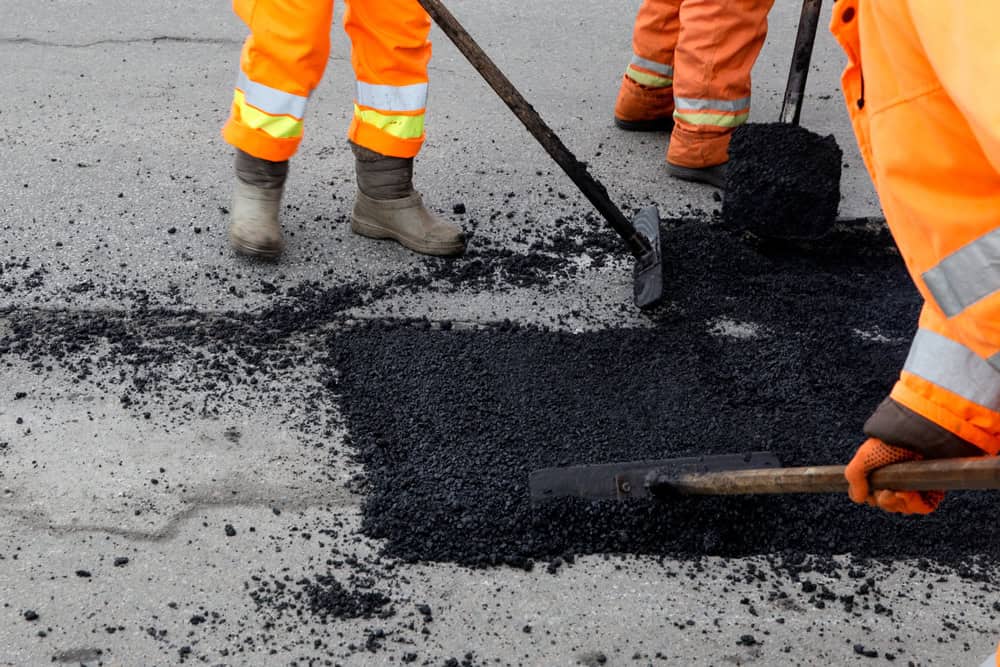
Workers in orange reflective clothing use shovels to spread asphalt while repairing a road. The image focuses on their legs and tools as they patch a section of damaged pavement.

Asphalt Paving Contractor Services

Pavement You Can Count On

You need pavement that works. Not something that cracks after the first winter or starts falling apart because corners were cut during installation.

When your driveway or parking lot is done right, you stop worrying about it. No more water pooling after every storm. No more embarrassing cracks that make your property look neglected. No more emergency repairs that eat into your budget.

Quality asphalt paving means proper drainage, the right materials for our climate, and installation that follows the standards your property deserves. You get smooth surfaces that handle traffic, weather that doesn’t quit, and years of reliable performance without constant maintenance calls.

Licensed Paving Contractor Bernards

We Know Bernards Pavement Challenges

Platinum Paving has been handling asphalt projects throughout Bernards and Somerset County for years. We understand how our local soil conditions affect pavement stability and what materials hold up best against New Jersey’s freeze-thaw cycles.

Every crew member knows the difference between a quick patch job and proper paving that lasts. We’re licensed, insured, and established in this community because we do the work right the first time.

You’ll find our trucks around town regularly, not just when we’re chasing the next job in some distant market.
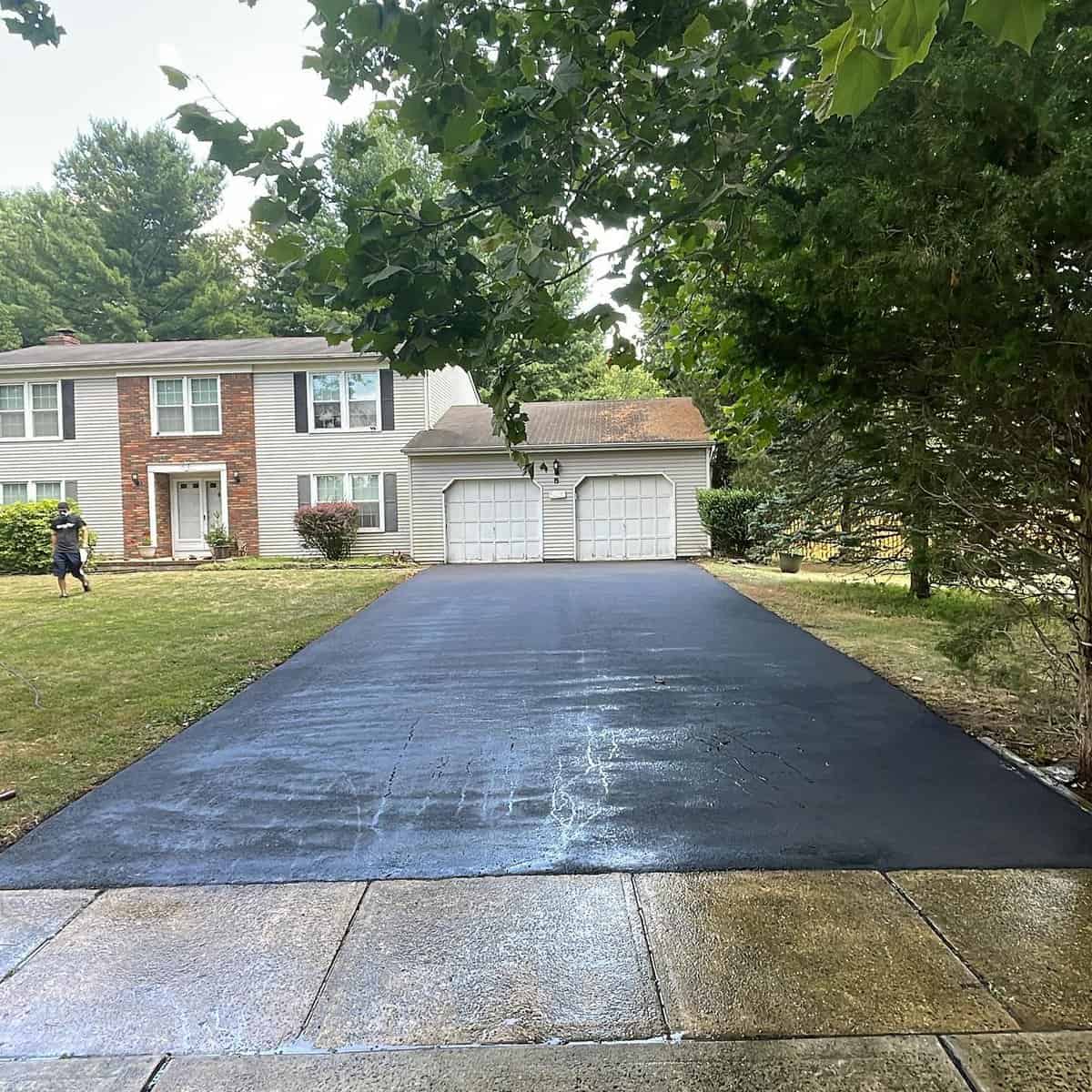
A freshly sealed black asphalt driveway leads to a two-car garage attached to a two-story house with brick and siding. Trees and grass surround the driveway, and part of a wet sidewalk is visible in the foreground.

Professional Paving Process Bernards

How We Handle Your Project

First, we assess your site conditions, drainage needs, and traffic requirements. No cookie-cutter estimates – every property has different challenges that affect the approach and materials needed.

Next comes proper preparation. We excavate to the right depth, address any drainage issues, and install the base materials that actually support your pavement long-term. Skipping these steps is where most paving failures start.

Then we install your asphalt using commercial-grade equipment and materials designed for our climate. Proper compaction, correct temperatures, and attention to edges and transitions make the difference between pavement that lasts and pavement that fails. We finish with cleanup and any final grading to ensure proper water runoff.

A large house with beige siding and stone accents has a newly paved black asphalt driveway. An orange road roller compactor is parked on the driveway, surrounded by trees and fallen leaves.

Ready to get started?

Explore More Services

About Platinum Paving

Get a Free Consultation

Residential Commercial Paving Services

Complete Asphalt Paving Solutions

We handle residential driveways, commercial parking lots, and everything in between. That includes proper excavation, base preparation, asphalt installation, and final grading for drainage.

You also get attention to details that matter – clean edges, proper transitions to existing surfaces, and coordination with any other contractors working on your property. We understand that your project affects your daily routine or business operations, so we work efficiently and keep disruption to a minimum.

Every project includes cleanup and a walkthrough to make sure everything meets your expectations. We’re not rushing off to the next job before making sure you’re satisfied with the results.

A small orange Kubota loader unloads debris into a blue dump truck parked on a residential street, while a worker stands on top of the truck near trees and power lines.
Most residential driveways take 1-2 days to complete, depending on size and site conditions. Day one typically involves excavation and base preparation, while day two covers asphalt installation and finishing work. Weather can affect timing – we won’t install asphalt in rain or when temperatures are too low, because that compromises the quality of your pavement. Larger driveways or projects requiring significant drainage work may take an additional day. We’ll give you a realistic timeline during your estimate so you can plan accordingly.
Asphalt and blacktop are essentially the same material – a mixture of aggregate stones and bitumen binder. The terms are often used interchangeably, though “blacktop” sometimes refers to thinner applications used for driveways while “asphalt” describes thicker commercial applications. What matters more is the quality of materials and proper installation techniques. We use the appropriate thickness and grade of asphalt for your specific application, whether it’s a residential driveway handling regular car traffic or a commercial lot supporting delivery trucks and heavy vehicles.
You can typically drive on new asphalt within 24-48 hours, depending on weather conditions and thickness. However, the asphalt continues to cure and harden for several months. During the first few weeks, avoid turning your steering wheel while stopped (like when backing out), don’t park in the same spots repeatedly, and be careful with kickstands or heavy equipment that might create impressions. We’ll give you specific guidelines based on your installation and current weather conditions. Following these recommendations helps ensure your new pavement reaches its full durability potential.
Permit requirements depend on the scope of your project and local regulations. Simple driveway repaving usually doesn’t require permits, but new driveways, changes to drainage patterns, or work affecting public right-of-way typically do. Commercial paving projects almost always require permits and inspections. We’re familiar with Bernards Township requirements and can help determine what permits are needed for your specific project. When permits are required, we can assist with the application process and ensure all work meets local codes and standards.
Asphalt paving costs vary based on site conditions, thickness requirements, drainage needs, and project size. Simple overlay projects cost less than full-depth installations requiring excavation and new base materials. Access issues, drainage problems, or unusual site conditions can affect pricing. Rather than giving you a generic per-square-foot number that might not apply to your situation, we provide detailed estimates that account for your specific requirements. This approach gives you accurate pricing and helps you understand exactly what’s included in your project.
Late spring through early fall offers the best conditions for asphalt paving in New Jersey. We need temperatures consistently above 50 degrees and dry conditions for proper installation and curing. Summer and early fall are ideal because warm temperatures help the asphalt compact properly and cure effectively. Winter paving is possible during warm spells, but scheduling becomes less predictable due to weather. Spring projects should be planned after the ground has thawed and dried from winter moisture. We’ll recommend the best timing for your specific project based on current conditions and your schedule requirements.