
Hear from Our Customers
Your driveway handles New Jersey’s brutal freeze-thaw cycles without cracking apart in two years. The kind that makes neighbors ask who did the work. You get proper drainage that actually works—no more standing water turning into skating rinks every winter.
No more watching your car scrape over chunks of broken asphalt every time you come home. The smooth, even surface adds real value to your Rudeville home. Professional-grade results that perform reliably year after year, reducing your long-term maintenance headaches.
We’ve been installing and repairing driveways throughout Sussex County and the surrounding areas for over two decades. We understand how New Jersey weather beats up driveways and what it takes to build them right the first time.
We’re licensed, insured, and we use the same commercial-grade materials and equipment on your residential driveway that we use on parking lots and roads. This isn’t about being the cheapest option—it’s about being the option that actually works when you need it to.
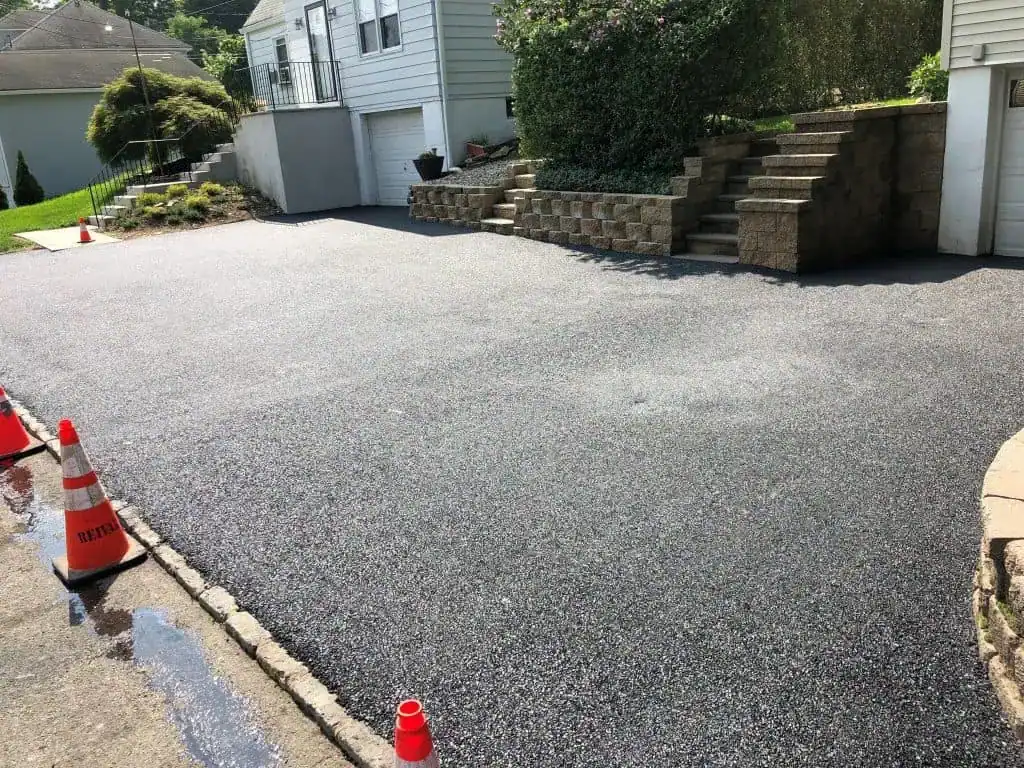
First, we assess what you’re working with. We look at drainage, existing base conditions, and what needs to happen to get this right. You get a written estimate that covers everything—no surprises.
Next comes the foundation work that determines whether your pavement lasts 5 years or 25 years. We remove old material completely, grade for proper drainage, and install a compacted stone base that won’t shift or settle. No shortcuts on excavation depth or base thickness.
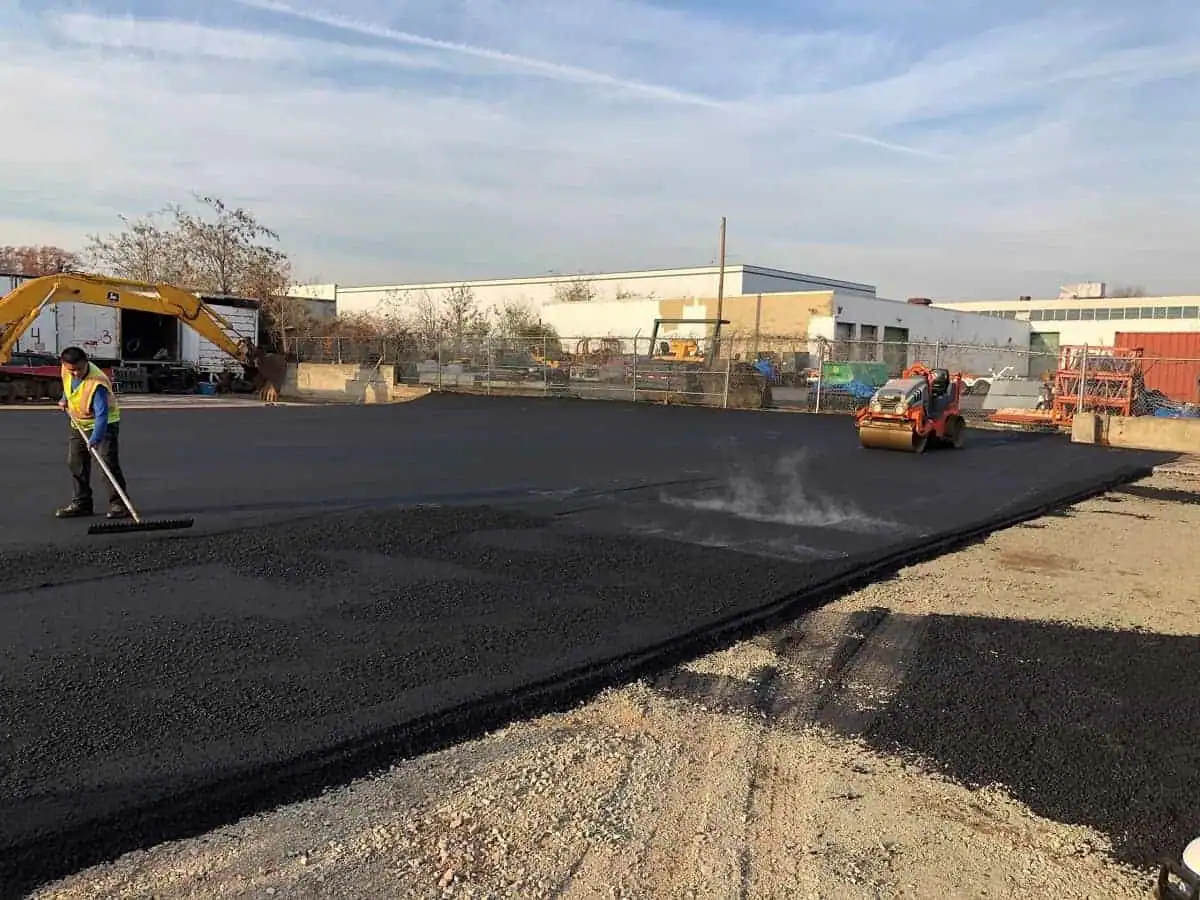
Then we install your new asphalt surface using commercial-grade materials designed for New Jersey’s weather patterns. Most residential driveways take 1-2 days to complete, and you can typically drive on the new surface within 24-48 hours.
Ready to get started?
Our asphalt paving services cover new installation, complete reconstruction, and resurfacing for both residential and commercial properties. We handle projects from small driveways to large parking lots, including proper drainage solutions.
Living in Rudeville means dealing with Route 23 and Route 94 traffic, plus the unique challenges of Sussex County’s rural setting. Properties here need drainage systems that handle runoff from surrounding areas and asphalt that won’t crack under the weight of larger vehicles common in rural communities.
We coordinate timing that works with your schedule and keep you informed throughout the process. For commercial properties, we can work around your business hours to minimize disruption. The job isn’t finished until water flows properly and your new pavement integrates seamlessly with existing surfaces.

Most residential driveway projects in Rudeville take 1-2 days to complete, depending on size and site conditions. Day one typically involves excavation and base preparation work. Day two covers asphalt installation and finishing details.
Weather conditions can affect timing, particularly during New Jersey’s winter months when temperatures need to be above freezing for proper asphalt installation. We coordinate scheduling to work around Sussex County’s unpredictable weather patterns and keep you updated if conditions require adjustments.
Asphalt paving costs in Rudeville typically range from $7-13 per square foot for new installation, including materials and labor. Resurfacing existing pavement runs $2-4 per square foot, while complete reconstruction projects fall between $3-7 per square foot depending on complexity.
The biggest cost variables are excavation requirements, base preparation needs, and drainage considerations specific to your property. Properties with poor drainage or unstable soil conditions require additional foundation work that affects total project cost. We provide detailed written estimates that break down material and labor costs so you understand exactly what you’re paying for.
Properly installed asphalt paving in Rudeville should last 25-30 years with appropriate maintenance, though this depends heavily on installation quality and local soil conditions. Properties with poor drainage or inadequate base preparation typically see problems within 5-10 years.
Regular maintenance including sealcoating every 2-3 years and prompt crack sealing significantly extends pavement life. Sussex County’s freeze-thaw cycles and varying soil conditions make proper drainage and base work critical for maximum longevity. The key factors are using appropriate materials for local climate conditions, proper excavation depth, and correct installation techniques.
Asphalt costs less upfront and handles freeze-thaw cycles better—it’s more flexible so it doesn’t crack as easily. For most Rudeville homeowners, asphalt makes sense because it performs well in our climate and fits most budgets.
Concrete lasts longer and looks more upscale, but it costs more initially and can crack if not installed properly. If you’re planning to stay in your home for 20+ years and want the premium look, concrete might be worth the extra investment. We’ll walk through the real costs and benefits based on your specific situation and property conditions.
The optimal paving season in New Jersey runs from late spring through early fall, with the best results achieved when temperatures consistently stay above 70°F. We need temperatures above 50 degrees and dry conditions for proper installation and curing.
Summer and early fall are typically the busiest seasons, so scheduling ahead is important. We can do repairs and smaller projects in cooler weather when conditions allow. Sussex County’s weather can be unpredictable, so we maintain flexibility in our scheduling to ensure quality results rather than rushing work in poor conditions.
Proper drainage is crucial for any driveway in New Jersey. Standing water leads to ice problems in winter and accelerates deterioration year-round. We handle everything from basic grading to installing drainage systems for problem areas.
Sometimes it’s as simple as adjusting the slope during installation. For more complex situations, we can install French drains or other drainage solutions that direct water away from your driveway. Quality paving starts with proper excavation depth and base preparation—typically 6-8 inches for residential driveways—which includes ensuring water flows away from the pavement properly.