Asphalt Paving in Roseland, NJ

Driveways That Actually Last

Quality asphalt paving in Roseland, NJ that handles harsh winters and protects your investment for decades.
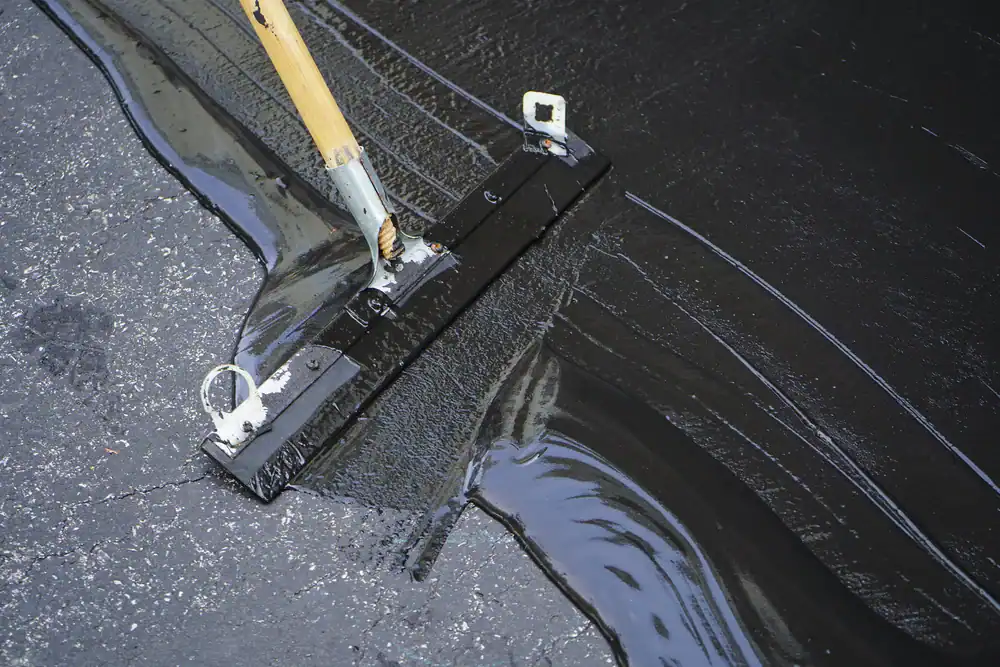
A close-up of a squeegee spreading black sealant over an asphalt driveway, expertly applied by paving contractors in Morris, Sussex & Somerset County, NJ—part of the surface is freshly coated while the rest remains exposed.

Hear from Our Customers

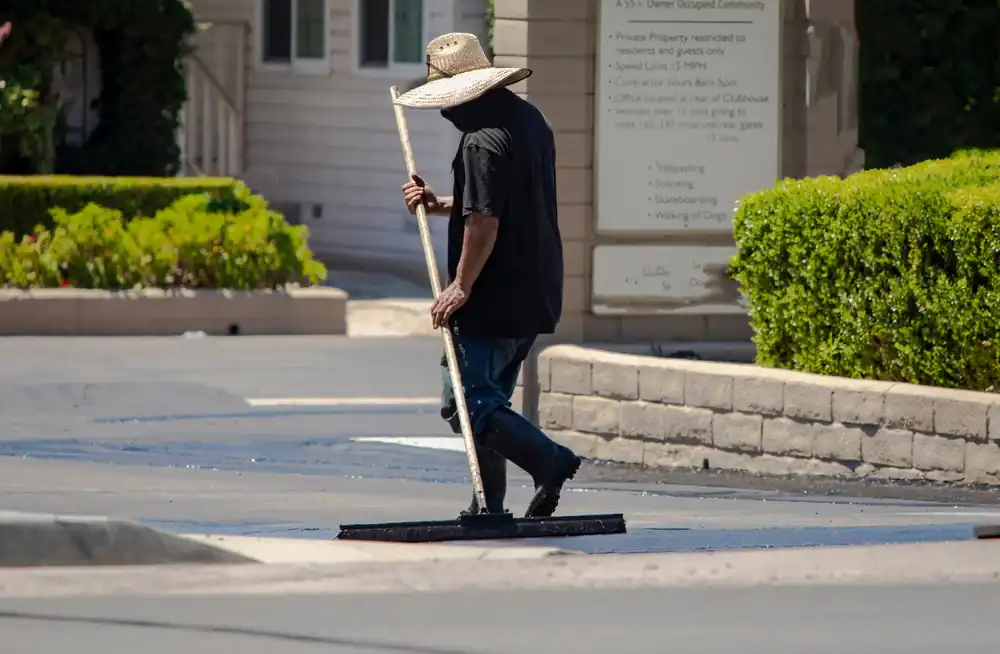
A person in a large straw hat and dark clothes uses a long-handled tool to spread material on a paved surface, likely working for Paving Contractors Morris in NJ. Green bushes and a sign are visible in this Sussex & Somerset County residential area.

Professional Asphalt Contractors Roseland

What You Get When It's Done Right

Your driveway becomes the kind of smooth, professional surface that makes neighbors take notice. No more embarrassing cracks or uneven patches that scream “cheap work.” No more water pooling against your foundation because someone cut corners on drainage.

You get a surface that actually holds up against Roseland’s brutal freeze-thaw cycles. Something that looks as good in year ten as it did on installation day. The kind of asphalt work that protects your property value instead of dragging it down.

Most importantly, you get your time back. No more dealing with patch jobs every few years or hunting for contractors to fix what should have been done right the first time.

Roseland Asphalt Paving Company

Three Generations of Getting It Right

We’ve been handling asphalt projects across Morris County for over 20 years. We’re a third-generation, family-owned business that understands what Roseland homeowners actually need.

We know your property represents a significant investment—with median home values around $667,900 in Roseland, you can’t afford contractors who treat your driveway like a quick cash grab. We also know you’re busy professionals who don’t have time for projects that drag on for weeks or contractors who don’t show up when promised.

That’s why we focus on doing the job right the first time, using proper techniques and materials that actually hold up in New Jersey’s challenging climate.
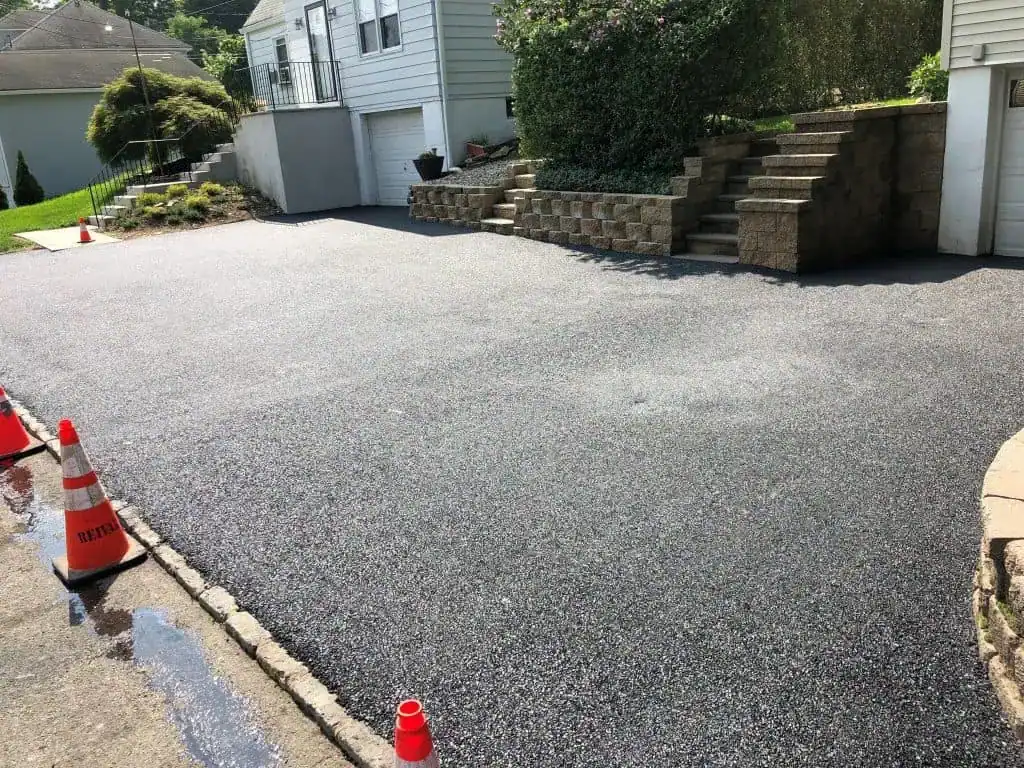
A freshly paved asphalt driveway in front of a house by NJ paving contractors Morris, Sussex & Somerset County is bordered by traffic cones. Stone steps lead to a retaining wall, with shrubs and grass in the background and a wet spot near the curb.

Asphalt Installation Process Roseland

How We Actually Install Your Asphalt

First, we handle the foundation work that most contractors rush through. Proper excavation, grading for drainage, and a solid base of compacted stone. This is where cheap jobs fail—skip the foundation work, and your asphalt will crack within a few years.

Next comes the asphalt installation itself. We use hot-mix asphalt applied at the right temperature and thickness for your specific situation. Not the thin layer that saves money upfront but costs you thousands in repairs later.

Finally, we handle the finishing details. Proper compaction, clean edges, and a final inspection to make sure everything meets our standards. You get a surface that’s ready to handle daily use and New Jersey weather from day one.
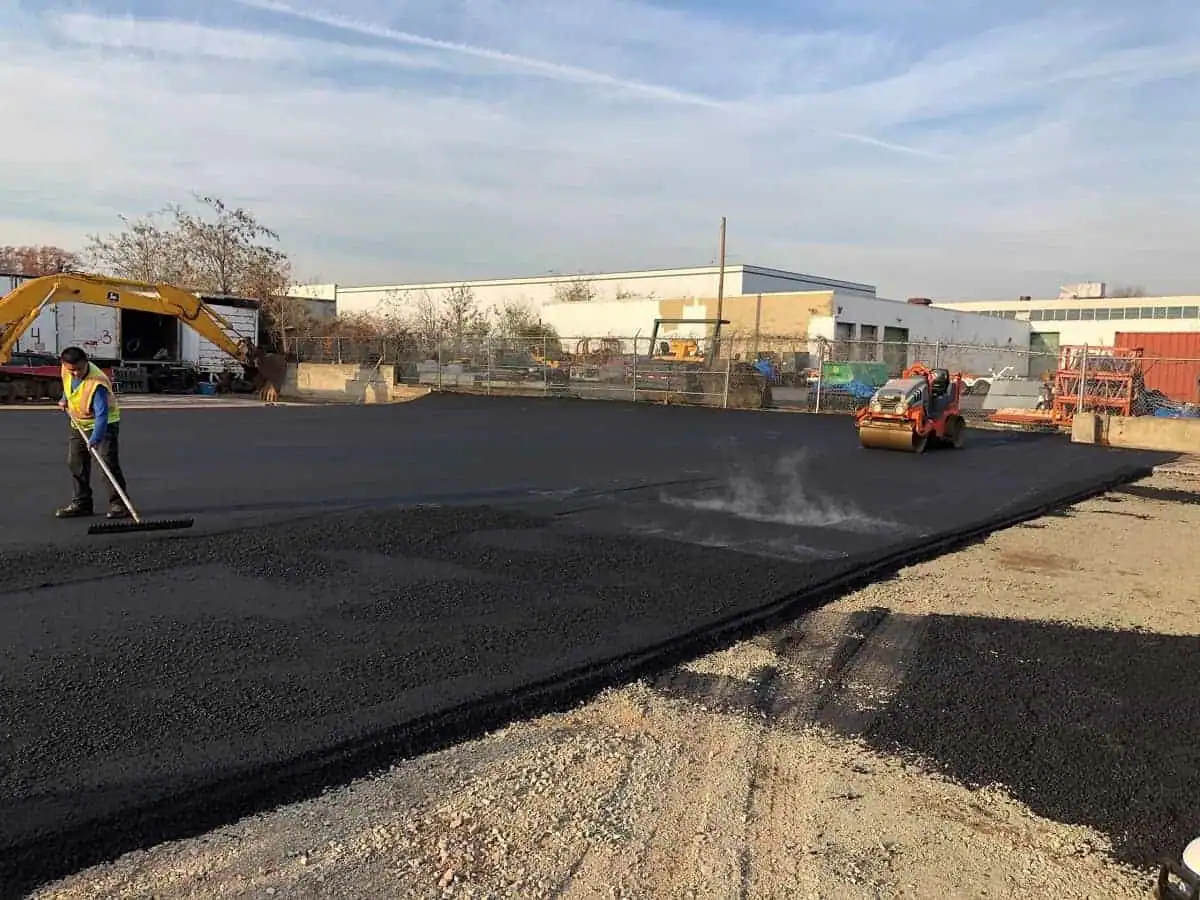
A construction worker spreads asphalt with a rake while another operates a steamroller on a large outdoor site, as Paving Contractors Morris, NJ lay new pavement near industrial buildings under a partly cloudy sky.

Ready to get started?

Explore More Services

About Platinum Paving

Get a Free Consultation

Asphalt Paving Services Roseland NJ

What's Actually Included in Your Project

Every asphalt paving project in Roseland starts with proper site preparation—excavation, grading, and stone base installation. We don’t cut corners on drainage because water is asphalt’s biggest enemy, especially with our freeze-thaw cycles.

You get quality hot-mix asphalt installed at the proper thickness for your traffic needs. Residential driveways get different treatment than commercial parking lots, and we adjust our approach accordingly. We also handle all the details that separate professional work from amateur jobs—clean edges, proper compaction, and connections to existing surfaces.

In Roseland specifically, we pay extra attention to drainage patterns and foundation stability. Many properties here have slopes and grading challenges that require experienced contractors who understand local conditions. We’ve handled everything from steep hillside driveways to complex commercial parking lots throughout Essex County.

A worker in a striped shirt operates a yellow asphalt roller, flattening fresh black asphalt—a service expertly handled by paving contractors in Morris, NJ, Sussex & Somerset County—creating a clear contrast between the new and old pavement.
Properly installed asphalt typically lasts 20-30 years in New Jersey’s climate, but this depends heavily on the quality of installation and maintenance. The key factors are proper foundation preparation, adequate thickness, and good drainage.In Roseland specifically, we see the best longevity from asphalt that’s installed with at least 8-10 inches of compacted stone base and 3+ inches of hot-mix asphalt. Cheaper installations with thin asphalt over poor foundations often start failing within 5-7 years.Regular maintenance like sealcoating every 3-4 years can extend your asphalt’s life significantly, especially given our harsh winters and temperature swings.
Quality asphalt paving in Roseland typically runs $8-12 per square foot, including proper excavation and foundation work. A standard two-car driveway (about 600 square feet) usually costs $4,800-7,200 for complete installation.The wide price range reflects different approaches to the work. Cheaper quotes often skip foundation preparation or use thinner asphalt, which leads to problems within a few years. Higher-end work includes proper excavation, stone base, adequate asphalt thickness, and attention to drainage.Given property values in Roseland, most homeowners find that investing in quality installation pays off through longevity and maintained curb appeal. It’s cheaper to do it right once than to redo cheap work every few years.
New Jersey’s freeze-thaw cycles are particularly hard on asphalt. Water gets into small cracks, freezes and expands, then thaws and contracts. This process gradually breaks down asphalt that wasn’t properly installed or maintained.The key is starting with proper drainage and a stable foundation. Water pooling on or under your asphalt is the fastest way to create problems. We also use asphalt mixes designed for northern climates and install at thicknesses that can handle temperature swings.Summer heat is another factor—thin or poorly compacted asphalt can develop ruts and soft spots during hot weather. Quality installation with proper compaction prevents these issues and keeps your driveway stable year-round.
Most residential driveway paving in Roseland doesn’t require permits if you’re replacing existing asphalt within the same footprint. However, new driveways, expansions, or changes to drainage patterns typically need township approval.Commercial projects and any work that affects stormwater management usually require permits and engineering plans. We handle the permit process for our customers when needed, including coordination with township inspectors.It’s always worth checking with Roseland’s building department before starting work, especially if your project involves changes to grading, drainage, or the size of your paved area. The township can clarify requirements for your specific situation.
Asphalt is generally more cost-effective upfront and handles freeze-thaw cycles better than concrete. It’s also easier to repair—small cracks can be sealed, and sections can be patched without replacing the entire surface.Concrete lasts longer (30-40 years vs 20-30 for asphalt) but costs significantly more upfront and can crack badly during freeze-thaw cycles. Concrete repairs are also more expensive and visible than asphalt repairs.For Roseland’s climate and most homeowners’ budgets, asphalt offers the best combination of durability, appearance, and value. The key is proper installation with adequate thickness and good drainage—cheap asphalt work performs worse than quality concrete, but quality asphalt work outperforms cheap concrete.
You can typically drive on new asphalt within 24-48 hours, depending on weather conditions and asphalt thickness. Hot weather requires longer curing time, while cooler temperatures allow earlier use.We recommend avoiding heavy vehicles or sharp turns for the first week to prevent marking or indentation. The asphalt continues to cure and harden over several months, reaching full strength after about 6-12 months.During the first few days, avoid parking in the same spot repeatedly and be careful with motorcycle kickstands or trailer jacks that concentrate weight in small areas. Normal passenger car traffic is fine once the surface has cooled and set properly.