
Hear from Our Customers
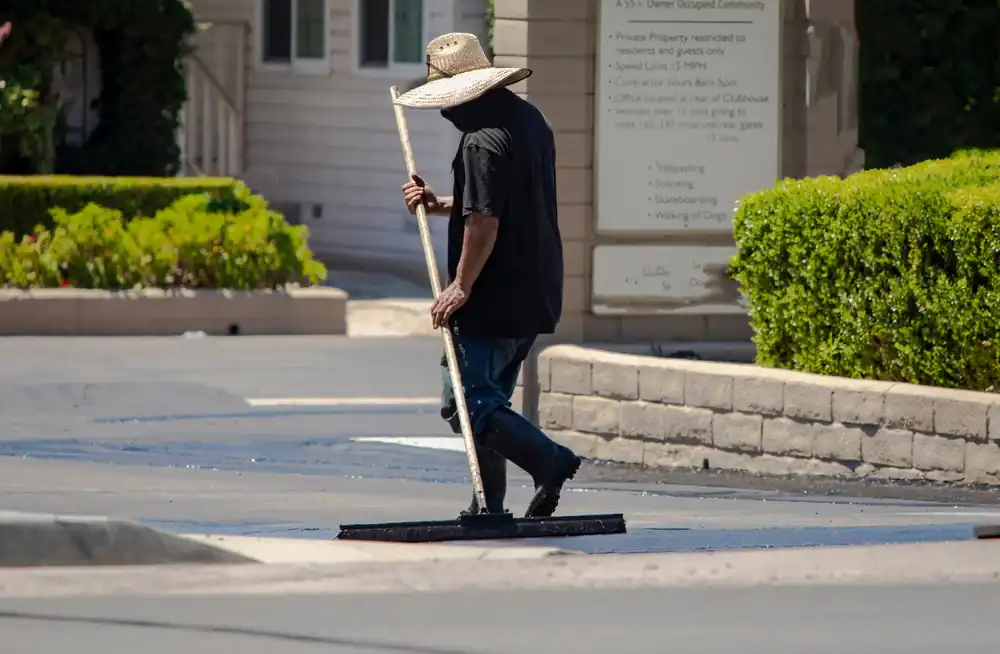
You’re looking at a driveway that won’t embarrass you in front of the neighbors. No more dodging potholes or explaining away those cracks that seem to grow overnight.
The right asphalt work means your property looks intentional and well-maintained. It means guests aren’t questioning your attention to detail before they even reach your front door.
When you invest in quality paving, you’re investing in fewer headaches down the road. Proper installation means fewer repairs, better drainage, and surfaces that actually hold up to what Newton Heights weather throws at them.
We’ve been handling asphalt projects throughout Newton Heights and the surrounding areas for years. We understand how the local soil conditions affect base preparation and how New Jersey’s freeze-thaw cycles impact long-term durability.
You’re not getting a crew that learned about your area from Google Maps. We know which neighborhoods have drainage challenges and which properties need extra attention during the base preparation phase.
Our approach is straightforward: proper materials, correct installation methods, and realistic timelines. No surprises, no shortcuts, and no wondering if the job was done right.
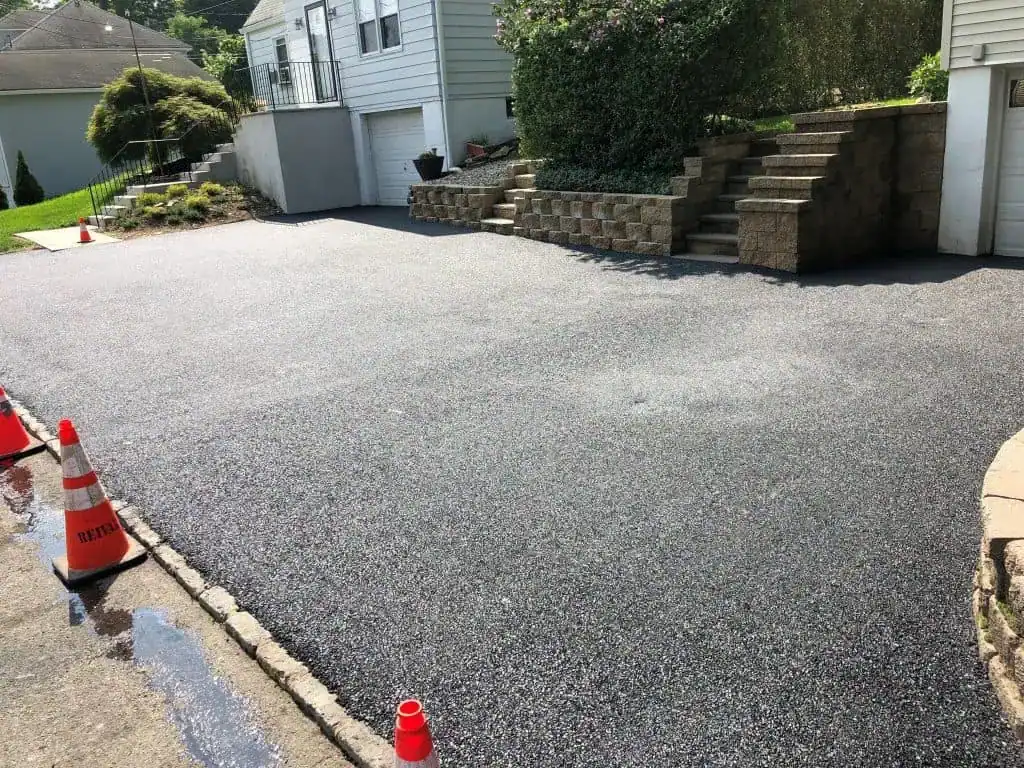
First, we evaluate your existing surface and drainage situation. This isn’t a five-minute walkthrough – we’re looking at base conditions, water flow patterns, and any underlying issues that need addressing before we lay new asphalt.
Next comes proper preparation. We remove old materials if necessary, grade the base correctly, and ensure proper compaction. This step determines whether your new asphalt lasts five years or twenty years.
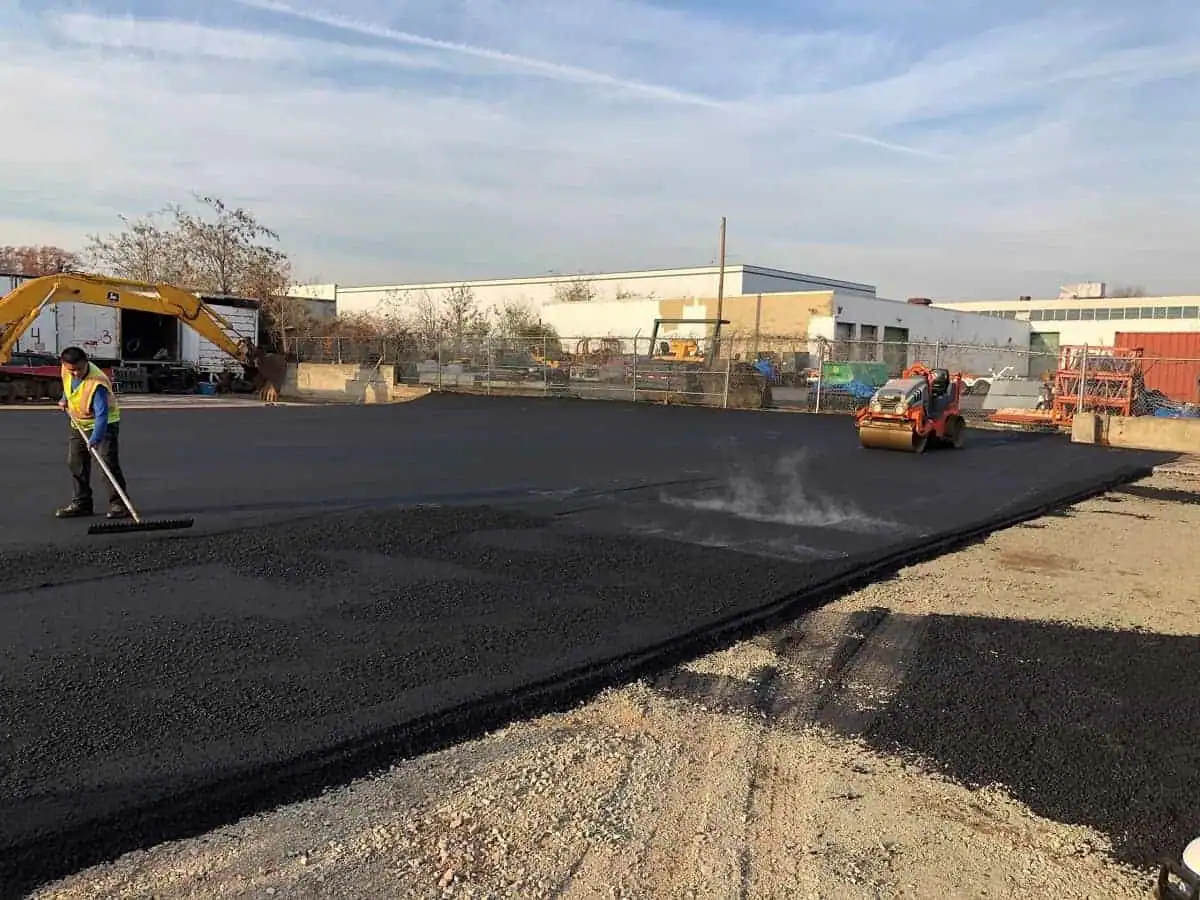
Then we install your new asphalt using the right temperature materials and proper compaction techniques. We’re not rushing to the next job – we’re making sure your surface cures correctly and meets the standards you’re paying for.
Ready to get started?
Your asphalt paving project includes proper site preparation, quality materials suited for New Jersey weather conditions, and installation that follows industry best practices. We handle everything from initial grading to final cleanup.
Newton Heights properties often deal with specific drainage challenges due to the area’s topography. We factor in proper slope and drainage solutions to prevent water pooling that can damage your new asphalt over time.
You’ll also get realistic timelines based on weather conditions and project scope. We don’t promise unrealistic completion dates just to win the job – we give you accurate expectations so you can plan accordingly.

Most residential driveway projects in Newton Heights take 1-2 days, depending on size and site conditions. Day one typically involves excavation and base preparation, while day two focuses on asphalt installation and finishing work.
Weather plays a significant role in timing. We won’t install asphalt if temperatures are too cold or if rain is expected within 24 hours of completion. This might extend your timeline slightly, but it ensures proper curing and long-term durability.
Larger commercial projects or those requiring extensive base work may take 3-5 days. We’ll give you a realistic timeline during our initial site evaluation.
Repairs work when you’re dealing with isolated cracks or small potholes on otherwise solid asphalt. If more than 30% of your surface shows significant damage, or if the base has failed, replacement usually makes more financial sense.
In Newton Heights, we often see damage patterns related to freeze-thaw cycles and poor drainage. Surface repairs on a failing base are essentially throwing money away – the problems will return within a year or two.
During our evaluation, we’ll show you exactly what we’re seeing and explain why we’re recommending repair versus replacement. No upselling, just honest assessment based on what will actually solve your problem long-term.
Look for contractors who provide detailed written estimates, carry proper insurance, and can show you recent local work. Reliable contractors explain their process clearly and don’t pressure you into immediate decisions.
Red flags include door-to-door solicitation, cash-only payment requests, and prices that seem too good to be true. Quality asphalt work requires proper materials and equipment – legitimate contractors price accordingly.
Ask about their base preparation methods and material sources. Contractors who skip steps or use substandard materials might offer lower prices, but you’ll pay more in repairs and premature replacement down the road.
Late spring through early fall offers the best conditions for asphalt paving in Newton Heights. We need consistent temperatures above 50 degrees and dry conditions for proper installation and curing.
Summer months are ideal because the asphalt stays workable longer and cures more completely. However, spring and fall installations work well too, as long as weather conditions cooperate.
Winter paving is possible but not recommended except for emergency repairs. Cold weather affects material workability and curing, which can compromise long-term performance. We’d rather schedule your project for optimal conditions than rush it during poor weather.
Residential driveway paving typically ranges from $3-7 per square foot, depending on site conditions, base requirements, and project complexity. Properties requiring extensive excavation or drainage work will cost more than simple overlay projects.
Newton Heights properties with challenging access or significant grading needs may see higher costs due to additional labor and equipment requirements. We factor in all site-specific conditions when providing estimates.
The lowest bid isn’t always the best value. Quality materials, proper base preparation, and experienced installation cost more upfront but save money through longer service life and fewer repairs. We provide detailed estimates so you understand exactly what you’re paying for.
Properly installed asphalt handles New Jersey winters well, but installation quality makes all the difference. Correct base preparation, proper drainage, and quality materials are essential for freeze-thaw durability.
We use asphalt mixes formulated for Northeast climate conditions and ensure proper compaction to minimize water infiltration. Water that freezes in cracks or beneath the surface causes most winter damage to asphalt.
Your new asphalt will need time to cure fully before facing its first winter. Spring and summer installations have months to strengthen before cold weather arrives, while late fall installations may be more vulnerable to early freeze damage.