
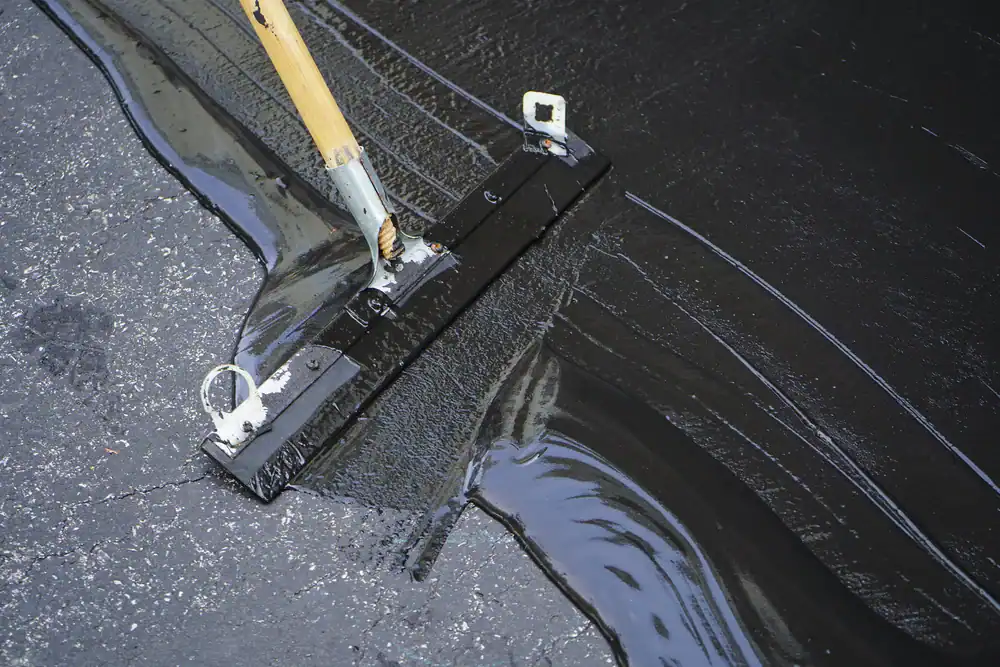
Hear from Our Customers
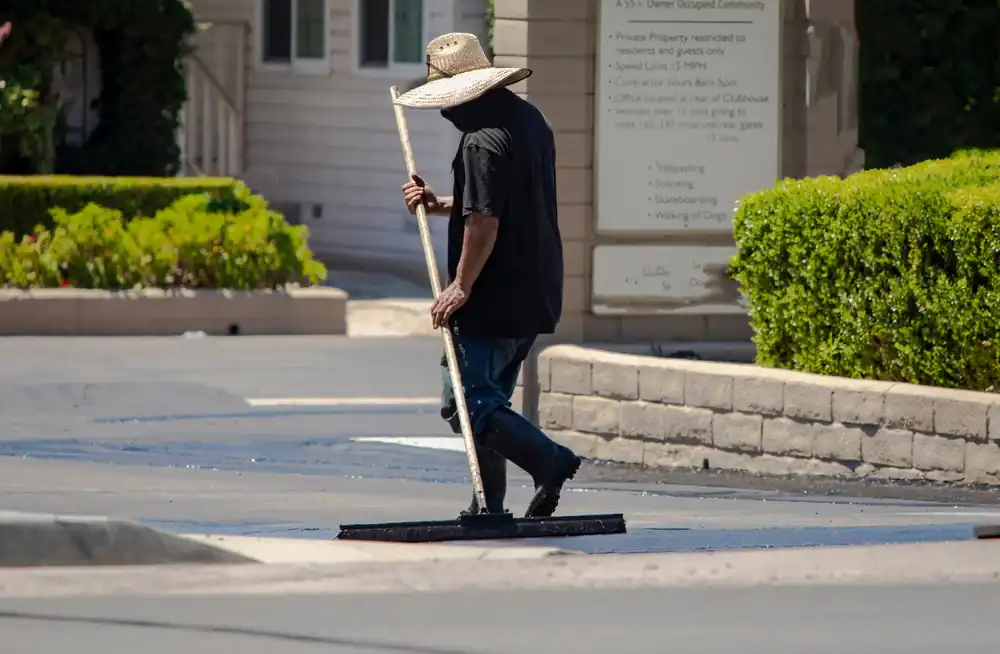
You get a smooth, durable surface that handles whatever New Jersey weather throws at it. No more dodging potholes in your own driveway or watching cracks spread after every winter.
Your property value goes up. Your daily frustration goes down. And you stop worrying about whether your contractor actually knows what they’re doing.
Quality asphalt installation means proper drainage, the right base preparation, and materials that work in our climate. Not the shortcuts that leave you calling for repairs six months later.
We’ve been serving Morris and Somerset County residents who understand that your driveway isn’t just pavement—it’s part of your home investment.
We know Maurer’s quiet residential streets, the way water moves through this area, and what happens to asphalt when it’s not installed correctly for New Jersey’s climate. We’ve seen the damage from fly-by-night crews and the headaches they leave behind.
When you’re dealing with rising home values in Perth Amboy and want to protect that investment, you need contractors who will still be here when you call.
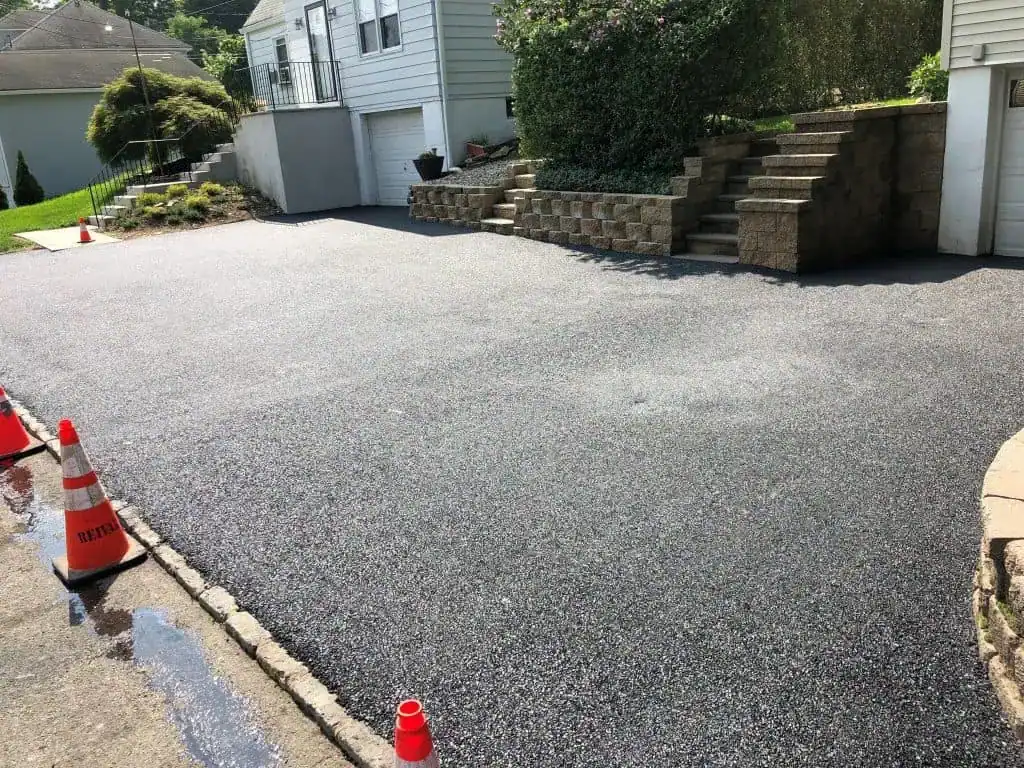
We start with the foundation—literally. Proper excavation and base preparation matter more than most people realize, especially with New Jersey’s freeze-thaw cycles.
Next comes grading and drainage. Water sitting on your asphalt is a fast track to cracks and potholes. We make sure water moves away from your pavement, not into it.
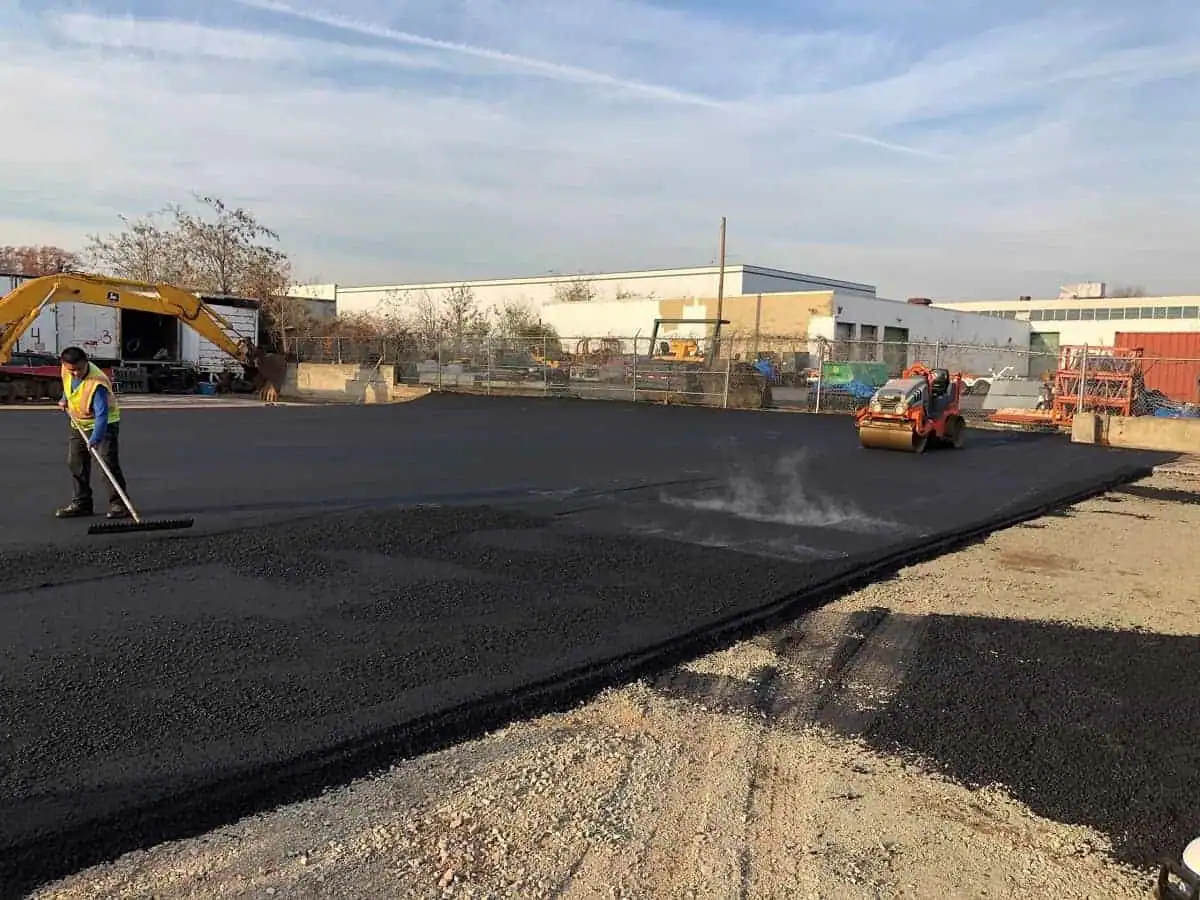
Then we install the asphalt at the right temperature, with the right thickness, using equipment that compacts it properly. No rushing. No shortcuts. Just the kind of installation that holds up year after year.
We finish with clean edges and proper curing time before you drive on it.
Ready to get started?
Every asphalt paving project includes complete site preparation, proper base installation, and professional-grade hot mix asphalt designed for New Jersey conditions.
In Maurer’s residential setting, we handle everything from small driveway replacements to larger parking areas. Each project gets the same attention to drainage, compaction, and finishing details that make the difference between pavement that lasts and pavement that fails.
We use asphalt mixes specifically chosen for our local climate—materials that can handle the temperature swings from summer heat to winter freezing without cracking or deteriorating prematurely.
You also get clear timelines, transparent pricing, and the kind of cleanup that leaves your property looking better than when we started.

Quality asphalt installation typically lasts 15-20 years in New Jersey, but that depends entirely on proper installation and maintenance. The key factors are correct base preparation, appropriate asphalt thickness, and proper drainage.
New Jersey’s freeze-thaw cycles are particularly hard on asphalt that wasn’t installed correctly. Water gets into small cracks, freezes, expands, and creates bigger problems. With proper installation and regular sealcoating every 2-3 years, you can expect decades of reliable performance.
The contractors who promise 30-year lifespans are usually selling you something. The ones who can’t explain how they handle drainage and compaction probably don’t know what they’re doing.
Late spring through early fall gives you the best conditions for asphalt installation in New Jersey. We need air temperatures consistently above 50 degrees and dry conditions for proper curing.
Summer is ideal because hot mix asphalt stays workable longer, giving us more time for proper compaction. But early fall works well too, as long as we’re not racing against the first freeze.
Winter paving is possible for emergency repairs, but it’s not ideal for major installations. The asphalt cools too quickly, making proper compaction difficult. Spring can work once the ground thaws completely, but you’re often dealing with wet conditions that complicate the process.
Drainage is critical in New Jersey because standing water destroys asphalt. We start by evaluating how water currently moves across your property and where it needs to go.
During excavation, we grade the base to direct water away from the pavement and toward appropriate drainage areas. Sometimes that means installing catch basins or French drains. Sometimes it’s as simple as adjusting the slope.
The goal is making sure water never pools on your asphalt surface. Water that sits on pavement seeps into small cracks, and when it freezes, it turns those small cracks into big problems. Proper drainage isn’t optional—it’s the foundation of long-lasting asphalt.
Asphalt paving costs depend on several factors: the size of the area, thickness required, current surface conditions, and any drainage work needed. A typical residential driveway in Maurer might range from $3-7 per square foot, but that’s just a starting point.
If we need to remove existing pavement, add drainage, or deal with poor soil conditions, costs go up. If you have good access and straightforward conditions, costs stay on the lower end.
We provide detailed written estimates that break down exactly what you’re paying for. No surprises, no “extras” that suddenly appear. The contractors who give you vague estimates or ask for large deposits upfront are the ones you should avoid.
New Jersey sees a lot of traveling paving crews every spring and summer—guys with out-of-state plates, temporary phone numbers, and stories about “leftover asphalt.” These are almost always scams.
Legitimate contractors have local addresses, proper licenses, and insurance you can verify. They provide written estimates, not pressure tactics. They don’t ask for large payments upfront or claim they need to start “today only.”
If someone knocks on your door offering paving services, that’s already a red flag. Professional contractors don’t need to go door-to-door. Get multiple estimates, check references, and never pay the full amount until the work is complete and you’re satisfied.
New asphalt needs sealcoating every 2-3 years to protect against water infiltration and UV damage. This is especially important in New Jersey because of our freeze-thaw cycles.
You should also fill any cracks as soon as they appear—small cracks become big problems when water gets in and freezes. Keep the surface clean and avoid parking heavy vehicles in the same spot repeatedly.
Winter maintenance includes prompt snow removal and being careful with deicing products. Some ice melts can damage asphalt over time. Regular maintenance isn’t expensive, but ignoring it definitely is.