
Hear from Our Customers
You pull into a smooth driveway instead of navigating cracked concrete. Water drains away from your foundation instead of pooling against your house. Your property looks professional when clients visit instead of embarrassing you with uneven surfaces.
Quality asphalt paving transforms how your Lower Berkshire Valley property functions. The right materials flex with temperature changes without cracking. Proper installation means fewer repairs and decades of reliable performance.
Your driveway becomes an asset that adds value to your home. No more worrying about damage to your vehicles or safety hazards for visitors walking to your door.
We understand what works in Lower Berkshire Valley. We’ve seen how improper drainage ruins driveways when spring thaw hits. We know which materials handle our temperature swings without developing alligator cracking.
Our crews factor in local conditions for every project. That means proper slope for water runoff and base preparation that won’t shift when the ground freezes. We use asphalt mixes designed for New Jersey’s climate, not generic materials that fail after two winters.
Lower Berkshire Valley properties deserve paving that lasts. We deliver installations that protect your investment and handle everything from heavy snowfall to summer heat without breaking down.
We start by assessing your existing surface and drainage patterns. If there are underlying problems, we address them before laying new asphalt. No shortcuts that hide issues temporarily.
Next comes excavation and base preparation. We remove old, damaged material and install a properly compacted stone base. This foundation prevents settling and cracking later. The base gets graded for optimal water flow away from your home.
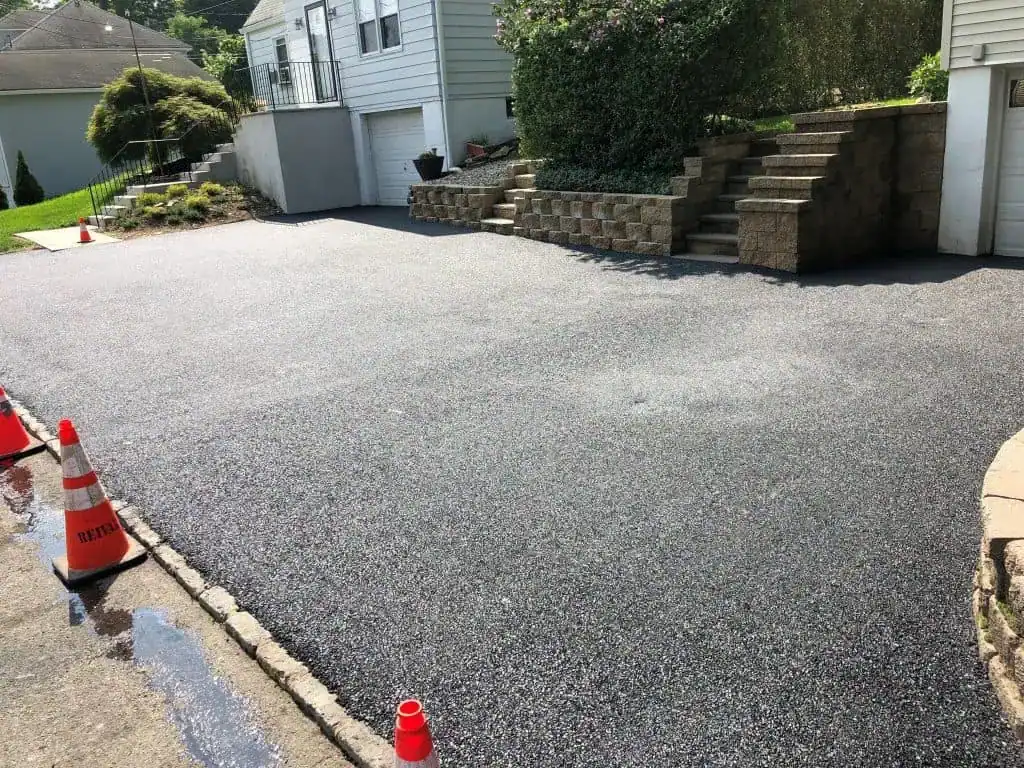
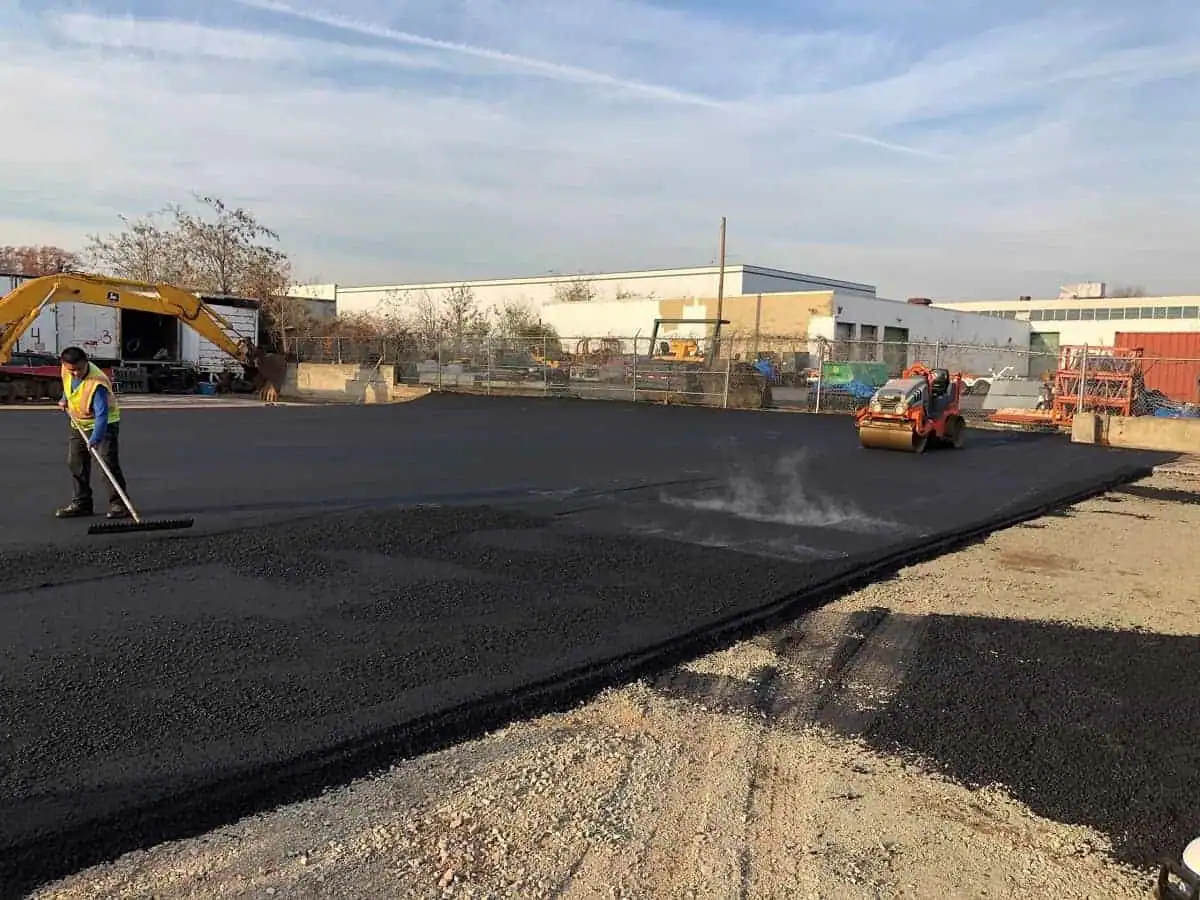
Then we apply the asphalt using commercial-grade equipment. Hot mix asphalt gets laid in the right thickness for your specific use – whether that’s a residential driveway or commercial parking area. We compact everything properly while the material is still workable.
Final step is cleanup and curing instructions. You’ll need to stay off the new surface for 24-48 hours, but after that you have a driveway built to handle Lower Berkshire Valley weather for decades.
Ready to get started?
Every asphalt paving project includes proper site preparation, quality materials, and professional installation. We don’t cut corners on base preparation because that’s what determines how long your pavement lasts.
You get materials specifically chosen for Morris County conditions. Our asphalt mixes handle freeze-thaw cycles without developing cracks. The stone base is sized and compacted to prevent settling even when the ground shifts seasonally.
Lower Berkshire Valley’s location near Berkshire Valley Road means we understand local drainage challenges. Properties here need careful grading to manage water flow, especially during spring runoff. We factor this into every installation.
Our service includes cleanup and maintenance guidance. You’ll know exactly when to schedule sealcoating and how to handle minor issues before they become major problems. We’re not just installing pavement – we’re protecting your property investment.

Most residential driveways take one to two days from start to finish, depending on size and preparation needed. Commercial parking lots vary based on square footage and complexity.
Weather plays a role since we can’t pave in rain or when temperatures drop too low. We’ll give you a realistic timeline during the estimate and keep you updated if conditions cause delays.
The actual paving happens quickly once preparation is complete, but you’ll need to stay off the new asphalt for 24-48 hours to let it cure properly.
Sometimes, but it depends on the condition of the existing surface. If your current driveway has minor cracks and is structurally sound, an overlay might work.
But if there are major cracks, settling, or drainage issues, we’ll need to remove the old surface and start fresh. Paving over problems just hides them temporarily – they’ll come back worse later.
We’ll assess your situation honestly and recommend the approach that gives you the best long-term results, even if it means more work upfront.
Spring through fall offers the best conditions for asphalt paving in New Jersey. We need temperatures above 50 degrees and dry conditions for proper installation and curing.
Late spring and early fall are ideal because temperatures are moderate and rain is less frequent. Summer works too, though extremely hot days can make the work more challenging.
Winter paving is possible but limited. Cold temperatures make asphalt harder to work with and slower to cure properly.
New asphalt needs time to fully cure, so avoid heavy loads and sharp turns for the first few weeks. After that, basic maintenance keeps it looking good and lasting longer.
Sealcoating every 2-3 years protects against weather and extends life. Clean up oil spills quickly since petroleum products can soften asphalt.
Fill small cracks before they become big problems, and keep drainage areas clear so water doesn’t pool. We’ll give you specific care instructions when your project is complete, including when to schedule your first sealcoating.
We focus on doing the job right the first time, not just doing it fast. That means proper base preparation, quality materials, and installation techniques that work in New Jersey’s climate.
We’ve seen too many driveways fail because contractors skipped steps or used cheap materials. Our approach costs a bit more upfront but saves you money long-term through fewer repairs and longer life.
You get honest assessments of what your property needs. If your existing driveway can be repaired instead of replaced, we’ll tell you. If it needs complete removal, we’ll explain why.
Costs depend on the area size, chosen material, site preparation needed, project complexity, and location accessibility. Every property is different, so we provide detailed quotes outlining these factors.
Proper installation costs more than shortcuts, but it’s worth it. Quality base preparation and materials designed for New Jersey weather mean your pavement lasts decades instead of needing replacement in a few years.
We provide transparent pricing with no hidden fees. You’ll know exactly what’s included and why each step is necessary for a durable result.