
Hear from Our Customers
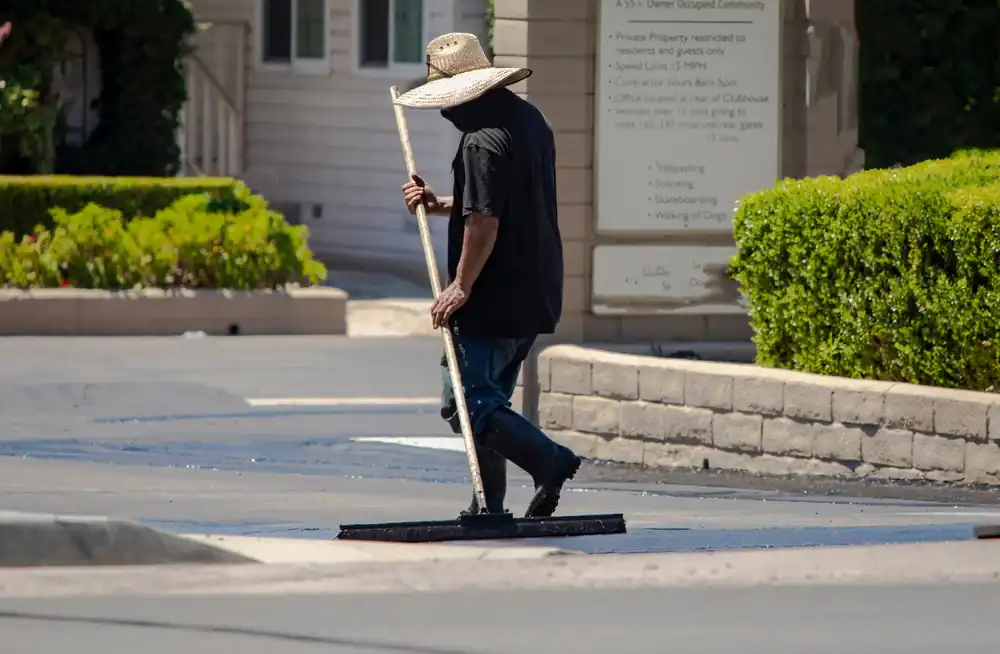
Your driveway or parking lot becomes an asset, not a headache. No more worrying about cracks appearing after the first winter or water pooling because someone skipped proper drainage.
You get pavement that handles Hillside’s freeze-thaw cycles without falling apart. Materials chosen specifically for New Jersey weather. Installation done right the first time.
Most importantly, you get peace of mind. When we finish your project, you can stop thinking about your pavement and focus on everything else that matters.
Platinum Paving has been handling asphalt projects throughout Hillside, understanding exactly what this area demands from pavement. We know the soil conditions, the drainage challenges, and how winter weather tests every installation.
We’re not the cheapest option – and that’s intentional. You’re investing in proper excavation, quality base materials, and installation techniques that actually work in New Jersey’s climate.
Local property owners choose us because we show up when scheduled, finish projects on time, and stand behind our work with real accountability.
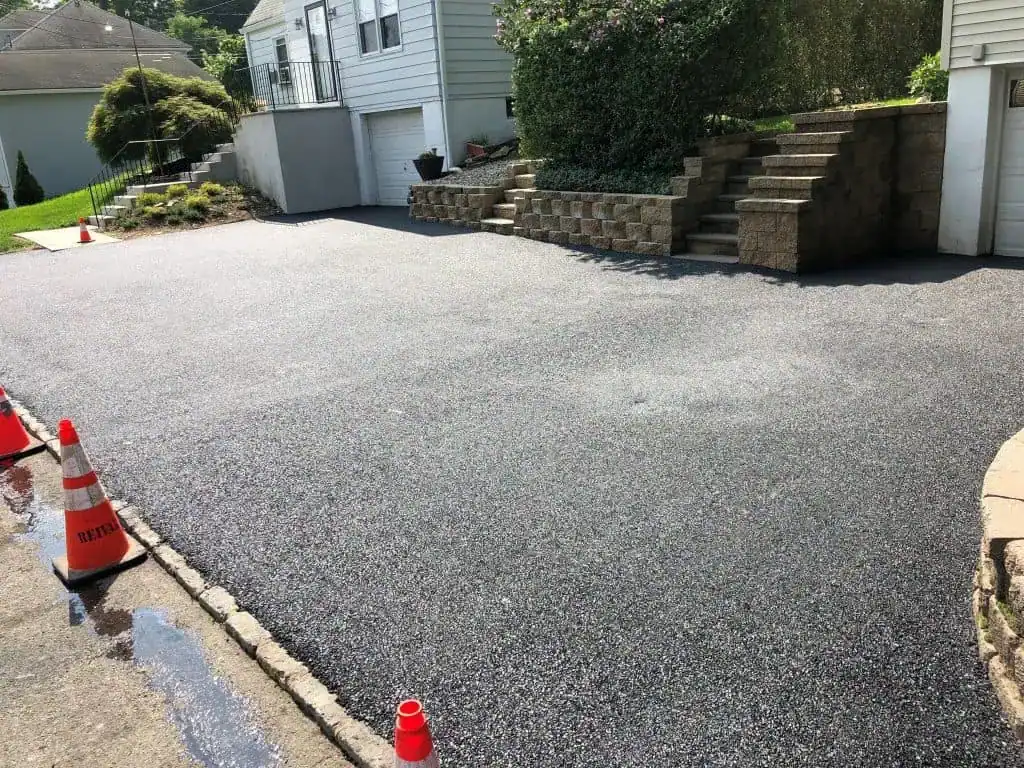
First, we assess your site conditions and drainage needs. Every Hillside property is different, and cookie-cutter approaches fail here. We measure, evaluate soil stability, and plan proper water management.
Next comes excavation and base preparation. This foundation work determines whether your asphalt lasts two years or twenty years. We remove unsuitable materials, install proper base stone, and compact everything to engineering standards.
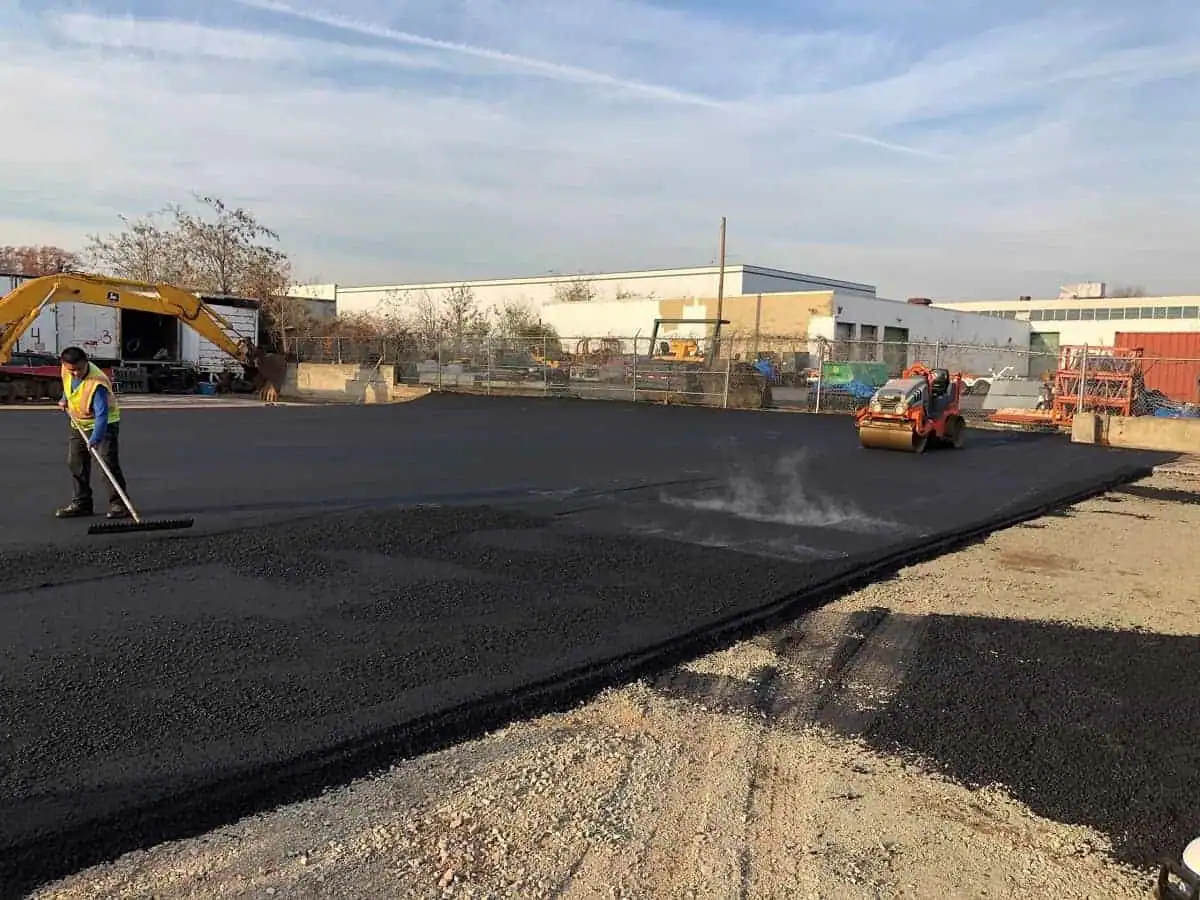
Finally, we install the asphalt using the right mix design for local conditions. Proper temperature control, correct compaction patterns, and attention to drainage details. When we’re finished, you have pavement built to handle whatever Hillside weather throws at it.
Ready to get started?
Every asphalt paving project includes complete site preparation, proper drainage solutions, and quality materials designed for New Jersey’s climate. We handle excavation, base stone installation, and professional asphalt placement using proven techniques.
In Hillside specifically, we account for the area’s soil conditions and drainage patterns. Many local properties require special attention to water management because of the terrain and existing infrastructure.
You also get transparent communication throughout the project. No surprises, no hidden costs, no wondering what’s happening next. We explain what we’re doing and why, so you understand exactly what you’re getting for your investment.

Most residential driveways take 1-2 days from start to finish, while commercial parking lots typically require 2-5 days depending on size and complexity. Weather plays a role – we won’t install asphalt in rain or when temperatures drop below 50 degrees.
The timeline includes excavation, base preparation, and asphalt installation. We schedule projects to minimize disruption to your daily routine and always communicate any delays immediately.
For Hillside properties with drainage challenges or soil issues, we might need an extra day for proper foundation work. This upfront investment prevents future problems and ensures long-term durability.
Proper installation matters more than anything else. The asphalt mix design, base preparation, and drainage solutions determine how well your pavement handles freeze-thaw cycles and heavy precipitation.
We use asphalt mixes specifically formulated for New Jersey’s climate, with the right aggregate gradation and binder content. The base must be properly compacted and well-draining to prevent frost heave and settling.
Most asphalt failures happen because contractors skip foundation work or use inadequate materials. When installation is done correctly with quality materials, asphalt easily lasts 15-20 years in this climate with basic maintenance.
Residential driveway paving typically ranges from $3-7 per square foot depending on site conditions, thickness requirements, and access challenges. Commercial projects vary based on size, traffic requirements, and site complexity.
The final cost depends on excavation needs, base stone requirements, and asphalt thickness. Properties with drainage issues or poor soil conditions require additional foundation work, which increases the investment but ensures long-term performance.
We provide detailed written estimates that break down all costs upfront. No hidden fees, no surprise charges after work begins. You know exactly what you’re paying for and why each component is necessary.
Yes, we handle everything from minor crack sealing to complete surface restoration. Early intervention prevents small problems from becoming expensive replacements, so we recommend addressing issues as soon as they appear.
Common repair services include crack filling, pothole patching, seal coating, and drainage improvements. For older asphalt showing widespread deterioration, overlay or complete replacement might be more cost-effective than ongoing repairs.
We assess each situation honestly and recommend the most practical solution. Sometimes a $200 crack sealing job prevents a $3,000 replacement project. We’d rather maintain long-term customer relationships than oversell unnecessary work.
Asphalt and blacktop are essentially the same material – a mixture of aggregate (stone and sand) bound together with bitumen. The terms are often used interchangeably, though “blacktop” typically refers to residential applications while “asphalt” covers both residential and commercial projects.
What matters more than terminology is the specific mix design, installation quality, and base preparation. Different applications require different aggregate sizes, binder contents, and compaction specifications.
For Hillside properties, we select the appropriate mix design based on expected traffic loads, climate exposure, and site conditions. Whether you call it asphalt or blacktop, proper installation techniques remain the same.
Late spring through early fall provides ideal conditions for asphalt installation in New Jersey. We need consistent temperatures above 50 degrees and dry weather for proper compaction and curing.
Summer offers the most reliable weather windows, but spring and fall can work well too. We avoid winter installations because cold temperatures prevent proper compaction and bonding.
Planning ahead helps secure better scheduling and sometimes better pricing. Spring bookings fill up quickly as property owners address winter damage, so contacting us in late winter or early spring ensures availability during optimal installation weather.