
Hear from Our Customers
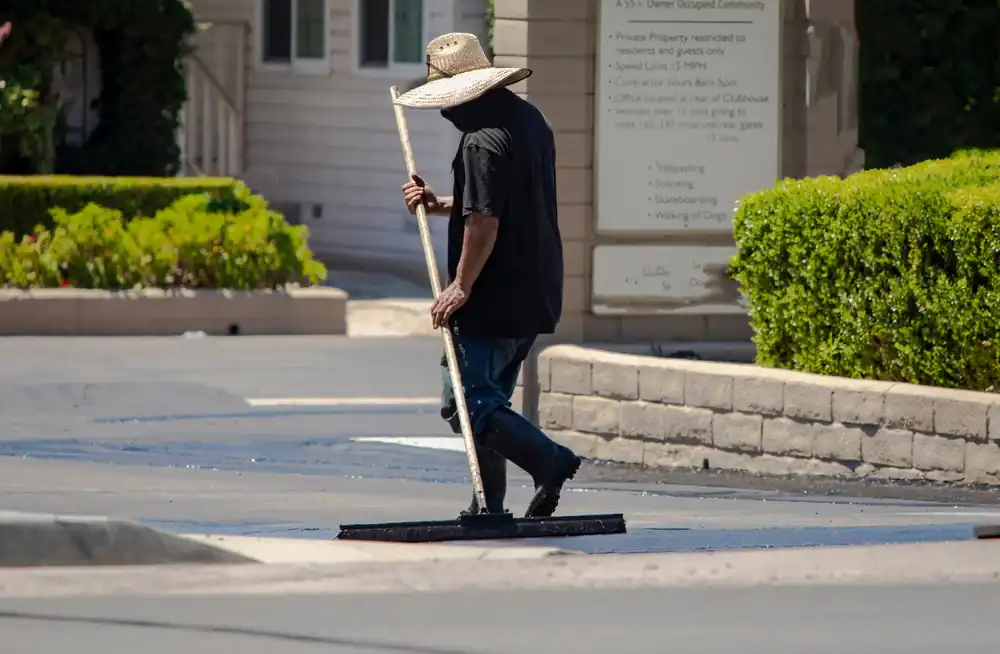
Your driveway becomes an asset, not a headache. No more dodging potholes or watching cracks spread every winter. No more water pooling near your foundation or ice patches that make you nervous.
Quality asphalt paving means you pull into a smooth, professional-looking driveway that adds value to your property. Your neighbors notice. Potential buyers notice. And you stop worrying about expensive repairs every few years.
The right contractor uses proper materials, follows proven installation methods, and understands how New Jersey’s freeze-thaw cycles affect pavement. You get years of reliable use instead of constant maintenance calls.
Platinum Paving has been serving Bound Brook and Central New Jersey for years, handling everything from residential driveways to commercial parking lots. We understand local soil conditions, drainage requirements, and how our weather affects asphalt performance.
We’ve paved driveways in every neighborhood around Bound Brook. We know which materials work best here and which shortcuts other contractors take that cause problems later.
When you work with local contractors, you get people who care about their reputation in the community. You’re not just another job number—you’re a neighbor whose satisfaction affects our business for years to come.
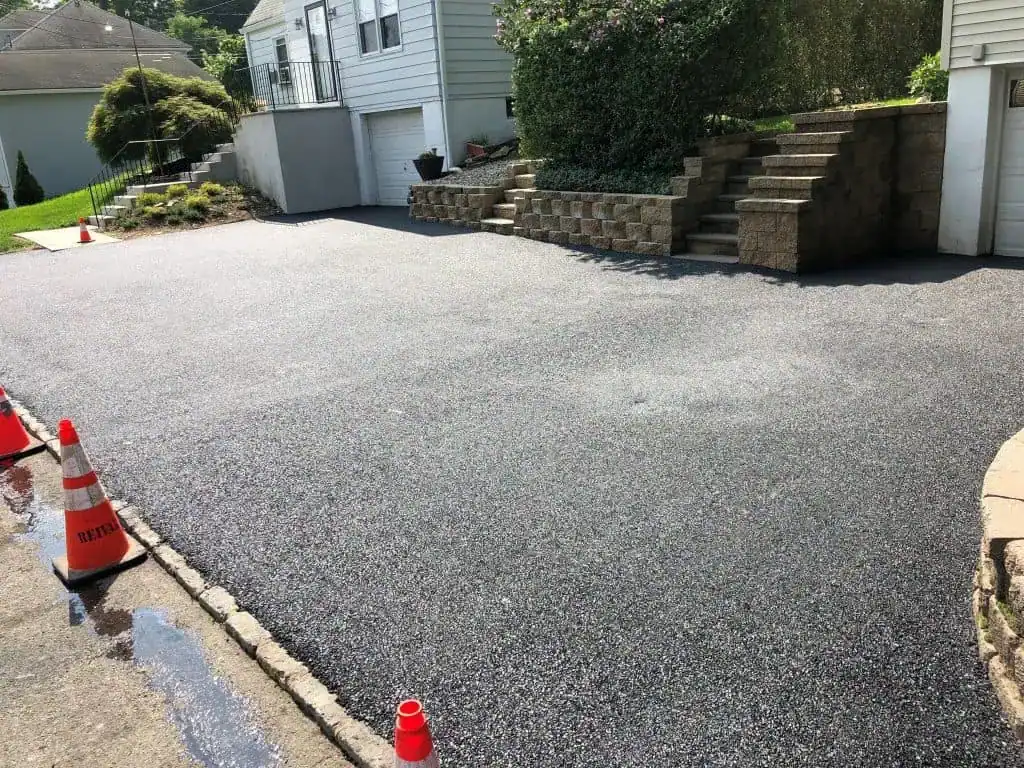
First, the existing surface gets properly prepared. This means removing old asphalt or concrete, grading the base, and ensuring proper drainage. Shortcuts here cause problems later, so this step takes time.
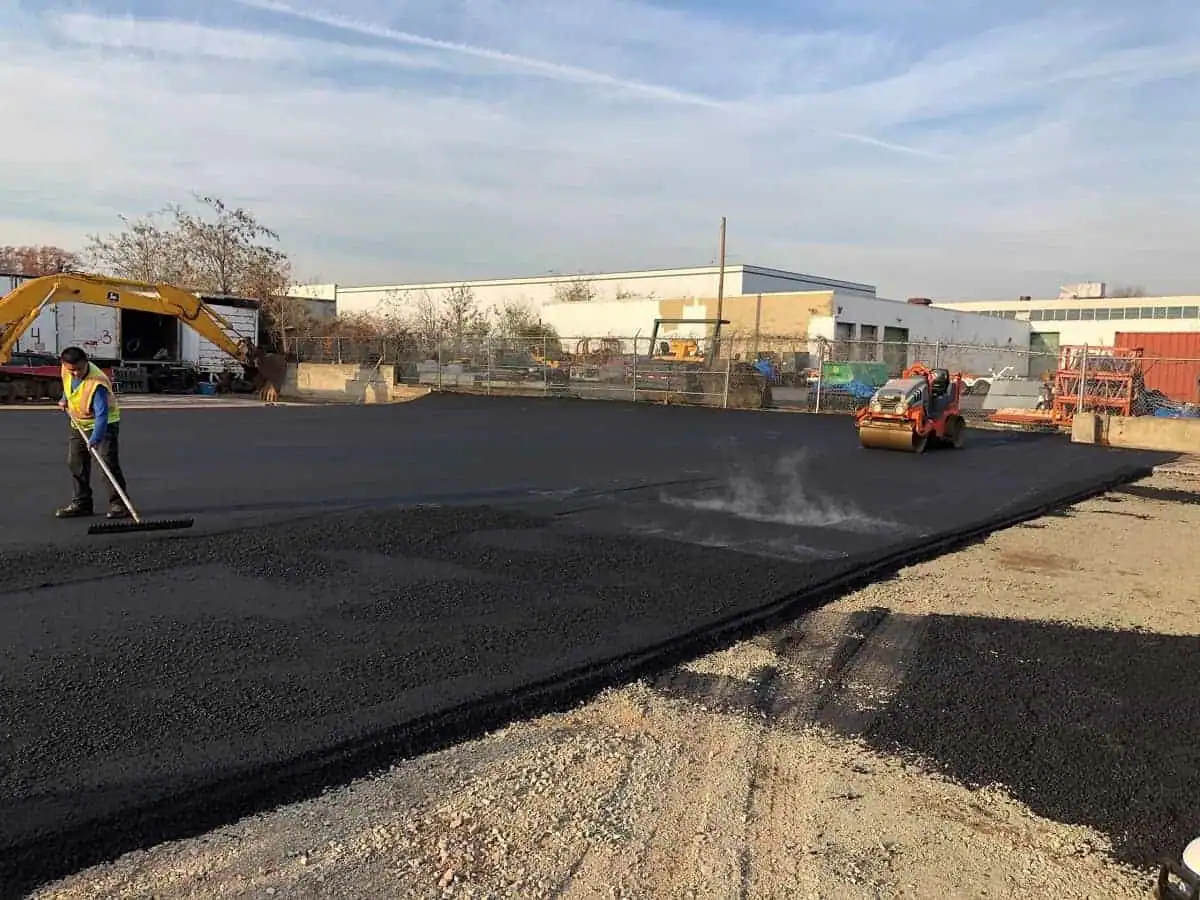
Next comes the base layer—crushed stone that gets compacted to create a stable foundation. The thickness depends on your specific soil conditions and expected traffic load. Then the asphalt gets applied at the right temperature and compacted while it’s still workable.
Finally, the edges get sealed and the surface needs time to cure before heavy use. Most driveways are ready for light traffic within 24 hours, but full curing takes several days. You’ll know exactly what to expect and when you can use your new driveway normally.
Ready to get started?
Every asphalt paving project includes proper site preparation, quality materials designed for New Jersey weather, and professional installation using commercial-grade equipment. You get proper drainage solutions to prevent water damage and ice formation.
Bound Brook properties face unique challenges with soil conditions and winter weather. Our service includes addressing these local factors—proper base preparation for clay soils, drainage solutions for areas prone to water collection, and material selection that handles freeze-thaw cycles.
Whether you need a new driveway, parking lot repair, or complete surface replacement, you get the same attention to detail and quality materials. Our goal is creating pavement that looks professional and performs reliably for years, not just getting through the next season.

Most residential driveways take 1-2 days to complete, depending on size and complexity. Day one involves site preparation, base work, and asphalt installation. Day two handles final grading, edge work, and cleanup.
Weather affects timing—asphalt needs to be installed at proper temperatures, so extreme heat or cold can delay the project. Rain also stops work since moisture affects asphalt quality.
You can typically drive on new asphalt within 24 hours for light vehicles, but heavy trucks should wait 3-5 days. Full curing takes about 30 days, during which the surface gradually hardens to its final strength.
Proper base preparation is crucial—New Jersey’s clay soils expand and contract with moisture changes, so the crushed stone base needs adequate thickness and compaction. Skimping on base work causes premature cracking.
Material selection matters too. Hot mix asphalt designed for northern climates handles freeze-thaw cycles better than cheaper alternatives. The asphalt needs proper oil content to remain flexible in cold weather while staying stable in summer heat.
Drainage is the third critical factor. Water under the pavement causes the most damage, especially when it freezes. Proper grading and edge sealing keep water from penetrating the surface and undermining the base.
Residential driveway paving typically costs $3-7 per square foot, depending on site conditions, thickness requirements, and access difficulty. A standard two-car driveway runs $2,500-5,000 including proper base preparation.
Factors affecting cost include existing surface removal, drainage improvements, and base thickness needed for your soil type. Properties with poor drainage or unstable soil require more prep work, which increases the investment.
The cheapest bid usually means shortcuts somewhere—thinner asphalt, inadequate base prep, or lower-grade materials. Quality paving costs more upfront but saves money over time through fewer repairs and longer lifespan.
Late spring through early fall offers ideal conditions for asphalt paving in New Jersey. Temperatures between 50-85°F allow proper asphalt compaction and curing. Avoid winter months when cold weather prevents proper installation.
Summer is peak season, so scheduling early ensures better availability and pricing. Spring projects benefit from addressing winter damage before it worsens, while fall work prepares your driveway for the upcoming winter.
Weather delays are common—rain stops work entirely, and extreme temperatures affect asphalt quality. We track weather forecasts and schedule accordingly, but some flexibility helps ensure quality results.
Most residential driveway paving doesn’t require permits in Bound Brook, but regulations vary by property type and scope of work. Commercial projects and driveways affecting public right-of-way typically need permits.
If your project involves changing drainage patterns, connecting to municipal systems, or affecting neighboring properties, permits may be required. As experienced local contractors, we know current requirements and handle necessary paperwork.
It’s worth checking with Bound Brook’s building department before starting, especially for larger projects or properties with unique situations. Getting proper approvals upfront prevents delays and potential fines later.
Seal coating every 2-3 years protects asphalt from water penetration, UV damage, and chemical spills. This maintenance extends pavement life significantly and keeps the surface looking fresh.
Address cracks quickly before they expand and allow water underneath. Small cracks can be sealed easily, but large ones require more extensive repairs. Winter freeze-thaw cycles turn minor issues into major problems.
Avoid heavy vehicles when possible, especially during hot weather when asphalt is softer. Keep the surface clean of oil spills and debris, and ensure proper drainage continues working effectively around the pavement edges.