
Hear from Our Customers
You’re looking at 15-20 years of reliable performance when your asphalt is installed correctly. No more worrying about water pooling near your foundation or embarrassing potholes that make visitors question your property maintenance.
Your driveway or parking lot handles New Jersey’s brutal freeze-thaw cycles without cracking or settling. That means no constant repair headaches, no safety concerns from uneven surfaces, and no property value loss from deteriorating pavement.
Real estate professionals consistently point to quality driveways as one of the most cost-effective property improvements, typically returning 60-70% of the investment in increased home value. More importantly, you get immediate curb appeal that helps properties sell faster in Blackwells Mills’ competitive market.
We’ve been handling asphalt projects throughout Central New Jersey for years. We understand how Somerset County’s clay soil and weather patterns affect pavement performance differently than other areas.
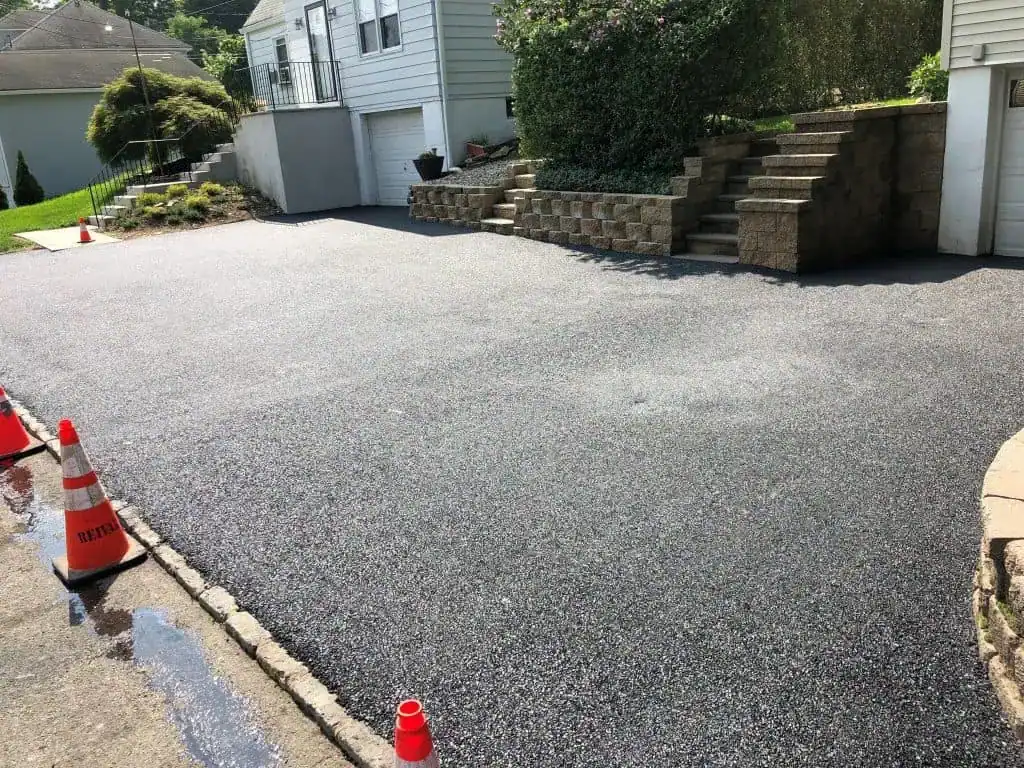
You’ll find our completed projects throughout Blackwells Mills and the surrounding area. Real driveways and parking lots that prove we know what we’re doing when it comes to proper base preparation and drainage solutions.
We work with homeowners and business owners who need reliable contractors that show up on schedule and deliver what we promise. No surprises, no excuses, just professional installation techniques that actually work in this climate.
First, we evaluate your specific site conditions. Soil type, drainage patterns, intended use. This determines the base preparation requirements and asphalt specifications needed for your project.
Next comes excavation and base preparation. This is where most contractors cut corners and where most problems start. We remove inadequate materials, address drainage issues, and build a properly compacted stone base that won’t shift or settle.
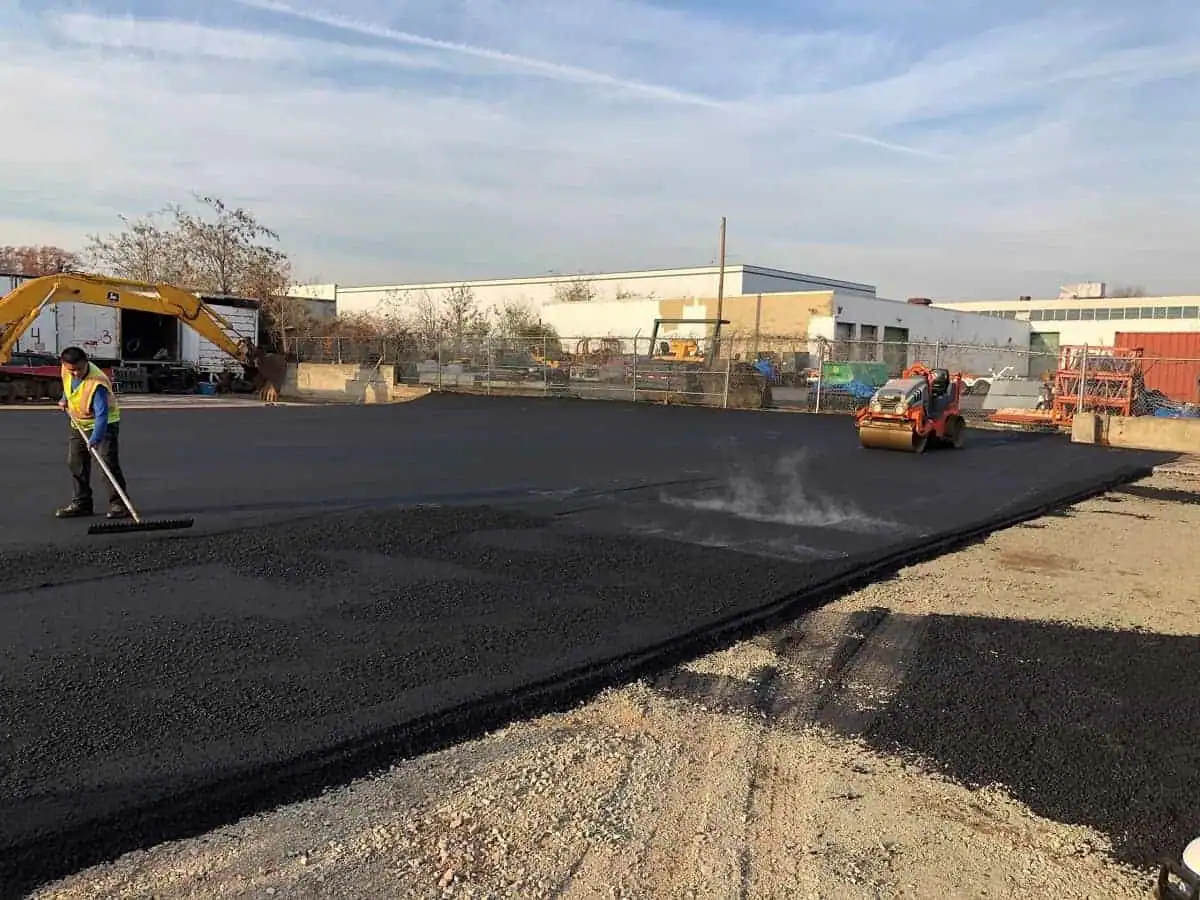
Then we install the asphalt in lifts, using proper temperatures and compaction techniques. Each layer is rolled while the material is at optimal temperature for maximum density and durability. Finally, we clean up completely and walk you through maintenance recommendations that keep your investment protected.
Ready to get started?
Every project starts with proper site evaluation and drainage assessment. Somerset County’s clay soil and weather patterns create specific challenges that we address in the planning phase, not after problems develop.
We use appropriate base materials and asphalt specifications for your specific application and traffic requirements. Properties with clay soil or drainage challenges often need thicker asphalt and more extensive base preparation. We evaluate each site individually because cookie-cutter approaches lead to premature failure.
You get detailed estimates that break down materials, labor, and timeline. No hidden costs or surprise charges. We coordinate with your schedule to minimize disruption and complete the work efficiently. The result is a professional surface that enhances your property value and performs reliably for years.

A professionally installed asphalt driveway should last 15-20 years in New Jersey’s climate when properly maintained. The key factors are correct base preparation, appropriate asphalt thickness for your soil conditions, and proper drainage.
New Jersey’s freeze-thaw cycles are tough on asphalt, but when the base is stable and water drains properly, the surface holds up well. Regular sealcoating every 3-4 years and prompt crack repair extend the lifespan significantly.
Driveways that fail prematurely usually have base problems or drainage issues that weren’t addressed during installation. That’s why we focus so heavily on proper site preparation and drainage solutions from the start.
Somerset County’s clay soil makes drainage even more critical because clay doesn’t absorb water well. When water can’t drain properly, it creates freeze-thaw problems that destroy asphalt from underneath.
Properties with clay soil often need thicker asphalt and more extensive base preparation to prevent settling and cracking. We grade for positive drainage away from structures and ensure the base won’t shift over time.
Many contractors skip proper drainage assessment to save time and money, but it’s the difference between a driveway that works and one that becomes a maintenance nightmare. Clay soil requires specific techniques that general contractors often don’t understand.
Hot mix asphalt is heated to around 300 degrees and provides a permanent, durable surface when properly installed. It bonds completely and compacts to maximum density, making it the right choice for new installations and major repairs.
Cold patch is a temporary repair material that can be applied without heating, but it doesn’t bond as well and typically needs replacement within a year or two. It’s useful for emergency repairs when weather conditions don’t allow hot mix installation.
For new driveways and parking lots, hot mix asphalt is the only choice that makes sense if you want long-term performance. The upfront cost difference is minimal compared to the durability difference.
Asphalt paving costs in Blackwells Mills typically range from $3-7 per square foot, depending on site conditions and project complexity. Most residential driveways fall between $2,500-8,000 for complete installation.
Factors affecting price include excavation requirements, drainage needs, access difficulty, and material choices. Properties with challenging soil conditions or drainage issues require more extensive preparation work.
We provide detailed estimates that break down materials, labor, and timeline so you understand exactly what you’re paying for. No hidden costs or surprise charges that some contractors spring on you after work begins.
Most residential driveway installations in Blackwells Mills take 2-3 days from start to finish, depending on size and complexity. Day one typically involves excavation and base preparation, day two covers material installation, and day three handles final grading and cleanup.
Weather conditions can affect timing, and you’ll get a realistic schedule upfront. We work efficiently to minimize disruption to your daily routine while ensuring proper installation techniques don’t get rushed.
Commercial projects typically take 2-5 days depending on size and complexity. The key is proper planning and coordination so you know what to expect and can plan around any business disruptions.
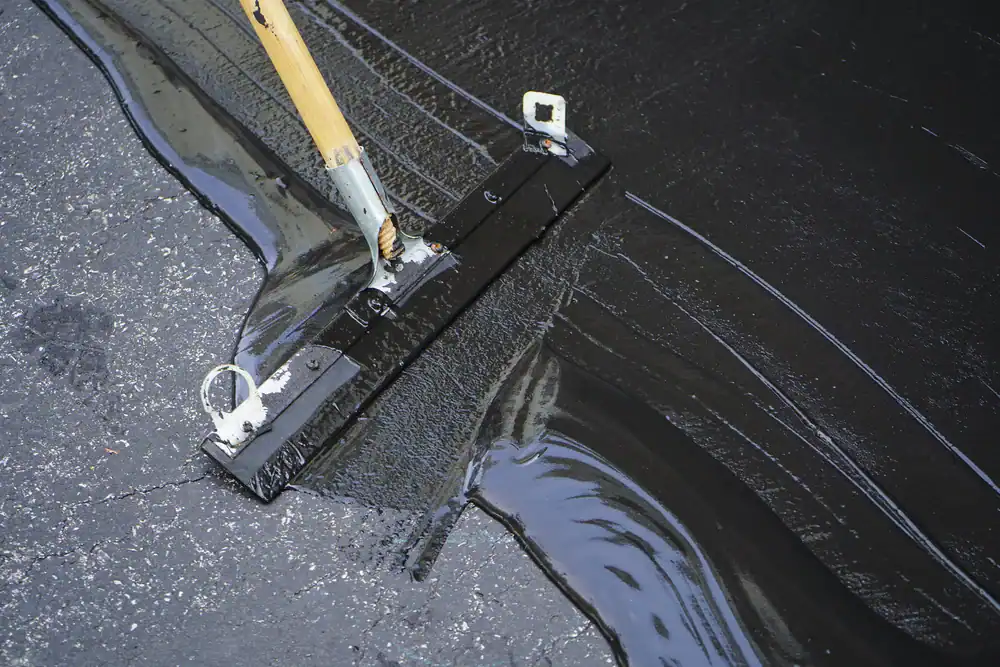
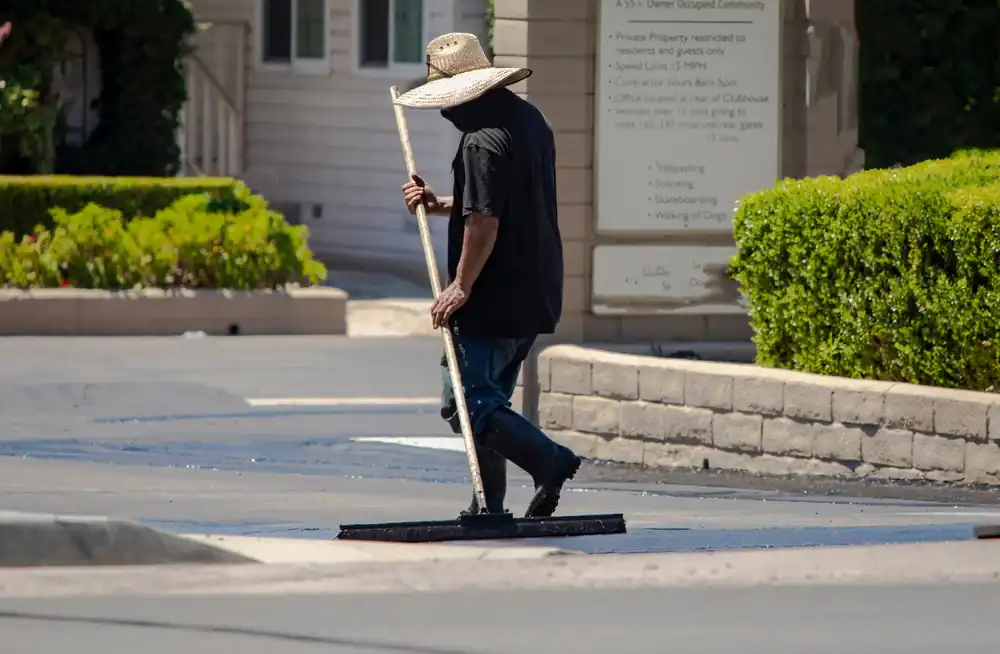
New asphalt should be sealcoated within the first year, then every 3-4 years afterward. This maintains the surface integrity and protects against water infiltration, UV damage, and chemical spills.
Sealcoating is best done during spring, summer, and early fall before leaves start falling. The surface needs to cure for 18-36 hours before you can drive on it, so timing matters for your daily routine.
Regular sealcoating combined with prompt crack repair significantly extends your pavement’s lifespan. It’s much more cost-effective than waiting for major repairs or complete replacement down the road.