
Hear from Our Customers
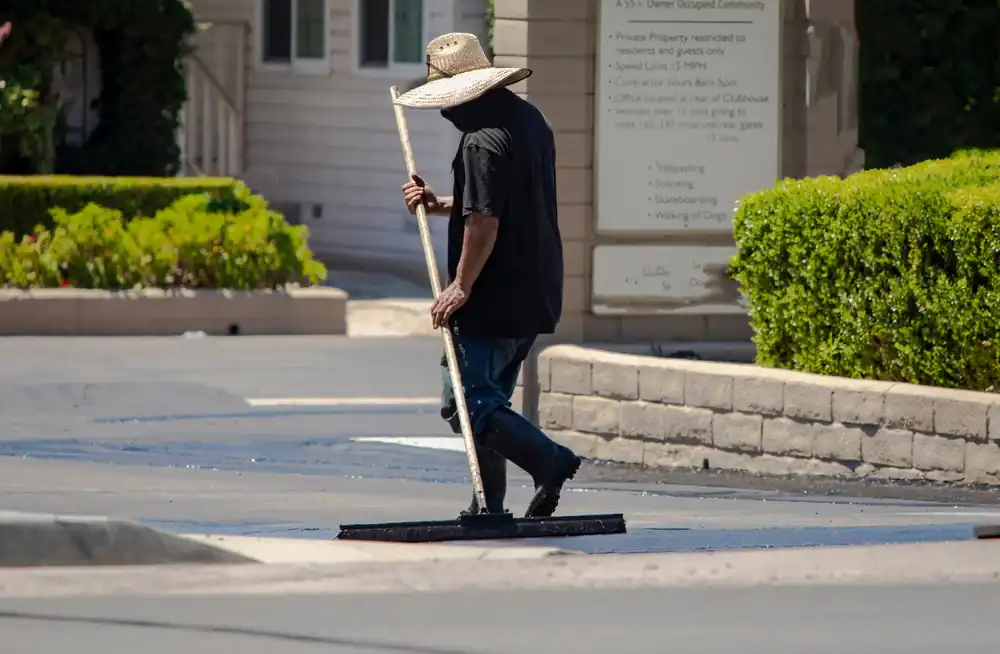
You’re tired of looking at that mess every time you pull into your driveway. The cracks that started small are now potholes. Water’s getting underneath, making everything worse.
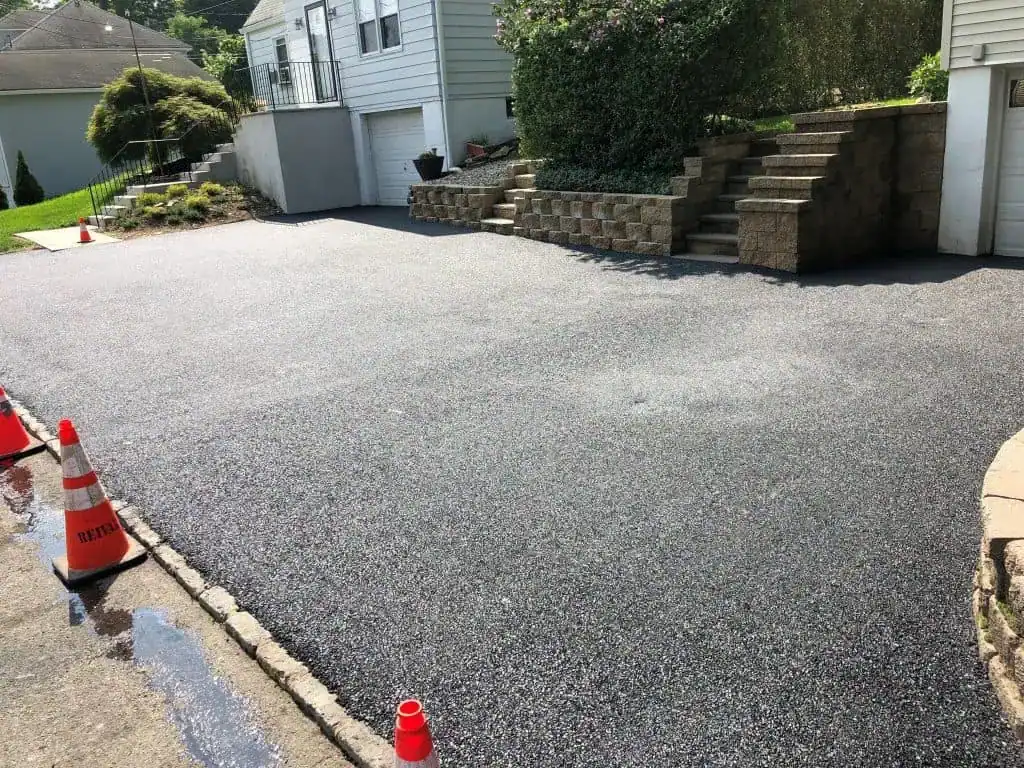
Here’s what changes when it’s done right. You get smooth, even pavement that drains properly. No more scraping your car’s undercarriage or worrying about guests judging your property. Your driveway becomes an asset, not an eyesore.
Quality asphalt paving means you’re not dealing with this headache again in two years. You get decades of reliable surface that handles New Jersey winters without falling apart.
We’ve been serving Black Horse and surrounding Monmouth County communities for over a decade. We’re the asphalt paving contractors your neighbors call when they want it done right.
You won’t find us cutting corners with thin applications or subpar materials. We use proper base preparation and quality asphalt because we know you’re making a long-term investment. Our crew shows up on schedule, cleans up completely, and stands behind every job.
Local property owners choose us because we understand New Jersey weather patterns and soil conditions that affect pavement longevity.
First, we evaluate your existing surface and drainage. If there’s old asphalt, we remove it completely—no shortcuts. Poor base preparation is why most driveways fail early.
Next comes proper grading and compaction. We install the right base material for your soil type and ensure proper drainage slope. This foundation work determines how long your pavement lasts.
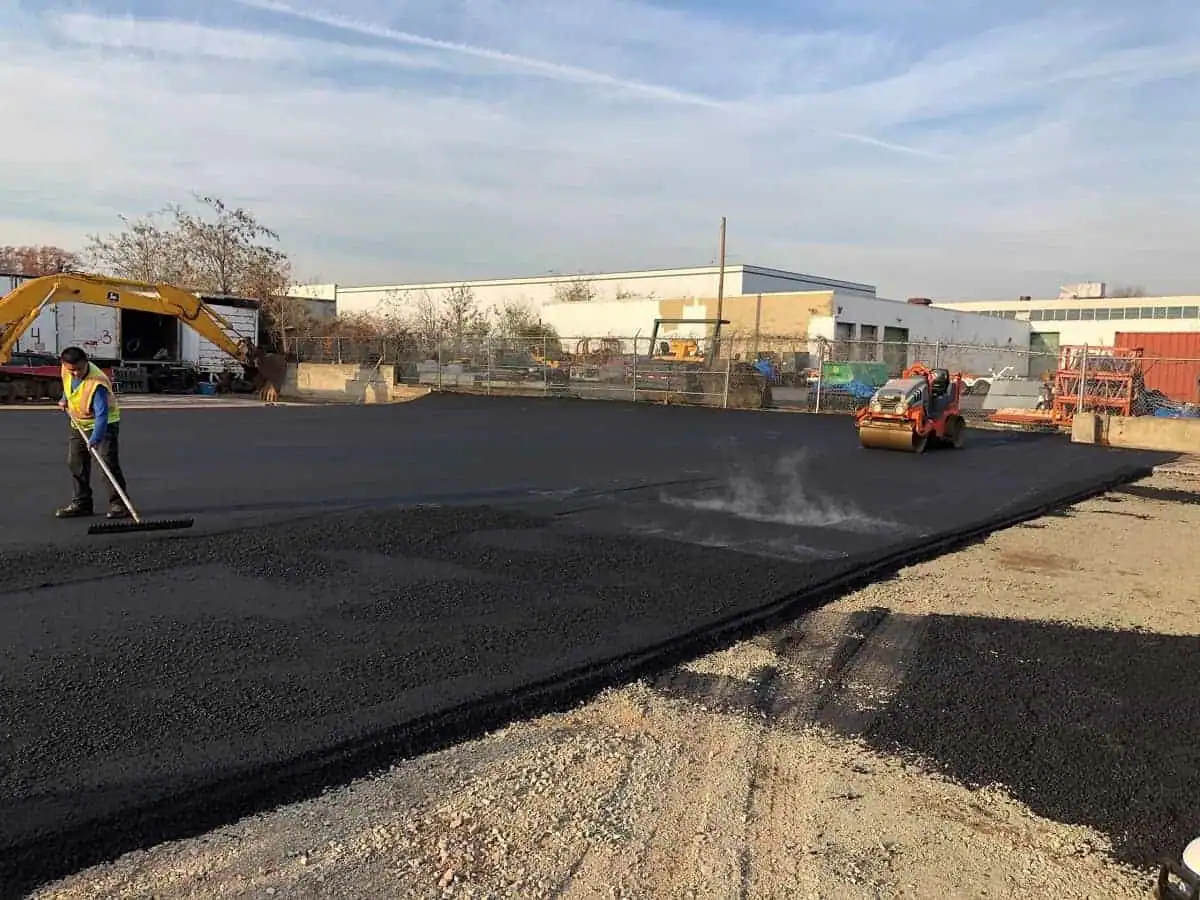
Then we apply hot asphalt at the correct thickness for your traffic load. Residential driveways get different treatment than commercial parking lots. We compact everything properly and seal edges to prevent water infiltration. You can drive on it within 24 hours, but we recommend waiting 48 hours for heavy vehicles.
Ready to get started?
We handle everything from small residential driveways to large commercial parking lots. Our asphalt paving services include new installation, complete replacement, and major repairs that require full sections.
Black Horse properties face unique challenges with clay soil and seasonal freeze-thaw cycles. We adjust our installation methods accordingly, using proper base depths and drainage solutions that work in this area.
You also get asphalt repair services for smaller issues—crack sealing, pothole patching, and edge restoration. Sometimes you don’t need full replacement, just targeted fixes that extend your pavement’s life. We’ll tell you honestly what makes sense for your situation and budget.

Most residential driveways take one to two days from start to finish. Day one covers removal of old material, base preparation, and grading. Day two is asphalt installation and final compaction.
Weather affects timing significantly. We won’t install asphalt in rain or when temperatures drop below 50 degrees. Hot asphalt needs proper conditions to compact correctly and bond with the base.
Larger projects like parking lots may take three to five days depending on size and complexity. We’ll give you an accurate timeline during the initial assessment and keep you updated if weather delays anything.
Asphalt repair works when damage covers less than 30% of the surface and the base remains solid. We can patch potholes, seal cracks, and fix edge damage without tearing up the entire driveway.
Full replacement becomes necessary when the base has failed, water damage is extensive, or cracks cover most of the surface. Trying to patch severely damaged asphalt is throwing money away—problems just come back worse.
During our assessment, we’ll check base stability by looking for soft spots, drainage issues, and crack patterns. If the foundation is compromised, repair won’t last. We’ll recommend the most cost-effective solution for your specific situation.
Standard residential driveways need 2-3 inches of compacted asphalt over a properly prepared base. The base layer is equally important—typically 4-6 inches of crushed stone, depending on soil conditions.
Thicker isn’t always better if the base preparation is poor. We see contractors who lay 4 inches of asphalt over inadequate base and wonder why it fails. Proper compaction and drainage matter more than raw thickness.
Black Horse’s clay soil requires special attention to base preparation. We often recommend geotextile fabric between soil and stone base to prevent mixing during freeze-thaw cycles. This prevents the soft spots that cause premature cracking.
Late spring through early fall provides ideal conditions for asphalt paving in New Jersey. We need air temperatures above 50 degrees and dry conditions for proper installation and curing.
Summer offers the most consistent weather, but it’s also our busiest season. Spring and fall often provide better scheduling flexibility while still maintaining good installation conditions.
Winter installation is possible during warm spells, but we’re selective about timing. Asphalt plants sometimes close during coldest months, and freeze-thaw cycles can affect curing. We’ll honestly tell you if conditions aren’t right rather than risk a poor installation.
Keep it clean and address small issues quickly. Sweep regularly to prevent debris buildup and clean oil spills immediately—petroleum products soften asphalt and cause permanent damage.
Seal coating every 3-4 years protects against UV damage and water penetration. Don’t seal too early though—new asphalt needs 6-12 months to cure properly before first seal coat application.
Watch for small cracks and seal them before they expand. Water infiltration is asphalt’s biggest enemy. Small cracks become big problems during freeze-thaw cycles, so early intervention saves major repairs later.
Residential driveway costs typically range from $3-7 per square foot, depending on site conditions, access, and preparation required. Simple replacement over good base costs less than complete reconstruction with drainage work.
We provide detailed written estimates that break down materials, labor, and any additional work needed. No surprises or change orders unless you approve additional work during the project.
Beware of significantly low bids—they usually mean thin application, poor materials, or inadequate base preparation. Quality asphalt paving is an investment that pays off in longevity. We’ll explain exactly what you’re getting for your money and why it’s worth doing right.