
Hear from Our Customers
You’re tired of looking at that cracked, uneven driveway every time you pull in. The potholes that scrape your car. The water that pools after every storm.
Here’s what changes when you get it done right. You pull into a smooth, even surface that actually looks professional. No more embarrassment when guests visit. No more water damage creeping toward your foundation.
The right asphalt paving job handles Big Springs weather – the freeze-thaw cycles, the heavy rains, the summer heat. It’s an investment that protects your property value and gives you one less thing to worry about.
We’ve been handling asphalt projects throughout Big Springs and the surrounding New Jersey area. We understand the local soil conditions, drainage patterns, and weather challenges that affect pavement performance.
You’re not getting a one-size-fits-all approach. Every Big Springs property has different needs – from the older residential areas with unique drainage requirements to the commercial districts that need heavy-duty surfaces.
We’ve seen what works and what doesn’t in this area. That experience shows up in how we grade your base, select materials, and handle the details that determine whether your pavement lasts five years or twenty.
First, we assess your specific site conditions. Soil type, drainage patterns, expected traffic load. This determines the base preparation and asphalt thickness you actually need.
Next comes proper excavation and base preparation. This is where most problems start – with contractors who rush this step. We compact the base in lifts, ensure proper drainage, and create the foundation that supports everything above it.
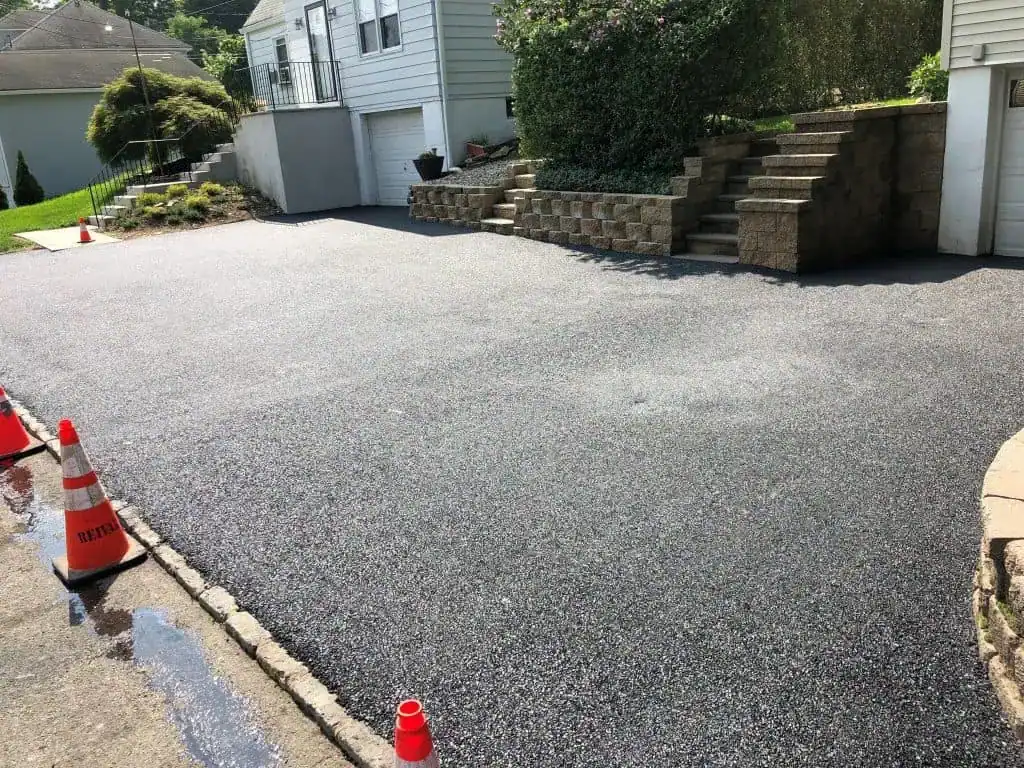
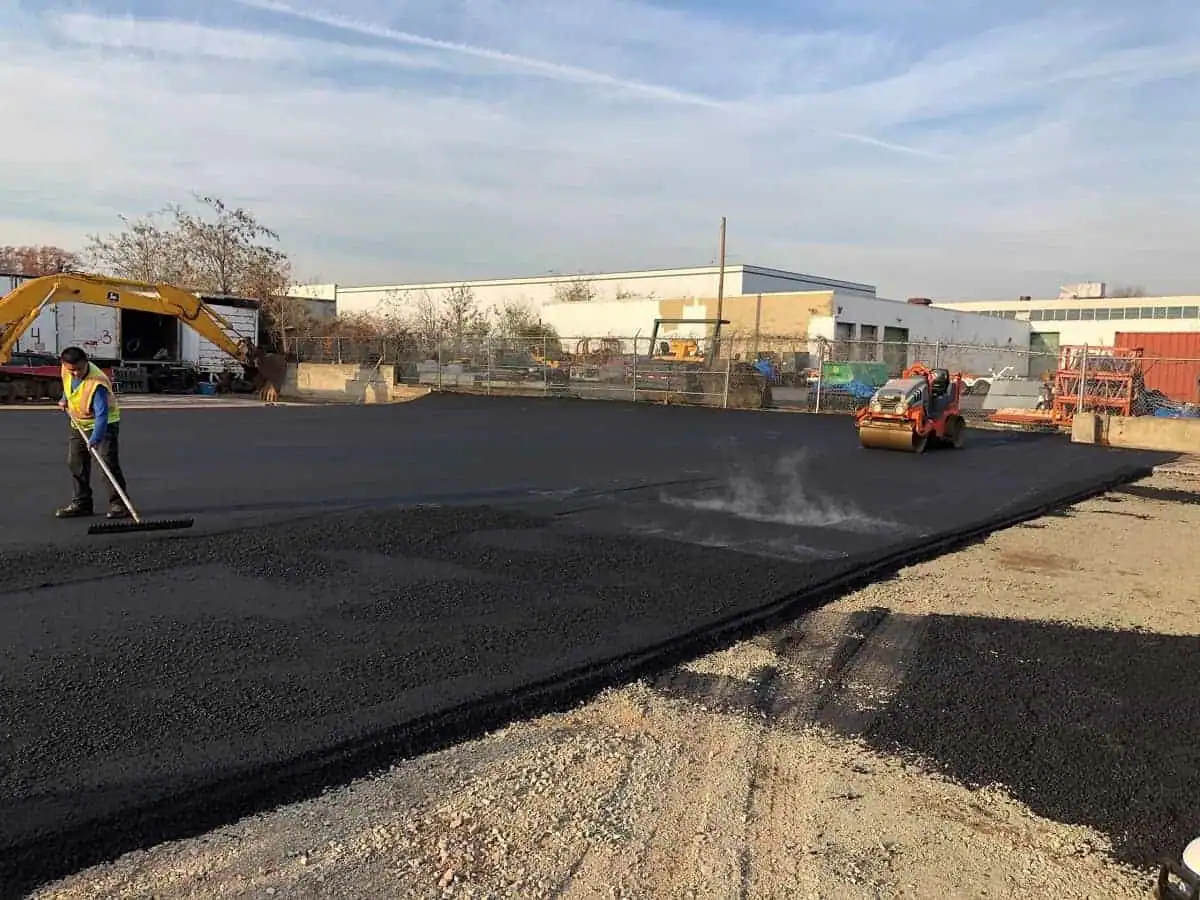
Then we apply the asphalt in the right conditions – proper temperature, weather, and thickness for your specific application. Hot mix asphalt, properly compacted with professional equipment. We finish with clean edges and proper transitions to existing surfaces.
Ready to get started?
Every asphalt paving project in Big Springs starts with a detailed site evaluation. We measure, assess drainage, and identify any underlying issues that could affect performance.
You get professional-grade hot mix asphalt designed for New Jersey climate conditions. Proper base preparation with the right materials for your soil type. Professional compaction equipment that ensures density and durability.
Big Springs properties often deal with specific challenges – clay soils that shift, areas with poor natural drainage, or existing surfaces that need special attention. We handle these local conditions as part of the standard process, not as expensive add-ons.

Most residential driveways in Big Springs take 1-2 days to complete, depending on size and site conditions. Day one typically involves excavation, base preparation, and grading. Day two covers asphalt installation and finishing.
Weather affects timing more than anything else. We don’t install asphalt in rain or when temperatures drop below 50°F. Big Springs gets its share of unpredictable weather, so we build flexibility into our scheduling.
Commercial projects take longer based on square footage and complexity. A typical parking lot might take 3-5 days including proper curing time between base and surface layers.
Residential driveways in Big Springs typically run $3-7 per square foot for standard installation. The range depends on site preparation needs, thickness requirements, and access challenges.
Base preparation drives most of the cost variation. Properties with good drainage and stable soil cost less than those requiring extensive excavation or special base materials. Clay soils common in parts of Big Springs sometimes need additional base work.
Commercial projects usually cost $2-5 per square foot due to economies of scale. We provide detailed estimates that break down materials, labor, and site-specific requirements so you know exactly what you’re paying for.
Properly installed asphalt in Big Springs typically lasts 15-25 years with basic maintenance. New Jersey’s freeze-thaw cycles are tough on pavement, but quality installation and materials make the difference.
The first 5-7 years require minimal maintenance beyond occasional crack sealing. Years 8-15 might need sealcoating to protect against weather and traffic wear. After 15 years, you’re looking at either major repairs or replacement depending on the original installation quality.
Poor installation fails much faster – sometimes within 3-5 years. That’s why base preparation and proper compaction matter more than the asphalt itself.
Late spring through early fall works best for asphalt installation in Big Springs. We need consistent temperatures above 50°F and dry conditions for proper curing.
May through October gives us the most reliable weather windows. Summer heat actually helps with compaction and curing, though we avoid the hottest days when asphalt becomes difficult to work with.
Winter installation is possible during warm spells, but it’s not ideal. Cold weather affects how the asphalt bonds and compacts. Emergency repairs happen year-round, but planned installations work better in warmer months.
Most residential driveway projects in Big Springs don’t require permits if you’re staying within existing boundaries. Replacing old asphalt with new typically falls under routine maintenance.
You might need permits for new driveway installation, especially if it changes drainage patterns or requires work near the street. Commercial projects and parking lots usually require permits and inspections.
We handle permit research and applications when needed. Big Springs has specific requirements for drainage and setbacks that we’re familiar with. It’s better to check upfront than deal with compliance issues later.
New asphalt in Big Springs needs crack sealing every 2-3 years and sealcoating every 3-5 years. Regular maintenance extends pavement life significantly and costs much less than replacement.
Watch for small cracks and seal them quickly. Water infiltration during freeze-thaw cycles causes most pavement damage in New Jersey. Small cracks become big problems if ignored.
Keep the surface clean and avoid heavy loads during the first month while the asphalt fully cures. Remove snow carefully with plastic shovels rather than metal ones that can gouge the surface.