
Hear from Our Customers
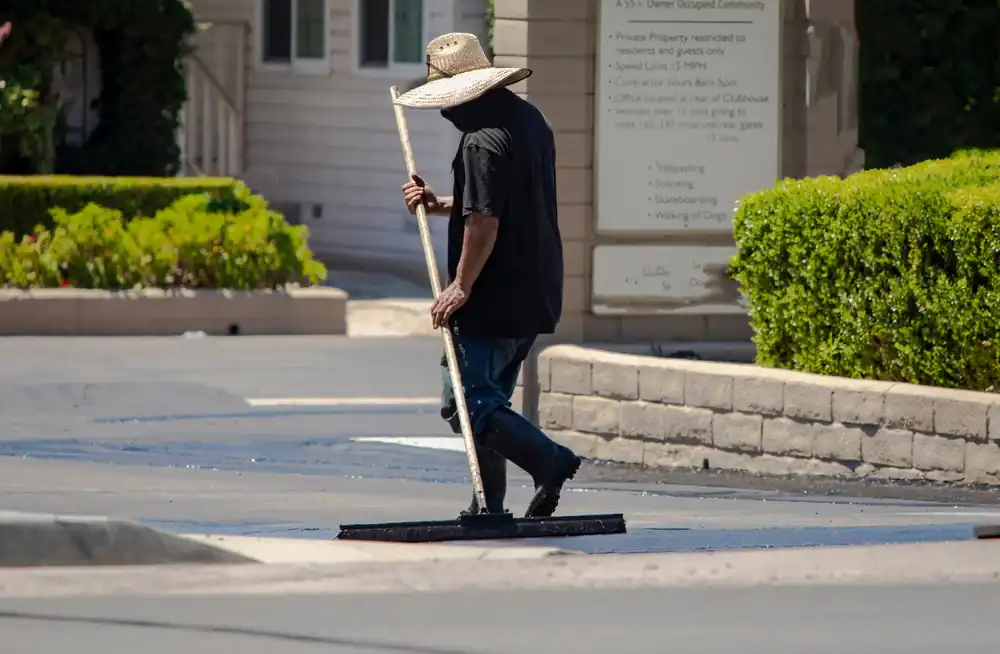
Your pavement becomes an asset, not a liability. No more worrying about cracks spreading every winter or water pooling after storms.
You get smooth, even surfaces that handle daily traffic without breaking down. Proper drainage keeps water moving away from your foundation instead of creating problems. The right base preparation means your investment holds up for decades, not just a few years.
Most importantly, you stop dealing with the constant maintenance cycle that comes with shortcuts. When asphalt paving is done right the first time, you’re not calling for repairs every season.
Platinum Paving has been handling asphalt projects throughout Ackerson and surrounding areas for years. We understand how New Jersey’s freeze-thaw cycles affect pavement and plan accordingly.
Our crew knows local soil conditions, drainage requirements, and the specific challenges that come with this region’s weather patterns. We’re not learning on your project – we’ve seen what works and what fails in this area.
When you’re dealing with contractors who actually live and work in the community, you get people who care about their reputation. Every job reflects on our standing with neighbors and local businesses.
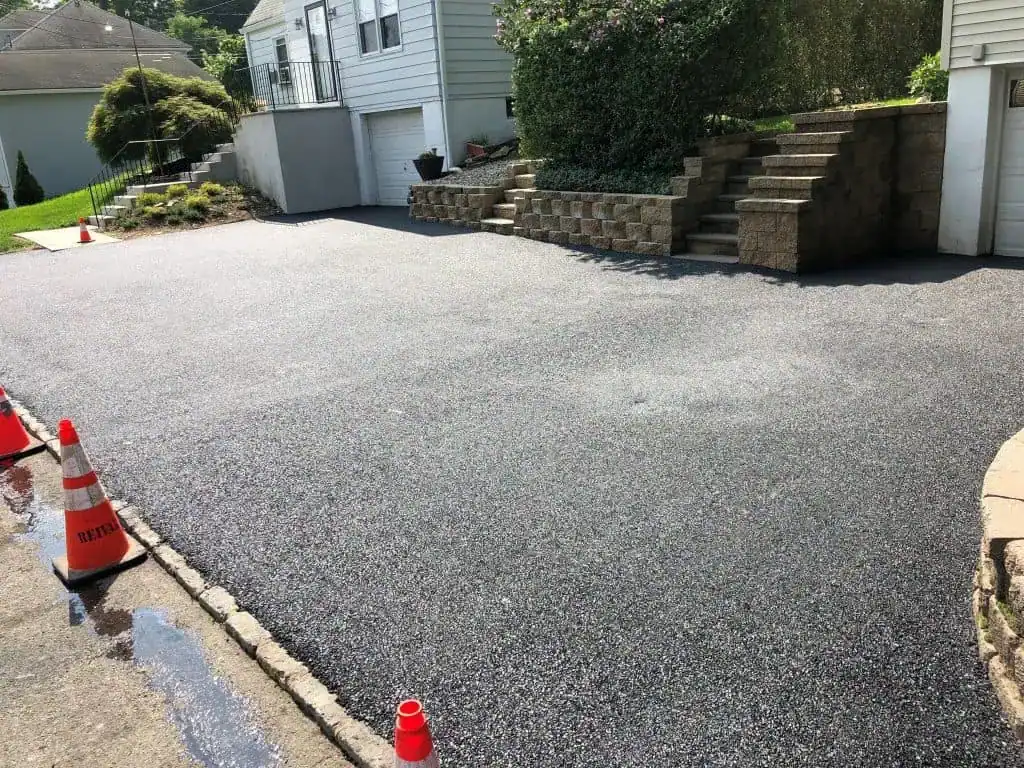
First, we evaluate your site and existing conditions. This isn’t a quick glance – we check drainage, soil stability, and any underlying issues that could cause problems later.
Next comes proper excavation and base preparation. The foundation determines everything. We remove inadequate material, grade for proper drainage, and install the right base thickness for your specific use. Shortcuts here cost you thousands later.
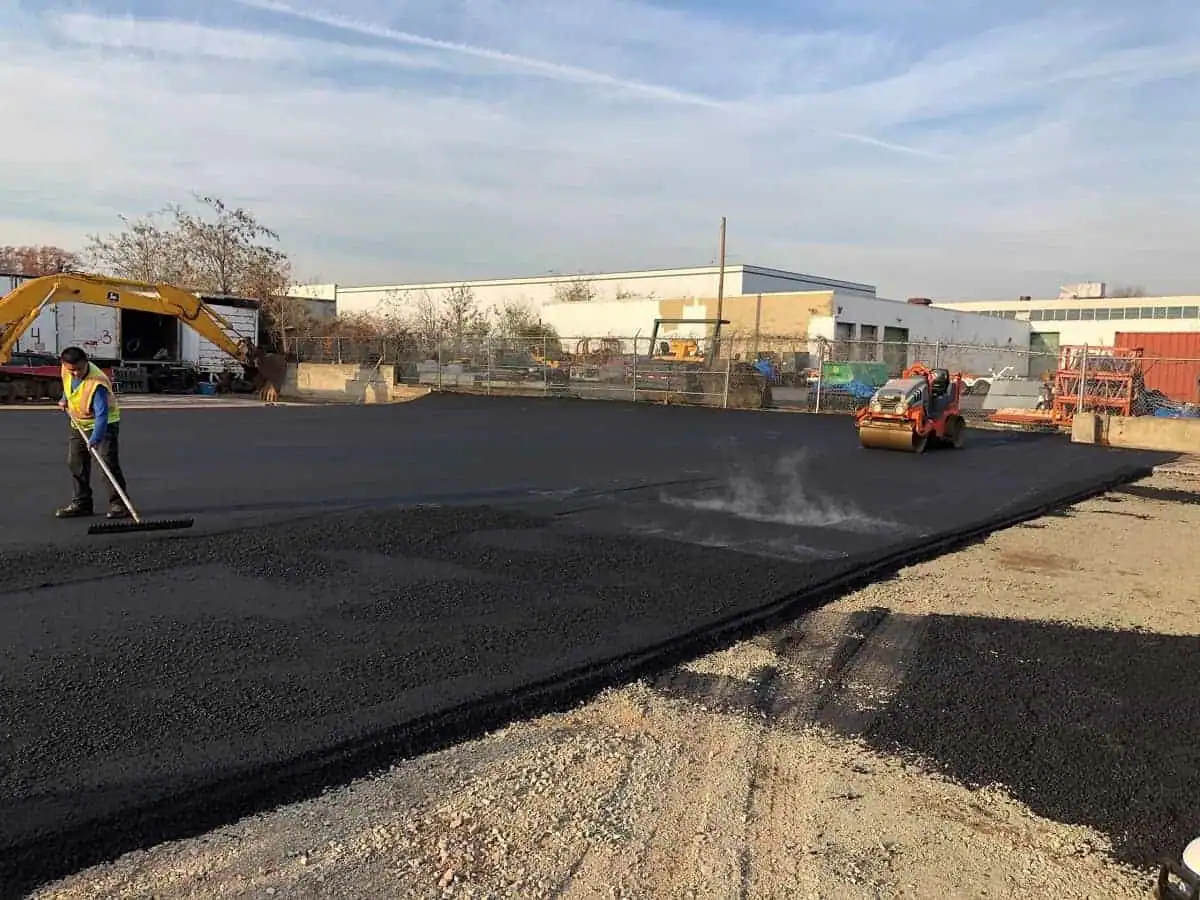
Then comes the asphalt installation itself. Hot mix applied at the right temperature, compacted properly, and finished to the correct thickness. We coordinate timing so the material stays workable throughout the process.
Ready to get started?
Platinum Paving handles everything from small residential driveways to large commercial parking lots in Ackerson. Our asphalt paving services include new installation, complete reconstruction, and overlay applications.
We work with hot mix asphalt designed for New Jersey’s climate conditions. This means materials that expand and contract properly through temperature changes without premature cracking. The mix specifications match your traffic load and local weather patterns.
Drainage integration is included in every project. Proper slope, catch basins where needed, and edge details that direct water away from the pavement. In Ackerson’s climate, water management isn’t optional – it’s essential for long-term performance.

Most residential driveways take 1-2 days from start to finish, depending on size and site conditions. Commercial projects vary based on square footage and complexity.
Weather plays a role in scheduling. Asphalt needs dry conditions and temperatures above 50 degrees for proper installation. During New Jersey’s unpredictable spring and fall weather, we monitor forecasts carefully to ensure quality results.
The actual paving happens quickly once prep work is complete. However, you’ll need to stay off the new surface for 24-48 hours while it cures. We’ll give you specific timing based on temperature and thickness.
Overlay means installing new asphalt over existing pavement that’s structurally sound. This works when you have minor surface issues but a solid foundation. It’s less expensive and faster than full reconstruction.
Complete reconstruction involves removing old pavement, addressing base issues, and starting fresh. You need this when the existing pavement has failed, shows extensive cracking, or has drainage problems that can’t be fixed with surface work.
The choice depends on your current pavement’s condition. Overlay saves money short-term but won’t fix underlying problems. Reconstruction costs more upfront but gives you a completely new pavement system designed to last.
Proper drainage starts with site evaluation and grade planning. We identify where water currently flows and where it needs to go. This determines the slope and any additional drainage features required.
For most projects, we create a slight slope (typically 1-2%) to direct water away from buildings and toward appropriate drainage areas. Catch basins or culverts get installed where needed to handle larger volumes.
Edge details matter too. Proper curbing or edge restraints keep water from undermining the pavement edges. In Ackerson’s climate, water infiltration is the leading cause of pavement failure, so drainage isn’t an afterthought – it’s engineered into every project.
Standard residential driveways typically get 2-3 inches of asphalt over a properly prepared base. The exact thickness depends on your soil conditions, expected traffic, and base preparation quality.
For heavier use areas like commercial driveways or where delivery trucks access, 3-4 inches provides better durability. The base preparation is equally important – usually 4-6 inches of compacted gravel depending on soil conditions.
Skimping on thickness to save money backfires quickly. Thin asphalt cracks under normal use and requires replacement much sooner. Proper thickness costs more initially but provides decades of service instead of years.
Late spring through early fall offers the best conditions in New Jersey. Asphalt needs consistent temperatures above 50 degrees and dry weather for proper installation and curing.
Summer provides ideal conditions but higher demand can mean longer scheduling waits. Spring and fall often offer good weather windows with better availability. We avoid winter work except for emergency repairs.
Temperature affects how the asphalt handles and compacts. Too cold and it stiffens before proper compaction. Too hot and it can become unstable under equipment. We monitor conditions daily to ensure quality results regardless of season.
Base preparation determines whether your pavement lasts 5 years or 25 years. We start by excavating to the proper depth, removing any unsuitable material like organic soil or previous failed pavement.
Next comes installing and compacting the aggregate base in lifts. This typically means 4-6 inches of graded stone, compacted to 95% density. Each lift gets tested to ensure proper compaction before adding the next layer.
Proper grading creates the drainage slope during base preparation, not after. This ensures water moves away from the pavement structure. The base also gets proof-rolled to identify any soft spots that need additional attention before asphalt installation.