Summary:
You’ve probably noticed your driveway fading to gray or spotted a few cracks starting to spread. Now you’re weighing your options: grab some buckets from the hardware store and spend your weekend sweating through a DIY job, or hire someone and hope they actually show up and do it right.
The truth is, neither choice is as straightforward as it seems. Sussex County’s freeze-thaw cycles don’t care whether you sealed your driveway yourself or paid a pro—they’ll exploit every mistake either way. But the difference in how those mistakes play out over the next few years? That’s where things get interesting.
Let’s talk about what actually matters when you’re trying to protect your asphalt investment without getting burned.
What Professional Driveway Sealing Actually Involves
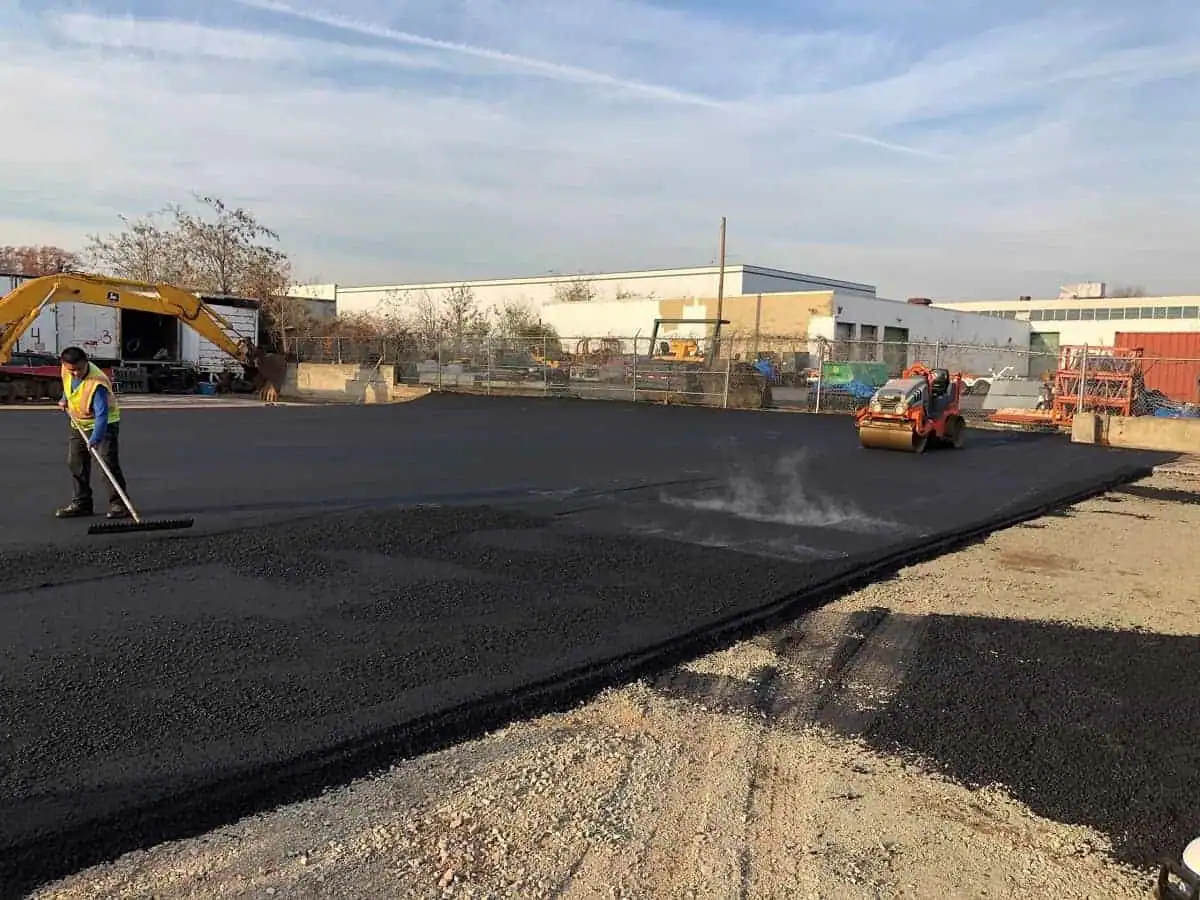
Professional driveway sealing isn’t just someone showing up with a sprayer and coating your asphalt. The process starts with a surface assessment to identify cracks, drainage issues, and areas that need repair before any sealant touches the pavement.
Contractors worth their salt will tell you upfront if your driveway needs crack filling first. Sealcoating only fills hairline cracks—anything wider than an eighth of an inch requires proper crack sealer or hot rubber filler. Skipping this step is one of the fastest ways to waste money, whether you’re doing it yourself or hiring someone.
The actual application involves commercial-grade equipment that most homeowners don’t own and can’t rent. Professional spray systems cost thousands of dollars and deliver even coverage with penetration up to 50% deeper than hand-applied methods. That depth matters in New Jersey, where water infiltration during winter is your pavement’s worst enemy.
How Asphalt Sealcoating Protects Against Weather Damage
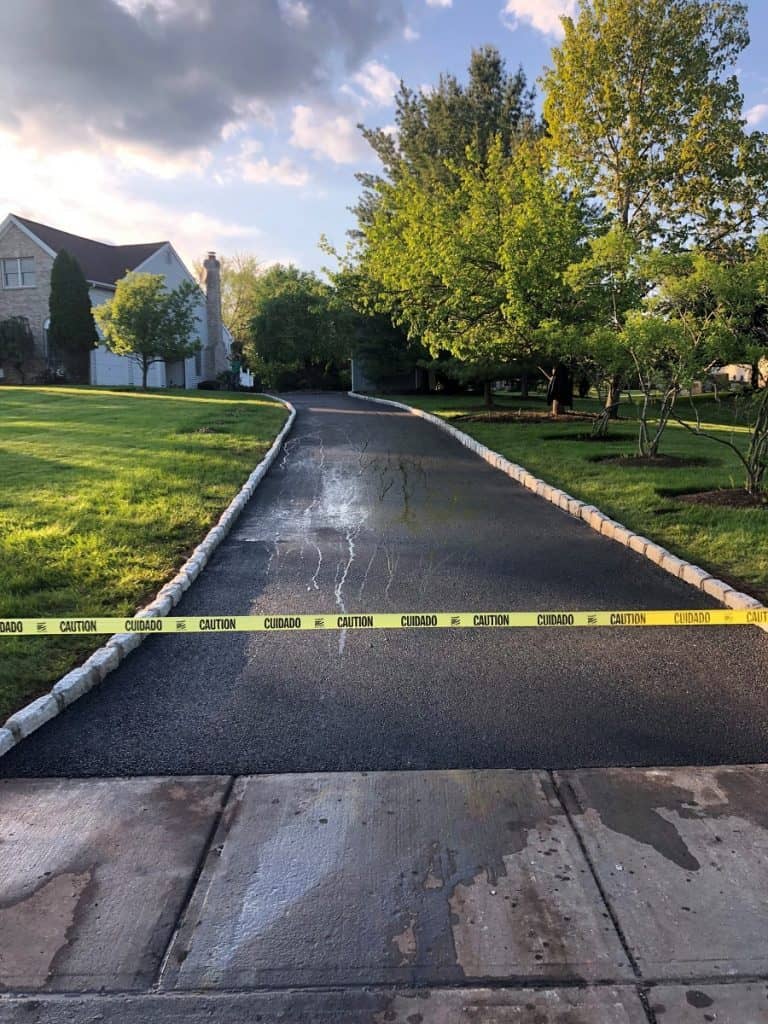
Sealcoating creates a protective barrier that shields asphalt from UV rays, water penetration, and chemical spills. Think of it as sunscreen for your driveway—it blocks the elements that cause oxidation and brittleness over time.
In Sussex County specifically, the protection matters more than in many other regions. Areas near Lake Hopatcong experience temperature swings more frequently than inland locations. Water seeps into tiny cracks during the day, then freezes solid overnight when temperatures drop. Ice expands by about 9%, creating enough force to split rock, let alone asphalt.
What makes this region particularly brutal is how often temperatures hover around freezing. You don’t get consistent cold that keeps everything frozen, or warmth that keeps everything liquid. Instead, you get constant cycling between freeze and thaw—the worst possible scenario for unprotected pavement.
Professional sealcoating applied correctly creates a flexible, waterproof layer that prevents moisture from penetrating the surface. This stops the freeze-thaw cycle before it starts. The sealer also replenishes oils lost through oxidation, keeping the asphalt flexible enough to handle seasonal expansion and contraction without cracking.
The timing of application matters just as much as the materials used. Sealcoating requires temperatures above 50°F for 24-48 hours with no precipitation. Once winter arrives in Sussex County, these conditions become impossible to guarantee until spring. By then, winter damage has already occurred and you’re paying for repairs instead of prevention.
Quality sealers from professional contractors typically provide 3-5 years of protection when applied correctly. DIY applications using retail-grade products often need touch-ups within 1-2 years, assuming they were applied correctly in the first place.
The Real Cost Breakdown: Professional vs DIY
Let’s talk numbers without the fluff. For a typical 600 square foot driveway, DIY materials run about $180 for sealer, plus another $100-150 for tools and supplies if you don’t already own them. Add in crack filler ($25-40), cleaning solutions ($30-50), and protective gear ($40-60), and you’re looking at $375-480 total for a first-time DIY project.
Professional service for that same driveway typically costs $510-1,050, depending on your location and the condition of your asphalt. The national average sits around $305, though Sussex County pricing tends toward the higher end due to material costs and local demand.
On paper, DIY saves you $200-600. But that calculation assumes everything goes right. It doesn’t account for the 6-8 hours you’ll spend on labor, the learning curve if you’ve never done this before, or the cost of fixing mistakes.
Here’s what most DIY cost comparisons don’t mention: professional-grade materials perform differently than retail products. Commercial sealers penetrate deeper and last longer. The equipment makes a measurable difference in coverage and durability. And contractors know how to assess whether your driveway actually needs sealing right now or if you’re better off waiting.
Complete driveway reconstruction in Sussex County runs $4-8 per square foot depending on size and access. That’s $2,400-4,800 for a 600 square foot driveway. Professional sealcoating at under $0.75 per square foot provides 2-3 years of protection and delays that replacement cost significantly.
The real question isn’t whether DIY is cheaper upfront—it obviously is. The question is whether you’ll get the same lifespan and protection, or whether you’ll be redoing the work sooner and spending more in the long run.
Want live answers?
Connect with a Platinum Paving expert for fast, friendly support.
Common DIY Driveway Sealing Mistakes That Cost You
Most DIY sealcoating failures come down to three issues: inadequate surface preparation, improper application, and bad timing. Let’s break down what actually goes wrong and why it matters.
Surface preparation is where most homeowners cut corners without realizing it. Sealant cannot bond to dirt, oil, or loose debris. If you don’t thoroughly clean and dry your driveway first, you’re essentially painting over problems. The sealer might look good for a few weeks, but it’ll start peeling or bubbling once weather hits it.
Oil stains are particularly tricky. Regular cleaning won’t remove them, and if you apply sealer directly over oil spots, it won’t adhere. You need an oil-spot primer on those areas first. Most DIYers skip this step because they don’t know it exists.
Application thickness is the second major issue. More is not better. Overapplying sealant leads to puddling, uneven drying, and a surface that stays tacky longer than it should. Too much sealer can actually cause premature cracking. The right approach is two thin coats, not one thick one.
Why Weather Timing Makes or Breaks Your Results
You can do everything else right and still end up with a failed seal coat if the weather doesn’t cooperate. Sealcoating requires specific conditions that have nothing to do with whether it’s convenient for your schedule.
Temperature needs to stay above 50°F for at least 24-48 hours after application, with no rain during that window. The sealer needs time to cure properly. If temperatures drop too soon or rain hits before it’s fully cured, you’ll get poor adhesion and reduced protection.
Spring and early fall are ideal in Sussex County, but those windows are narrower than most people realize. Wait too long into fall and you risk cold snaps. Start too early in spring and you’re dealing with unpredictable weather and ground that hasn’t fully dried from winter.
Summer seems like the obvious choice, but extreme heat creates its own problems. Sealant can dry too quickly in scorching temperatures, making it difficult to spread evenly. It can also become sticky and track into your house if applied during a heat wave.
Professional contractors monitor weather forecasts carefully and schedule work during optimal windows. We also have the flexibility to reschedule if conditions change. When you’re doing it yourself, you’re working around your own schedule, which might not align with ideal weather.
Here’s what happens when timing goes wrong: the sealant doesn’t cure properly, which means it doesn’t bond correctly to the asphalt. It might look fine initially, but within months you’ll see premature wear, peeling at the edges, or areas where the sealer never fully hardened. At that point, you’re either living with a subpar job or stripping it off and starting over.
The drying time matters too. Most sealers need 24 hours before you can walk on them and 48-72 hours before vehicle traffic. Rush that timeline and you’ll leave tire marks or footprints that become permanent features in your driveway.
Equipment and Materials: What Actually Makes a Difference
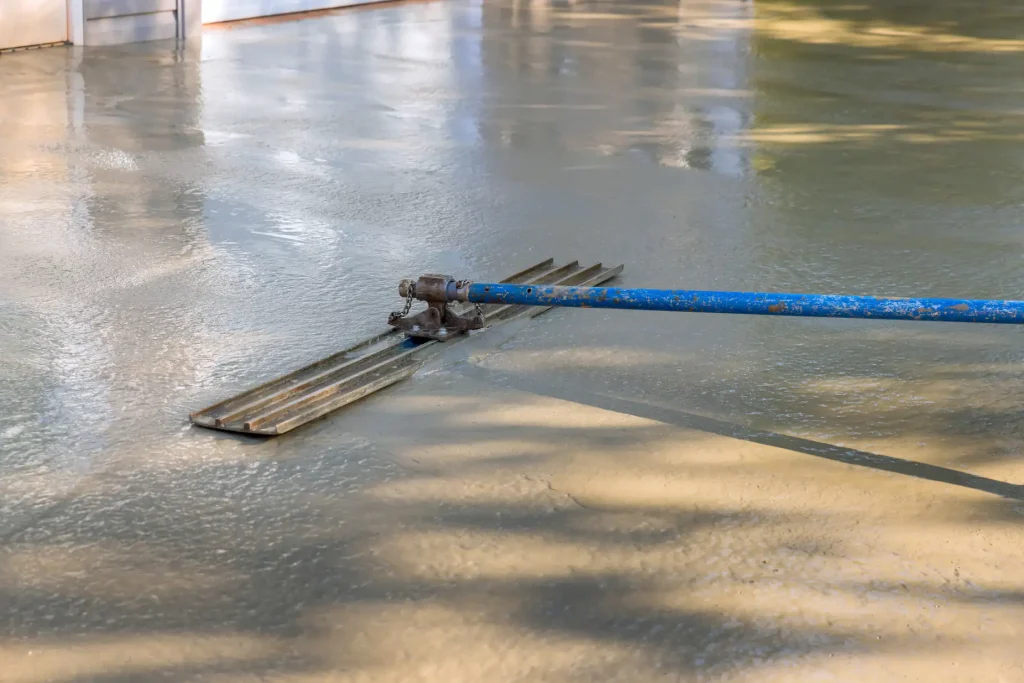
The tools you use directly determine the quality of your results. Professional spray systems cost $3,000-5,000 and deliver adjustable pressure control that ensures even coverage. Hand-application tools from hardware stores simply can’t match that consistency.
Squeegees and brush applicators work for small areas, but they’re labor-intensive and prone to uneven application. You’ll see streaks, missed spots, and areas where the sealer pools because maintaining consistent thickness by hand is harder than it looks.
Professional contractors also use specialized equipment for surface preparation. Commercial power washers, crack routing tools, and hot rubber crack fillers aren’t things most homeowners own or can easily rent. These tools make a measurable difference in how well the final product performs.
Material quality varies significantly between retail and commercial products. Big box store sealers are often pre-diluted and contain fewer solids than professional-grade products. That means less protection and shorter lifespan. Commercial coal tar or asphalt emulsion sealers penetrate deeper and provide 3-5 years of protection compared to 1-2 years for retail products.
The type of sealer matters too. Asphalt-based sealers blend well with your existing surface and are affordable. Polymer-modified sealers offer superior protection against extreme weather and heavy wear. Rubberized sealers add elasticity that helps prevent cracks from forming. Knowing which product suits your specific driveway condition and traffic patterns requires experience most DIYers don’t have.
Here’s the reality: you can buy decent materials and rent some equipment, but you’re still working with consumer-grade tools and learning as you go. Professionals use this equipment every day and know exactly how to adjust for different conditions. That experience shows up in the finished product, even if you can’t see the difference on day one.
The longevity of your seal coat depends heavily on proper application technique. Professionals know how to overlap passes correctly, maintain consistent speed, and adjust for slope and drainage patterns. These details seem minor until you’re looking at a driveway that’s wearing unevenly two years later.
Making the Right Choice for Your Driveway
Choosing between professional and DIY driveway sealing comes down to three factors: your skill level, your available time, and how much risk you’re willing to accept. If you’ve done this before, have the right weather window, and understand surface preparation requirements, DIY can work. For most homeowners, especially in Sussex County where climate conditions are unforgiving, professional application makes more sense.
The upfront cost difference is real, but so is the performance gap. Professional sealcoating lasts longer, protects better, and comes with warranties that give you recourse if something goes wrong. When you factor in the time you’d spend doing it yourself and the potential cost of fixing mistakes, the price difference shrinks considerably.
If you decide to hire a contractor, do your homework. Verify they’re licensed and insured, ask for references, get everything in writing, and never pay the full amount upfront. Watch out for red flags like unmarked trucks, cash-only payments, or high-pressure tactics about leftover materials.
At Platinum Paving, we handle both residential and commercial driveway sealing projects throughout Morris, Sussex, and Somerset County. We understand the local climate challenges and provide transparent pricing with no surprises. Reach out to discuss your specific situation and get a clear picture of what your driveway actually needs.