Summary:
You’re looking at your driveway and you know it needs work. Maybe it’s cracked beyond repair, or maybe you’re building new in Newton or Sparta and trying to figure out which material makes sense. The question isn’t just concrete or asphalt—it’s which one will actually hold up to Sussex County winters without turning into a maintenance nightmare three years from now.
You’ve probably read conflicting advice online. One site says concrete lasts forever. Another swears asphalt is the only choice for New Jersey. Meanwhile, you’re stuck trying to figure out which material won’t crack apart the first time temperatures drop below freezing.
Here’s what you actually need to know about both options, how they perform in our climate, and what the real costs look like when you factor in more than just the installation price.
Cost to Install Asphalt Driveway: Complete Pricing Guide
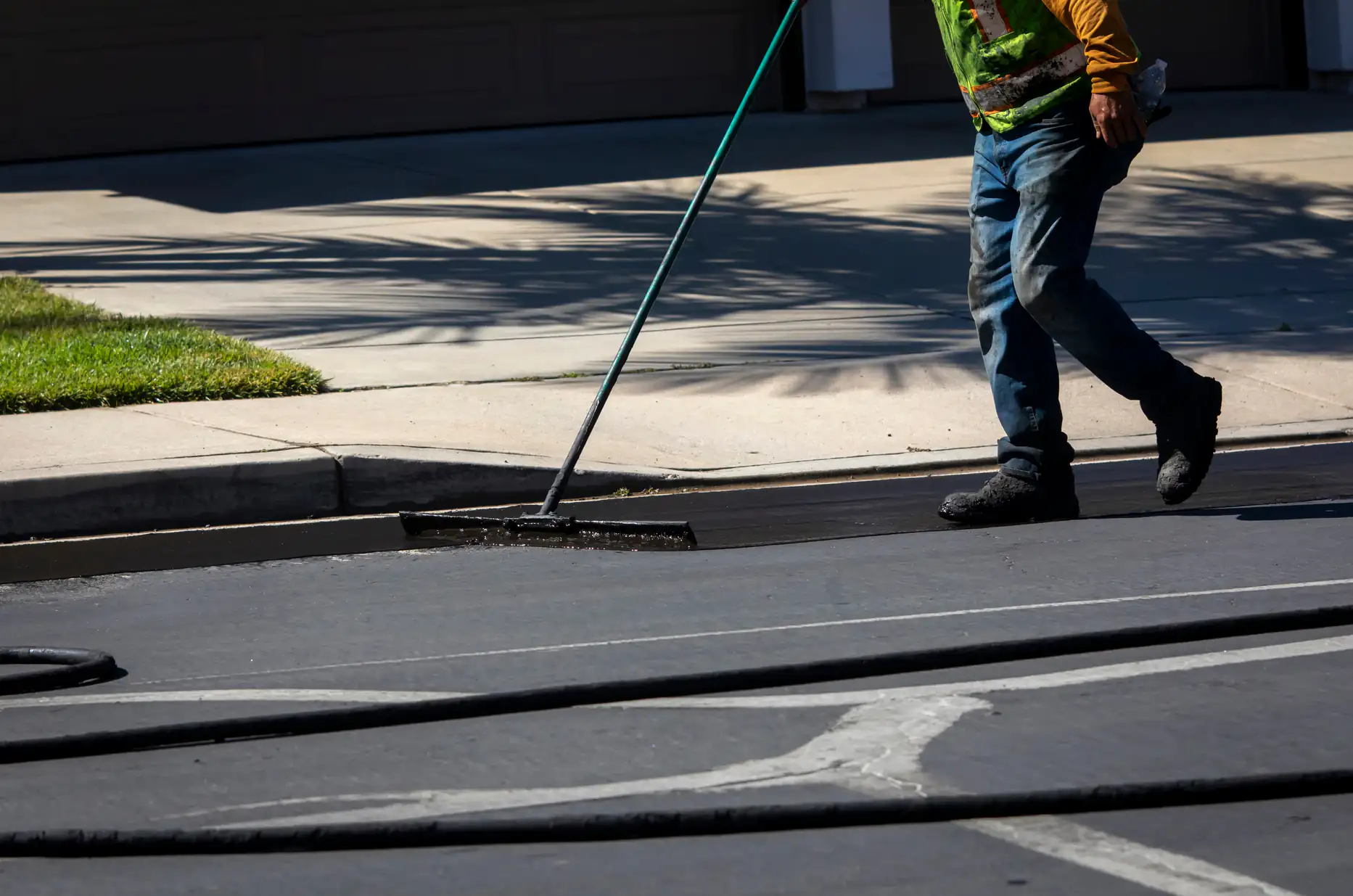
Asphalt installation in Sussex County runs between $5 and $12 per square foot when you factor in materials, labor, and proper base preparation. For a standard two-car driveway of about 600 square feet, you’re looking at $3,000 to $7,200 for the complete job.
That’s the upfront number. But upfront cost only tells part of the story.
You’ll need to seal your asphalt driveway about a year after installation, then again every three to five years after that. Each sealing runs $500 to $1,000 depending on your driveway size. Over 20 years, those maintenance costs add up to roughly $2,000 to $3,000 on top of your initial investment. The material itself typically lasts 15 to 30 years with proper care, which means you might be looking at resurfacing or replacement before you hit the three-decade mark.
What Drives Asphalt Driveway Costs in Sussex County
The base price changes based on factors specific to your property. Site preparation matters more than most homeowners realize—if your existing driveway needs removal, add another $1 to $2 per square foot for demolition and hauling. Properties with drainage issues or unstable soil need extra foundation work, which can increase costs significantly.
Driveway length plays a role too. Sussex County properties, especially in more rural areas near Newton or Sparta, often have longer driveways than suburban homes. A 500-foot driveway at 12 feet wide gives you 6,000 square feet of asphalt to install and maintain. Widen that to 16 feet and you jump to 8,000 square feet—a 33% cost increase.
The thickness of your asphalt layer matters for longevity. Most residential driveways need 2 to 3 inches of asphalt over a properly compacted base. If you regularly park heavy vehicles like trucks or RVs, you’ll want 4 inches or more. Thicker installations cost more upfront but last longer and handle weight better.
Timing affects price too. Spring through early fall represents peak season for paving work in Morris and Sussex Counties. Demand drives prices up during these months. If your timeline is flexible and you can schedule during slower periods, you might save 10% to 15%. Just remember that asphalt needs to be installed when temperatures consistently stay above 50°F, which limits your window in northern New Jersey.
The quality of materials and installation technique directly impacts how your driveway performs through Sussex County’s freeze-thaw cycles. High-grade hot mix asphalt applied at the proper temperature and compacted correctly costs more than rushed work with subpar materials. But that difference shows up in how well your driveway survives its first real winter. Water that seeps into poorly installed asphalt freezes, expands, and creates the cracks that turn into expensive repairs.
Base preparation determines whether your driveway lasts 15 years or 30. The aggregate base needs proper excavation, grading for drainage, and thorough compaction before any asphalt goes down. Contractors who cut corners on base work deliver driveways that develop problems within a few years. You’ll see settling, cracking, and premature failure that could have been prevented with proper installation from the start.
Asphalt Installation Timeline and Performance
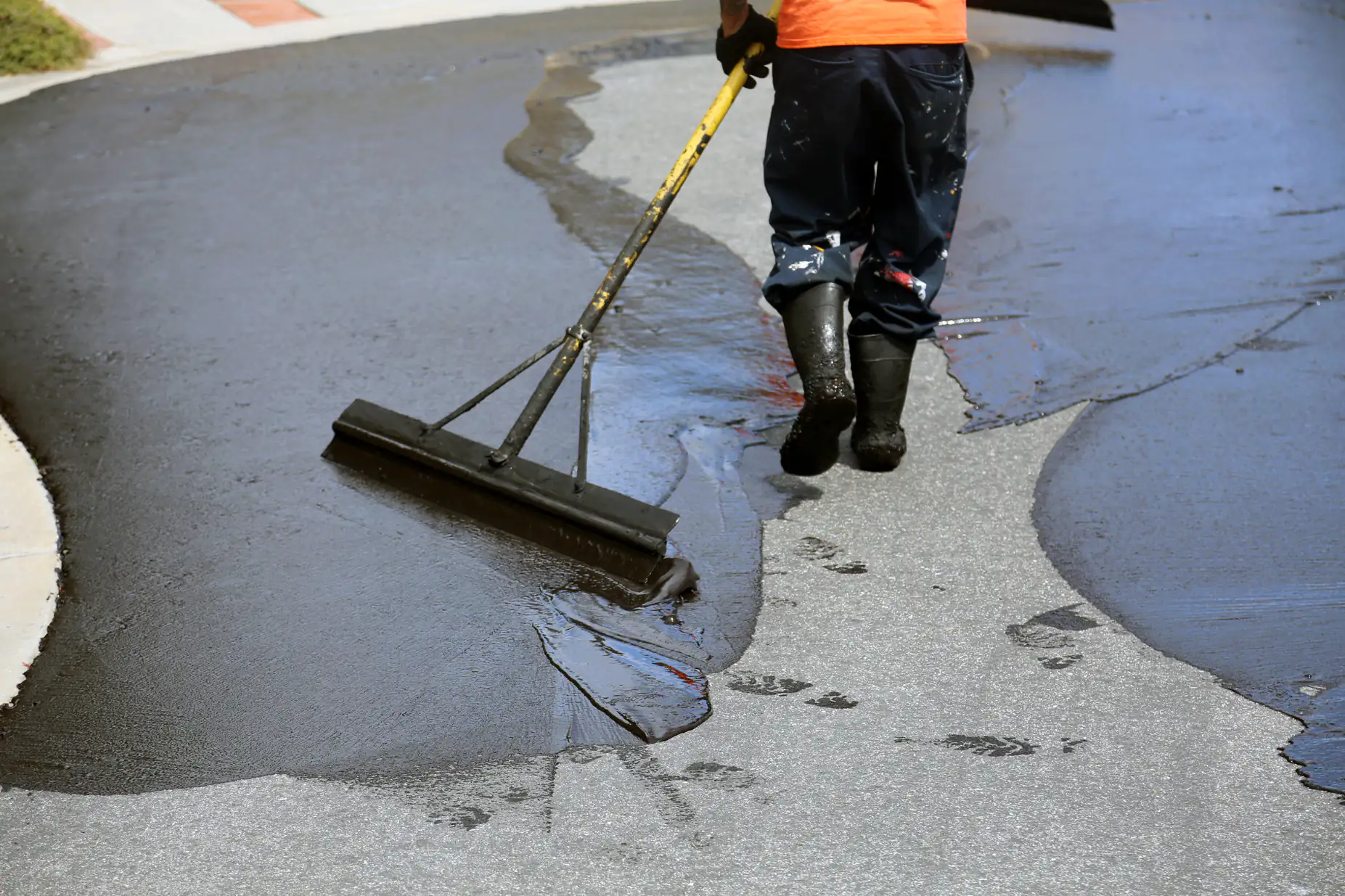
Asphalt moves fast compared to other driveway materials. Most residential installations in Vernon or Hopatcong take one to two days from start to finish. Day one typically involves removing your old driveway if needed and preparing the base. Day two covers the actual asphalt installation and compaction.
You can walk on your new asphalt almost immediately after installation. Light vehicle traffic is usually fine within 24 to 48 hours. That quick turnaround means less disruption to your daily routine compared to materials that need extended curing time.
The dark surface of asphalt absorbs heat from the sun, which helps snow melt faster in winter. Less time spent shoveling sounds good until you consider the flip side—that same heat absorption means your driveway can get uncomfortably hot during summer and may soften slightly in extreme heat. It’s not usually a problem for residential driveways in Sussex County, but it’s worth knowing if you live in an area that regularly sees temperatures above 90°F.
Asphalt repairs blend in better than concrete repairs. When cracks or potholes develop, we can patch them with material that matches your existing surface reasonably well. The repairs aren’t invisible, but they’re far less noticeable than concrete patches, which often stand out no matter how carefully they’re done.
The petroleum-based composition of asphalt makes it recyclable. Old asphalt can be reclaimed and reused in new installations, which reduces waste. If environmental impact matters to you, that’s a point in asphalt’s favor. The production process does rely on petroleum products, though, which comes with its own environmental considerations.
Asphalt’s flexibility gives it an advantage in freeze-thaw conditions common throughout North Jersey. The material expands and contracts with temperature changes without cracking as readily as more rigid materials. When water seeps into small cracks and freezes—which happens constantly during Sussex County winters—asphalt’s flexibility helps it survive those cycles better than materials that can’t move with the stress.
Want live answers?
Connect with a Platinum Paving expert for fast, friendly support.
Is Concrete or Asphalt Better for a Driveway in New Jersey
Concrete costs more upfront but requires less frequent maintenance over its lifespan. Installation runs $6 to $15 per square foot in Sussex County, NJ, putting a typical 600-square-foot driveway between $3,600 and $9,000. That’s roughly 20% to 40% more than asphalt for the initial installation.
The payoff comes in longevity and maintenance requirements. Concrete driveways last 30 to 50 years with proper care—potentially double the lifespan of asphalt. You’ll need to seal concrete occasionally, typically every 5 to 10 years, but those applications cost less and happen less frequently than asphalt sealing. Over a 30-year period, the total cost of ownership between the two materials ends up surprisingly similar.
Climate plays a huge role in which material performs better for your specific property. Sussex County’s location creates specific challenges that affect both materials differently.
How Sussex County Freeze-Thaw Cycles Impact Your Driveway Choice
Sussex County experiences 55 to 75 freeze-thaw cycles every winter. That’s not a theoretical number—it’s what actually happens to your driveway between November and March. Each cycle matters because of what happens at the molecular level.
Water seeps into tiny cracks and pores in your driveway material during the day when temperatures rise above freezing. When temperatures drop overnight, that water freezes and expands by about 9%. Ice takes up more space than water, and that expansion generates enough force to split rock. It definitely has enough force to damage driveway materials.
When the ice thaws, the water seeps deeper into the cracks that just got widened. The next freeze expands those cracks further. This process repeats dozens of times each winter, turning hairline cracks into structural problems by spring.
Asphalt’s flexibility helps it survive this cycle better than concrete’s rigidity. The material can expand and contract with temperature changes without fracturing as easily. That doesn’t mean asphalt is immune to freeze-thaw damage—it just handles the stress differently than concrete.
Concrete’s rigid structure makes it more vulnerable to cracking during extreme temperature swings common in Morris and Sussex Counties. When water freezes in concrete cracks, the expansion can cause the material to fracture. Road salt accelerates the damage by attracting moisture and eating away at the surface. Properties near Lake Hopatcong face this challenge more intensely because temperature swings happen more frequently near the water.
The clay-heavy soils common in Morris and Sussex Counties retain moisture longer than sandy soils. That prolonged moisture exposure creates more opportunities for freeze-thaw stress on your driveway foundation. Proper drainage becomes critical—water needs somewhere to go instead of pooling under your pavement where it can freeze and cause base failure.
Both materials can handle New Jersey winters when installed correctly with proper drainage and base preparation. The difference shows up in how they fail when problems develop. Asphalt typically develops surface cracks and potholes that are relatively straightforward to repair. Concrete tends to crack in larger sections that are more expensive to fix and harder to match aesthetically.
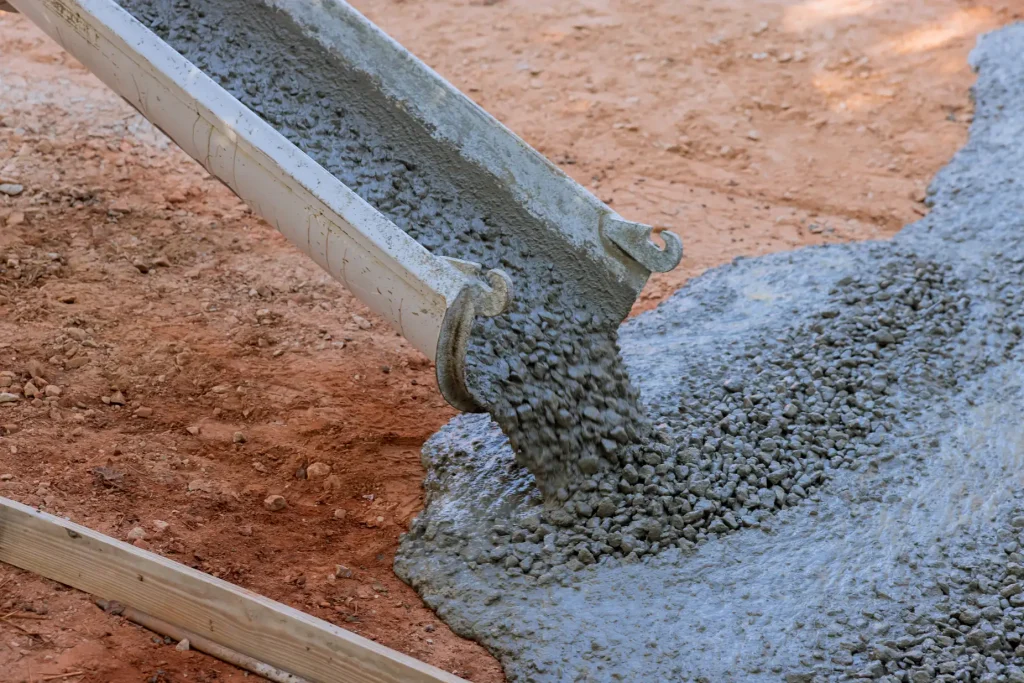
Cost Difference Between Asphalt and Concrete: 20-Year Comparison
Looking at just the installation price misses the bigger picture. The real cost comparison needs to account for maintenance, repairs, and potential replacement over the life of your driveway.
Asphalt starts cheaper but demands more frequent attention. Figure on sealing every three to five years at $500 to $1,000 per application. Minor crack repairs cost $1 to $3 per linear foot. Resurfacing, which you might need around the 15-year mark, runs $1 to $3 per square foot. If you need full replacement after 20 to 25 years, you’re back to that initial installation cost of $5 to $12 per square foot.
Concrete’s higher upfront cost spreads out differently. Sealing every 5 to 10 years costs less per application because you’re doing it less often. Repairs cost more when they’re needed—$3 to $25 per square foot depending on the damage—but they happen less frequently if the installation was done right. The longer lifespan means you might never need replacement if you’re planning to stay in your home for 20 to 30 years.
Over a 30-year period, asphalt might cost $8,000 to $10,000 total when you add up installation, regular sealing, repairs, and potential resurfacing. Concrete comes in around $6,500 to $9,000 for the same timeframe. The gap isn’t as wide as the initial price difference suggests.
Your specific situation determines which makes more financial sense. If you’re planning to sell your Newton or Sparta home within 10 years, asphalt’s lower upfront cost might appeal more. If you’re settling in for decades, concrete’s longevity and lower maintenance frequency could deliver better value.
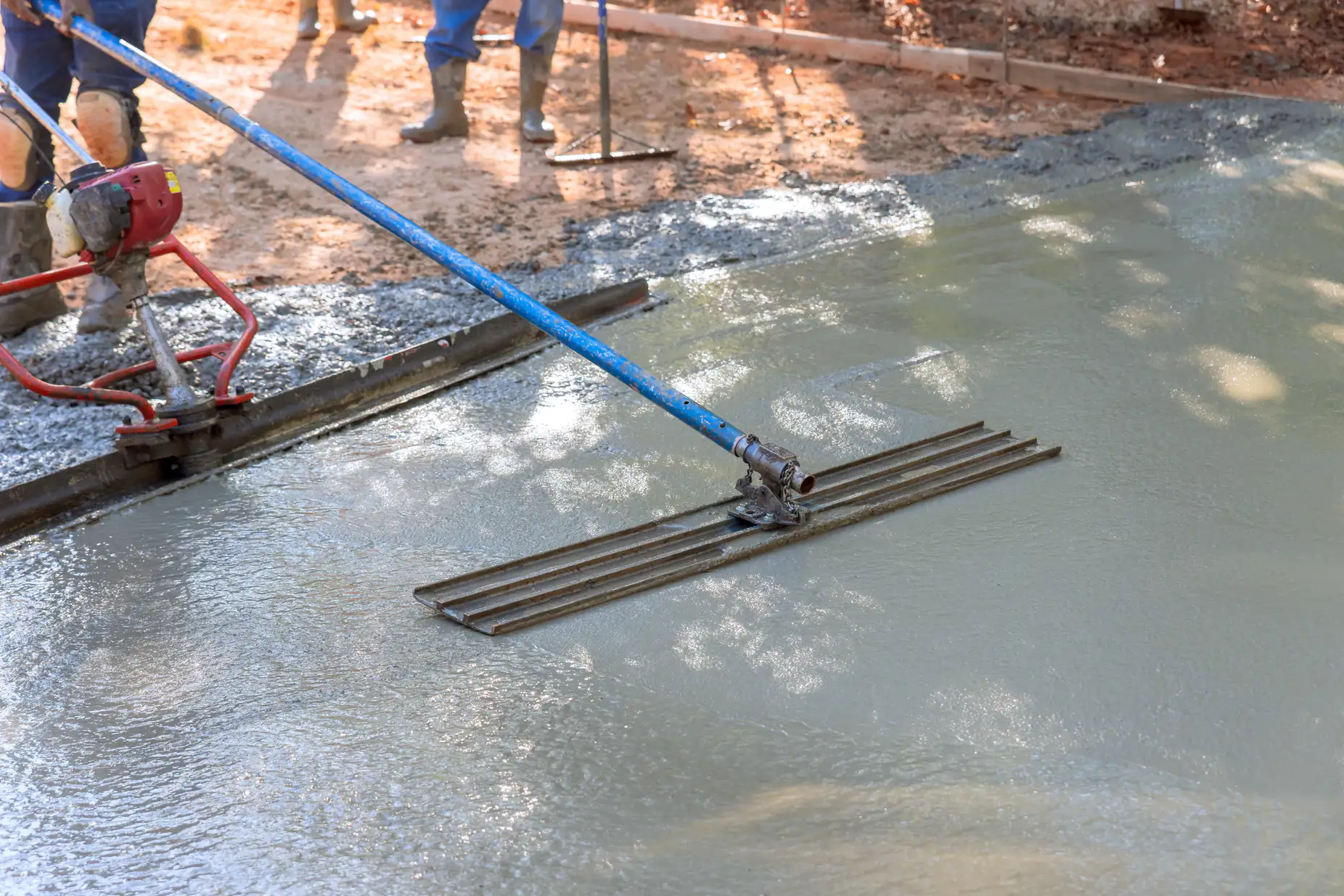
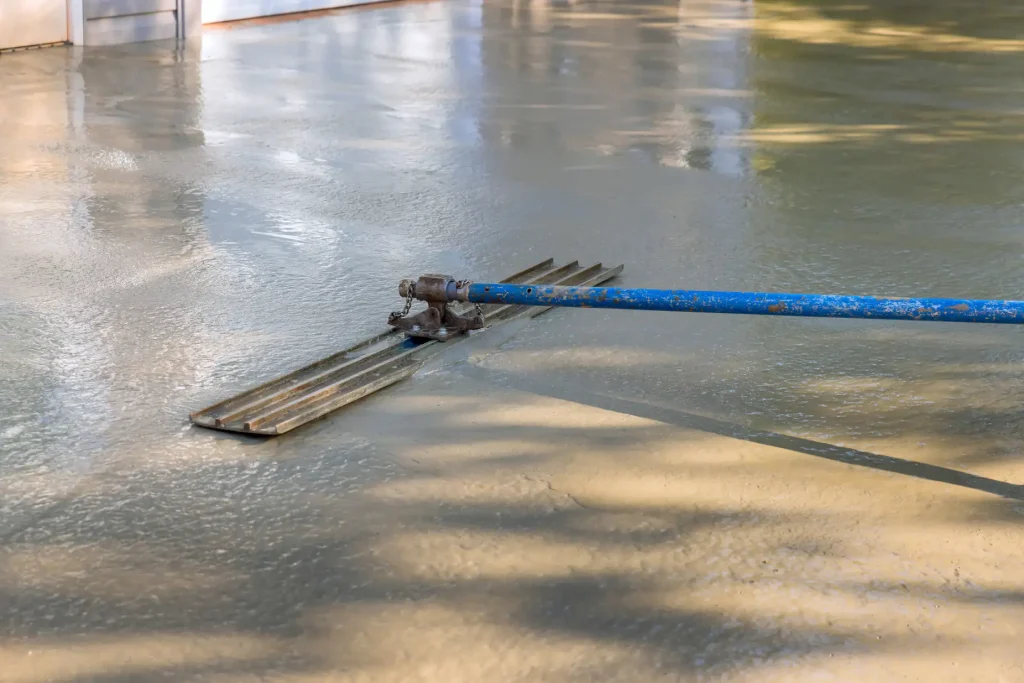
The installation timeline differs significantly between materials. Asphalt goes down in a day or two and you can use it almost immediately. Concrete takes longer to install and requires a seven-day cure before you can drive on it, with full strength developing over 30 days. If you need your driveway back in service quickly, that timeline matters.
Customization options favor concrete. You can stamp it to look like stone or brick, stain it in various colors, or expose the aggregate for texture. Asphalt offers limited aesthetic options—mostly variations of black or dark gray, though stamped asphalt is available. If curb appeal and design flexibility matter for your Sussex County property, concrete gives you more to work with.
Repair visibility is another consideration. Asphalt patches blend reasonably well with the existing surface. Concrete repairs often stand out because matching the color and texture of the original pour is difficult. If you’re particular about appearance, that difference might influence your choice.
Choosing the Right Driveway Material for Your Sussex County Property
The choice between concrete or asphalt comes down to your specific situation—how long you’re planning to stay in your home, what your budget looks like, and how much ongoing maintenance you’re willing to handle.
Asphalt delivers lower upfront costs, faster installation, and better performance in freeze-thaw cycles. You’ll need to seal it more often and plan for potential resurfacing or replacement sooner. Concrete costs more initially but lasts longer with less frequent maintenance. It offers more design options but can crack in extreme cold if not installed properly.
Both materials work in Sussex County when installed correctly with proper base preparation and drainage. The key is working with contractors who understand local conditions—the freeze-thaw cycles, the clay soils, the temperature swings near Lake Hopatcong, and the drainage challenges that come with our climate.
We handle both concrete and asphalt installations throughout Morris, Sussex, and Somerset Counties. We can evaluate your property, discuss your timeline and budget, and recommend the option that actually makes sense for your situation. No pressure toward one material or the other—just honest guidance based on 20-plus years of seeing how both perform in North Jersey conditions.