Summary:
You’re trying to figure out if concrete or asphalt makes more sense for your driveway. The internet gives you national averages that don’t account for Sussex County winters. Contractors push whatever they specialize in. And you’re stuck trying to decode which option actually works here, where temperatures swing forty degrees in a week and freeze-thaw cycles crack driveways from the inside out.
Here’s what actually matters: how each material handles our specific climate, what you’ll really pay over twenty years instead of just at installation, and how to spot contractors who understand the difference between a quick job and one that lasts. Let’s start with the cost question everyone asks first.
Is Asphalt or Concrete Driveway Cheaper
Asphalt costs less upfront. In Sussex County, you’re looking at about four to eight dollars per square foot for proper asphalt installation, while concrete runs eight to fifteen dollars per square foot. For a standard two-car driveway around four hundred square feet, that’s thirty-five hundred to fifty-five hundred for asphalt versus forty-five hundred to seven thousand for concrete.
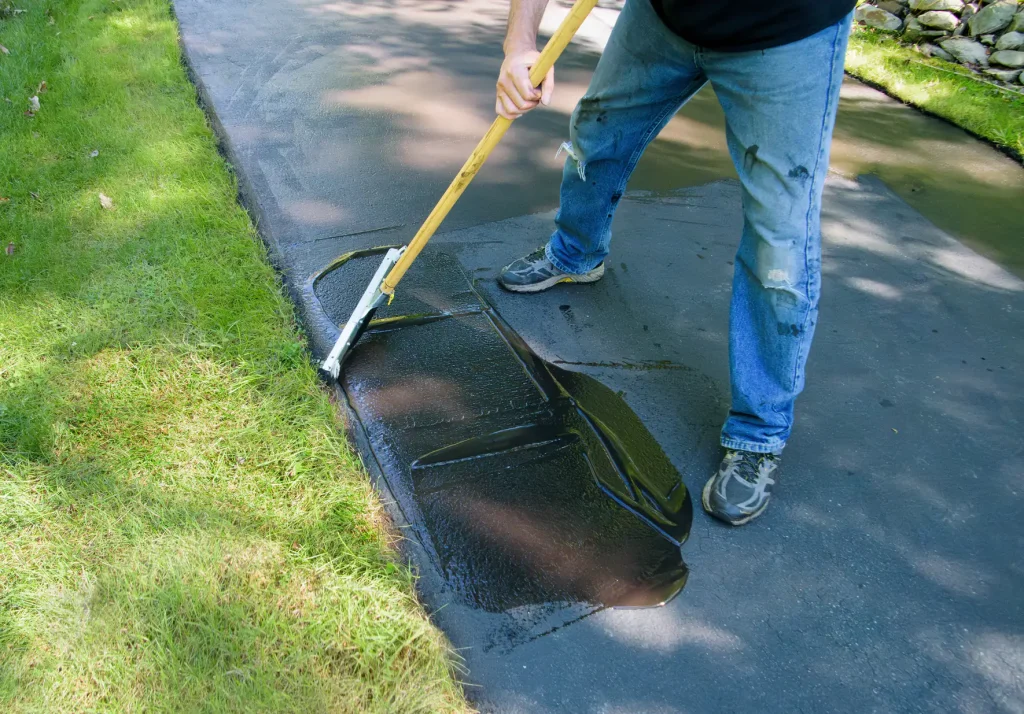
But upfront cost tells you almost nothing about which option saves money. Asphalt needs sealcoating every two to three years at around seventy-five cents per square foot. That’s three hundred dollars every few years for that same four-hundred-square-foot driveway. Over twenty years, you’re adding fifteen hundred to two thousand in maintenance costs.
Concrete requires less frequent maintenance but costs more when repairs become necessary. Small concrete repairs might run three hundred dollars, but major crack repairs can hit three thousand. The difference is frequency. Asphalt needs regular attention. Concrete needs occasional big fixes. Your tolerance for ongoing maintenance versus occasional large expenses determines which cost structure works better for you.
Cost to Replace Asphalt Driveway with Concrete
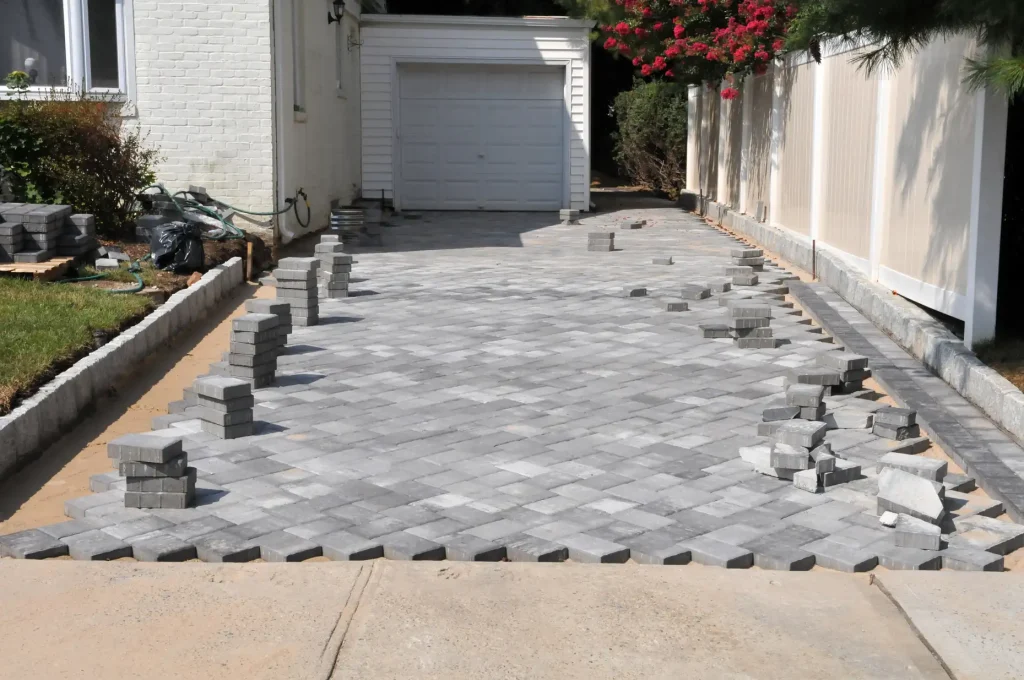
Replacing asphalt with concrete costs more than new concrete installation because you’re paying for removal first. Asphalt removal runs about two to four dollars per square foot depending on thickness and access. Then you’re paying concrete installation costs on top of that.
For that same four-hundred-square-foot driveway, removal adds eight hundred to sixteen hundred dollars to your project. So you’re looking at total costs between fifty-three hundred and eighty-six hundred dollars for the complete replacement. That’s why timing matters if you’re considering the switch.
The best time to replace asphalt with concrete is when your asphalt is already failing and needs replacement anyway. You’re paying for removal either way at that point. Ripping out functional asphalt just to switch materials rarely makes financial sense unless you have specific reasons like heavy vehicle loads or aesthetic preferences that justify the premium.
Base condition matters more than most homeowners realize. If your asphalt failed because of poor base preparation, you need to address that foundation issue regardless of which surface material you choose. Concrete poured over the same weak base that destroyed your asphalt will fail just as quickly. The foundation determines whether your investment lasts five years or twenty-five, not the surface material.
Drainage upgrades often become necessary during replacement projects. If standing water contributed to your asphalt failure, switching to concrete without fixing drainage just transfers the problem to more expensive material. Proper grading, French drains, or catch basins might add four hundred to twenty-four hundred dollars but prevent the same destruction cycle from repeating.
Contractors who quote replacement without evaluating your base and drainage are either inexperienced or hoping you don’t ask questions. The material switch itself is straightforward. The foundation work that determines long-term success requires expertise that separates qualified concrete driveway contractors from the ones who create expensive problems.
Average Cost Per Square Foot for Asphalt Driveway
Sussex County asphalt installation runs four to eight dollars per square foot when done properly. That range exists because installation quality varies dramatically, and you get what you pay for in ways that aren’t obvious until winter hits.
The low end of that range typically means minimal base preparation, thinner asphalt application, and contractors who disappear when problems develop. You might save a thousand dollars upfront. You’ll spend three times that fixing premature failure when freeze-thaw cycles exploit weak installation within two years.
The higher end includes proper excavation to correct depth, compacted aggregate base designed for clay soil conditions, and asphalt applied at proper thickness and temperature. This is what actually survives Sussex County winters. The price difference reflects work you can’t see but will definitely feel when your neighbor’s cheap driveway cracks while yours doesn’t.
New Jersey prices run fifteen to twenty-five percent higher than national averages you’ll find online. That’s not price gouging. It reflects higher labor costs, stricter municipal permit requirements, and the need for thicker base layers to handle our freeze-thaw cycles. Contractors quoting national average prices either don’t understand local conditions or aren’t building to standards that work here.
Size affects per-square-foot pricing through economies of scale. A two-hundred-square-foot driveway might cost fifteen to twenty dollars per square foot total, while a six-hundred-square-foot driveway drops to ten to fifteen per square foot. Equipment setup costs get distributed across more area, reducing the per-unit price.
Access and site conditions add costs that quotes should address upfront. Tight spaces requiring smaller equipment, steep grades, overhead obstructions, or significant drainage challenges increase labor requirements. Contractors who quote without evaluating these factors are guessing, and you’ll pay the difference when “unexpected” issues appear mid-project.
Material quality varies within asphalt itself. High-grade hot mix asphalt applied at proper temperature performs dramatically better than cheaper mixes or improperly heated material. You can’t see the difference by looking at the finished surface. You’ll see it in three years when properly installed driveways still look new while cheap installations are cracking and fading.
Want live answers?
Connect with a Platinum Paving expert for fast, friendly support.
Is Concrete Driveway Better Than Asphalt
Concrete isn’t universally better than asphalt. It’s better for specific situations and worse for others. Sussex County’s climate creates conditions where asphalt actually outperforms concrete in critical ways, despite concrete’s longer lifespan and lower maintenance requirements.
Freeze-thaw cycles are the determining factor here. Water seeps into tiny cracks, freezes solid overnight, and expands with enough force to split rock. That nine to ten percent expansion generates up to thirty thousand pounds of pressure per square inch. This happens dozens of times each winter in Sussex County, particularly near Lake Hopatcong where temperature swings occur more frequently.
Asphalt’s flexibility allows it to expand and contract with temperature changes without cracking. It’s designed to move. Concrete’s rigidity means it resists movement until pressure exceeds its structural capacity, then it cracks. Those cracks are more expensive to repair and more visible than asphalt damage. For northern New Jersey specifically, asphalt’s flexibility makes it the better choice for freeze-thaw resistance.
Concrete performs better in extreme heat. Summer temperatures that soften asphalt don’t affect concrete. If you regularly park heavy vehicles or RVs during July and August heatwaves, concrete won’t develop the indentations and ruts that asphalt can show under heavy loads in high heat. This matters more in southern climates than here, but it’s still a consideration for specific use cases.
Concrete vs Asphalt Durability and Lifespan
Concrete lasts longer on paper. Thirty to fifty years versus asphalt’s fifteen to thirty years. But those numbers assume proper installation and appropriate climate conditions. In Sussex County’s harsh winters, both materials face accelerated wear that changes the calculation.
Properly installed asphalt in northern New Jersey typically delivers fifteen to twenty-five years of service with regular maintenance. That maintenance is non-negotiable here. Sealcoating every two to three years protects against water infiltration and UV damage. Skip it, and you’re looking at the low end of that lifespan range or worse.
Concrete can hit forty years or more with minimal maintenance, but only if installation accounts for freeze-thaw cycles. That means proper joint placement, adequate rebar reinforcement, and mix designs that include air entrainment for freeze-thaw resistance. Many concrete installations skip these climate-specific requirements and crack within five to ten years.
The durability difference narrows significantly when you factor in climate-appropriate installation. Well-installed asphalt maintained properly competes with concrete for effective lifespan in our conditions. The maintenance schedules differ, but the total years of service can be surprisingly similar.
Repair frequency versus repair cost creates the real difference. Asphalt develops smaller, more manageable issues that cost two hundred fifty to eight hundred dollars to fix. Concrete develops fewer but larger problems that run three hundred to three thousand dollars per repair. Your preference for frequent small maintenance versus occasional large repairs should influence your choice.
Heavy traffic tolerance favors concrete for compressive strength but asphalt for volume. Concrete handles heavy vehicle weight better without deforming. Asphalt handles high traffic volume better because it’s easier and cheaper to repair when wear occurs. For residential driveways, this distinction rarely matters. For commercial applications or homes with multiple vehicles and frequent guests, it becomes relevant.
Climate Performance in Sussex County Conditions
Sussex County gets hit harder by winter weather than most of New Jersey. The region experiences forty percent more freeze-thaw cycles than central and southern parts of the state. That’s not a minor difference. It’s the difference between materials that survive intact and materials that crack apart.
Near Lake Hopatcong, temperature swings happen more frequently than inland areas just a few miles away. Water moderates those swings, creating more frequent freeze-thaw events. If you’ve noticed neighbors closer to the lake dealing with more driveway problems, this is why. Each cycle makes existing cracks larger and creates new entry points for water.
Asphalt’s dark color melts snow and ice faster than concrete. That’s not just convenience. It’s a functional advantage that reduces the time water sits on your surface. Less sitting water means fewer opportunities for freeze-thaw damage. Concrete’s lighter color reflects heat instead of absorbing it, so ice and snow linger longer.
Salt damage affects both materials but differently. Road salt penetrates porous asphalt and breaks down petroleum binders over time. Sealcoating creates a protective barrier that dramatically reduces this effect. Concrete can pit and stain from salt exposure, and those marks are permanent and visible. Neither material is immune, but proper maintenance addresses the vulnerabilities.
Summer heat creates the one condition where concrete outperforms asphalt locally. When temperatures hit ninety-plus degrees during heatwaves, asphalt can soften. Park a heavy truck on softened asphalt and you’ll get indentations. Concrete stays rigid regardless of temperature, making it the better choice if you regularly park heavy vehicles during peak summer heat.
Drainage challenges compound in Sussex County because of clay soil and rolling terrain. Clay doesn’t drain well naturally. Water that can’t drain away sits on your pavement surface, creating more freeze-thaw opportunities. Proper installation addresses this with grading and aggregate base that allows water to move through and away from the pavement structure. The material you choose matters less than whether your contractor understands local drainage requirements.
Choosing the Right Material and Contractor
Your material choice matters less than installation quality and climate-appropriate techniques. Asphalt installed properly with good drainage and regular maintenance will outlast concrete installed poorly. The contractor you choose determines whether your investment lasts five years or twenty-five, regardless of which material you select.
Look for concrete driveway contractors who evaluate your base and drainage before quoting surface work. The ones who start with material recommendations before assessing your property don’t understand what actually determines long-term success here. Foundation preparation and water management separate driveways that survive Sussex County winters from those that crack apart.
For most Sussex County properties, asphalt offers the better combination of freeze-thaw resistance, initial cost, and repair economics. Concrete makes sense when you want minimal maintenance, can afford the higher initial investment, and value the aesthetic options it provides. Neither choice is wrong if installation accounts for our specific climate challenges.
When you’re ready to move forward, we bring twenty-plus years of experience installing both materials in Morris, Sussex, and Somerset Counties. We understand what works in these conditions because we’ve been handling freeze-thaw challenges and drainage solutions here for decades.