
Hear from Our Customers
You’re not just getting a concrete slab poured in your driveway. You’re getting a surface that drains properly, supports heavy vehicles without cracking, and actually lasts through the kind of winters we get here in Morris County.
Most concrete driveway problems show up one to two years after installation. That’s when you realize the base wasn’t compacted right, the drainage wasn’t thought through, or the contractor used a mix that can’t handle our climate. By then, they’re long gone.
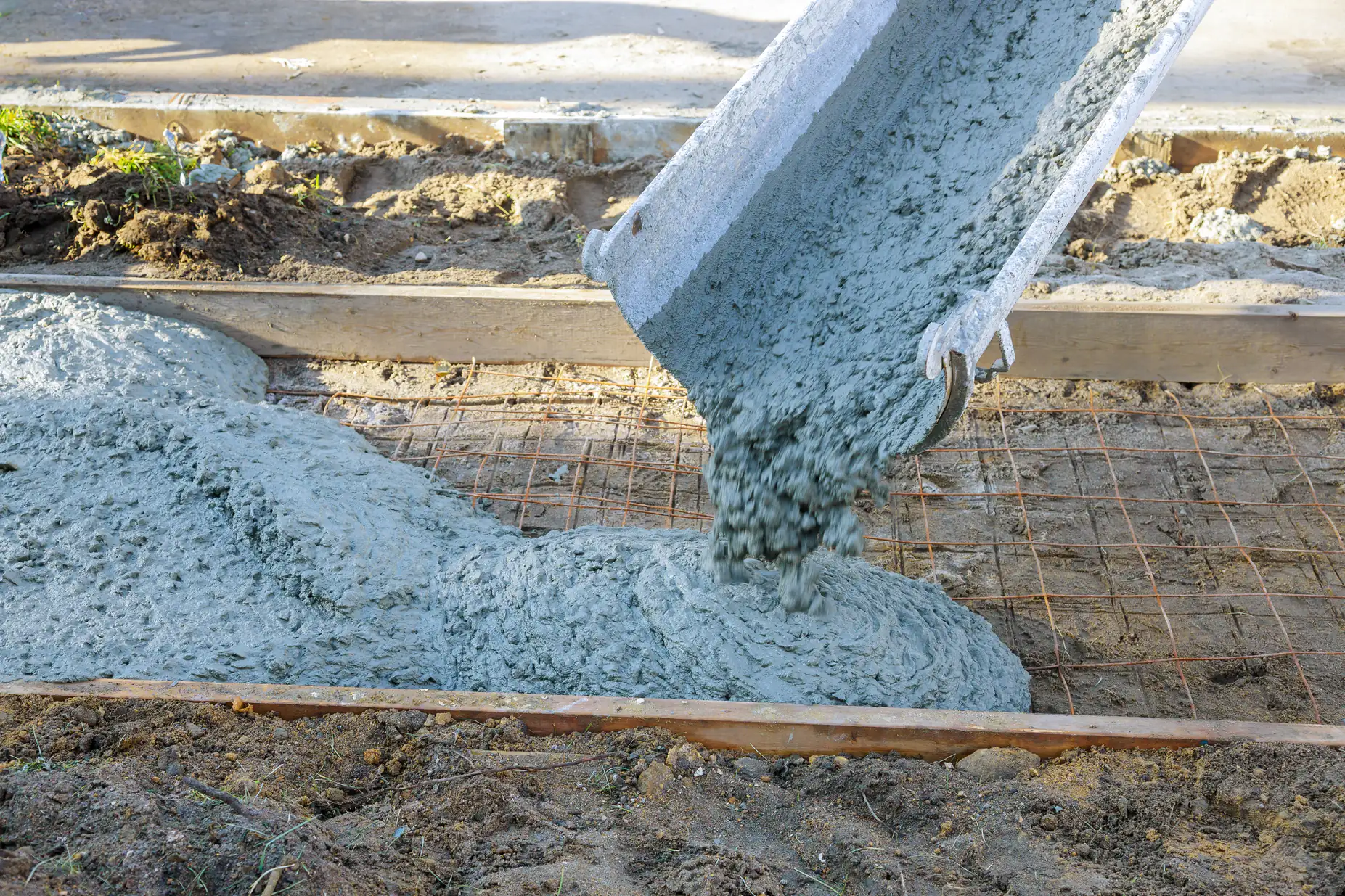
When we install a concrete driveway in Weston, NJ, we use Portland cement mixes with rebar reinforcement and plan drainage before we dig. That means no water pooling near your foundation, no premature cracking from freeze-thaw damage, and no surprise repair bills two winters later. You get a driveway that works the way it’s supposed to and stays that way.
Platinum Paving has been handling driveway installations across Morris, Sussex, and Somerset Counties for years. We’re not a crew passing through looking for quick jobs. We’re based in Morris County, and we know exactly what works here and what doesn’t.
North New Jersey has some of the toughest freeze-thaw cycles in the state. Water gets into cracks, freezes, expands, and destroys concrete that wasn’t installed with that in mind. We’ve seen it happen to driveways installed by contractors who didn’t account for it.
Our reputation depends on driveways that still look good and function properly years after we’re done. That’s why we don’t skip steps, use subpar materials, or rush jobs. You’re hiring people who understand Weston’s climate and have handled hundreds of residential driveway projects in this area.
First, we assess your property. That means looking at drainage, existing base conditions, and how water moves across your driveway area. If there’s a problem, we tell you before we start digging.
Next comes excavation and base prep. We remove the old surface, grade for proper drainage, and compact a solid base. This is where most contractors cut corners, and it’s why so many driveways fail early. We don’t skip it.
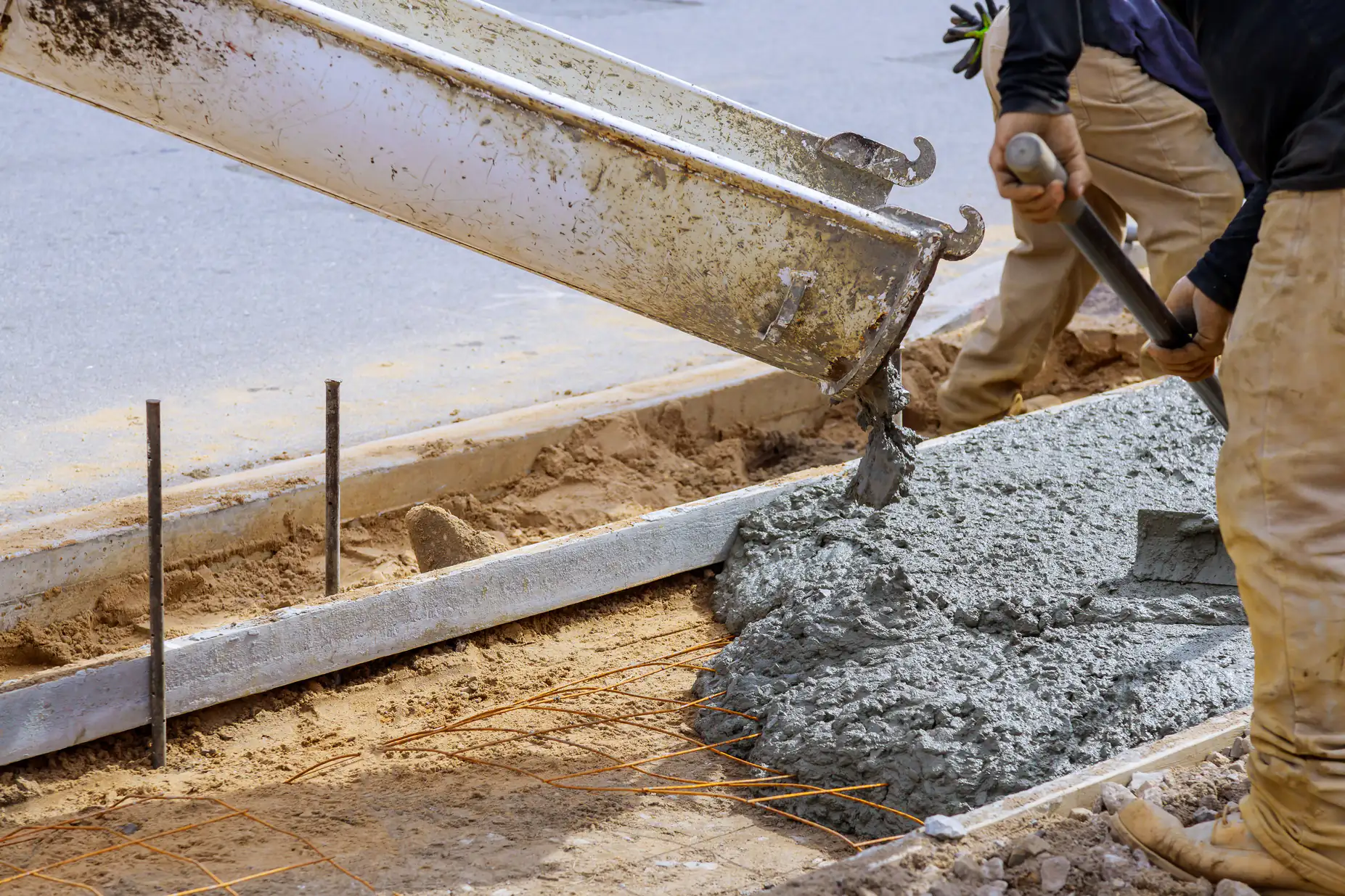
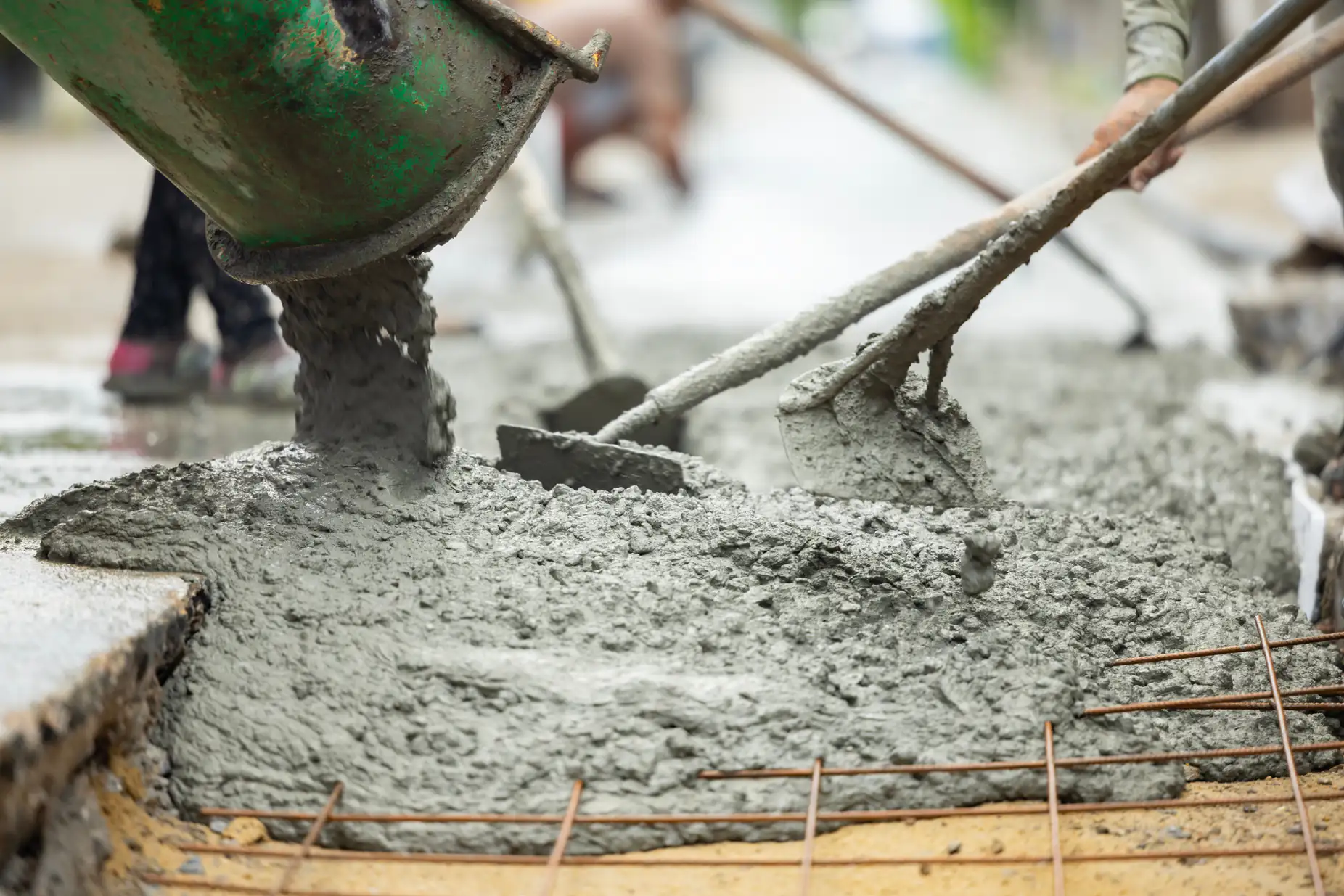
Then we install the concrete using rebar-reinforced Portland cement mixes designed for our climate. We pour at the right thickness, control joints properly, and make sure the surface slopes away from your home. Most residential driveway paving projects take two to three days from start to finish.
After installation, we walk you through curing time and maintenance. Concrete needs time to reach full strength, and you need to know when you can drive on it and how to protect your investment long-term.

Ready to get started?
Concrete driveway costs in New Jersey typically run between seven and twelve dollars per square foot for standard installations. That includes excavation, base prep, materials, and labor. Decorative options like stamped concrete or colored finishes add to that, usually running eight to twenty-one dollars per square foot depending on the pattern and complexity.
You’re also getting proper drainage planning with every project. That’s not an upsell—it’s part of doing the job right. Poor drainage causes foundation problems, garage flooding, and premature driveway failure. We plan for it from the start.
If you want decorative concrete, we offer stamped patterns and color options. Stamped concrete gives you the look of pavers or stone without the maintenance issues. It’s popular in Weston because it adds curb appeal while still handling our winters.
We provide written estimates that specify materials, timeline, and warranty terms. No vague quotes, no surprise charges halfway through. You know what you’re paying for before we start, and we stick to the schedule we give you.
A properly installed concrete driveway should last thirty to forty years in New Jersey, even with our freeze-thaw cycles. The key word there is “properly installed.”
Most concrete driveways that fail early do so because of poor base preparation or inadequate drainage. If water pools on the surface or seeps underneath, it freezes in winter, expands, and cracks the concrete. That’s not a material problem—it’s an installation problem.
When we install concrete driveways in Weston, NJ, we use rebar reinforcement and mixes designed for cold climates. We also plan drainage so water moves away from the driveway and your foundation. That’s what makes the difference between a driveway that lasts decades and one that needs major repairs in five years.
Concrete costs more upfront but lasts longer and needs less maintenance. Asphalt is cheaper initially but requires sealcoating every two to three years and typically needs replacement sooner.
Concrete handles heavy vehicles better and gives you more design options if you want decorative finishes. It’s also more resistant to oil stains and doesn’t soften in summer heat. The downside is that concrete repairs are more visible and more expensive if they’re needed.
Asphalt is easier to repair and can be patched more seamlessly. It also performs well in freeze-thaw conditions if it’s maintained properly. For most homeowners in Weston, the choice comes down to budget and how long you plan to stay in the home. If you’re thinking long-term, concrete usually makes more sense. If you need a more affordable option now, asphalt works well with proper maintenance.
Most concrete driveway installations in Weston run between four thousand and ten thousand dollars, depending on size and site conditions. A standard two-car driveway is usually around four hundred to six hundred square feet, which puts the cost in the six thousand to eight thousand dollar range for basic concrete.
That price includes excavation, base preparation, concrete materials with rebar reinforcement, labor, and basic finishing. If your property has drainage issues, difficult access, or requires extra excavation, that adds to the cost. Decorative options like stamped patterns or colored concrete also increase the price.
Be cautious of quotes that seem too low. Concrete work has real material and labor costs, and contractors who lowball quotes either cut corners on installation or add surprise charges later. We provide detailed written estimates that break down what you’re paying for, and we don’t change the price unless you change the scope of work.
Concrete can be installed in cold weather, but it requires specific techniques and conditions. The ground can’t be frozen, and temperatures need to stay above forty degrees for several days after installation so the concrete can cure properly.
Most contractors in New Jersey avoid concrete work from December through February because the conditions are too unpredictable. If temperatures drop too low too quickly, the concrete won’t reach proper strength and you’ll have problems down the road.
Spring and fall are the best times for concrete driveway installation in Weston. The weather is stable, the ground conditions are good, and the concrete has time to cure properly before extreme temperatures hit. If you’re planning a driveway project, reaching out in late winter or early spring gets you on the schedule for ideal installation conditions.
All concrete develops some cracking over time—that’s the nature of the material. The question is whether you get minor surface cracks that don’t affect function or major structural cracks that require expensive repairs.
Properly installed concrete driveways use control joints to manage where cracks occur. These are planned weak points that allow the concrete to crack in straight lines in designated areas rather than randomly across the surface. When done right, this keeps cracking minimal and manageable.
The bigger issue in New Jersey is freeze-thaw damage from water infiltration. If water gets into cracks, freezes, and expands, it makes small cracks bigger every winter. That’s why we focus on proper drainage and use concrete mixes designed for cold climates. We also recommend sealing your driveway initially and resealing every five to seven years. That keeps water out and prevents the kind of damage that turns minor cracks into major problems.
You can walk on a new concrete driveway after twenty-four hours, but you shouldn’t drive on it for at least seven days. Full curing takes about thirty days, but the concrete reaches enough strength for normal vehicle traffic after a week.
Driving on concrete too early can cause surface damage, cracking, or permanent tire marks. It’s not worth risking thousands of dollars of work to save a few days. We’ll give you a specific timeline based on weather conditions and the mix we use.
If you absolutely need driveway access during installation, we can sometimes phase the work or plan for temporary access routes. That needs to be discussed upfront so we can plan accordingly. Most homeowners in Weston just park on the street for a week—it’s a minor inconvenience compared to damaging a new driveway by using it too soon.