
Hear from Our Customers
A concrete driveway that lasts starts below the surface. The base needs proper compaction and grading so water drains away from your foundation instead of pooling in low spots. Without that, you’re looking at cracks within the first winter.
New Jersey’s freeze-thaw cycles are brutal on concrete. Water seeps into small cracks and pores, then expands when it freezes. That pressure turns hairline cracks into major problems if the installation wasn’t done right from day one.
When the work is done correctly, you get a driveway that handles heavy vehicles, resists surface wear, and maintains curb appeal for 20+ years. The difference shows up in year five when your neighbor’s cheap installation is already failing and yours still looks solid.
We’ve been handling driveway installations across Morris, Somerset, and Sussex Counties for over 20 years. We’re the local crew that Watchung homeowners call when they want it done right the first time.
We’re licensed, insured, and we don’t disappear after you hand over the deposit. You’ll get a callback within 24-48 hours of your quote request, and we’ll show up when we say we will. That shouldn’t be remarkable, but in this industry, it is.
Our work is grounded in understanding what North Jersey weather does to concrete. We’ve seen what happens when contractors skip proper base prep or use subpar materials to save a few bucks. You end up paying twice.
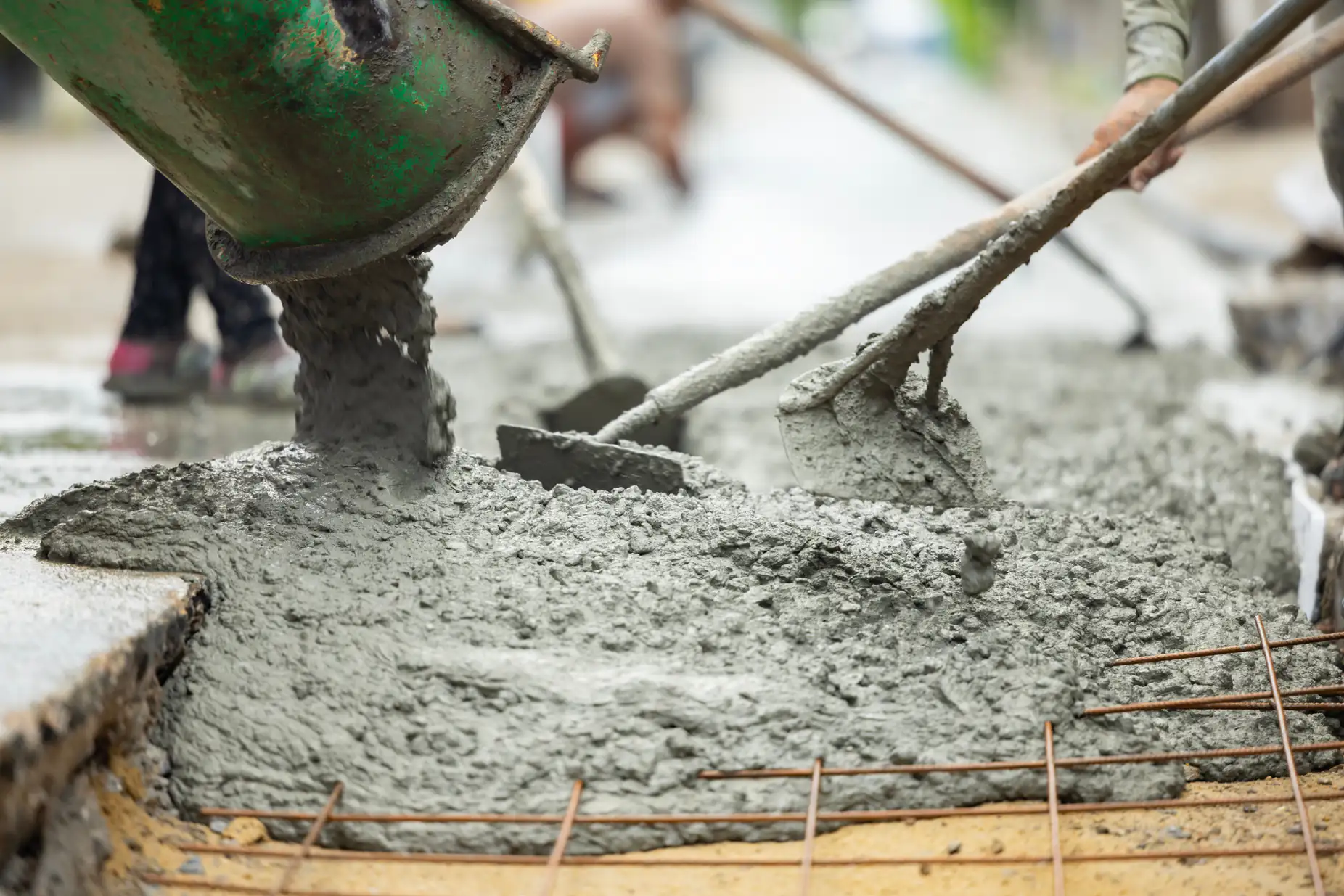
First, we excavate to the proper depth and prepare the base. This isn’t just digging and pouring. The subgrade gets compacted in layers, and we establish the right slope for drainage. If water doesn’t flow away from your home, you’ll have problems no amount of quality concrete can fix.
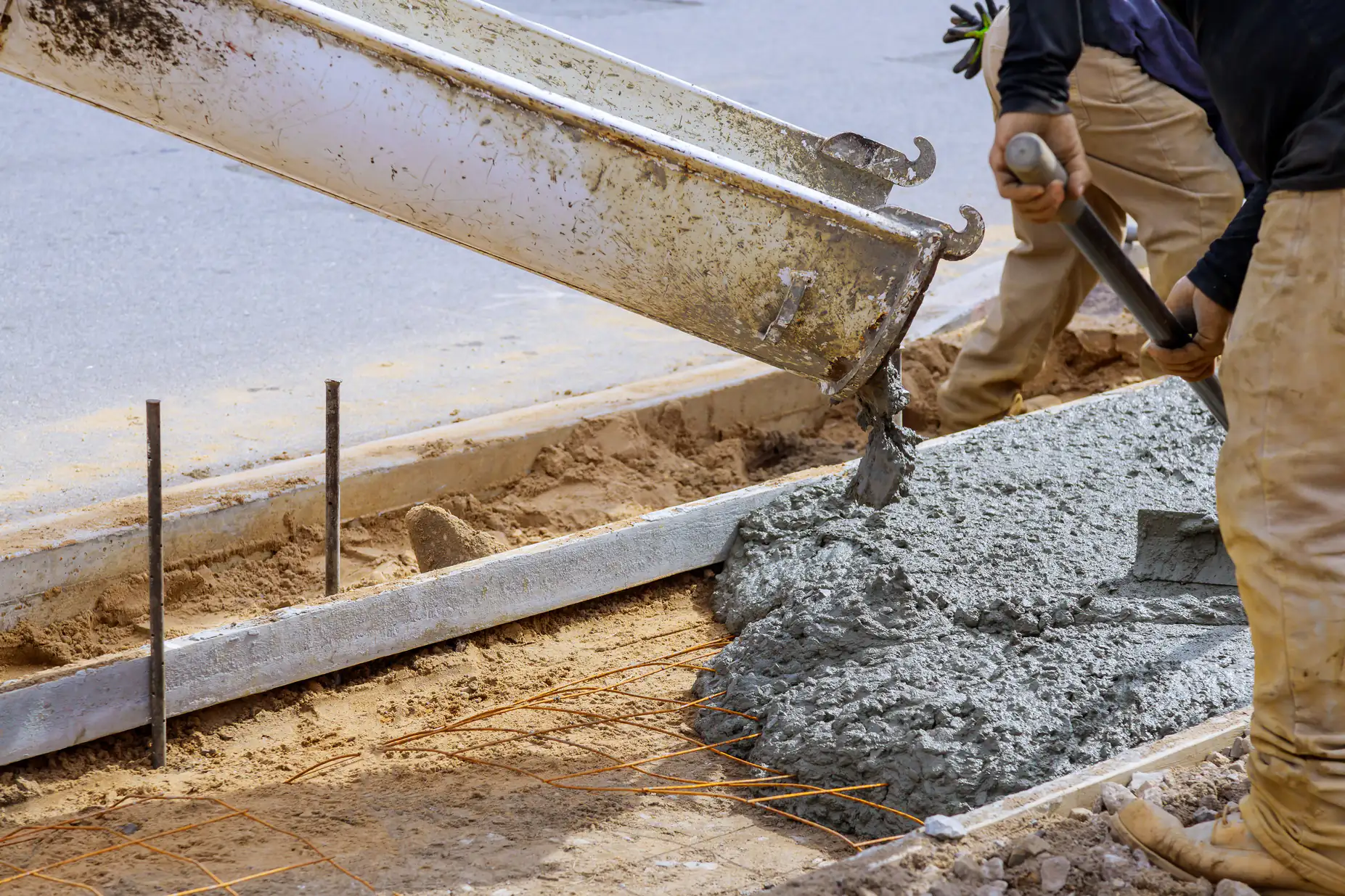
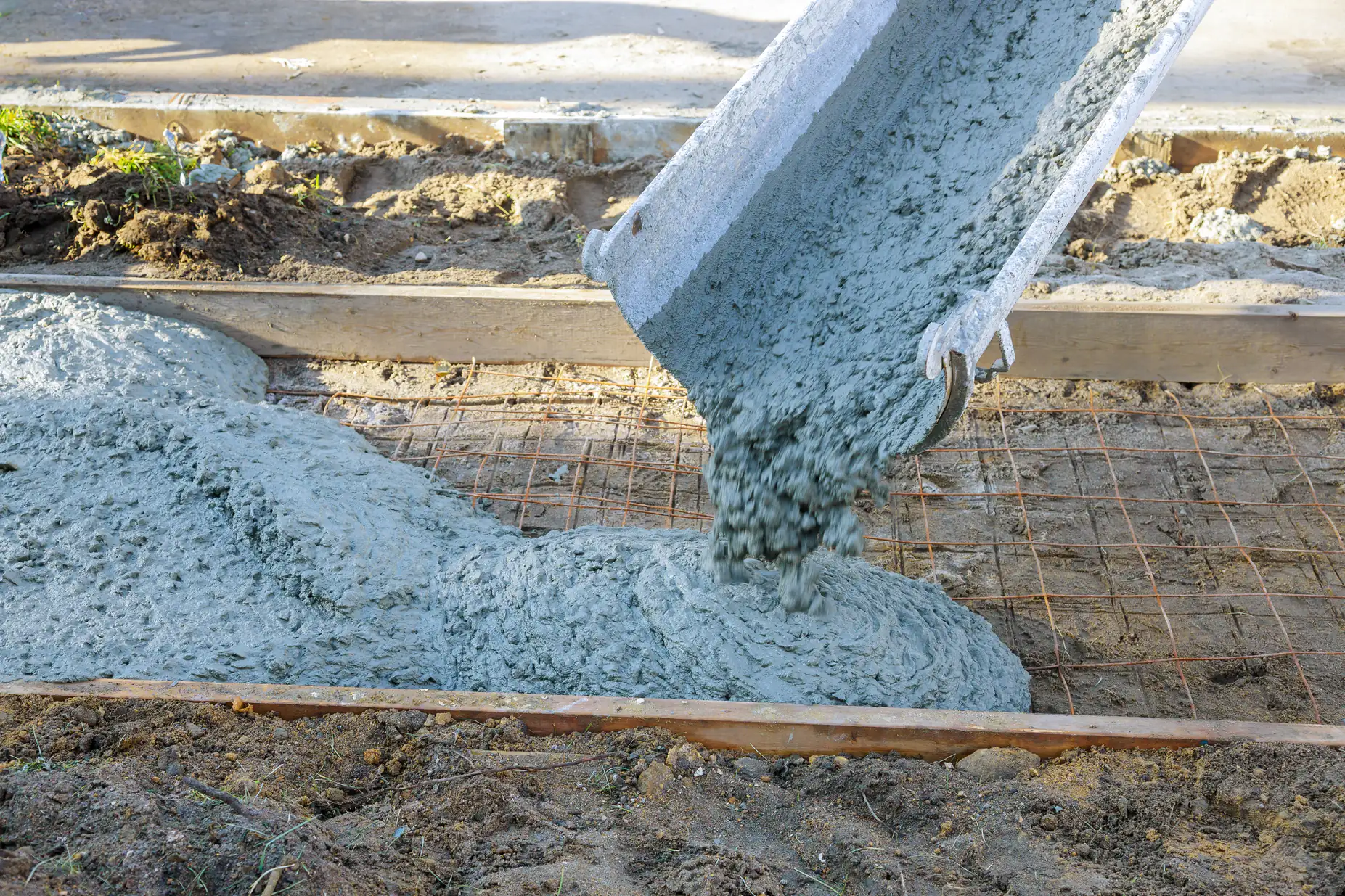
Next comes the formwork and reinforcement. We use Portland cement mixes with rebar reinforcement to prevent cracking under load. The concrete gets poured at the right temperature and properly finished. Rushing this part shows up later as surface defects and premature wear.
The curing process takes time. Most Watchung driveways are completed within three days, but you can’t drive on new concrete immediately. We don’t skip curing time to wrap up faster. That’s where long-term durability comes from. Once it’s fully cured, you’ve got a surface that can handle New Jersey winters for decades with basic maintenance.

Ready to get started?
You’re getting more than just concrete poured in your driveway space. The service includes proper site evaluation, base preparation with compaction, grading for drainage, reinforcement installation, high-quality concrete mix, professional finishing, and adequate curing time.
In Watchung and surrounding Morris County areas, soil conditions and drainage patterns matter. Your property might need additional base work or specific grading to prevent settling. We assess that upfront so there are no surprise charges halfway through the job.
For a standard two-car driveway between 400-576 square feet, you’re looking at costs ranging from $4 to $8 per square foot depending on site conditions, base prep needs, and any decorative finishes like stamped patterns. We’ll give you clear upfront pricing before work starts. If your property needs extra drainage work or has access challenges, that gets factored in from the beginning.
Timing matters too. Early spring or late fall installations in New Jersey can save you money compared to peak summer season when every contractor is booked solid and material costs spike.
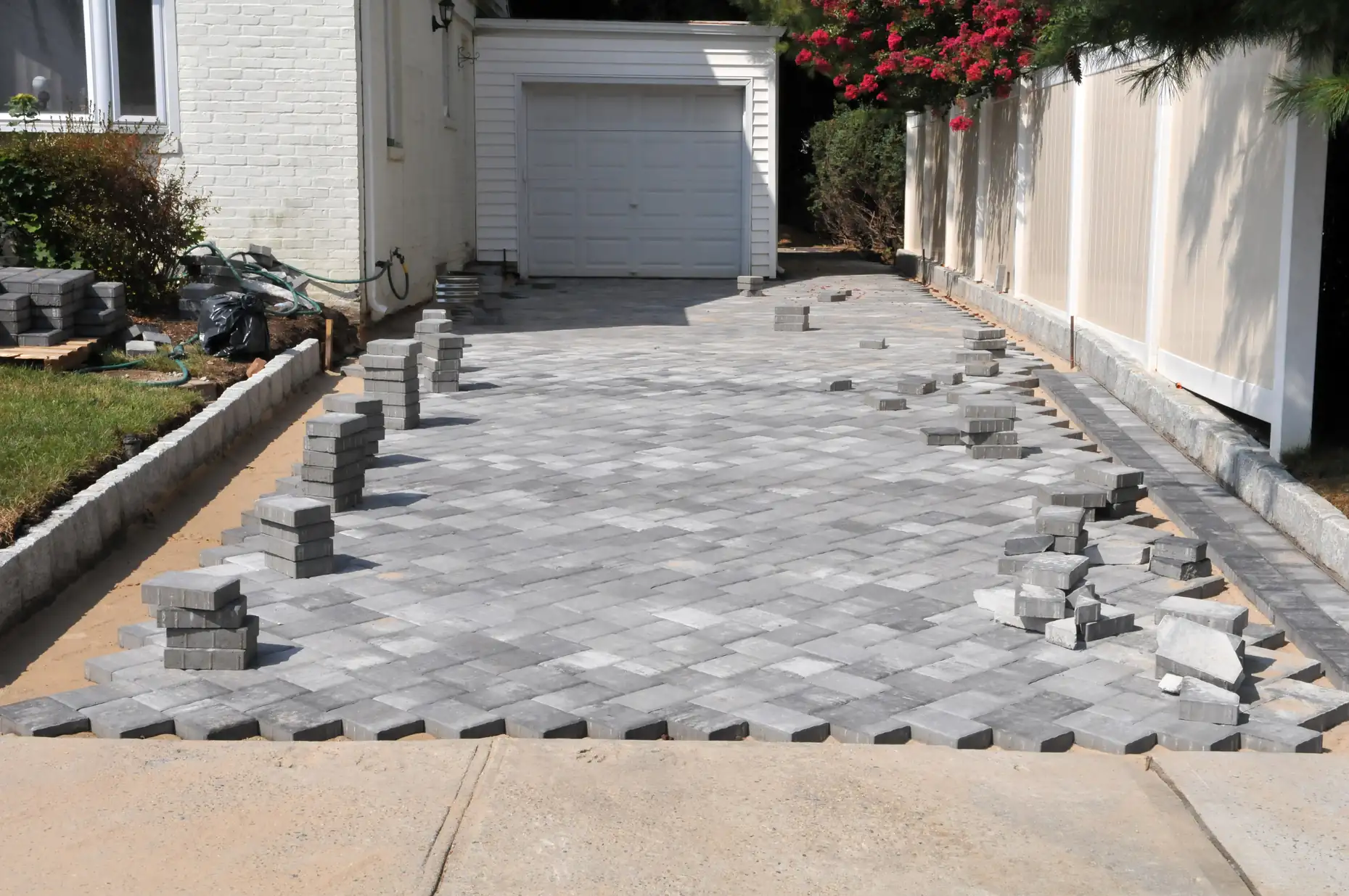
Most properly installed concrete driveways in the Watchung area last 20-30 years with basic maintenance. That lifespan depends entirely on installation quality and how well the driveway was built to handle freeze-thaw cycles.
New Jersey winters are the real test. When water gets into poorly installed concrete and freezes, it expands and creates pressure that leads to cracking. A driveway with proper base preparation, adequate reinforcement, and correct drainage will resist this damage season after season.
The driveways that fail early usually have the same problems: rushed installation, inadequate base compaction, poor drainage grading, or contractors who skipped reinforcement to save money. You can spot these issues within the first few years when cracks start spreading and sections begin settling unevenly.
Poor installation is the main culprit. If the base isn’t properly compacted or the subgrade settles unevenly, you’ll see cracks appear within the first year or two. Water infiltration and freeze-thaw damage accelerate the problem from there.
Drainage issues cause a lot of premature failure too. When water pools on your driveway instead of draining away, it finds every small crack and pore in the concrete. That water freezes in winter, expands, and turns minor surface cracks into structural problems.
Some cracking is normal over time, but if your driveway looks like a spiderweb of cracks within five years, the installation was done wrong. Proper concrete mix, adequate reinforcement, correct curing time, and professional base preparation prevent most early cracking. Cheap installations skip these steps and you end up paying for a replacement much sooner than you should.
For a standard two-car driveway in Watchung, expect to pay between $1,600 and $4,600 depending on size and site conditions. The typical range is $4 to $8 per square foot, but your actual cost depends on what your property needs.
If your site requires extra excavation, has drainage challenges, or needs additional base work because of soil conditions, that affects the final price. Access issues matter too. A driveway that’s easy to reach with equipment costs less than one requiring hand work or special staging.
Decorative options like stamped concrete patterns, colored finishes, or exposed aggregate add to the base cost. Get a detailed written estimate that breaks down materials, labor, base prep, and any site-specific work. Be suspicious of quotes that come in way below everyone else. Cheap almost always means shortcuts, and you’ll see the evidence within a few years when the driveway starts failing.
Concrete installation in freezing temperatures is risky and we won’t do it. Concrete needs to cure properly, and cold weather interferes with that process. If it freezes before it’s fully set, you’ll have surface damage and reduced strength.
The best installation windows in New Jersey are spring and fall when temperatures are moderate and consistent. You’ll often get better pricing during these shoulder seasons too, since summer is peak busy time when contractors charge premium rates.
If you absolutely need winter installation, it requires special cold-weather concrete mixes, insulated blankets during curing, and additional precautions that drive up costs. Even then, you’re taking on more risk than a spring or fall installation. We’ll recommend waiting for better weather rather than rushing a winter pour that might not perform well long-term.
Check that they’re licensed and insured first. Any contractor who hesitates to provide proof of insurance or licensing isn’t worth your time. You need protection if something goes wrong during installation.
Look for contractors with at least 5-10 years of experience specifically installing concrete driveways in New Jersey. Local experience matters because they understand regional soil conditions, drainage patterns, and climate challenges. Ask for references from recent jobs in your area and actually call them.
Get everything in writing before work starts: detailed scope, timeline, materials being used, total cost breakdown, payment schedule, and warranty terms. Be wary of contractors who want large deposits upfront or who pressure you to decide immediately. The reliable ones will give you time to compare quotes and ask questions. Watch out for contractors who go silent after getting your deposit or who keep asking for more money as the job progresses. That’s a red flag that the initial quote wasn’t honest.
Seal your concrete driveway every 2-3 years to protect against water infiltration and surface wear. This is especially important in New Jersey where freeze-thaw cycles can exploit any weakness in the concrete. Sealing costs a fraction of what you’d spend on major repairs later.
Clean oil stains and spills promptly because they can penetrate the surface and cause deterioration over time. Avoid using deicing salts in winter if possible, or use them sparingly. Salt accelerates concrete breakdown and can damage the surface finish.
Address small cracks early before they become bigger problems. A hairline crack that gets ignored for a few seasons can turn into a major structural issue once water gets in and freezes. Fill minor cracks with concrete crack filler as soon as you notice them. Keep the surface clean and watch for drainage issues like standing water, which indicates a grading problem that needs attention before it causes damage.