
Hear from Our Customers
You’re tired of watching your driveway crack wider every spring. Those puddles that freeze into ice patches all winter. The embarrassment when guests pull up to a surface that looks like it’s been through a war.
Here’s what changes when the base is compacted correctly and materials are chosen for New Jersey’s climate: water drains away from your foundation instead of pooling. Your driveway expands and contracts through temperature swings without spiderwebbing. You’re not calling for repairs two years later because someone skipped the gravel base or poured over grass.
A proper concrete or asphalt driveway in Six Mile Run means you’re done worrying about freeze-thaw damage. The surface stays level because the base was prepared to handle Somerset County soil conditions. And when you sell, buyers see a home that’s been maintained, not patched together.
We’ve been installing driveways across Morris and Somerset County since before online reviews existed. We’re the third-generation contractor that Newark and Franklin Township homeowners call when they’re done with fly-by-night crews who disappear after the check clears.
We’re licensed, insured, and we handle the permits. You get a 5-year warranty on workmanship because we use methods and materials that actually last. No ghosting when you have a question. No surprise charges because we didn’t “notice” your slope during the estimate.
Six Mile Run properties need contractors who understand local soil, drainage patterns, and the fact that your driveway will see 30-40 freeze-thaw cycles every winter. We’ve poured thousands of driveways in North Jersey. We know what fails and why.
You request a quote online and get a callback within 24-48 hours. Not next week. Not “when we’re in your area.” Actually fast.
We come out to look at your property, measure everything, check the slope and drainage, and talk through whether concrete or asphalt makes more sense for your situation and budget. You get clear pricing with no hidden “oh we didn’t know about that” charges later.
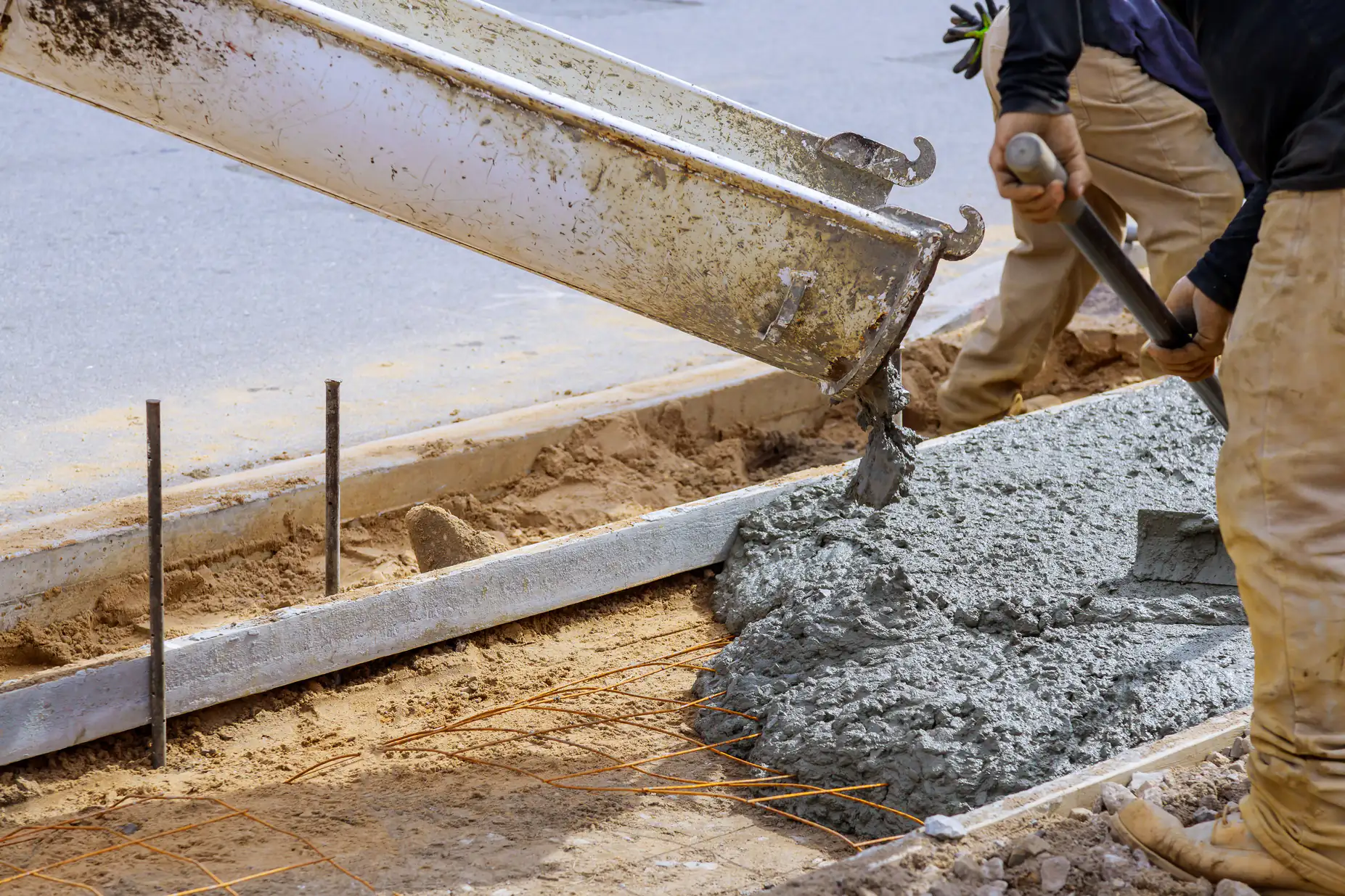
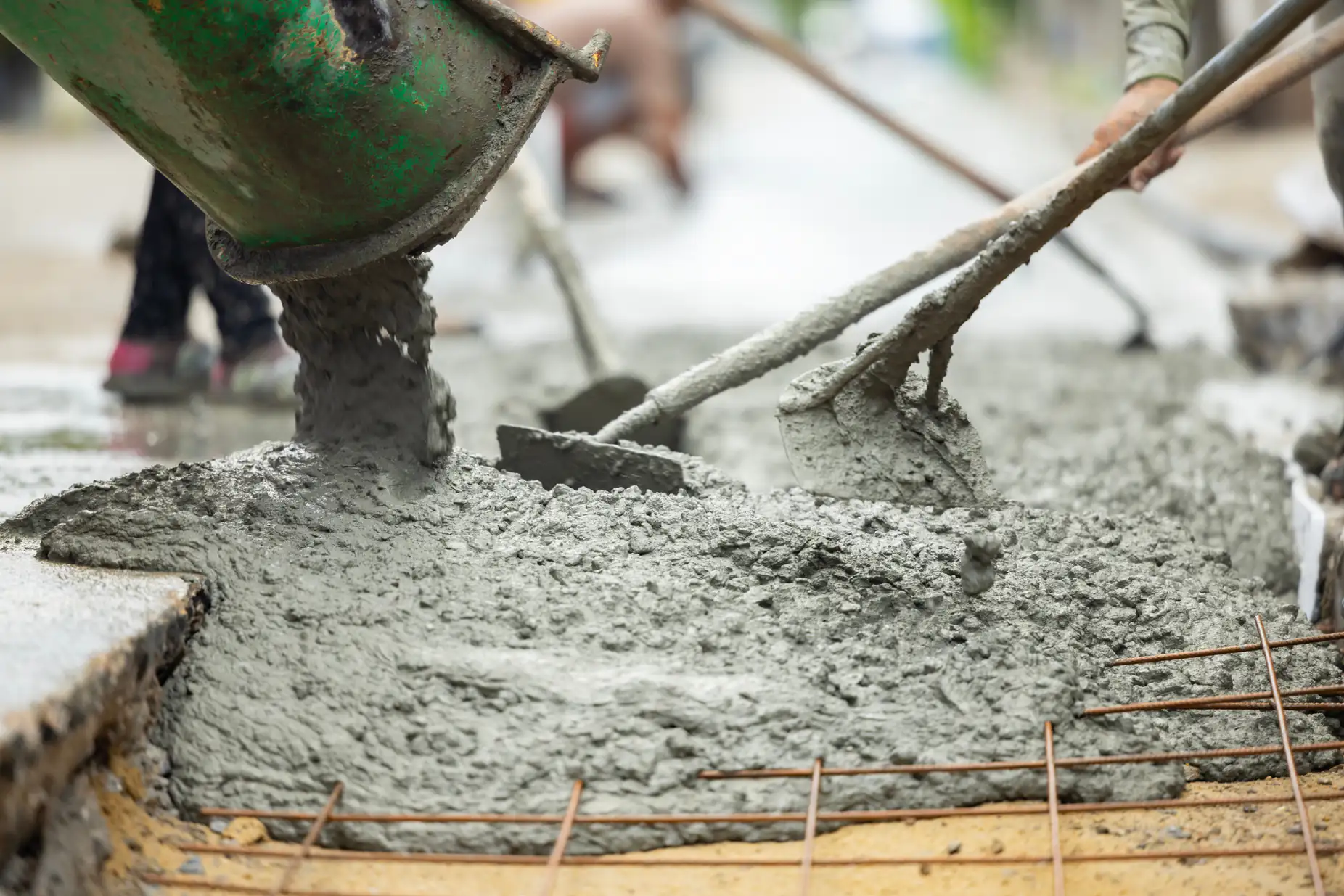
Once you’re ready to move forward, we handle the township permits and schedule the work. Most driveways are done in under three days. We excavate to the right depth, install a proper gravel base, compact it in layers, then pour or pave your new surface. We don’t skip the base prep to save time. We don’t pour thin to save materials.
When we’re finished, you get a driveway that drains correctly, meets local codes, and comes with a written warranty. You also get our number for questions, because we’ll still be here in five years.

Ready to get started?
You’re choosing between concrete and asphalt, and both work in Six Mile Run if they’re installed correctly. Asphalt costs less upfront—around $5-8 per square foot—and handles freeze-thaw cycles better because it flexes. Concrete runs $7-13 per square foot but lasts longer and gives you decorative options like stamped patterns.
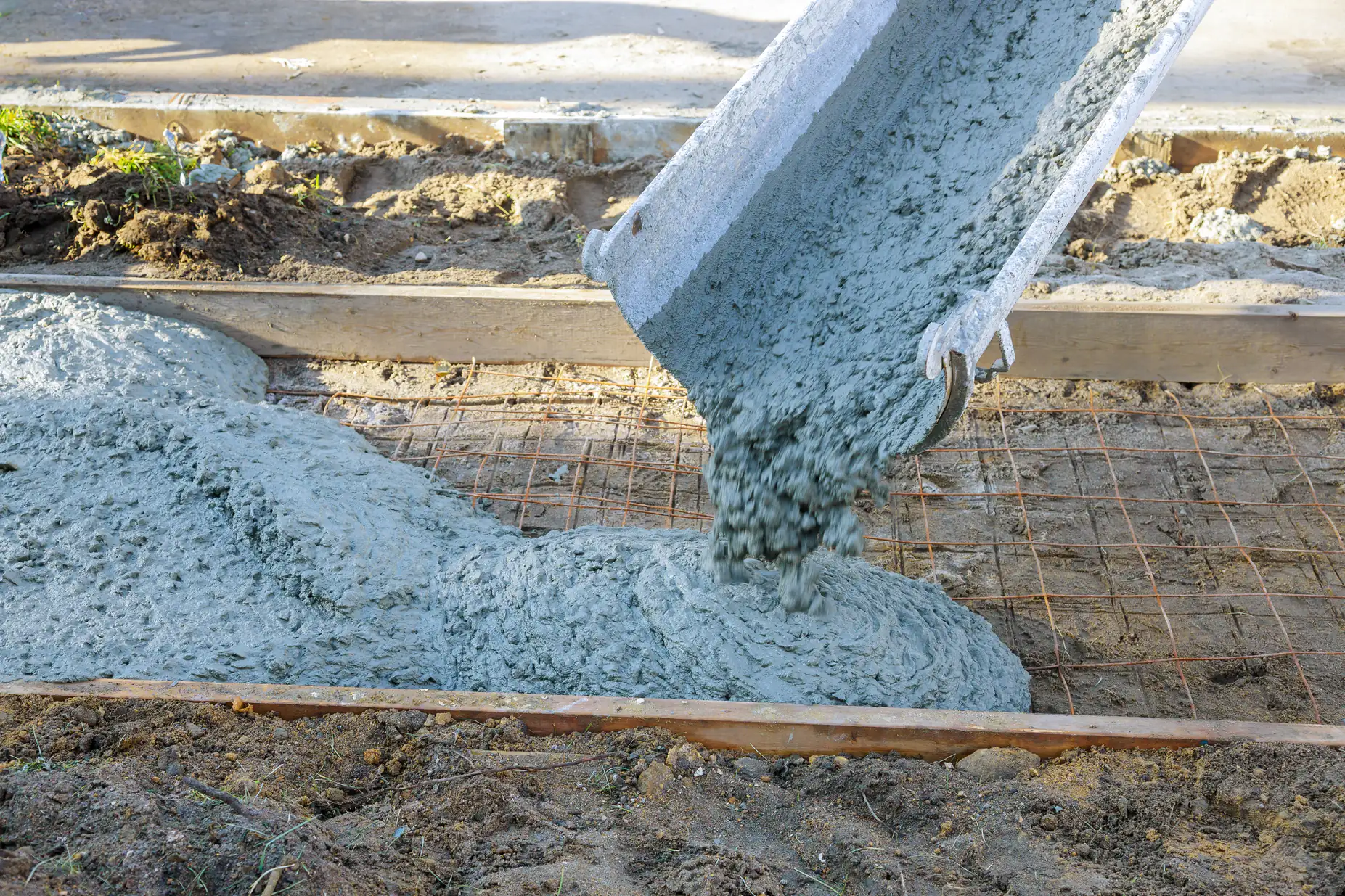
Either way, you’re getting proper excavation, a compacted gravel base, and materials applied at the right temperature and thickness. For concrete, that means Portland cement mixes with rebar reinforcement. For asphalt, it’s high-grade hot mix applied while it’s actually hot, not lukewarm because the crew showed up late.
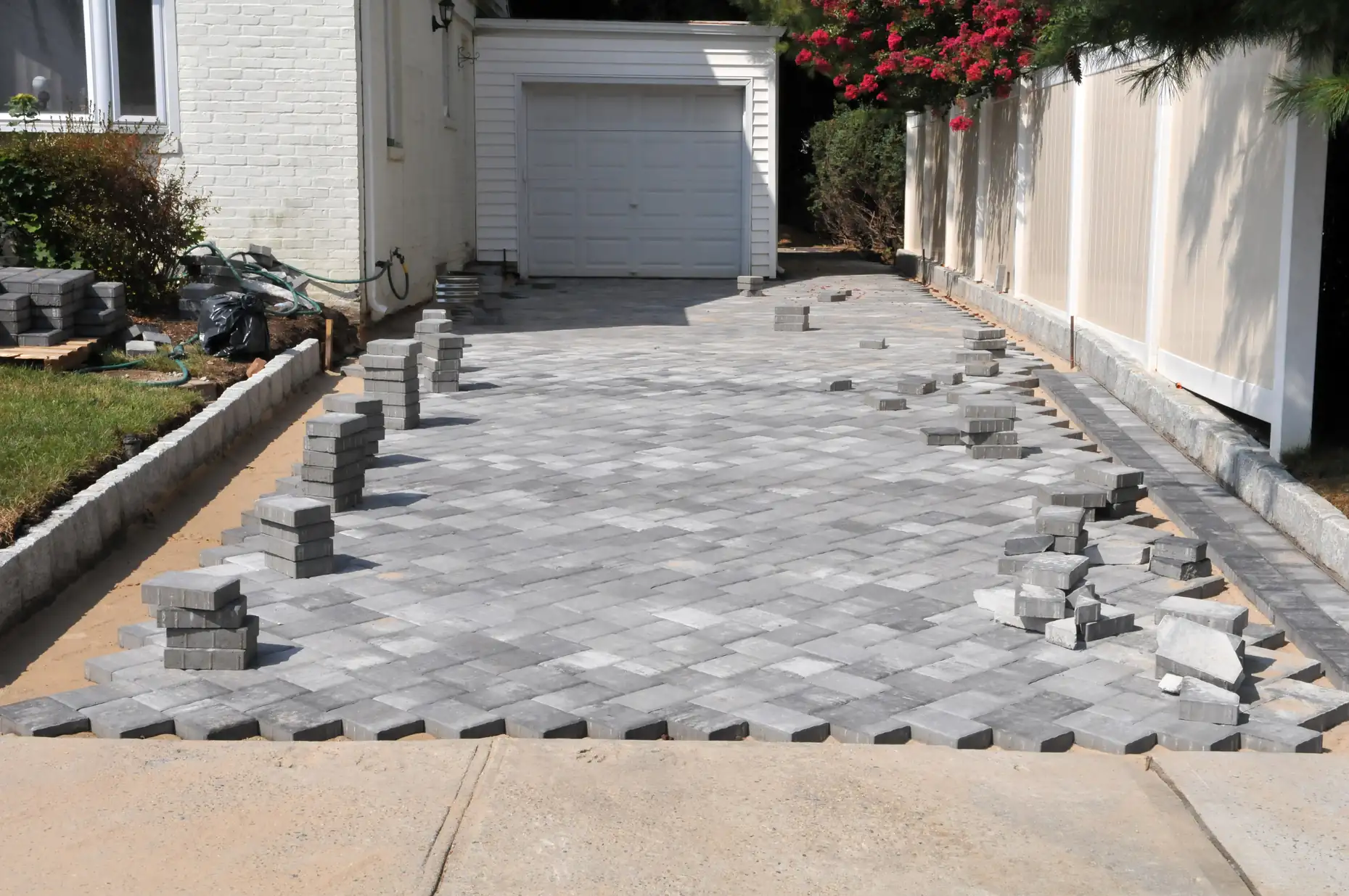
We also install concrete patios, walkways, and Belgian block edging if you want a complete look. Drainage solutions are included when your property needs them—and in Somerset County, most properties do. You’re not paying extra because we “discovered” a drainage issue halfway through the job.
The median home price in Six Mile Run is over $600,000. Your driveway should match that investment, not look like someone’s weekend side project.
A properly installed concrete driveway lasts 30-40 years in New Jersey, even with our harsh winters. The key word is “properly installed.”
That means excavating to the right depth for local soil conditions, installing a compacted gravel base that won’t settle, and using concrete mixes with the right PSI rating and rebar reinforcement. It also means allowing proper curing time before you drive on it—not rushing the process because the crew has another job starting.
Most concrete driveway failures happen because someone skipped the base prep or poured too thin to save money. You’ll see cracks within two years, uneven settling, and chunks that pop out during freeze-thaw cycles. A driveway installed correctly in Six Mile Run should still look good and function properly when you’re ready to sell decades from now.
For North Jersey, asphalt usually makes more sense unless you specifically want the look of concrete or decorative stamped patterns. Here’s why: Six Mile Run sees 30-40 freeze-thaw cycles every winter, and asphalt flexes with temperature changes while concrete is rigid.
Asphalt costs less upfront at $5-8 per square foot versus $7-13 for concrete. It’s ready to use faster—usually within a day or two versus a week for concrete. And when small cracks do appear years down the road, asphalt repairs blend in better than concrete patches.
Concrete makes sense if you want a longer lifespan without maintenance, prefer the appearance, or want decorative options. It also handles heavy vehicles better if you’re parking work trucks or RVs. Both work fine in Somerset County when installed correctly. The choice comes down to your budget, timeline, and how you want your property to look.
Poor base preparation causes most driveway failures in Somerset County. When contractors skip the proper gravel base or don’t compact it in layers, your driveway settles unevenly as the ground shifts through freeze-thaw cycles.
Water is the other major culprit. If your driveway doesn’t have proper drainage slope or if water pools on the surface, it seeps into small cracks and expands when it freezes. Ice exerts up to 30,000 PSI of pressure, which is enough to turn hairline cracks into major damage in just one winter.
The third issue is rushing the installation. Concrete poured too thin, asphalt applied when it’s not hot enough, or surfaces used before they’ve cured properly—all of these shortcuts lead to premature failure. Six Mile Run properties need contractors who understand local soil conditions and don’t cut corners to finish faster. Your driveway should last decades, not need major repairs in three years.
Asphalt driveways in Six Mile Run typically run $5-8 per square foot installed, so a standard two-car driveway costs $3,000-$6,000. Concrete costs more at $7-13 per square foot, putting that same driveway at $5,000-$10,000 or higher for decorative options like stamped patterns.
Those prices include proper excavation, gravel base, and installation that meets local codes. What changes the cost is your property’s specific situation: how much excavation is needed, whether you have drainage issues that need addressing, the current condition of your existing driveway, and any site access challenges.
You’ll see lower quotes from contractors who skip the base prep, pour thinner than they should, or don’t pull proper permits. Those driveways cost less upfront and more later when you’re paying for repairs or full replacement years earlier than you should need to. The median household income in Six Mile Run is over $115,000—most homeowners here would rather pay once for quality than twice for cheap work.
Yes, Franklin Township requires permits for new driveway installation and major driveway replacements. The township wants to ensure proper drainage, setbacks from property lines, and compliance with local stormwater management requirements.
The permit process isn’t complicated, but it does require specific documentation about your property’s drainage plan, the materials being used, and how the work meets township codes. Most homeowners don’t want to deal with that paperwork themselves or risk having work rejected during inspection.
We handle all permit applications and required inspections as part of our service. You’re not making trips to the township building or wondering if your contractor actually pulled the permits they said they would. The work gets inspected, approved, and you have documentation that everything was done to code—which matters when you eventually sell your home.
For asphalt driveways, you can typically drive on the surface within 24-48 hours after installation. You’ll want to avoid parking in the same spot or making sharp turns for the first week while the asphalt fully cures, but normal driving is fine.
Concrete driveways need longer—at least 7 days before you drive on them, and ideally 28 days for full curing. That’s not us being overly cautious. Concrete reaches about 70% of its strength in the first week, but it continues hardening for a full month. Driving on it too early can cause surface damage and cracking that shortens the lifespan.
Some contractors will tell you concrete is ready sooner because they want to move on to the next job or because they used additives to speed curing. But North Jersey’s temperature swings mean you want concrete that’s fully cured before winter hits. A few extra days of parking on the street is worth decades of better performance.