
Hear from Our Customers
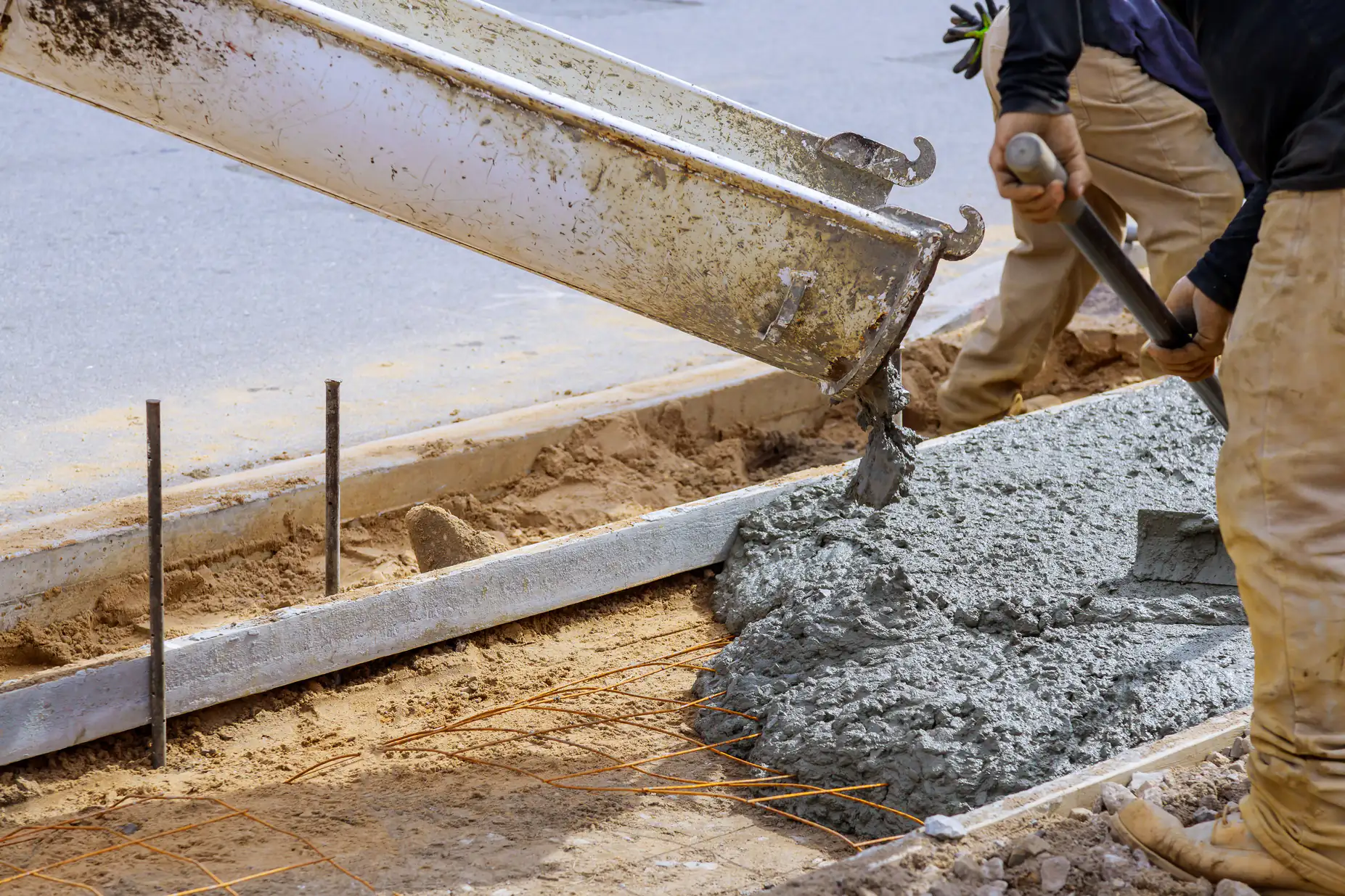
You’re looking at a driveway that handles New Jersey winters without cracking apart in three years. That means Portland cement mixes with rebar reinforcement, not the shortcuts that create problems before your first mortgage payment arrives.
Proper installation solves the drainage issues that plague Short Hills properties. Water doesn’t pool near your foundation. Ice doesn’t form in dangerous spots every January. The grading gets done right, which matters more than most homeowners realize until they’re dealing with water damage.
Your property value stays protected. A well-installed concrete driveway adds 5-10% to your home’s value and actually lasts long enough to matter. You’re not redoing this in five years because someone didn’t understand soil conditions or skipped the base preparation. It’s done once, done right, and you move on with your life.
We’ve been handling concrete and asphalt installations across Morris, Sussex, and Somerset Counties for over 40 years. We’re based here. We know the soil conditions, the drainage challenges, and what actually holds up through New Jersey freeze-thaw cycles.
Short Hills properties require a different approach than standard residential work. The expectations are higher, the installations are more complex, and there’s no room for the kind of settling or cracking that comes from rushed jobs. We use high-grade materials and proper reinforcement because your property deserves installation that matches its value.
You’ll get clear pricing upfront, no surprise charges, and a 24-48 hour callback guarantee when you request a quote. We’re licensed, insured, and we handle permits and township compliance so you don’t have to chase down paperwork.
First, we assess your property’s specific conditions—drainage patterns, soil composition, existing grading issues. This determines the base depth, reinforcement requirements, and whether we need to address water management before pouring concrete. Most problems start here when contractors skip this step.
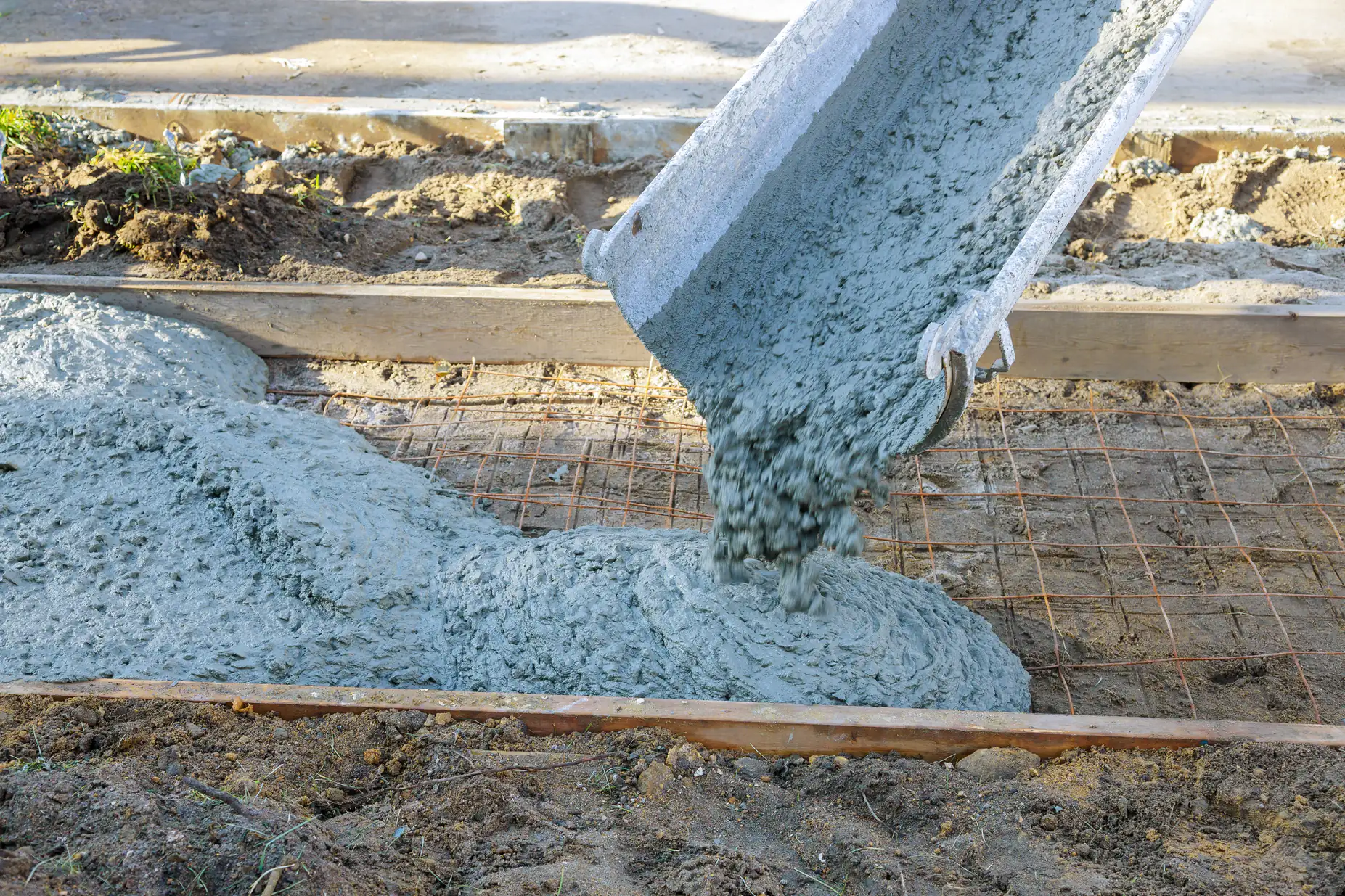
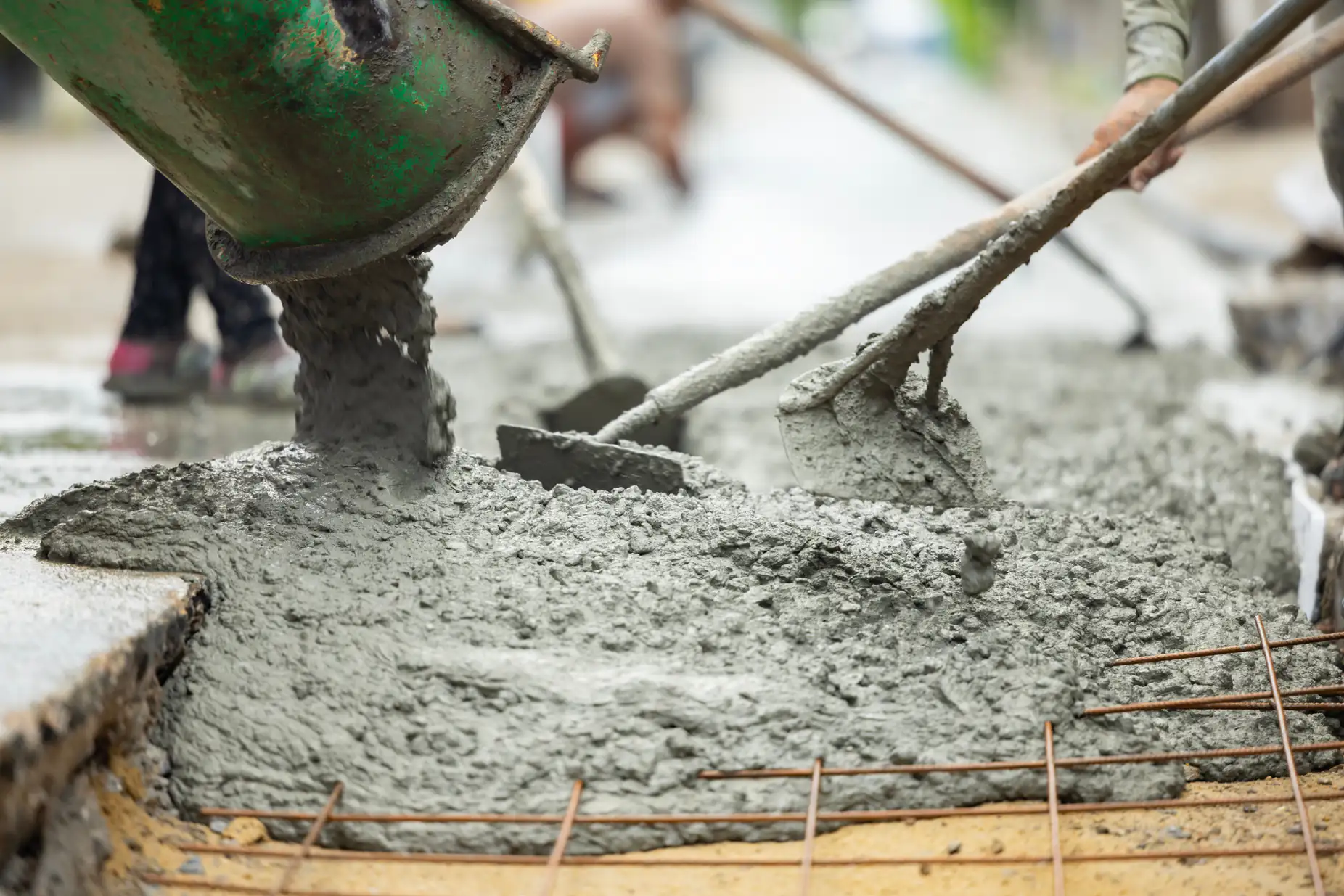
Next comes excavation and base preparation. We remove existing material, establish proper grading for water runoff, and compact the base to prevent settling. Then we install rebar reinforcement and set forms that account for expansion joints. These joints prevent the cracking that happens when concrete has nowhere to move during temperature changes.
The concrete pour happens at the right temperature and weather conditions—not when it’s convenient for the schedule. We use Portland cement mixes designed for New Jersey climate conditions. After pouring, proper curing time matters more than rushing to finish. You’ll know the timeline upfront, and we stick to it unless weather genuinely interferes.

Ready to get started?
Standard installations cover everything from excavation through final cleanup. That includes permits, proper base preparation, rebar reinforcement, concrete pouring, finishing, and curing. You’re not coordinating multiple contractors or chasing down township approvals.
Decorative options matter in Short Hills. Stamped concrete patterns, integrated lighting, and custom finishes that match your property’s aesthetic. The 2026 trend is moving toward minimalist, modern finishes in warm natural tones—less busy patterns, more sophisticated looks that pair with contemporary architecture.
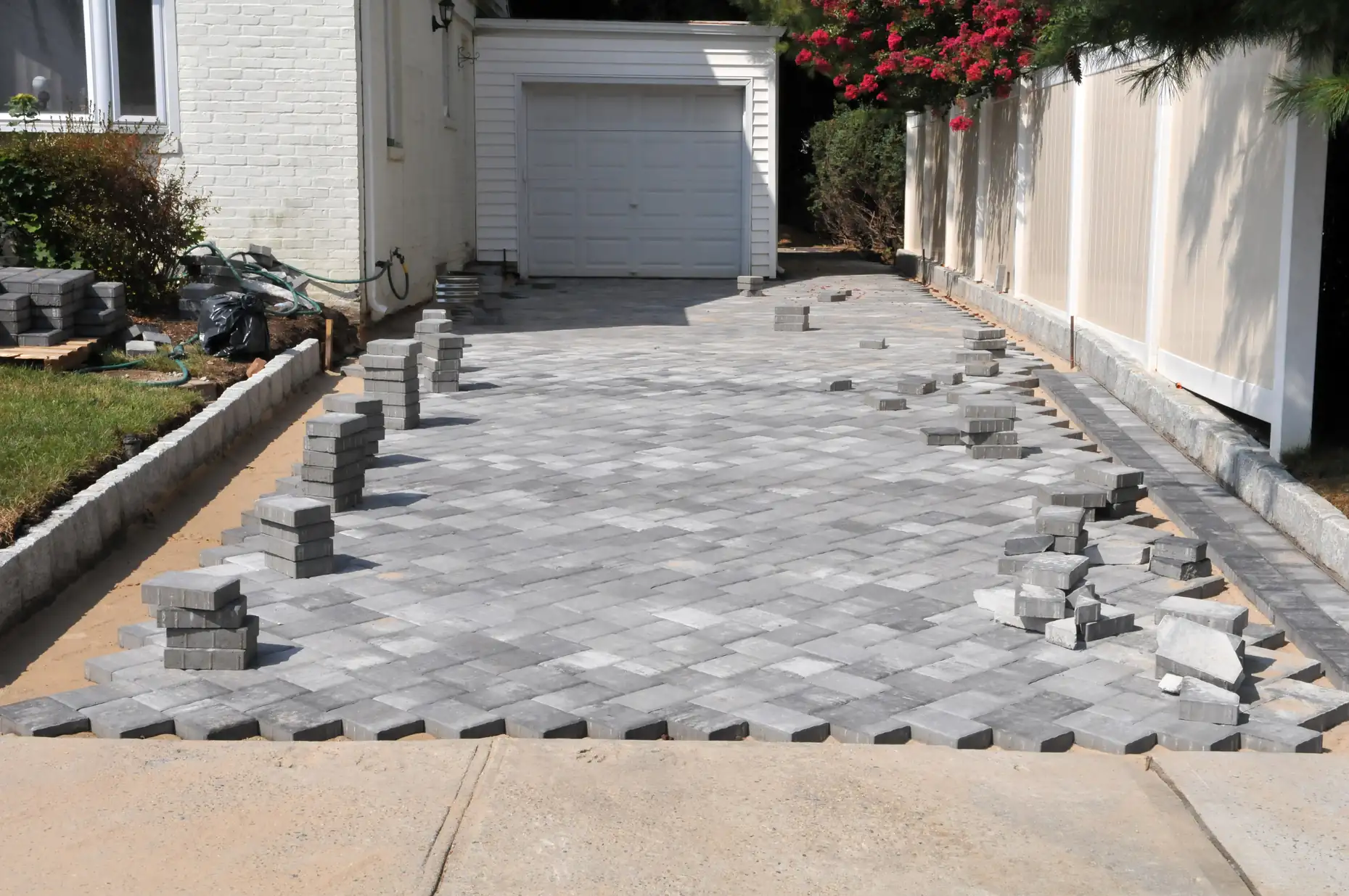
Drainage solutions get built into every installation. We’re seeing more homeowners request permeable paver systems that prevent water from pushing toward foundations or flooding onto streets. It’s not just environmental responsibility—it’s protecting your property from water damage that costs far more than doing drainage right the first time.
For properties with existing concrete patios, flagstone pavers, or Belgard pavers, we can coordinate installations that create cohesive outdoor spaces. The driveway doesn’t exist in isolation—it should complement your walkways, patio areas, and overall landscape design.
Cost depends on square footage, site conditions, and whether you’re adding decorative elements. Standard installations typically run higher in Short Hills than surrounding areas because properties often require more extensive drainage solutions and base preparation.
You’re looking at factors like excavation depth, amount of rebar reinforcement needed, and whether existing drainage issues need correction before pouring concrete. Properties with challenging grading or poor soil conditions cost more to do right—but significantly less than fixing a failed installation in three years.
Decorative stamped concrete, integrated lighting, or permeable paver systems add to base costs but deliver the curb appeal and functionality that match Short Hills property values. We provide clear upfront pricing so you know exactly what you’re paying for, with no surprise charges when the project finishes.
A concrete driveway installed with proper base preparation, reinforcement, and drainage should last 30-40 years in New Jersey climate conditions. That’s assuming you’re using Portland cement mixes with rebar reinforcement, not shortcuts that fail within a decade.
The key is handling freeze-thaw cycles that destroy poorly installed concrete. Water gets into small cracks, freezes, expands, and creates bigger cracks. Proper installation prevents water infiltration through correct grading, expansion joints, and sealed surfaces.
Most concrete problems homeowners face come from installation issues, not material failure. Inadequate base preparation causes settling. Missing reinforcement leads to cracking. Poor drainage creates water damage. When these fundamentals are handled correctly from day one, you’re looking at a driveway that outlasts cheaper alternatives by decades.
Yes, but it requires experience and proper planning. Concrete can be poured in cold weather when contractors understand temperature management and use appropriate cold-weather mixes. Most contractors simply close during winter because they don’t want to deal with the complexity.
The concrete mix needs adjustment for temperature conditions. Pouring and curing require protection from freezing temperatures until the concrete reaches sufficient strength. This means heated enclosures, insulated blankets, or scheduling during brief warm periods when conditions allow proper curing.
Winter installation actually offers advantages for homeowners—faster scheduling, less disruption during busy seasons, and contractors who aren’t rushing between multiple summer projects. The key is working with cement driveway contractors who have the equipment and expertise to handle cold-weather installations properly, not someone attempting it for the first time on your property.
Stamped concrete uses patterns and textures pressed into the surface before curing, creating the appearance of stone, brick, or pavers. Regular concrete provides a smooth or broom-finished surface without decorative patterns. Both offer the same structural durability when installed correctly.
The choice comes down to aesthetic preferences and budget. Stamped concrete costs more due to additional labor and materials for creating patterns and adding color. It delivers high-end curb appeal that complements luxury properties, which matters in Short Hills where driveway appearance affects property values.
Current trends favor minimalist patterns in warm, natural tones rather than busy designs that look dated quickly. The stamping process doesn’t compromise durability—you still get proper reinforcement, drainage, and base preparation. You’re simply adding a decorative finish that transforms functional concrete into a design element that enhances your property’s overall appearance.
Crack prevention starts with proper base preparation and drainage design. The base must be excavated to appropriate depth, filled with compacted aggregate, and graded to move water away from the concrete. Poor base preparation causes settling, which creates cracks no amount of reinforcement can prevent.
Rebar reinforcement distributes stress across the concrete slab instead of allowing it to concentrate in weak points. Expansion joints provide space for concrete to move during temperature changes without cracking. These joints are placed strategically based on driveway dimensions and expected stress points.
Water management matters more than most homeowners realize. When water pools on or under concrete, freeze-thaw cycles create pressure that cracks even well-installed driveways. Proper grading, drainage systems, and sealed surfaces keep water away from concrete. This is why we assess drainage conditions before installation—fixing water problems after concrete cracks costs significantly more than designing proper drainage from the start.
Concrete driveways need minimal maintenance compared to asphalt—periodic cleaning, occasional resealing, and addressing minor cracks before they expand. You’re not dealing with annual sealcoating or frequent repairs that come with other driveway materials.
Sealing concrete every 2-3 years protects the surface from water infiltration, freeze-thaw damage, and staining from oil or chemicals. This is straightforward maintenance that extends the driveway’s lifespan significantly. Clean the surface periodically to prevent buildup that can deteriorate the finish over time.
Address small cracks immediately rather than waiting until they become major problems. Hairline cracks can be filled and sealed before water gets in and creates expansion during freeze cycles. This preventive approach costs far less than repairing large sections of damaged concrete. The investment in proper installation pays off through decades of minimal maintenance requirements—you’re not constantly fixing problems that shouldn’t exist in the first place.