
Hear from Our Customers
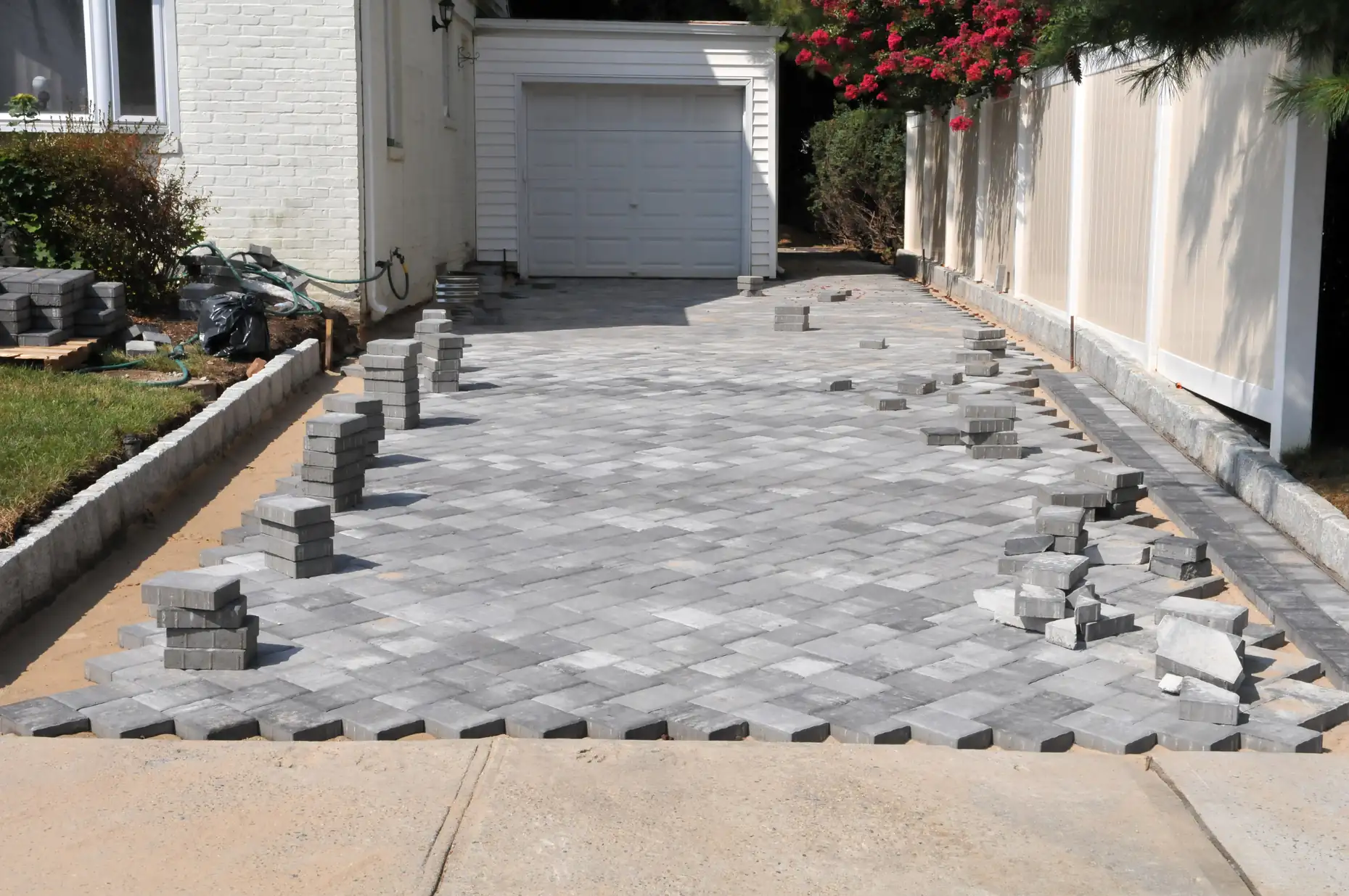
Your driveway is the first thing people see when they pull up to your Raritan home. Right now, you might be dealing with cracks that seem to grow every winter, uneven sections that collect water, or that embarrassing pothole you have to warn guests about.
When we complete your concrete driveway installation, you get a smooth, professionally graded surface that actually moves water away from your foundation instead of pooling near your garage. No more explaining away damage or wondering if you’re looking at a full replacement in five years.
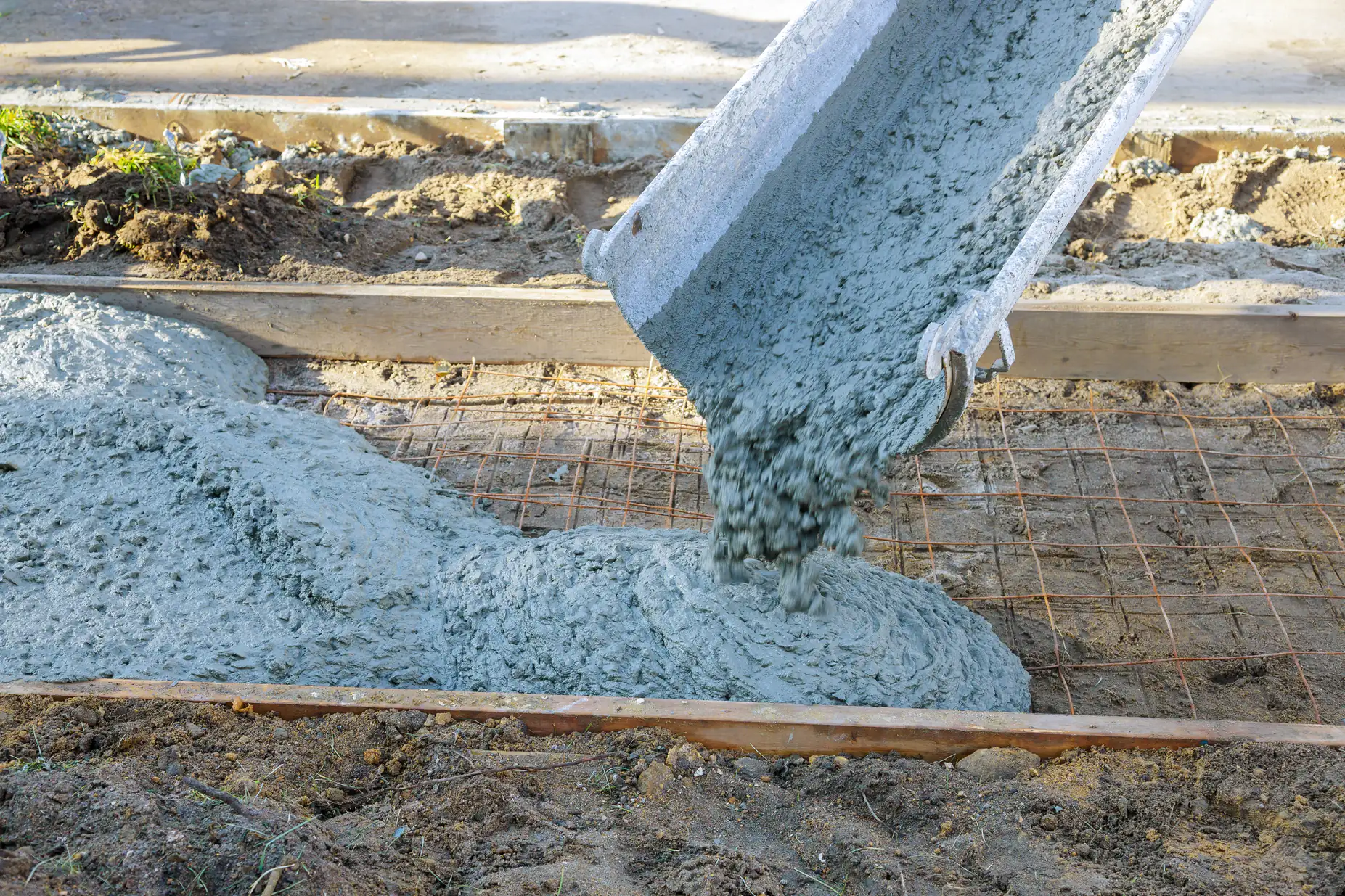
You also get the confidence that comes with proper base preparation. We excavate to the right depth, compact the aggregate base in lifts, and pour Portland cement mixes reinforced with rebar. Your new driveway performs through Raritan’s freeze-thaw cycles because the foundation underneath can handle the stress. That’s the difference between a driveway that lasts 15 years and one that lasts 30.
We’re concrete driveway contractors based in Morris County, serving Raritan and the surrounding areas. We’ve handled residential and commercial paving projects throughout Somerset County long enough to know what works here and what doesn’t.
Raritan sits in a zone where soil conditions and drainage patterns require specific attention during excavation and grading. We account for the clay-heavy soils common in this area, which means adjusting base depth and compaction methods so your driveway doesn’t settle unevenly after the first heavy rain.
You’re working with a licensed, insured contractor who handles permits, coordinates inspections, and uses materials designed for New Jersey’s climate. We don’t cut corners on base prep, and we don’t disappear after the pour. You get transparent pricing, realistic timelines, and a callback within 48 hours when you request a quote online.
We start with a site evaluation to assess your existing driveway, drainage patterns, and soil conditions. If you’re replacing an old driveway, we remove the damaged concrete or asphalt and haul it off-site. If it’s a new installation, we mark utility lines and handle any required permits with Raritan Borough.
Next comes excavation and base preparation. We dig down to the required depth based on your soil type and expected load, then install a compacted aggregate base in layers. This step determines whether your driveway cracks in three years or thirty. We grade everything so water flows away from your home and toward appropriate drainage points.
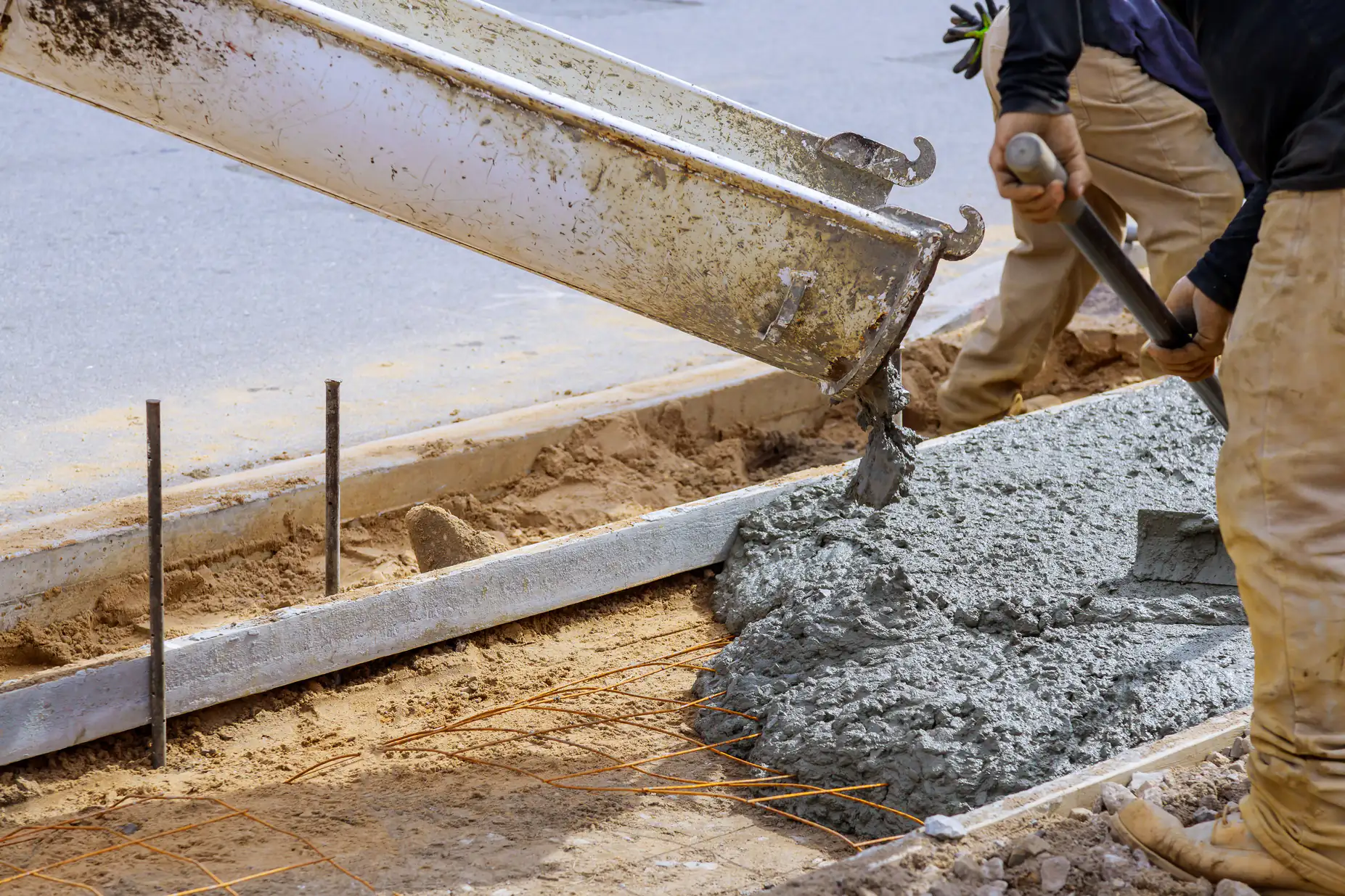
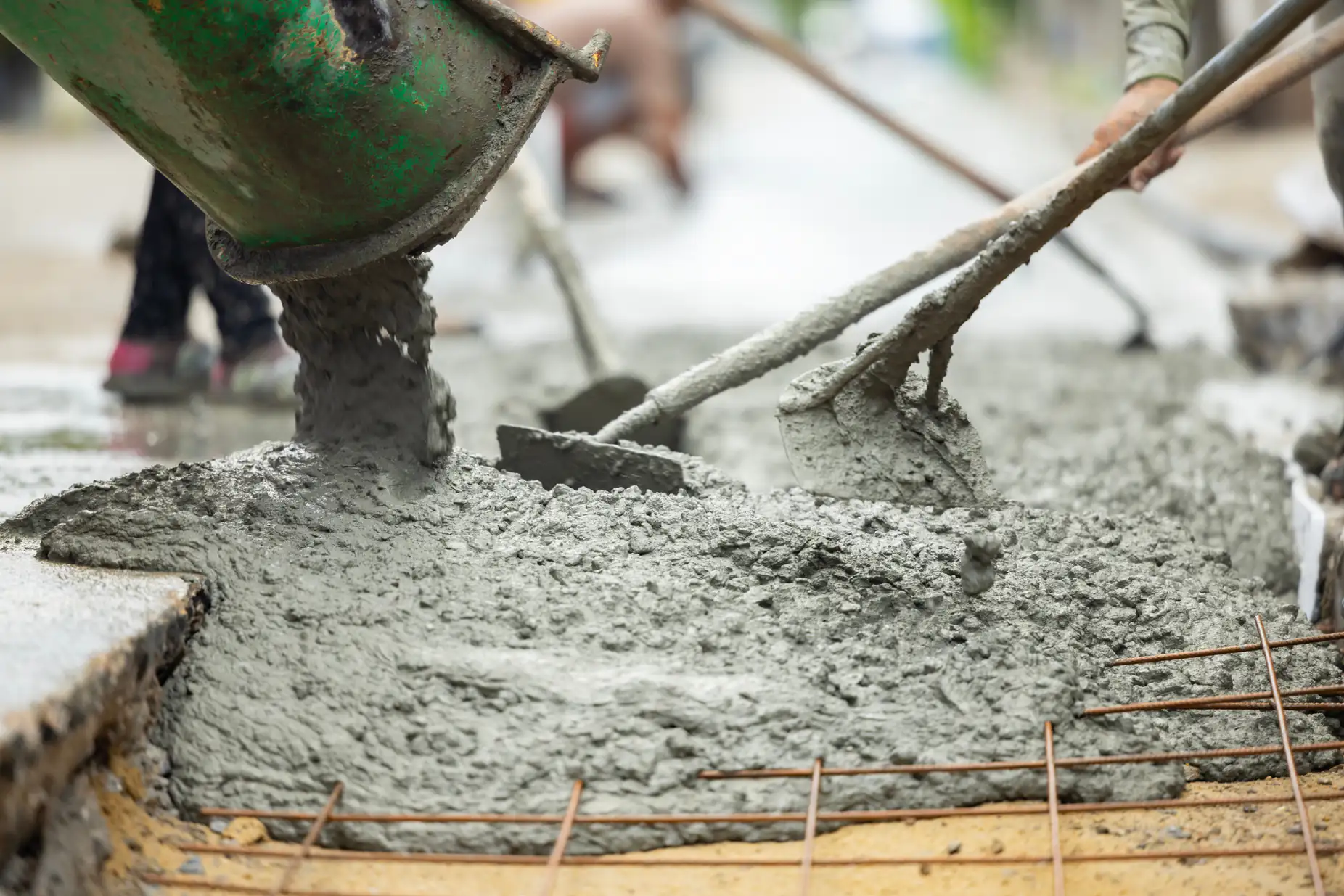
Then we pour the concrete. We use Portland cement mixes with rebar reinforcement, poured at the right thickness for residential or commercial use. You can choose from standard broom finishes or decorative stamped patterns if you want something beyond basic gray. After the pour, we apply a curing compound and give the concrete time to reach full strength before you drive on it.
The final step is a walkthrough where we review the completed work, answer any maintenance questions, and make sure you’re clear on what to expect as the concrete fully cures over the next few weeks.

Ready to get started?
Every concrete driveway project includes full excavation, aggregate base installation, proper grading for drainage, and a poured concrete surface with rebar reinforcement. We handle all necessary permits and inspections required by Raritan Borough and Somerset County. Most resurfacing projects don’t require permits, but new installations or significant drainage changes often do.
You also get access to decorative options like stamped concrete patterns, colored finishes, or exposed aggregate if you want something beyond a standard gray surface. We work with specialty suppliers who provide sealants and finishing materials suited for New Jersey’s temperature swings and freeze-thaw cycles.
Raritan homeowners often ask us about concrete versus asphalt for driveways. Concrete costs more upfront—typically $6 to $12 per square foot compared to $3 to $7 for asphalt—but it lasts significantly longer. A properly installed concrete driveway can last 30 years or more with minimal maintenance, while asphalt usually needs resurfacing every 15 to 20 years. If you’re planning to stay in your home long-term, concrete often makes more financial sense.
We also install concrete patios, walkways, and other flatwork using the same methods. If you’re considering multiple projects, bundling them together often reduces overall costs since we’re already on-site with equipment and materials.
Concrete driveway installation in Raritan typically runs $6 to $12 per square foot, depending on site conditions, required thickness, and any decorative finishes you choose. A standard two-car driveway around 600 square feet usually costs $3,600 to $7,200 for basic installation.
That price includes excavation, aggregate base, rebar reinforcement, and a standard broom finish. If you want stamped patterns, colored concrete, or exposed aggregate, expect to add $2 to $4 per square foot. Difficult site access, significant grading work, or poor soil conditions can also increase costs.
New Jersey prices run about 15% to 25% higher than the national average due to labor costs and the need for climate-specific materials. But you’re also getting a driveway engineered to handle 55 to 75 freeze-thaw cycles every winter, which isn’t a concern in milder climates. Cheaper installations that skip proper base prep or use thinner concrete might save you money now, but they’ll cost more in repairs within a few years.
Most residential concrete driveway installations in Raritan take three to five days from start to finish, depending on weather and site conditions. Day one involves excavation and hauling away old material. Days two and three cover base installation and compaction. Day four is the concrete pour and finishing. Day five is cleanup and final grading.
You’ll need to stay off the new concrete for at least seven days before walking on it and 14 to 28 days before driving on it. Concrete reaches about 70% of its full strength in seven days and continues curing for weeks after that. Driving on it too early can cause surface damage or cracking.
Weather plays a role in scheduling. We don’t pour concrete when temperatures drop below 40°F or during heavy rain. Spring and fall are ideal for concrete work in New Jersey because temperatures stay consistent and curing conditions are predictable. Summer pours require extra attention to prevent the concrete from drying too quickly, which can lead to surface cracking.
Most concrete driveway replacements in Raritan don’t require a permit if you’re staying within the existing footprint and not changing drainage patterns. New driveway installations, expansions, or projects that alter stormwater runoff usually do require a permit from Raritan Borough.
We handle all permit applications and inspections as part of our service. The process typically takes one to two weeks, depending on the borough’s workload. Required inspections usually include a base inspection before we pour concrete and a final inspection after completion.
If your property is in a historic district or has easements, additional approvals might be necessary. We check all of this during the initial site evaluation so there are no surprises once work starts. Working with a licensed contractor means the permits are filed correctly and the work meets local building codes, which protects you if you ever sell your home.
Concrete costs more upfront but lasts significantly longer with less maintenance. Asphalt is cheaper initially but requires sealing every two to three years and typically needs resurfacing after 15 to 20 years. Concrete can last 30 years or more if installed correctly.
Raritan’s freeze-thaw cycles are tough on both materials, but concrete handles temperature swings better than asphalt. Water that seeps into asphalt cracks freezes, expands, and pushes the surface apart from below. Concrete is denser and less porous, so it resists freeze-thaw damage more effectively when properly reinforced and sealed.
Asphalt is easier to repair in small sections, which some homeowners prefer. Concrete repairs are more visible and harder to blend with the existing surface. But if you’re planning to stay in your home long-term and want to minimize ongoing maintenance, concrete is usually the better investment. For commercial properties with heavy traffic, concrete’s durability often justifies the higher initial cost.
Seal your concrete driveway every two to three years with a penetrating sealer designed for freeze-thaw climates. This prevents water from seeping into the concrete, which is the main cause of cracking and surface damage during New Jersey winters. Clean the surface before sealing to remove oil stains, dirt, and debris.
Avoid using rock salt or calcium chloride for ice removal. These chemicals can damage the concrete surface and accelerate deterioration. Use sand for traction or choose a concrete-safe deicer if you need something more effective. Power wash your driveway once or twice a year to remove buildup that can trap moisture against the surface.
Address cracks as soon as you notice them. Small cracks that seem harmless in summer become major problems once water gets in and freezes. We recommend having a professional evaluate any crack wider than a quarter inch. Catching damage early usually means a simple repair instead of a costly replacement section.
We don’t pour concrete when temperatures drop below 40°F because cold weather slows the curing process and can prevent the concrete from reaching full strength. If temperatures drop below freezing before the concrete cures, ice crystals can form inside the mix and cause permanent damage.
Late fall and early spring are possible if daytime temperatures stay consistently above 50°F and overnight lows don’t dip below 40°F. We monitor weather forecasts closely and won’t schedule a pour if conditions look questionable. It’s not worth risking a failed installation to save a few weeks.
Most Raritan homeowners schedule concrete work between April and October when temperatures are stable and curing conditions are predictable. If you’re planning a project, reaching out in late winter or early spring gives us time to handle permits, schedule the work, and get your driveway completed before summer heat or fall weather becomes a concern. Emergency repairs are different—we can handle those year-round using cold-weather patching compounds, but they’re temporary fixes until we can do a proper repair in warmer months.