
Hear from Our Customers
Every February, you watch your neighbors deal with the same problem. Cracks appear after the first hard freeze. Water seeps in, freezes, expands, and by March there’s another pothole to fill.
That cycle stops when the base is done right from day one. Proper excavation depth, compacted stone base, and professional grading mean water drains away instead of pooling where it’ll cause damage. The surface material matters, but what’s underneath determines whether your driveway lasts five years or twenty-five.
Most Ogdensburg homeowners get over two decades from a properly installed driveway. That’s because the installation accounts for soil conditions here in Morris County, seasonal temperature swings, and the reality that your driveway takes a beating from snow plows, salt, and daily vehicle traffic. When the foundation is solid, the surface holds up.
We’ve been handling residential driveway projects throughout Ogdensburg and Morris County since day one. We’re a family-owned operation, licensed and insured, with crews who understand what works in this climate.
We’re not the cheapest option, and that’s intentional. You’re paying for Portland cement mixes with rebar reinforcement, high-grade hot mix asphalt applied at the right temperature, and base preparation that doesn’t cut corners. That means fewer callbacks, fewer repairs, and a driveway that actually delivers on the twenty-year expectation.
Our work is backed by a five-year warranty covering defects in materials and workmanship. You get a detailed written estimate before we start, breaking down costs so there’s no confusion about what you’re paying for.
The process starts with an on-site evaluation. We measure the area, check drainage patterns, assess soil conditions, and talk through material options based on your budget and how you use the driveway. You get a written estimate within 24 to 48 hours.
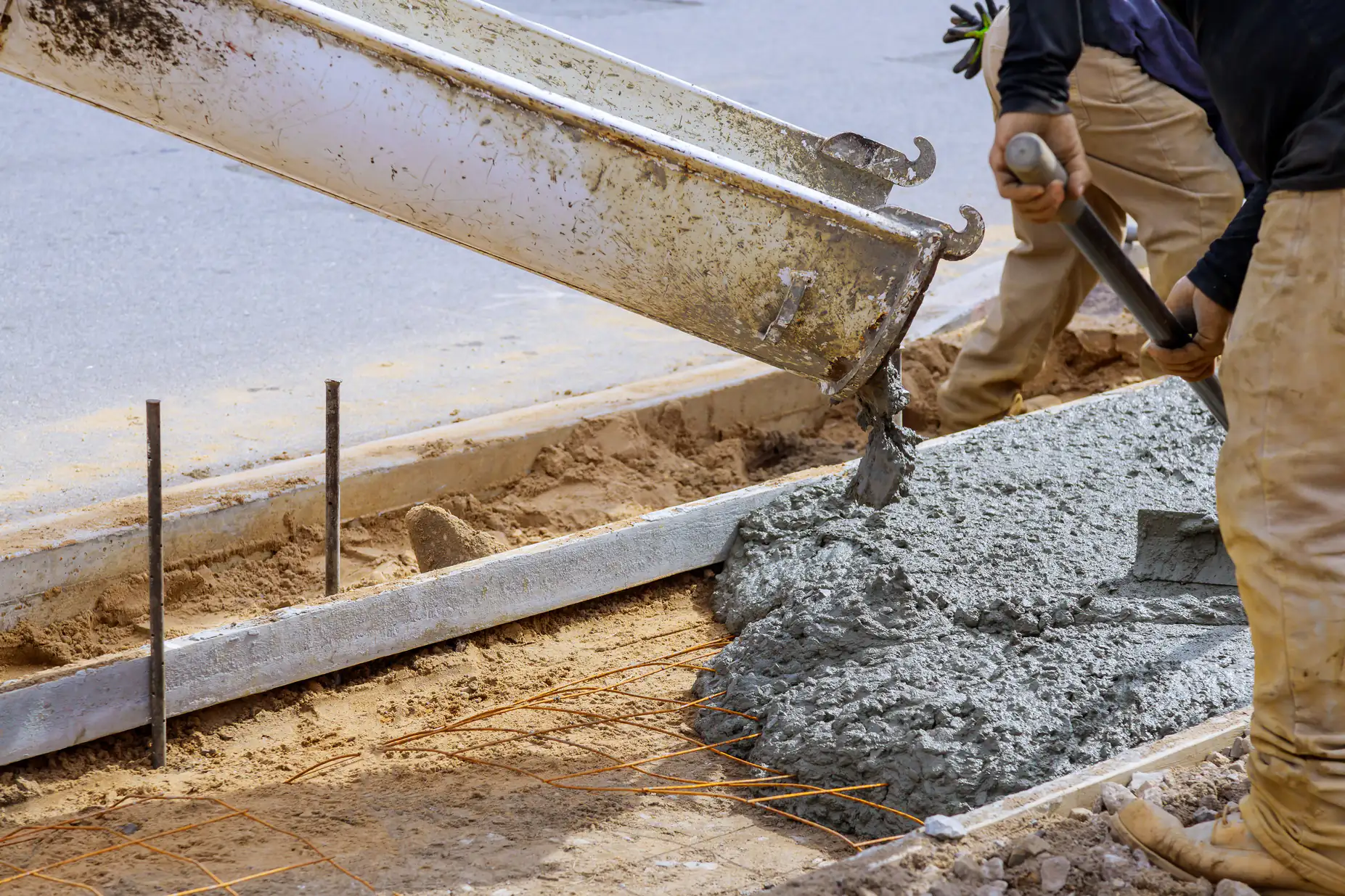
Once you approve the estimate, we schedule the work during ideal weather conditions—spring through fall when temperatures stay consistently above 50°F. Day one involves excavation and base preparation. We remove the old surface, dig down to proper depth, and install a compacted stone base that won’t shift or settle.
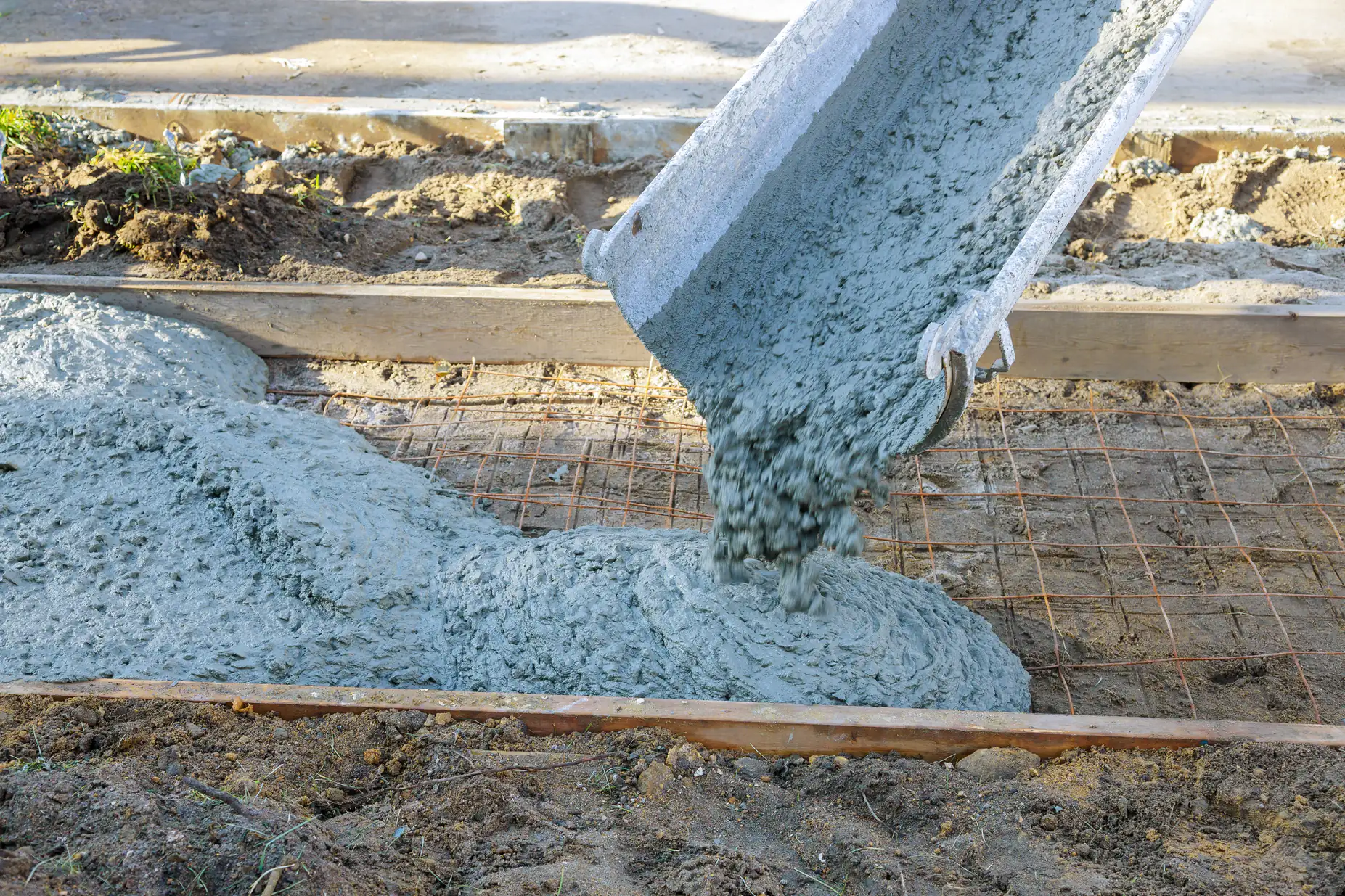
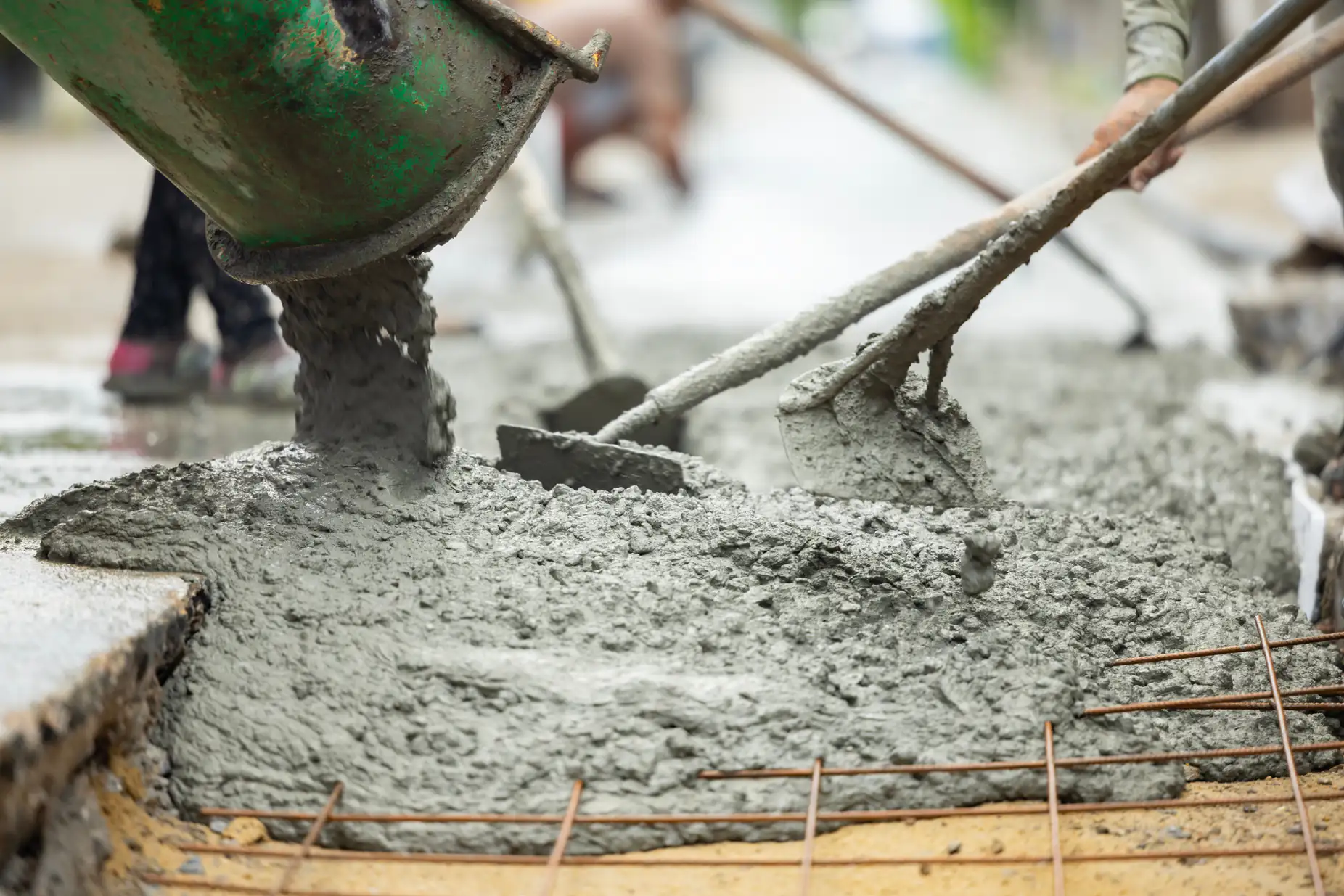
Day two is paving and finishing. For asphalt, that means applying hot mix at the correct temperature and compacting it properly. For concrete, we pour Portland cement with rebar reinforcement and finish the surface. Concrete needs an additional curing day before you can use it.
Most residential driveways in Ogdensburg take two to three days total. We handle cleanup, haul away debris, and walk you through basic maintenance before we leave.

Ready to get started?
For most Ogdensburg homeowners, asphalt offers the best balance of cost and durability. It handles New Jersey’s freeze-thaw cycles better than concrete, costs less upfront at $8 to $12 per square foot, and holds up well with basic maintenance. You’re looking at $6,000 to $15,000 for a typical residential driveway.
Concrete runs $10 to $15 per square foot and works well if you want decorative options like stamped patterns. It lasts longer without resurfacing but can crack if the base isn’t perfect. Both materials need proper installation to perform—the surface is only as good as what’s underneath.
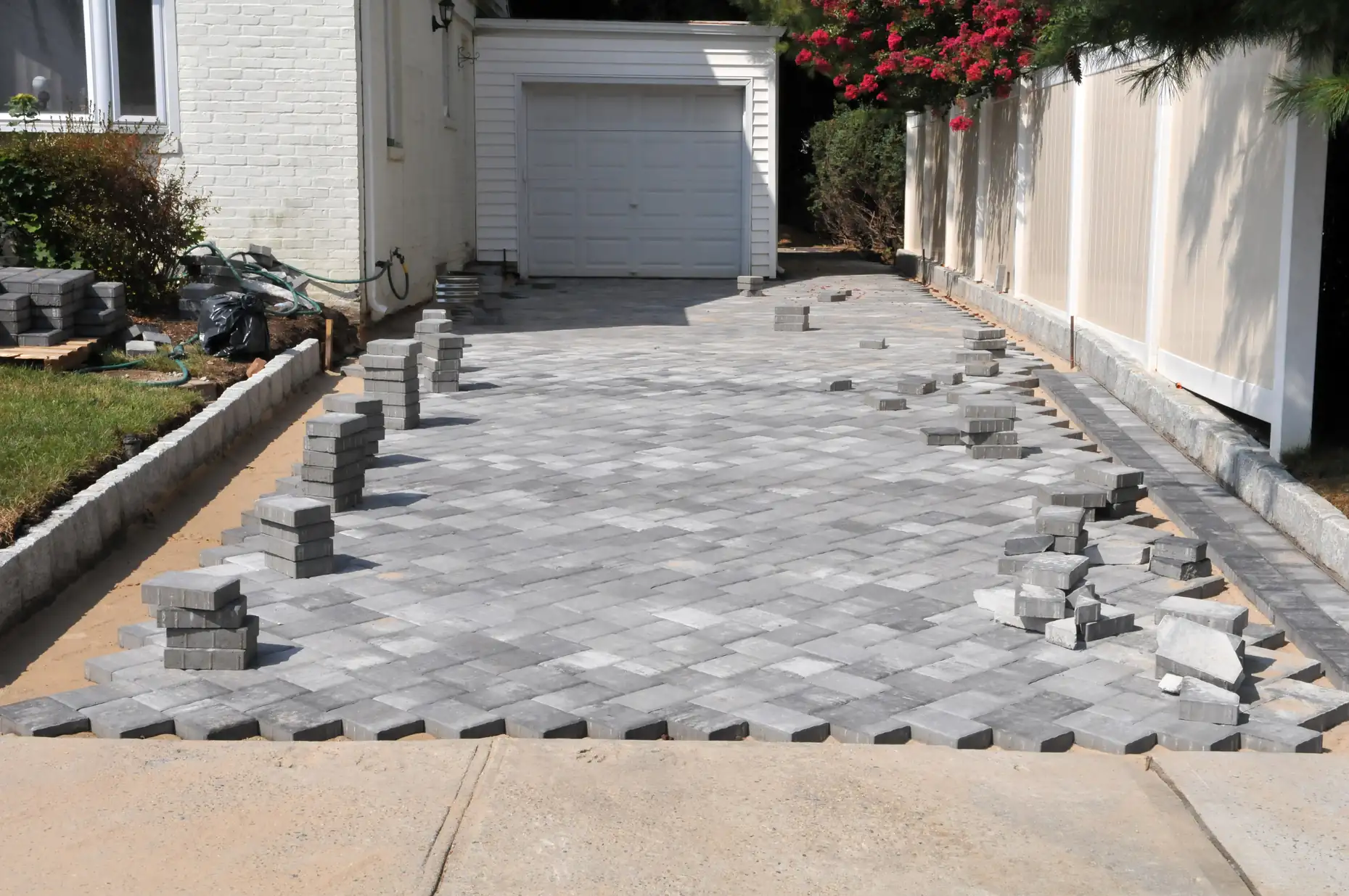
We also handle concrete patios, walkways, and decorative paver installations using Belgard pavers and flagstone. The same principles apply: proper base preparation, professional drainage, and materials that stand up to Morris County weather. Whether it’s a driveway, patio, or full hardscape project, the goal is the same—install it right so it lasts.
A properly installed concrete driveway in Ogdensburg typically lasts 25 to 30 years with basic maintenance. That lifespan depends entirely on base preparation, proper reinforcement, and how well the installation accounts for local soil and weather conditions.
The concrete itself is durable, but New Jersey’s freeze-thaw cycles will destroy even the best surface if water gets underneath and causes heaving. That’s why we excavate to proper depth, install a compacted stone base, and use Portland cement mixes with rebar reinforcement. The rebar prevents cracking when the ground shifts during winter.
You’ll extend that lifespan by sealing the concrete every few years and addressing small cracks before they spread. Most damage happens when homeowners ignore minor issues until they become major problems.
Asphalt typically costs $8 to $12 per square foot installed, while concrete runs $10 to $15 per square foot. For a standard two-car driveway in Ogdensburg, that’s roughly $6,000 to $10,000 for asphalt versus $8,000 to $12,000 for concrete.
The lower upfront cost makes asphalt popular, but there’s more to consider. Asphalt needs resealing every few years and may require resurfacing after 15 to 20 years. Concrete lasts longer without major maintenance but costs more to repair if it does crack.
For most Morris County homeowners, asphalt makes more sense. It handles our winters better, costs less upfront, and performs well with basic maintenance. Concrete works if you want decorative options or don’t mind paying more for a longer lifespan between resurfacing.
Late spring through early fall offers the best conditions for driveway installation in Ogdensburg. You need consistent temperatures above 50°F for asphalt to cure properly, and concrete performs best when it can cure slowly without freezing.
Summer is ideal because warm temperatures help both materials set correctly and you avoid weather delays. Spring and fall work fine as long as we’re not dealing with overnight freezes or heavy rain that turns the base into mud.
Winter installation is possible for concrete in some cases, but it’s not ideal. Asphalt can’t be installed when it’s cold because the material won’t compact properly. If your driveway fails during winter, we can do temporary repairs and schedule proper replacement once temperatures cooperate.
Most residential driveway replacements in Ogdensburg don’t require a permit if you’re staying within your existing footprint. If you’re expanding the driveway, changing drainage patterns, or working near the street, you’ll likely need approval from the local building department.
We handle permit requirements as part of the project when needed. That includes submitting plans, coordinating inspections, and making sure the work meets local codes. Morris County has specific requirements for drainage and stormwater management that affect how driveways are graded.
It’s worth checking before you start, even for straightforward replacements. Doing unpermitted work can cause problems when you sell the property or file an insurance claim. We’ll tell you upfront if permits are needed and factor that timeline into the schedule.
Seal your concrete driveway every two to three years to protect against water infiltration and salt damage. New Jersey winters are brutal on concrete, and sealing is the simplest way to extend its lifespan. Use a quality concrete sealer designed for freeze-thaw climates.
Clean up oil stains and deicing salt as soon as possible. Salt accelerates surface deterioration, especially during the first year after installation. Sweep or rinse it off regularly during winter rather than letting it sit.
Address small cracks immediately before they spread. Concrete crack filler is inexpensive and easy to apply. Once a crack widens, water gets in, freezes, and turns a minor issue into a major repair. Most homeowners in Ogdensburg who stay on top of basic maintenance get 25-plus years from their concrete driveways.
It depends on the condition of your existing driveway. If the base is solid and the current surface only has minor cracking or wear, we can overlay new asphalt on top. That saves time and money compared to full removal and replacement.
If your driveway has major cracking, settling, or drainage problems, an overlay won’t fix the underlying issues. You’ll just be covering up problems that’ll show through the new surface within a year or two. In those cases, full removal and proper base preparation is the only solution that lasts.
We’ll assess your existing driveway during the initial evaluation and recommend the approach that makes sense. Sometimes an overlay works fine. Other times, it’s throwing money at a problem that needs a real fix.