
Hear from Our Customers
You know what happens when water pools on your driveway in November. It seeps in, freezes, expands, and by March you’re looking at potholes and crumbling edges that weren’t there before. That’s not bad luck—that’s poor installation meeting New Jersey weather.
A properly installed concrete or asphalt driveway in Newark starts below the surface. The base needs to account for Essex County’s clay soil and how water moves through older neighborhoods with drainage systems that weren’t designed for today’s storms. Get that wrong and you’re patching cracks every year.
When it’s done right, you get a smooth surface that sheds water, handles freeze-thaw cycles without breaking apart, and doesn’t embarrass you when someone pulls up. No more avoiding eye contact with your own driveway. Just a clean, solid surface that does its job for years without constant maintenance.
We’ve spent over 20 years installing driveways across Morris, Sussex, and Somerset Counties. We’re not new to Newark’s specific challenges—the older neighborhood layouts, the drainage issues that come with clay soil, the way winter hits hard and early.
We’re licensed, insured, and BBB accredited. We handle permits and inspections because we know what Newark requires. Our crews show up when we say they will, finish on schedule, and leave your property cleaner than we found it. No surprises on price, no disappearing after the deposit clears.
You’re not hiring a contractor who learned about your area from Google. You’re hiring people who’ve paved hundreds of driveways within a 30-minute drive of your house and know exactly what works here.
First, we look at your property—not just the driveway, but how water moves across it, what’s underneath, and what problems you’re dealing with now. That tells us whether you need full replacement, resurfacing, or targeted repairs.
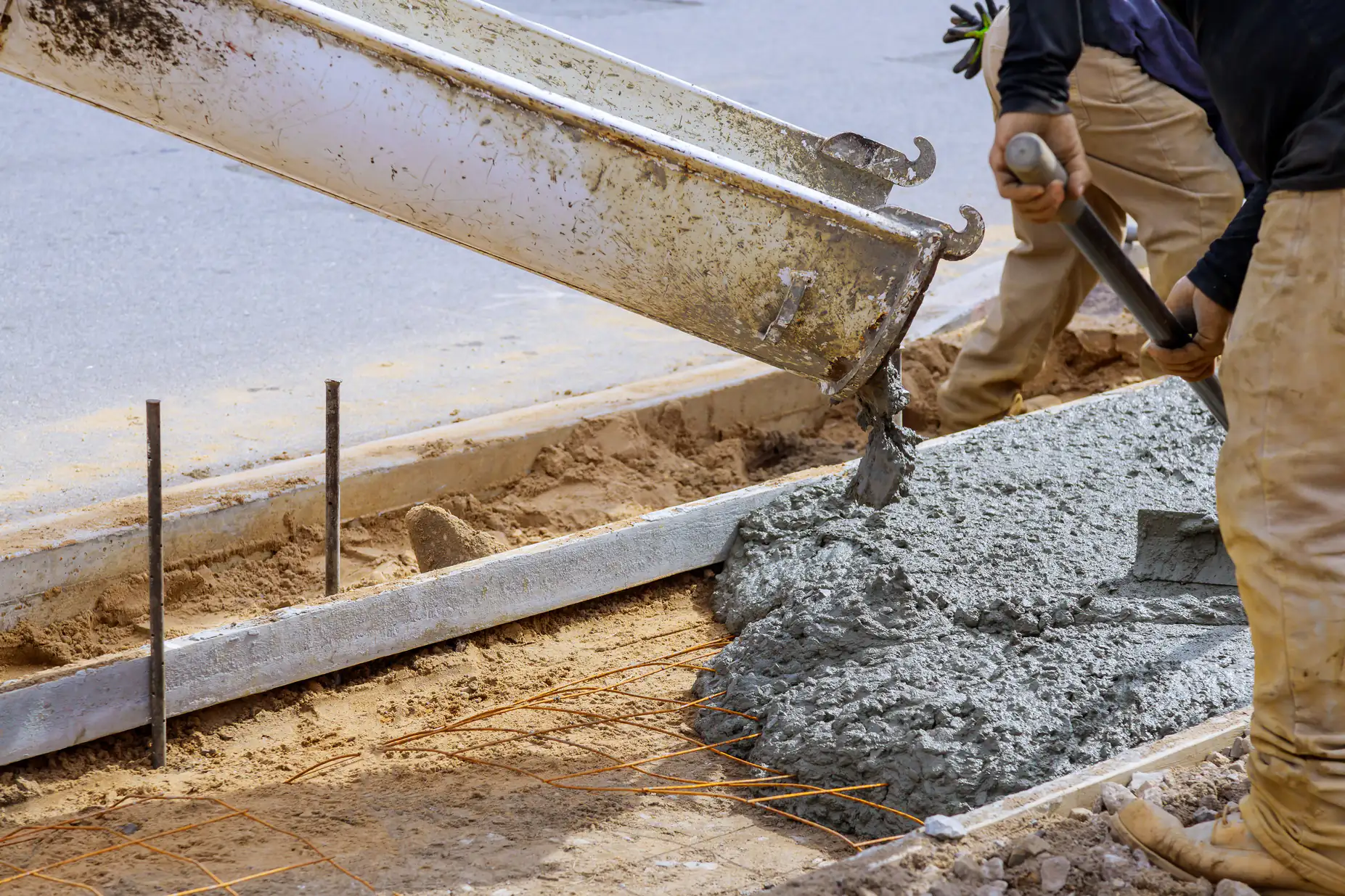
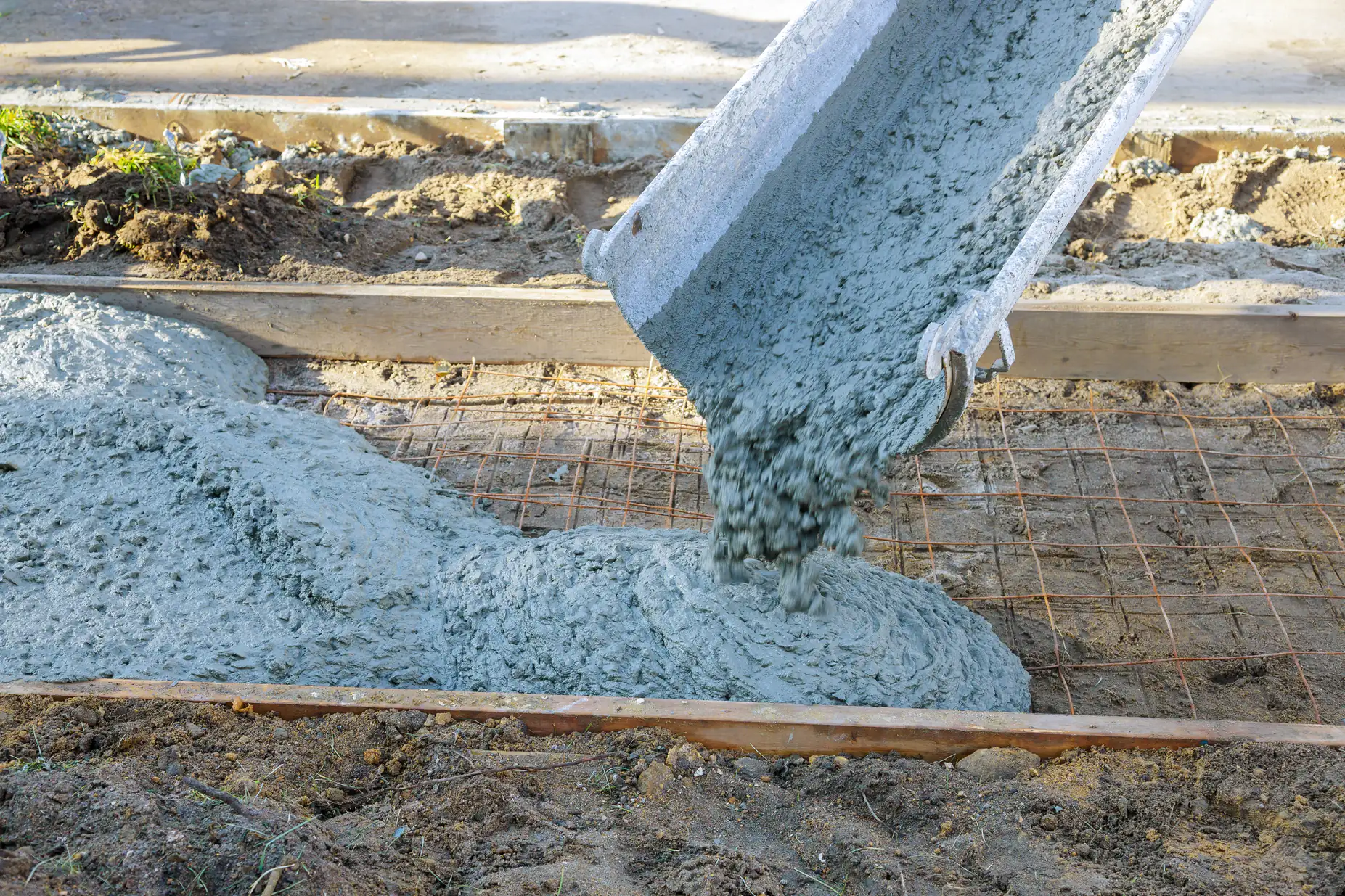
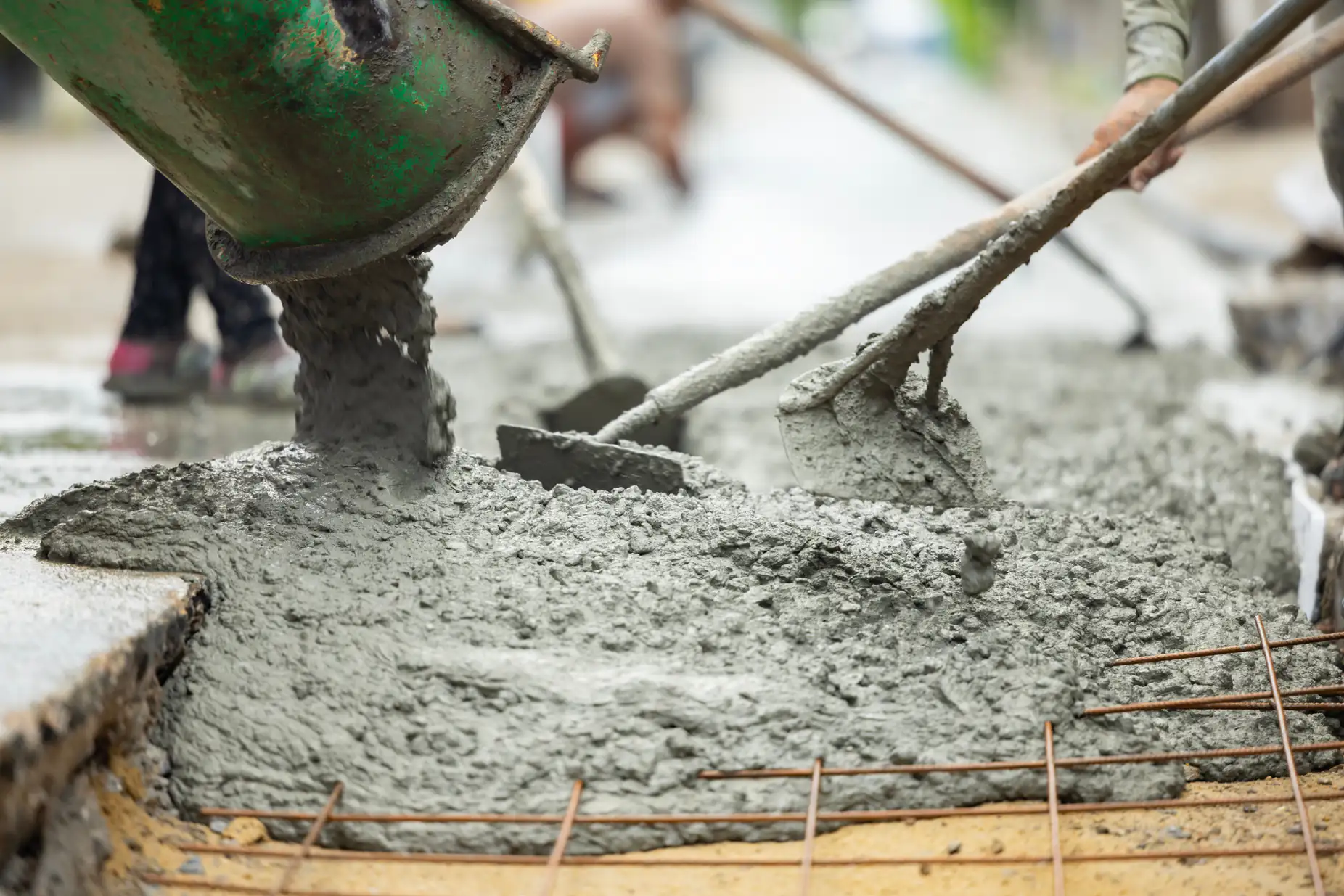
If you’re getting new installation, we excavate to the right depth, grade for proper drainage, and build a compacted aggregate base. This is where most cheap jobs fail—they skip steps here to save time. For concrete work, we use Portland cement mixes with rebar reinforcement. For asphalt, we apply hot-mix asphalt (HMA) at the right temperature so it bonds correctly and doesn’t crack prematurely.
We handle the permit application and coordinate inspections with Newark officials. You don’t have to figure out what forms to fill out or who to call. Once everything’s approved and cured properly, you have a driveway that can handle traffic and weather without falling apart. The whole process typically takes a few days to a week depending on size and complexity, and we’ll give you a realistic timeline upfront—not an optimistic guess that we’ll miss by two weeks.

Ready to get started?
You get materials engineered for New Jersey’s climate—not whatever’s cheapest that week. Hot-mix asphalt that bonds at the correct temperature. Concrete mixes that can handle freeze-thaw without spalling. Proper compaction and sealing that prevent water intrusion.
In Newark specifically, that means accounting for soil conditions that vary block by block. Older neighborhoods near Branch Brook Park have different drainage patterns than newer developments. We adjust base preparation and grading based on what your property actually needs, not a one-size-fits-all approach.
We also offer decorative stamped concrete if you want something beyond a basic gray slab. Patterns that mimic brick, stone, or pavers but cost less and require less maintenance. And if your driveway just needs resurfacing or repairs in specific areas, we can handle that too—you don’t always need full replacement.
The typical concrete driveway installation in Newark runs $6-12 per square foot depending on thickness and finish. Asphalt costs $3-7 per square foot. We’ll give you transparent pricing upfront based on your actual project, not a vague estimate that doubles once we start. And we guarantee a callback within 24-48 hours when you request a quote online—no waiting a week to hear back or playing phone tag.
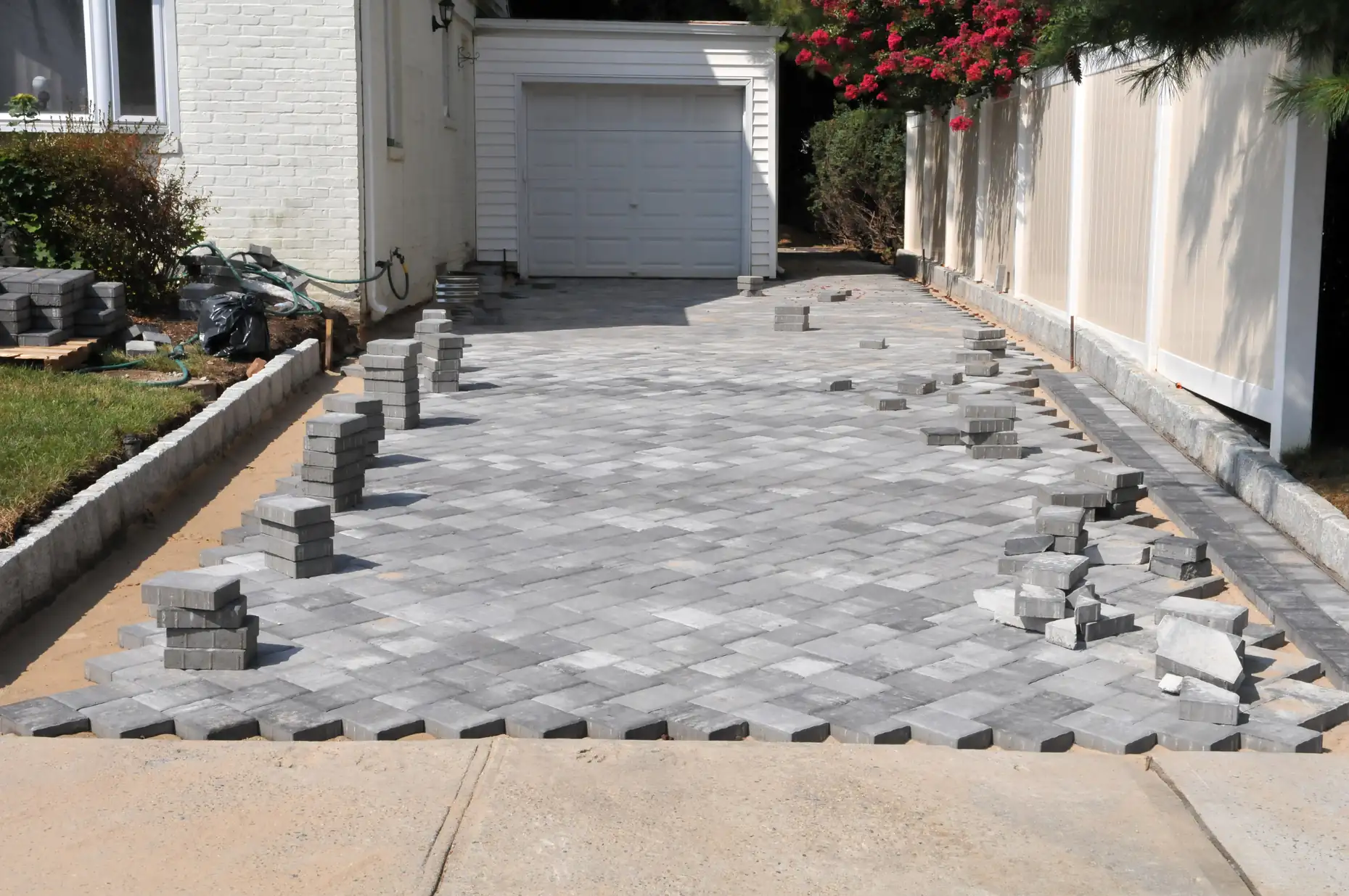
A properly installed concrete driveway should last 25-30 years in Newark if it’s built right from the start. That means correct base preparation for local soil conditions, proper thickness (usually 4-6 inches for residential), rebar reinforcement, and control joints cut at the right intervals to manage cracking.
The main killers are water intrusion and freeze-thaw cycles. When water gets underneath through cracks or poor drainage, it freezes in winter, expands, and breaks the concrete from below. You’ll see spalling, potholes, and sections that sink or heave. Newark’s clay soil makes this worse because it doesn’t drain as well as sandy soil—water sits longer and does more damage.
If your driveway was installed without addressing drainage or used a thin pour to save money, you might only get 10-15 years before major repairs are needed. The upfront cost difference between a cheap job and a proper installation is maybe 20-30%, but the lifespan difference is double. You’re better off doing it right once than redoing it twice.
Asphalt costs less upfront—typically $3-7 per square foot versus $6-12 for concrete. It’s faster to install and you can drive on it in a day or two. It also handles freeze-thaw cycles better in some ways because it’s more flexible, so it’s less likely to crack from temperature changes.
Concrete lasts longer and needs less maintenance over its lifetime. You’re not resealing every few years like you do with asphalt. It also handles hot weather better—asphalt can soften in extreme heat and show tire marks or ruts. Concrete gives you more design options too, like stamped patterns or decorative finishes that look like high-end materials.
For Newark specifically, both work fine if installed correctly. The choice usually comes down to budget and how long you plan to stay in the house. If you’re selling in 5-10 years, asphalt makes sense. If this is your long-term home and you want to minimize future maintenance, concrete is the better investment. Either way, the installation quality matters more than the material—a poorly installed concrete driveway will fail faster than properly installed asphalt.
Yes, you need a permit from Newark’s Department of Engineering for any driveway work that involves excavation, changes to the curb cut, or modifications to drainage. Even resurfacing sometimes requires approval depending on the scope. The city wants to make sure your driveway drains properly and doesn’t dump water onto the street or neighboring properties.
The permit process involves submitting a site plan, getting approval from the engineering department, and scheduling inspections at specific stages of the work. If your property is in a historic district or has other restrictions, there may be additional requirements. Most homeowners don’t know what’s needed and either skip permits entirely (which can cause problems when you sell) or waste time filing incorrect paperwork.
We handle the entire permit process as part of our service. We know what Newark requires, we submit the right documents, and we coordinate inspections so the project doesn’t get held up waiting for city approval. You don’t have to figure out who to call or what forms to fill out—we’ve done it hundreds of times and know exactly how to get through the process without delays.
For a standard residential driveway in Newark (around 600 square feet), you’re looking at $3,600-7,200 for basic concrete installation. That’s based on $6-12 per square foot depending on thickness, site conditions, and whether you need significant excavation or drainage work. If you want decorative stamped concrete, add another $2-4 per square foot.
The variables that affect cost are base preparation (clay soil requires more work than sandy soil), accessibility (can we get equipment to the site easily), removal and disposal of old material, and any grading needed to fix drainage issues. Older Newark neighborhoods sometimes need more prep work because the existing base has settled unevenly or drainage was never done right in the first place.
Asphalt is cheaper—typically $1,800-4,200 for the same size driveway at $3-7 per square foot. But remember you’ll need to reseal it every 2-3 years at $200-500 per application, so the lifetime cost gap isn’t as big as it looks. We’ll give you transparent pricing based on your actual property after we look at it, not a ballpark number that changes once we start digging. No surprises, no hidden fees for “unexpected” conditions that any experienced contractor should have anticipated.
A typical residential driveway takes 3-5 days for asphalt and 5-7 days for concrete, but that doesn’t include permit approval time or weather delays. The actual work breaks down into excavation and base prep (1-2 days), pouring or paving (1 day), and curing time before you can use it (1 day for asphalt, 3-7 days for concrete).
Concrete needs time to cure properly before you drive on it—usually a week for full strength, though you can walk on it after 24-48 hours. Rush that and you’ll get surface damage that turns into bigger problems later. Asphalt cures faster but still needs 24 hours minimum before regular use, and you should avoid heavy vehicles for a few days.
The permit process in Newark adds 1-2 weeks on the front end, and we need to schedule inspections at specific points during the work. Weather also matters—we can’t pour concrete if it’s going to freeze within 48 hours, and asphalt won’t bond correctly if it’s too cold. We’ll give you a realistic timeline based on the season and your specific project, and we stick to it. If we say we’ll start Tuesday and finish by Friday, that’s what happens—not a vague “sometime next week” that turns into three weeks.
Water is the main culprit. It seeps into small cracks or gaps, freezes in winter, expands, and makes the cracks bigger. Over time this breaks down the surface and the base underneath. Poor drainage makes it worse—if water pools on your driveway instead of running off, it has more time to work its way in and cause damage.
The other major cause is a weak or improperly prepared base. If the aggregate base isn’t thick enough, isn’t compacted correctly, or wasn’t graded for drainage, the driveway will settle unevenly and crack along stress points. In Newark’s clay soil, this is especially common because clay holds water and shifts more than sandy soil. You need proper excavation depth and a well-compacted stone base to create a stable foundation.
We prevent cracking by doing the base work right—proper depth, correct materials, thorough compaction, and grading that moves water away from the surface. For concrete, we use control joints cut at the right spacing to manage where cracks form (they’ll crack along the joints instead of randomly across the surface). We also use rebar reinforcement to hold everything together. For asphalt, we apply it at the correct temperature so it bonds properly and remains flexible enough to handle temperature changes without breaking apart. None of this is complicated—it’s just doing the work correctly instead of cutting corners to finish faster.