
Hear from Our Customers
A driveway that doesn’t crack after one winter. That’s what matters.
You’re not just getting concrete poured. You’re getting materials engineered for freeze-thaw cycles, a base that drains properly, and installation by people who’ve done this for two decades across Morris County. We use Portland cement mixes with rebar reinforcement because that’s what holds up here. Not the cheapest option, but the one that doesn’t fail.
Most concrete driveways installed correctly last 30+ years in this climate. The ones that crack in year two? Poor base prep, wrong mix design, or contractors who didn’t account for New Jersey weather. We’ve repaired enough of those to know exactly what fails and why.
Your driveway handles your vehicles, your weather, and your property value. It either works or it costs you. We make sure it works.
We’ve been doing this for over 20 years across Morris, Sussex, and Somerset Counties. BBB A+ rated, licensed in New Jersey (13VH08981600), and we actually return calls within 24-48 hours.
Mendham homeowners deal with steep grades, heavy clay soils, and brutal freeze-thaw cycles. We’ve paved hundreds of driveways in these conditions. We know which base depths work on your soil types, how to grade for proper drainage on sloped properties, and which concrete mixes hold up in your specific microclimate.
You’re not getting a national franchise or a crew that disappears after the pour. You’re getting a local contractor who’s been here long enough to stand behind the work—and who will still be here when your neighbor asks for a referral five years from now.
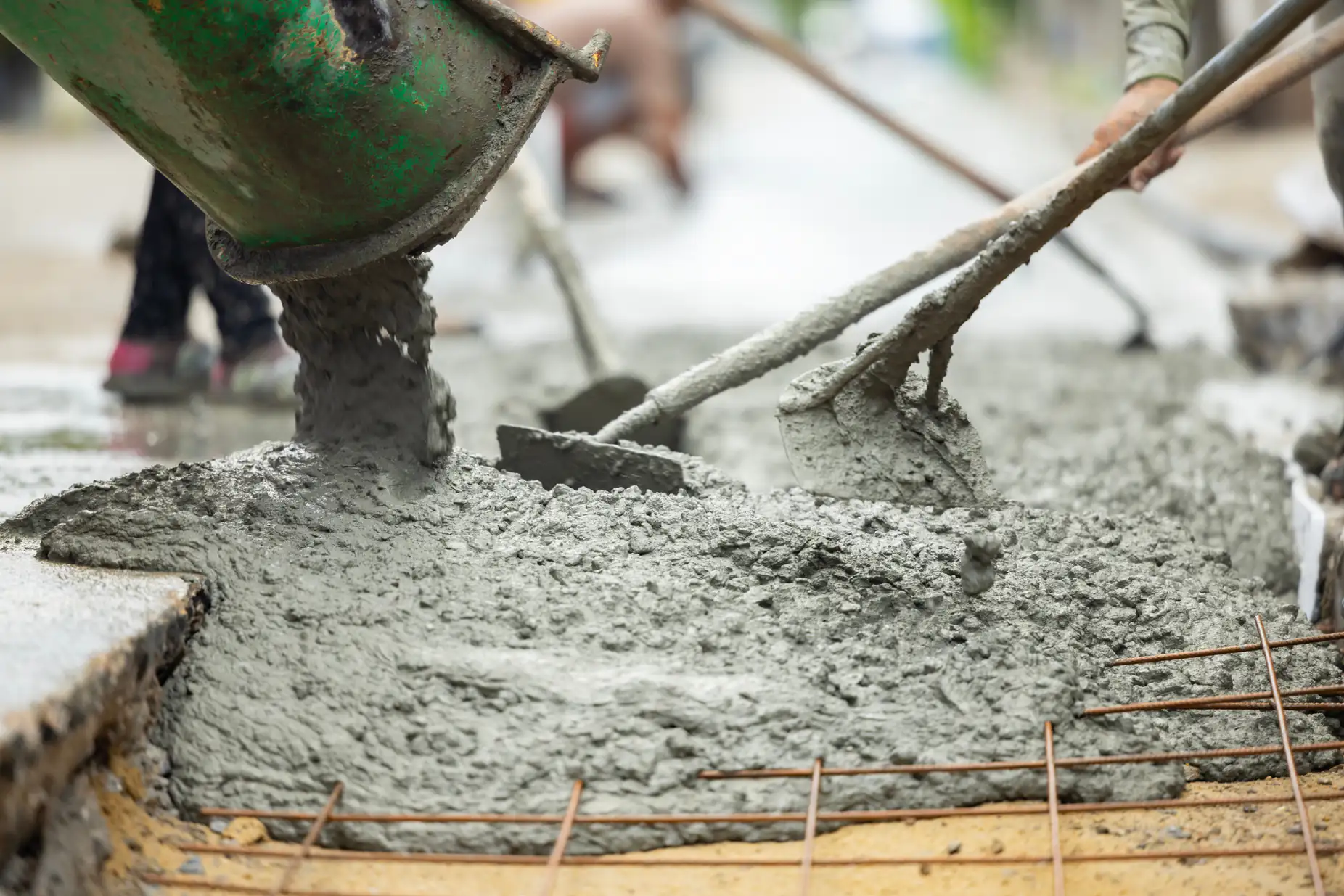
First, we excavate and remove your existing driveway or prepare the site. Depth matters here—we go down far enough to create a stable base that won’t shift or settle. For most Mendham properties, that means removing 8-12 inches depending on soil conditions.
Next comes the base layer. We use crushed stone compacted in lifts with proper equipment—not a hand tamper. This is where drainage gets built in. If water pools under your concrete, it will crack. We grade and compact to prevent that. For sloped driveways common in this area, we may add additional drainage solutions.
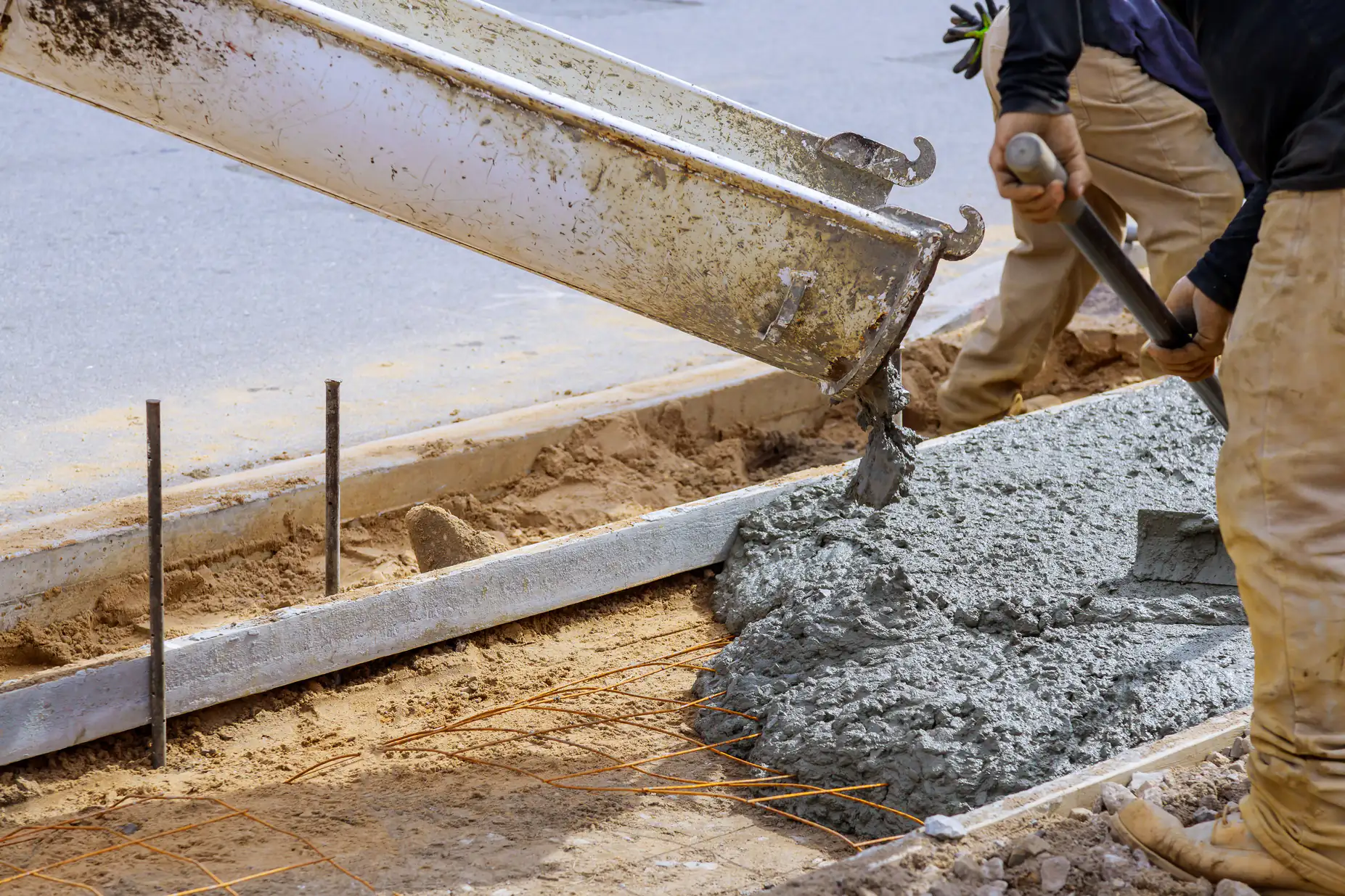
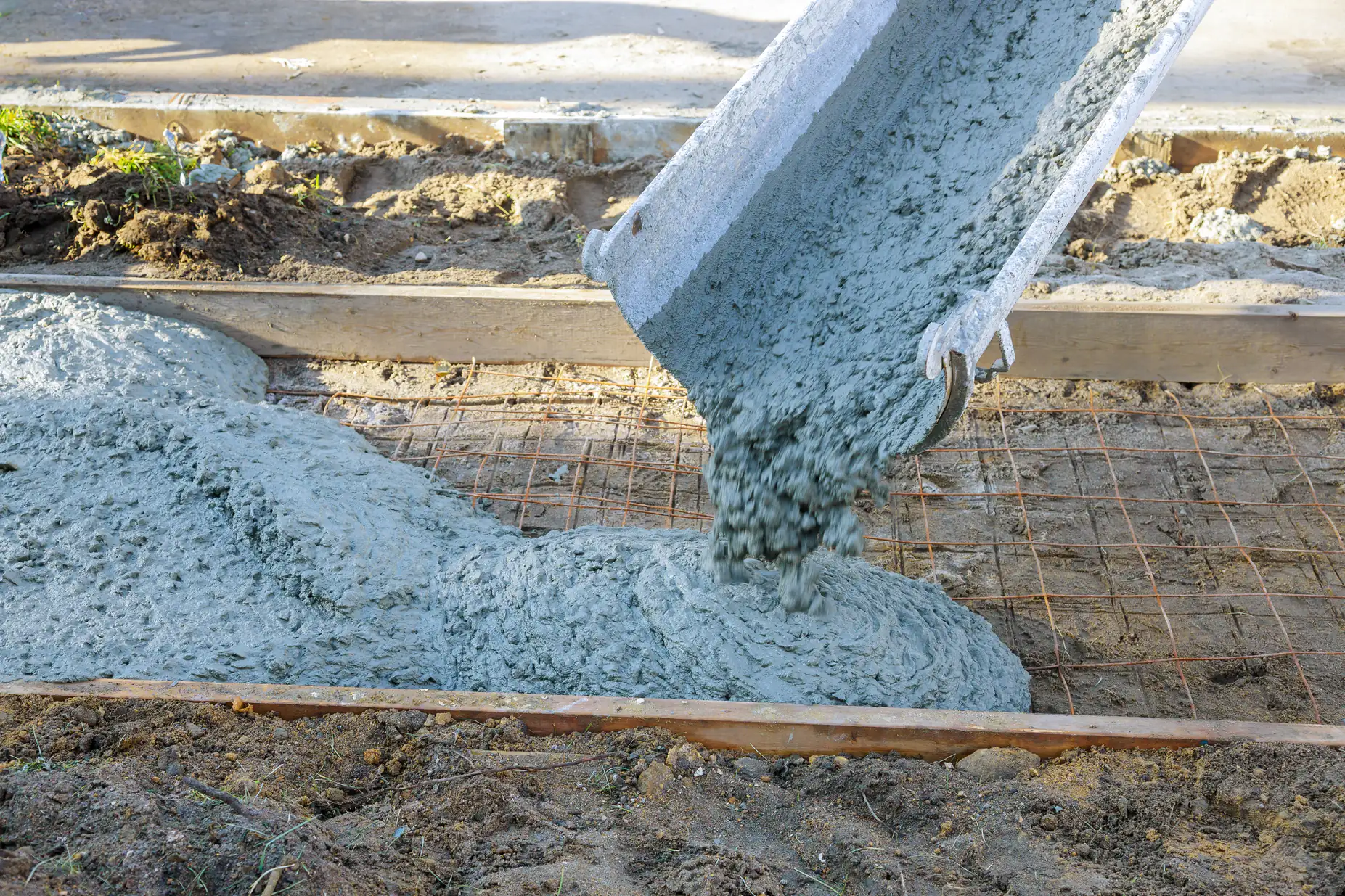
Then we form, reinforce, and pour. We use Portland cement concrete with rebar reinforcement, not just wire mesh. The concrete gets poured at the right temperature (critical for strength), finished to your specs, and cured properly. Rushing the cure is how driveways fail early.
Most installations take 1-3 days depending on size. You’ll need to stay off it for about a week. We’ll walk you through the timeline and what to expect at each stage before we start.

Ready to get started?
You get full site prep, proper base installation, reinforced concrete or high-grade asphalt, and a 5-year warranty on materials and workmanship. We handle permits, drainage, grading, and cleanup. You don’t coordinate subcontractors or chase down inspections.
Concrete runs about $7-13 per square foot installed in this area. Asphalt costs $5-8 per square foot. For a standard two-car driveway (around 600 square feet), you’re looking at $4,200-$7,800 for concrete or $3,000-$4,800 for asphalt. We’ll give you a clear quote upfront—no surprise charges when we’re halfway done.
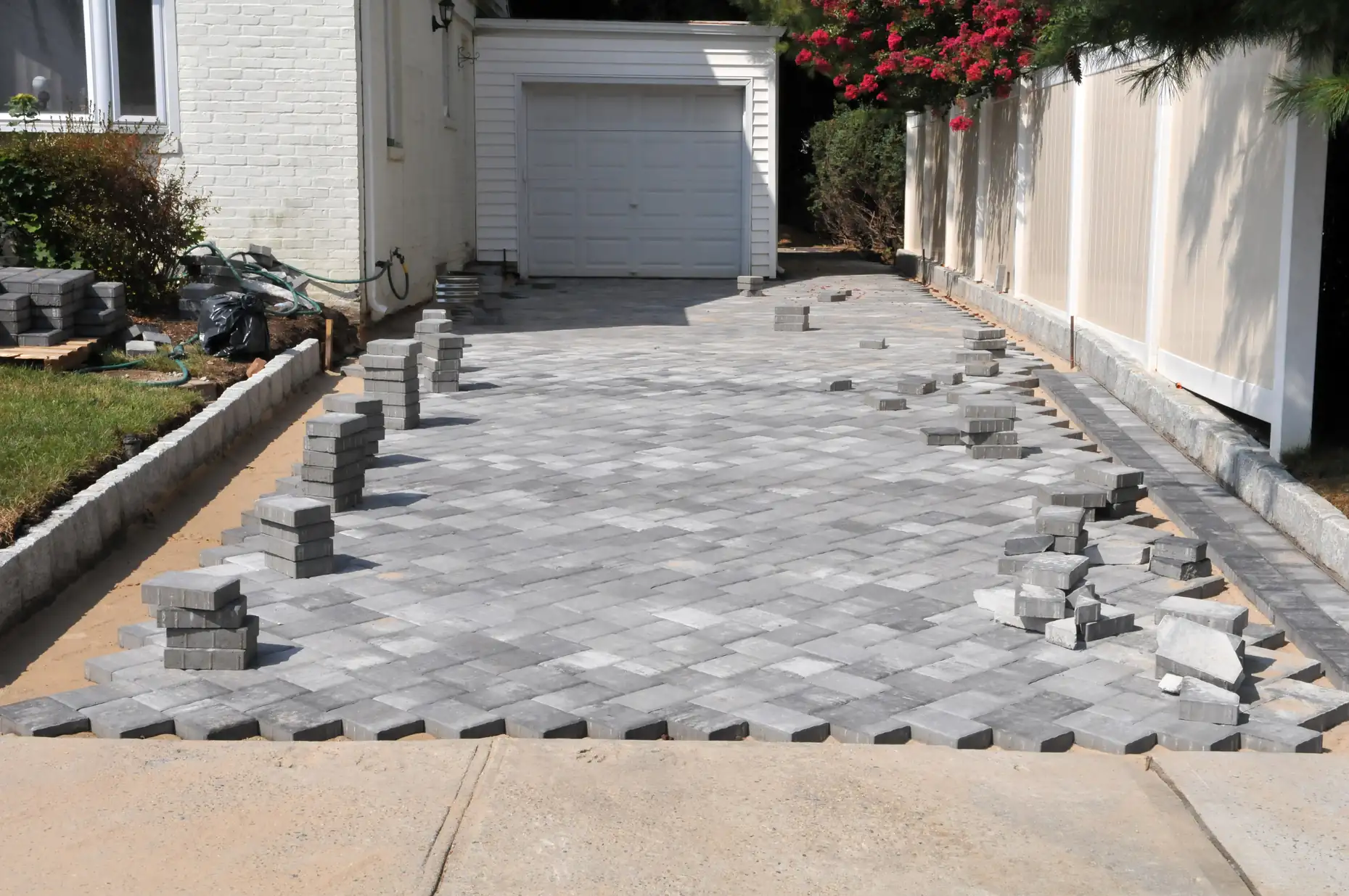
We also offer decorative options: stamped concrete patterns, exposed aggregate, colored concrete, or Belgian block edging. If you want a concrete patio or walkway done at the same time, we can coordinate that to save on mobilization costs.
Mendham properties often need more than just a flat driveway. Steep grades, drainage concerns, and HOA requirements all factor in. We’ve worked with most of the local regulations and can tell you what’s required before you commit.
A properly installed concrete driveway lasts 30-40 years in New Jersey’s climate. That assumes correct base prep, proper concrete mix, adequate reinforcement, and basic maintenance like sealing every few years.
The driveways that fail early—cracking within 5-10 years—usually have one of three problems: insufficient base depth, poor drainage, or concrete poured at the wrong temperature. New Jersey’s freeze-thaw cycles are brutal. Water gets into small cracks, freezes, expands, and turns minor damage into major problems fast.
We use Portland cement mixes designed for this climate and reinforce with rebar, not just wire mesh. The base gets compacted properly with the right equipment. And we don’t pour if temperatures are going to drop below 40°F within the first week—that compromises strength. These aren’t optional steps. They’re the difference between a driveway that lasts and one that doesn’t.
Concrete costs more upfront but lasts longer and needs less maintenance. Asphalt is cheaper initially but requires resealing every 2-3 years and typically needs resurfacing after 15-20 years.
For Mendham specifically, both work if installed correctly. Concrete handles the freeze-thaw cycles well and doesn’t soften in summer heat. It’s better for steep driveways because it doesn’t develop ruts or depressions under heavy vehicles. Asphalt is more flexible, which helps on properties with minor settling issues, but it does require more ongoing maintenance.
If you’re planning to stay in your home long-term and want lower lifetime costs, concrete usually wins. If you need to minimize upfront expense or prefer the look of asphalt, that’s a valid choice too. We install both, so we’re not pushing one over the other. It depends on your budget, how long you plan to stay, and how much maintenance you want to deal with.
Choosing a contractor based solely on price. The lowest bid almost always means shortcuts—thinner base, no reinforcement, poor drainage, or concrete mixed wrong.
We’ve repaired dozens of driveways where homeowners saved $1,500 upfront and spent $8,000 three years later on full replacement. The base layer is where most contractors cut costs. They’ll use less stone, skip proper compaction, or ignore drainage. You can’t see any of that once the concrete is poured, but you’ll see the results when cracks appear after the first winter.
The second biggest mistake is not verifying licensing and insurance. New Jersey requires paving contractors to register with the Division of Consumer Affairs and carry proper insurance. If something goes wrong—damage to your property, injury on site, or defective work—an unlicensed contractor leaves you with no recourse. Check the license number (ours is 13VH08981600), verify insurance, and make sure they’ve been in business long enough to honor a warranty.
Concrete driveway installation runs $7-13 per square foot in this area, depending on site conditions, thickness, and any decorative options. A standard 600-square-foot two-car driveway costs $4,200-$7,800 installed.
That price includes excavation, base prep, reinforced concrete, finishing, and cleanup. Steep grades, poor soil conditions, or complicated drainage can push costs higher. Decorative options like stamped patterns or colored concrete add $2-4 per square foot.
Asphalt is cheaper—$5-8 per square foot or $3,000-$4,800 for the same driveway. But factor in resealing costs every few years and shorter lifespan. Over 30 years, concrete often costs less when you account for maintenance and replacement. We’ll give you accurate pricing for both options based on your specific property. No vague estimates or surprise charges halfway through the job.
Most driveway replacements in Mendham require a permit from the local building department, especially if you’re changing the size, location, or drainage pattern. New driveways definitely need permits.
The permit process ensures proper drainage, setbacks, and compliance with local codes. It’s not just bureaucracy—improper drainage can cause problems for neighboring properties or township stormwater systems. Mendham has specific requirements for pervious surfaces and runoff management.
We handle the permit process as part of the installation. We know what the township requires, how to submit plans, and how to schedule inspections. You don’t need to figure out the paperwork or take time off work to meet inspectors. It’s built into our process. Any contractor who tells you that you don’t need a permit or suggests skipping it is setting you up for problems when you try to sell your home or if a neighbor complains.
Wait at least seven days before driving on new concrete. Full cure takes 28 days, but it’s strong enough for normal vehicle traffic after a week.
Driving on it too early can cause surface damage, cracking, or permanent tire marks. The concrete may look dry and hard after a day or two, but it’s still curing internally. Rushing it compromises the strength you paid for.
We’ll tell you exactly when it’s safe to use based on weather conditions during the cure. Hot weather speeds curing; cold weather slows it down. If temperatures drop unexpectedly, we may recommend waiting longer. We’d rather have you park on the street for a few extra days than damage a driveway that should last 30+ years. Most homeowners can plan around a week without driveway access. If that’s a problem, we’ll work with you on timing before we start.