
Hear from Our Customers
Your driveway should be something you stop thinking about after it’s installed. No recurring cracks every spring. No water pooling near your garage. No wondering if this winter will be the one that finally destroys it.
Concrete done right in Manville means accounting for clay-heavy soils and the freeze-thaw punishment that hits North Jersey harder than most of the state. That’s why proper base preparation matters more than the concrete itself. Without it, you’re just pouring over a problem that’ll show up in two years.
When the installation is handled correctly from the start—drainage graded away from your foundation, rebar placed for structural support, control joints cut at the right intervals—you get a driveway that holds up for 30+ years. That’s not a sales pitch. That’s what happens when the base doesn’t shift and water doesn’t sit.
We’ve been installing concrete driveways across Manville, Hillsborough, Bound Brook, and surrounding towns since before most paving companies had websites. We’re a family-owned operation, licensed and insured, with crews who know the difference between doing it fast and doing it right.
Most of our work comes from referrals. That happens when driveways last and when callbacks get handled in 24 to 48 hours instead of three weeks. We’re not the company that shows up with leftover materials from another job and calls it custom work.
Manville’s housing stock averages back to 1955, which means a lot of driveways are on their second or third life. If yours is one of them, you already know what happens when corners get cut. We’ve repaired enough of those to know exactly what not to do.
First, the old driveway comes out if there’s one there. That includes removing the base if it’s compromised—no point in pouring new concrete over a foundation that’s already failing.
Next comes base prep. We excavate to the right depth, compact the subgrade, and install a gravel base that’s graded for drainage. This is where most problems get prevented or guaranteed. If water doesn’t drain away from your foundation and off the driveway surface, nothing else matters.
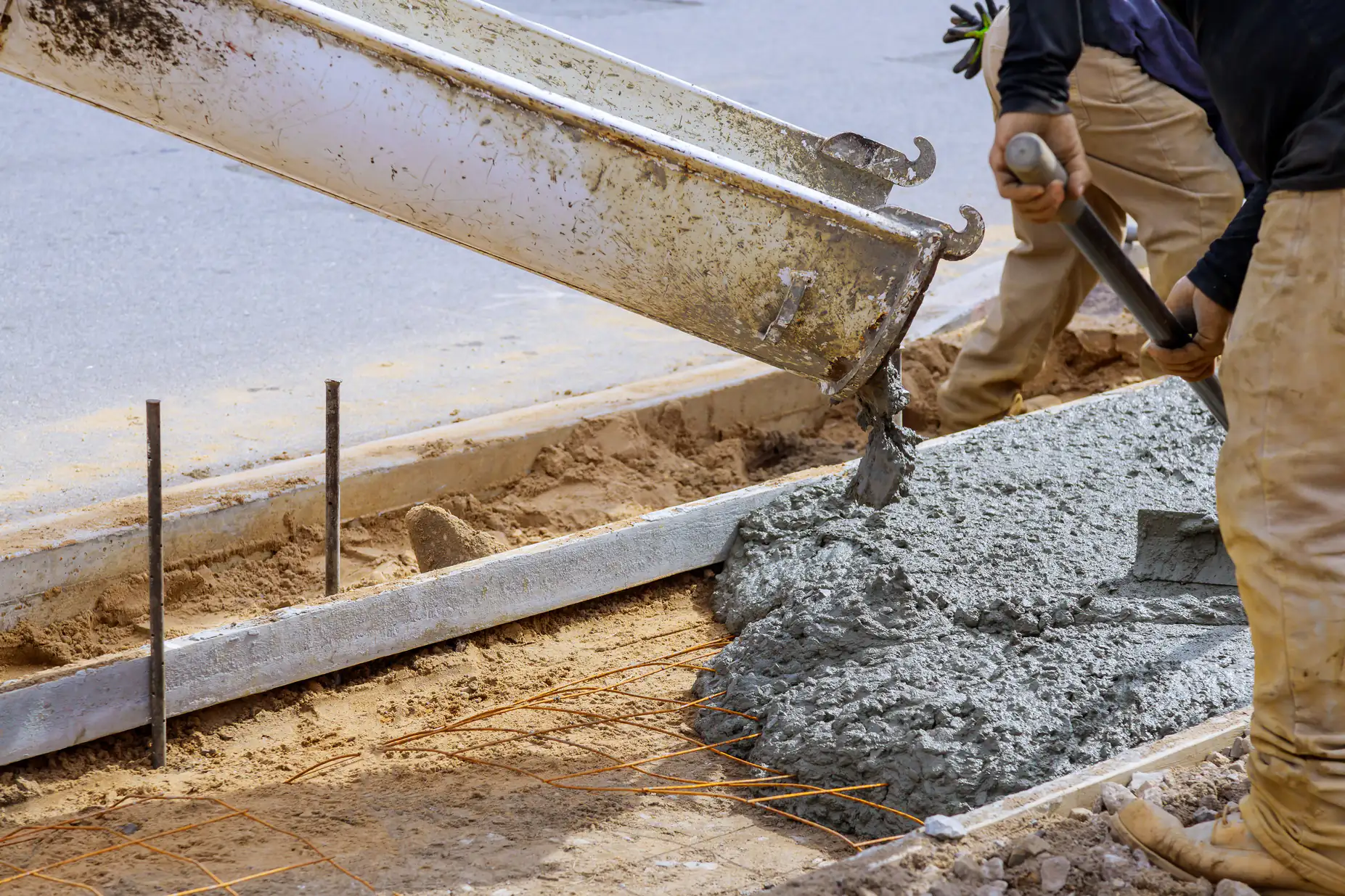
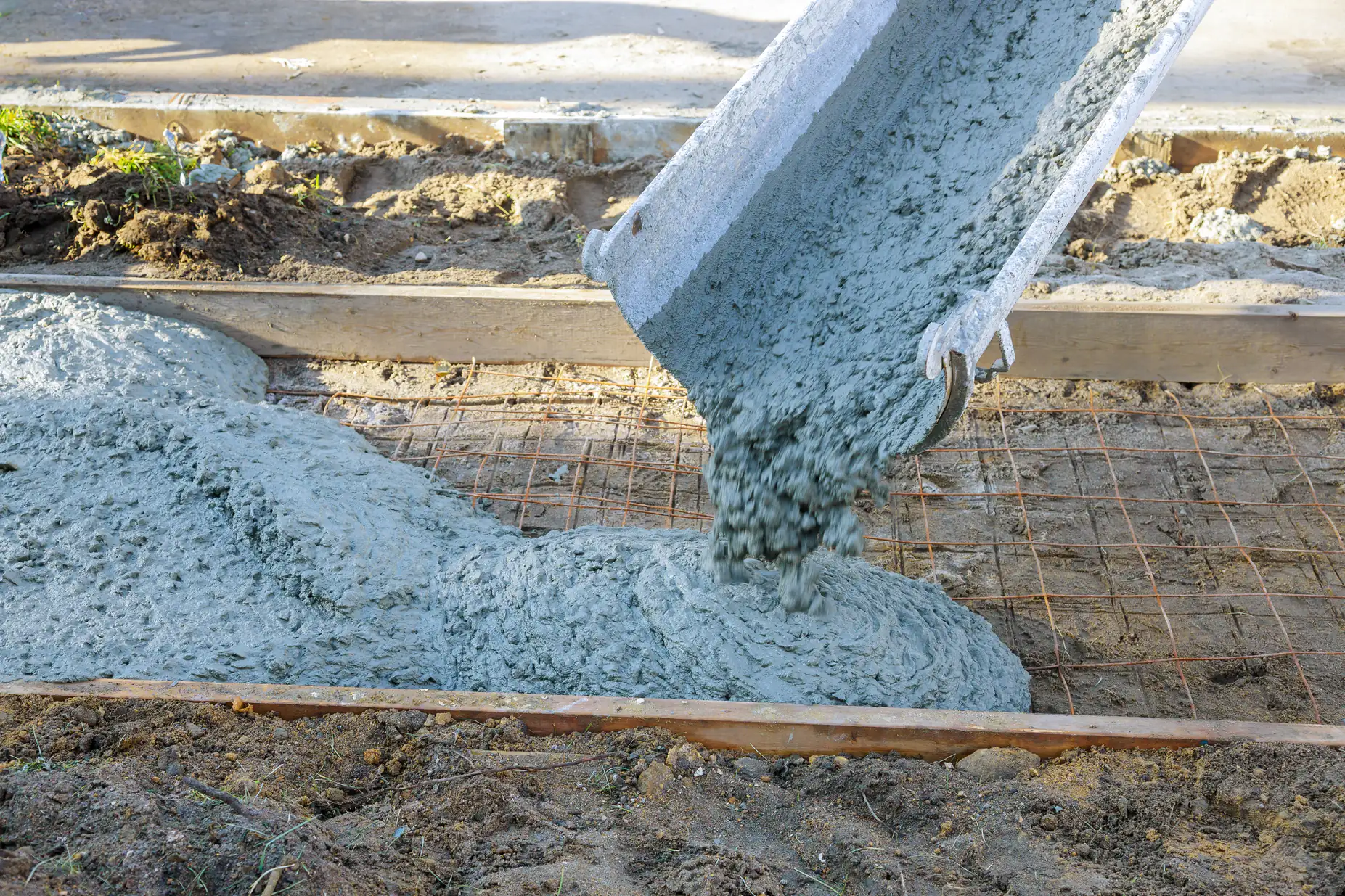
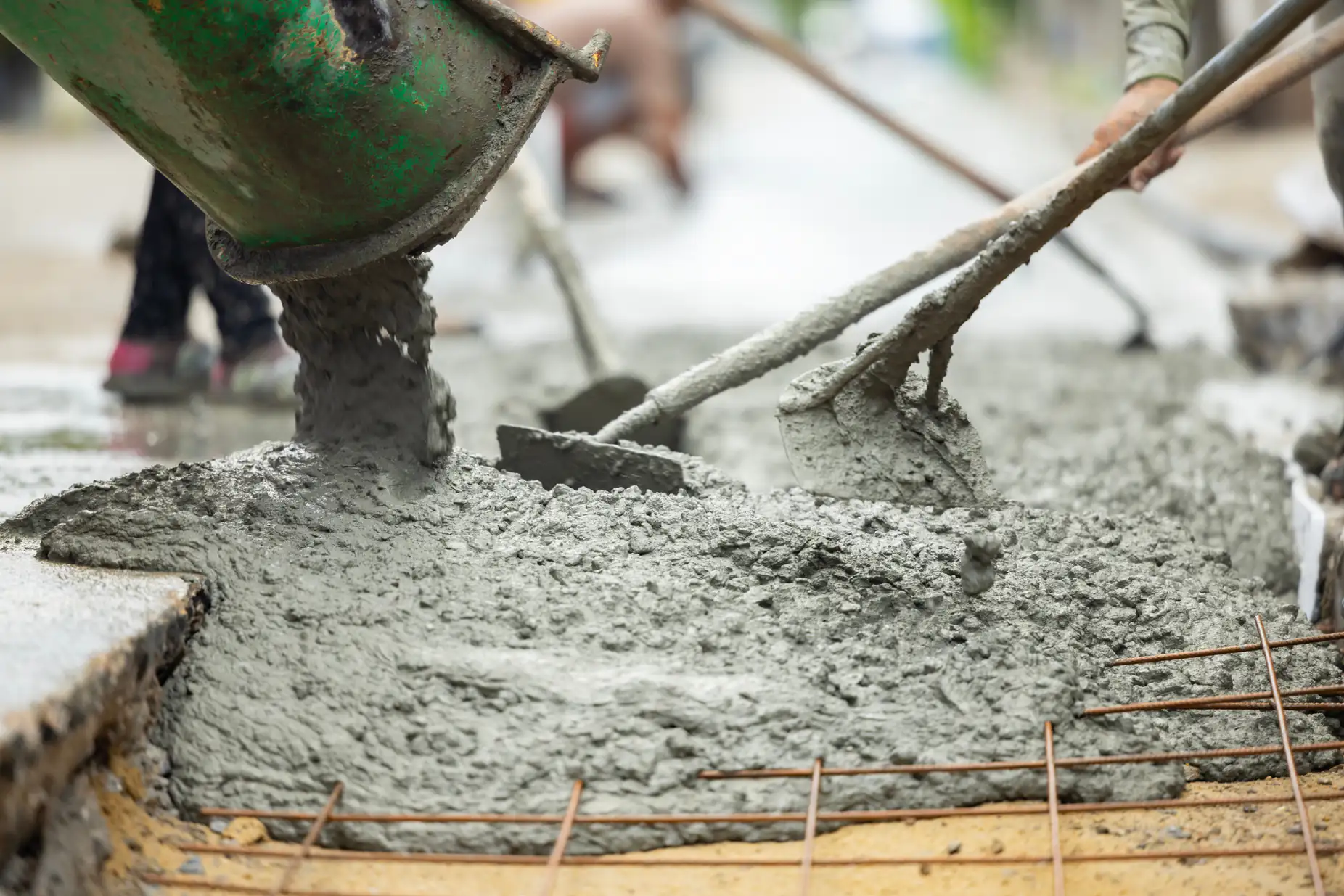
Then we set forms, place rebar for reinforcement, and pour Portland cement concrete mixed to handle New Jersey’s climate. The pour happens in sections with control joints cut to manage cracking as the concrete cures. We don’t skip the curing process. Concrete that dries too fast loses strength.
After curing, we remove forms, seal edges, and walk you through maintenance. Most driveways are done in under three days. We work efficiently, but we don’t rush compaction or curing times that affect how long your driveway lasts.

Ready to get started?
Every concrete driveway installation includes full base preparation, not just surface work. That means excavation, grading, compacted aggregate base, and proper slope for drainage. You’re not paying for concrete alone—you’re paying for the foundation that keeps it intact.
Rebar reinforcement comes standard. So does proper joint placement to control where cracks happen (because concrete will crack—the goal is to control where). We handle all permits required by Manville and Somerset County, and we coordinate inspections so you don’t have to.
In Manville specifically, soil composition matters. Parts of Central Jersey have clay-heavy soil that expands and contracts with moisture. That affects how we prep the base and how thick we pour. It’s not the same approach we’d use in Dover or Morristown, even though we serve those areas too.
We also offer decorative stamped concrete if you want something beyond a standard finish. Same structural approach, just with pattern and color added before the final cure. And everything comes with a five-year warranty covering material and workmanship defects—not just surface issues, but actual structural problems.
Most concrete driveways in Manville run between $8 and $20 per square foot depending on site conditions, base prep requirements, and whether you’re adding decorative finishes. A standard two-car driveway averages around $6,400, but that number moves based on what’s already there and what needs to happen before concrete gets poured.
If your existing driveway has drainage issues or the base has failed, costs go up because those problems have to be fixed first. Pouring over a bad foundation just means you’ll be replacing it again in five years. On the other hand, if your site is level with good drainage and minimal excavation, costs stay on the lower end.
We give you a clear upfront price after seeing the site. No surprises, no “unforeseen circumstances” charges halfway through the job. The estimate includes everything—demo, base prep, materials, labor, cleanup, and permits.
A properly installed concrete driveway in New Jersey typically lasts 30+ years. That’s assuming it was installed with the right base prep, proper drainage, and reinforcement to handle freeze-thaw cycles. Asphalt driveways usually last 15 to 20 years by comparison.
The key word is “properly installed.” If the base wasn’t compacted correctly or drainage wasn’t addressed, you’ll see problems much sooner—usually within the first five years. Concrete itself is durable, but it can’t compensate for a foundation that shifts or water that sits underneath.
Maintenance helps too. Sealing your concrete every few years protects against moisture penetration and surface damage from de-icing salts. But even without sealing, a well-installed concrete driveway will outlast most other options in North Jersey’s climate. The winters here are brutal, and concrete handles freeze-thaw cycles better than asphalt when it’s reinforced and installed correctly.
It depends on your priorities and your property’s soil conditions. Concrete costs more upfront but lasts longer and needs less maintenance. Asphalt costs less initially but requires resealing every few years and typically needs replacement sooner.
For Manville specifically, soil composition plays a role. Parts of Somerset County have clay-heavy soils that expand and contract with moisture changes. Asphalt’s flexibility can be an advantage in those conditions. Concrete is more rigid, so if the base isn’t prepped correctly in clay soil, you’ll see cracking sooner.
That said, concrete handles freeze-thaw cycles better overall and doesn’t soften in summer heat like asphalt can. If you’re planning to stay in your home long-term and want something you won’t think about for decades, concrete makes sense. If you need a lower upfront cost and don’t mind periodic maintenance, asphalt works. We install both, so we’re not pushing one over the other—it’s about what fits your situation.
Yes, most driveway installations in Manville require a permit from the local building department, especially if you’re changing the driveway’s footprint, altering drainage patterns, or connecting to a public road. Even replacement driveways often need permits to ensure work meets local codes.
We handle all permit applications and coordinate required inspections as part of our service. That includes submitting site plans, ensuring proper drainage design, and scheduling inspections at the right phases of installation. You don’t have to deal with the borough offices or figure out what paperwork is needed.
Skipping permits might seem like it saves time, but it creates problems if you ever sell your home or if the work doesn’t meet code and needs to be redone. Inspections exist to make sure drainage doesn’t create problems for neighboring properties and that the installation meets structural standards. It’s not just bureaucracy—it’s protecting your investment and your property value.
You can’t prevent all cracking—concrete will crack as it cures and as temperatures fluctuate. But you can control where cracks happen and minimize structural damage through proper installation. That starts with a well-compacted base that doesn’t shift when the ground freezes and thaws.
We use rebar reinforcement to hold concrete together even if small cracks form. Control joints are cut at specific intervals to direct cracks to those joints instead of randomly across your driveway. Proper drainage keeps water from sitting under the slab where it can freeze, expand, and push the concrete apart from below.
The concrete mix itself matters too. We use Portland cement mixes designed for cold climates with the right water-cement ratio and air entrainment to handle freeze-thaw cycles. Concrete that’s poured too wet or without proper air content will fail faster in New Jersey winters. Curing time is also critical—rushing that process weakens the concrete permanently. Most winter damage happens because one of these steps got skipped or done incorrectly, not because concrete can’t handle cold weather.
Technically yes, but it’s not ideal. Concrete needs temperatures above 50°F during installation and for several days after to cure properly. Cold temperatures slow the curing process and can weaken the concrete permanently if it freezes before it’s fully set.
We typically recommend scheduling concrete work between April and October in New Jersey. Summer offers the best conditions—consistent warm temperatures and lower chance of rain interrupting the pour or the cure. Spring and fall work fine too as long as weather cooperates.
If you absolutely need winter installation, it can be done with cold-weather concrete mixes, insulated blankets, and heated enclosures—but that adds cost and complexity. For most homeowners, waiting until spring makes more sense. Your driveway will last 30+ years, so waiting a few months for ideal installation conditions is worth it. We’d rather schedule your project for the right time than rush it in conditions that compromise the final result.