
Hear from Our Customers
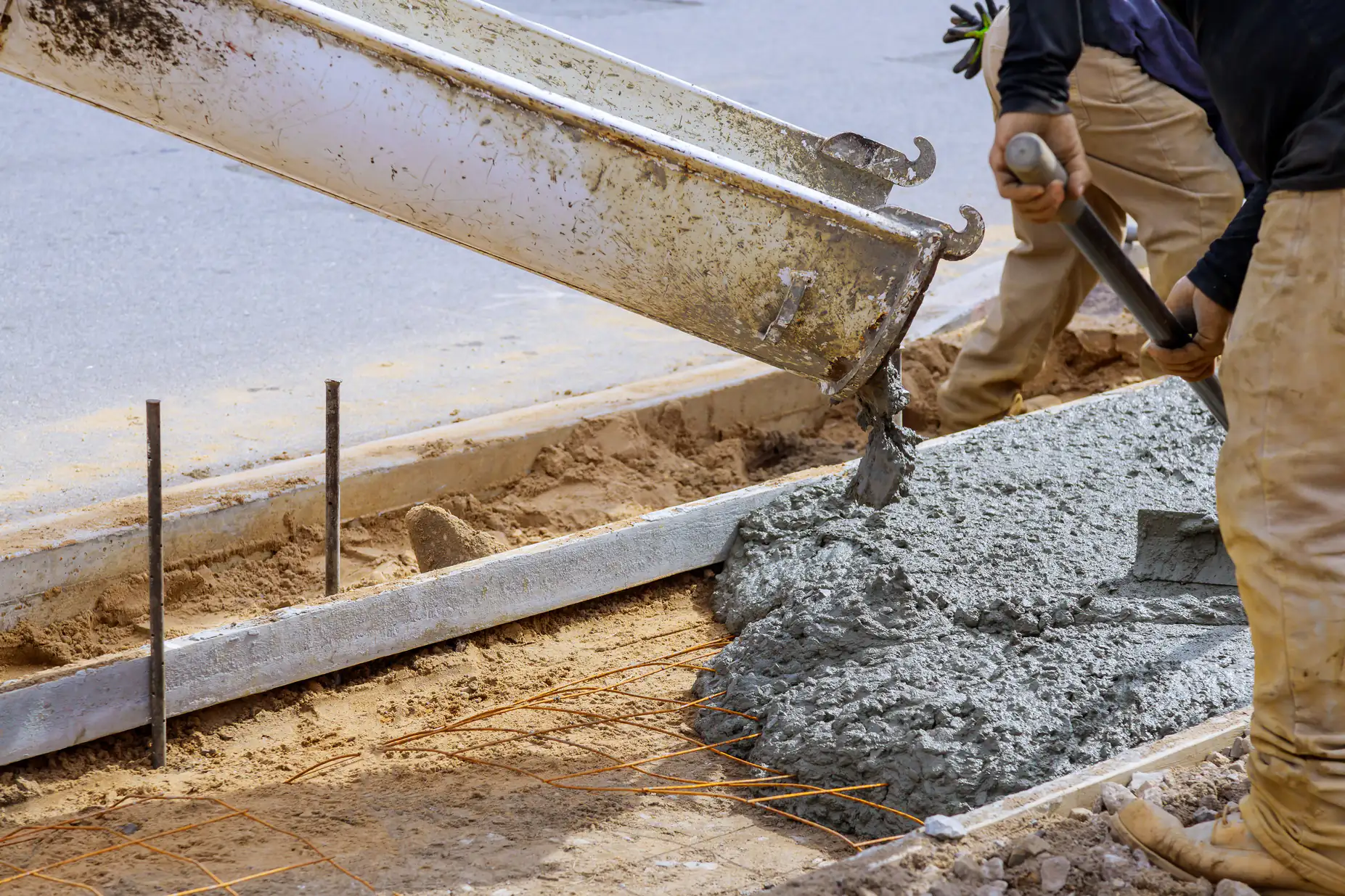
Your driveway takes a beating. Snow, ice, salt, temperature swings from 10 degrees in January to 90 in July. Most concrete work around Landing fails because contractors skip steps or use mixes that aren’t rated for our climate.
When the job’s done right, you’re looking at a surface that stays level, resists cracking, and doesn’t need major work for 25 to 30 years. That’s not marketing talk – that’s what happens when you use 4,000 PSI concrete with proper air entrainment and reinforcement, poured over a compacted base that won’t shift when the ground freezes.
You also get a driveway that actually looks good. Clean lines, smooth finish, or stamped patterns if that’s your style. The kind of curb appeal that makes your home feel updated the second someone pulls up.
And here’s what matters just as much: no surprises. You’ll know the cost upfront, the timeline before we start, and exactly what’s included. Most callbacks happen within 48 hours, and the work gets scheduled when we say it will.
We work across Morris, Sussex, and Somerset Counties. We’re based here, we know the soil conditions, and we’ve seen what happens when contractors from out of the area try to apply generic methods to North Jersey properties.
Landing sits near Lake Hopatcong, which means properties here deal with moisture, elevation changes, and ground movement that requires specific attention during base prep. We account for that before the first yard of concrete gets delivered.
We’re licensed, insured, and we use materials from state-certified suppliers. The concrete comes from local batch plants that meet New Jersey’s standards, and we don’t pour if the temperature’s going to drop below 40 degrees during the cure. That’s how you avoid surface spalling and early deterioration.
First, we look at your property. That means checking the slope, drainage, and what’s underneath the existing surface. If the base is unstable or poorly compacted, we’re rebuilding it – there’s no shortcut here that doesn’t cost you more later.
Next, we excavate and grade. The base gets compacted in layers, and we install rebar or wire mesh for reinforcement. This is what keeps your driveway from cracking when the ground shifts during freeze-thaw cycles.
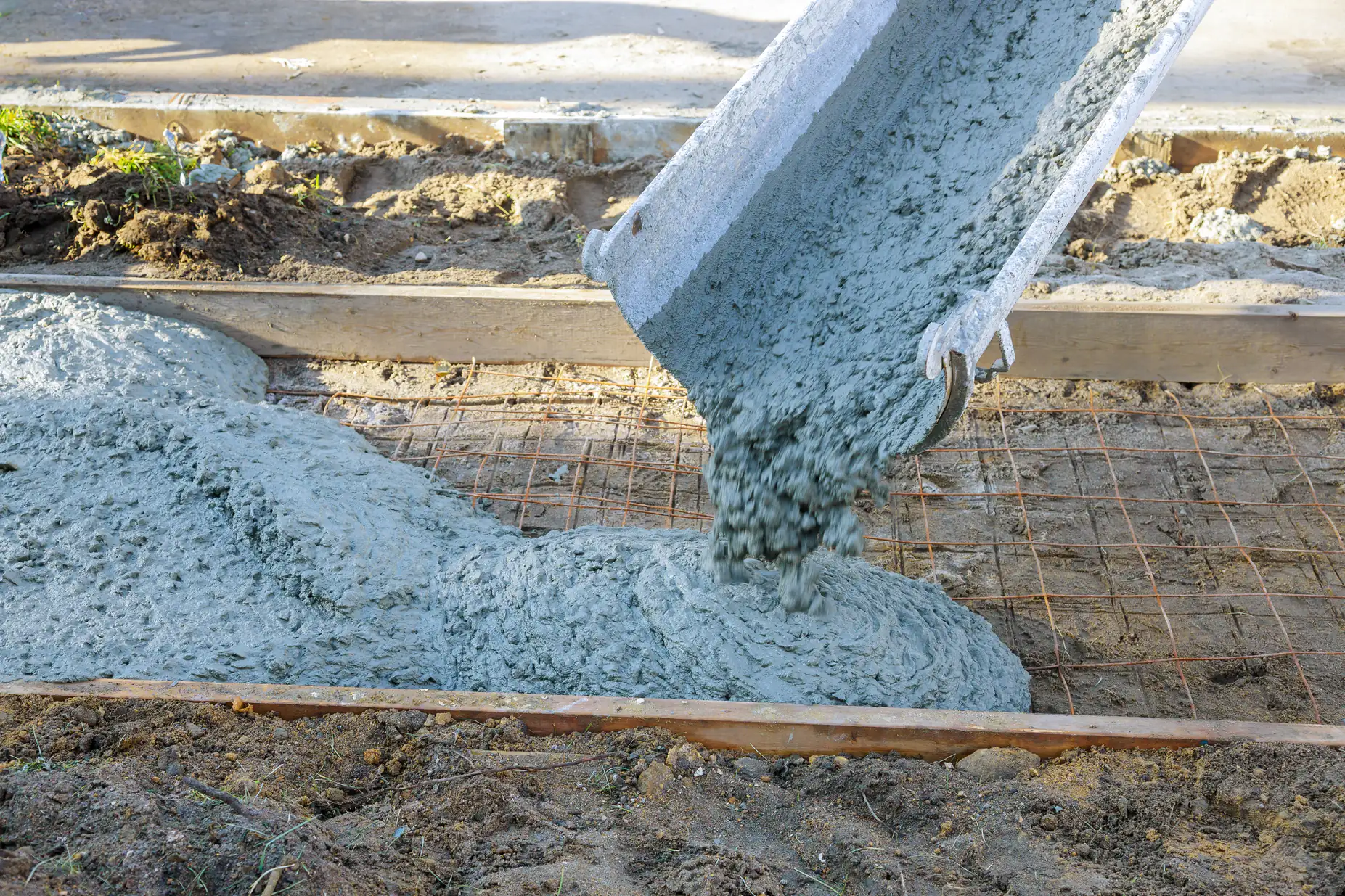
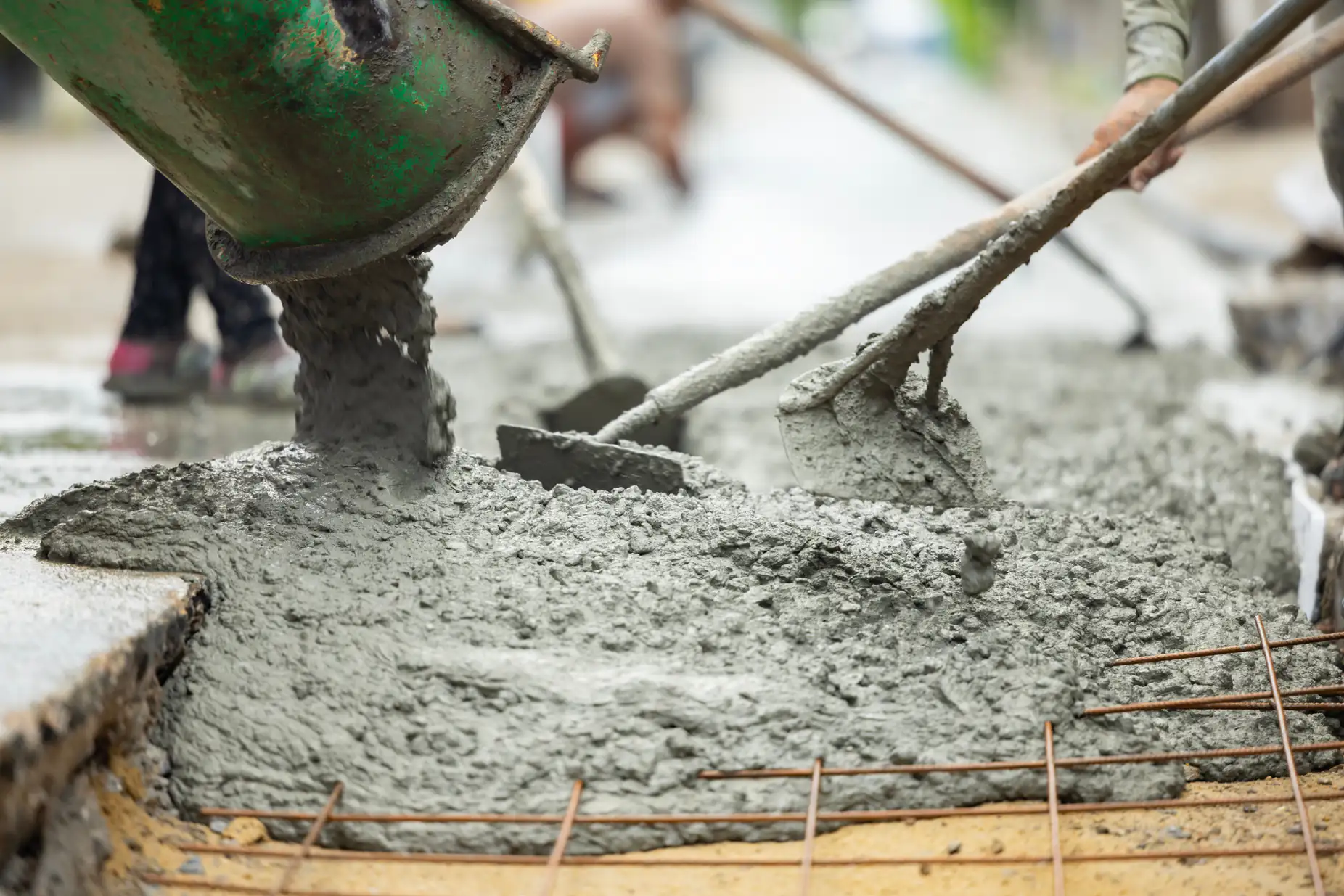
Then we pour. We use Portland cement mixes with the right air entrainment for cold weather performance, applied at the correct temperature. The concrete gets screeded, floated, and finished – whether that’s a broom finish for traction or a stamped pattern if you’re going decorative.
After that, it cures. You’ll need to stay off it for at least 7 days, and we’ll walk you through what to expect during that time. Once it’s fully cured, you’ve got a surface that’s ready for whatever Landing weather throws at it.
The whole process typically takes 3 to 5 days from start to finish, depending on size and site conditions. We’ll give you a timeline before we start, and we stick to it.

Ready to get started?
Every job includes site evaluation, proper excavation, and base preparation with compaction. We’re not pouring over dirt or old asphalt that’s breaking apart – the foundation has to be right or nothing else matters.
You’re getting high-grade Portland cement concrete with rebar reinforcement, poured at the thickness your property needs. Standard residential driveways run 4 inches thick, but if you’ve got heavier vehicles or soil conditions that require it, we’ll go thicker.
We also handle the details most homeowners don’t think about until it’s too late: proper pitch for drainage, control joints to manage cracking, and edges that tie into your garage or existing pavement without creating trip hazards.
If you want decorative options, we offer stamped concrete in patterns that mimic stone, brick, or slate. The trend right now in North Jersey is toward warmer, natural tones – grays and tans that complement landscaping without looking dated in five years.
And because Landing properties often include concrete patios, walkways, or other hardscaping, we can handle those at the same time. It’s more efficient to do it all at once, and it ensures everything matches and drains correctly.
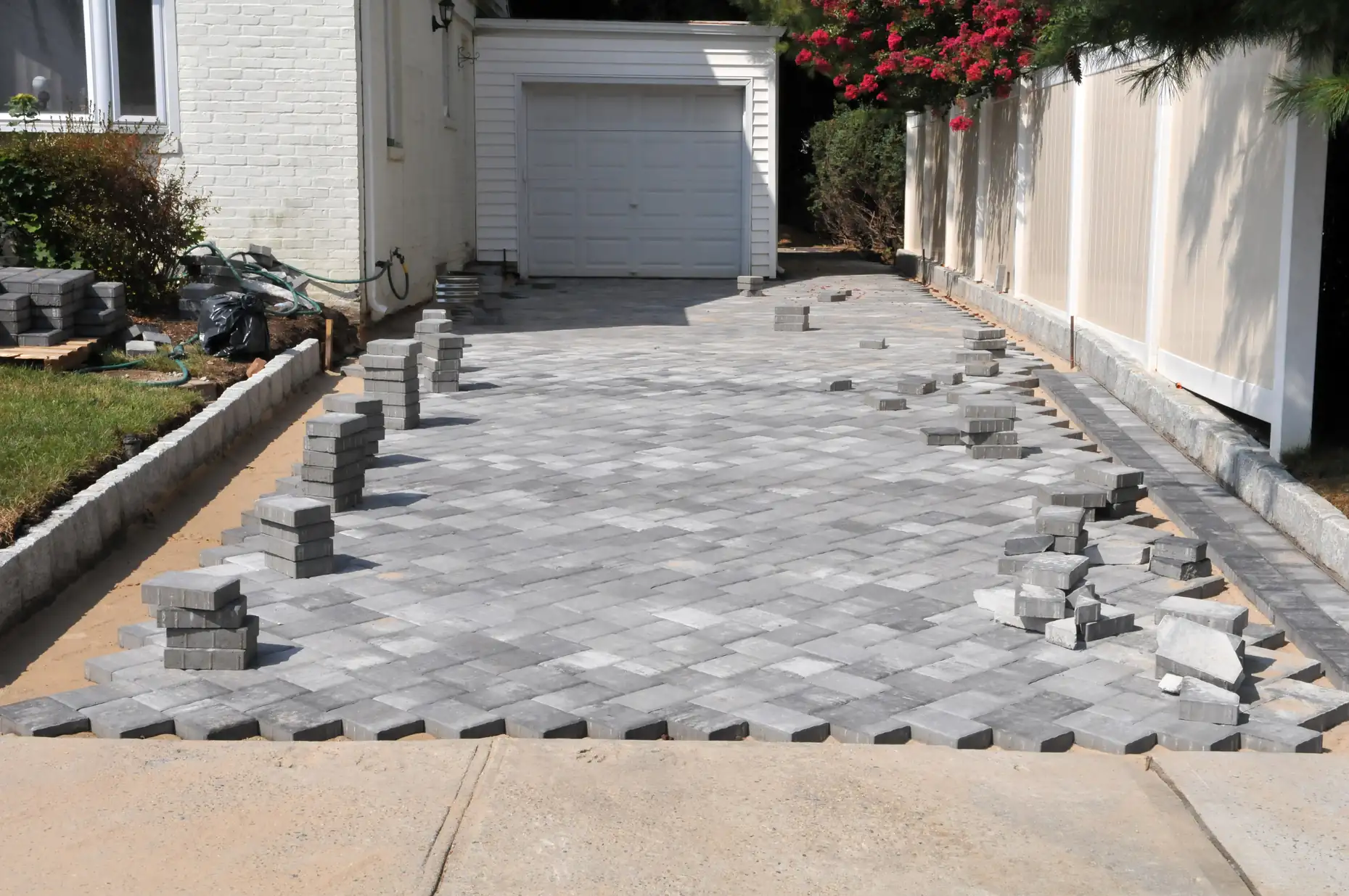
Most residential concrete driveways in Landing run between $4 and $8 per square foot, depending on site conditions, thickness, and whether you’re adding decorative finishes. A standard two-car driveway – around 600 square feet – typically costs between $2,400 and $4,800.
That price includes excavation, base prep, reinforcement, concrete, and finishing. If your property has drainage issues, requires significant grading, or needs old material removed, that adds to the cost. Same goes for stamped patterns or colored concrete.
Here’s what drives the price up: poor access, steep slopes, or unstable soil that requires extra base work. Here’s what keeps it reasonable: straightforward site conditions and standard finishes. We’ll give you an exact number after looking at your property – no ballpark guesses that change once we start.
A properly installed concrete driveway in Landing should last 25 to 30 years, sometimes longer if it’s maintained. That’s significantly longer than asphalt, which typically needs replacement every 15 to 20 years in our climate.
The key word is “properly installed.” That means using the right concrete mix for freeze-thaw resistance, reinforcing with rebar, and building a stable base that won’t shift. It also means not pouring in cold weather and allowing proper cure time.
Most concrete failures happen because corners were cut during installation. You’ll see surface spalling from deicing salt, wide cracks from ground movement, or sections that settle because the base wasn’t compacted. When the work’s done right and you reseal every few years, concrete holds up better than almost any other driveway material in North Jersey weather.
Concrete performs better in hot weather and lasts longer overall. Asphalt softens when temperatures climb into the 90s, and it needs resealing every few years to prevent cracking and deterioration. Concrete stays stable in heat and only needs sealing every 3 to 5 years.
That said, asphalt handles freeze-thaw cycles slightly better in the short term because it’s more flexible. But concrete catches up over the long haul – it doesn’t develop the same rutting, potholes, or edge breakdown you see with asphalt after a decade of North Jersey winters.
Cost-wise, asphalt is cheaper upfront but requires more maintenance. Concrete costs more initially but spreads that investment over 25 to 30 years instead of 15 to 20. If you’re planning to stay in your Landing home long-term, concrete usually makes more sense. If you’re flipping or selling soon, asphalt might be the quicker, cheaper option.
Most residential concrete driveway installations take 3 to 5 days from start to finish. Day one is excavation and base prep. Day two is forming, reinforcement, and final grading. Day three is the pour and finish. After that, it’s cure time.
You’ll need to stay off the concrete for at least 7 days before driving on it – longer is better. Full cure takes about 28 days, but it’s usable after a week if you’re careful. We’ll mark it off and give you clear instructions on when you can park, when you can drive, and what to avoid during the cure.
Weather affects the timeline. If it’s going to rain during the pour or temperatures are dropping below 40 degrees at night, we’ll reschedule. Pouring in bad conditions causes surface problems that show up within the first year, and there’s no fixing them without replacing sections.
Most driveway replacements in Landing don’t require a permit if you’re staying within the existing footprint and not changing drainage patterns. If you’re expanding the driveway, adding new access to the street, or altering grading that affects stormwater runoff, you’ll likely need approval from the town.
Landing is in Roxbury Township, so permits go through their building department. Requirements can vary depending on whether your property is in a flood zone, near wetlands, or subject to homeowner association rules. We can walk you through what applies to your situation.
Here’s the bigger issue most homeowners miss: even if a permit isn’t required, the work still needs to meet township standards for setbacks, drainage, and stormwater management. Inspectors can flag problems years later if you’re selling or doing other work on the property. Better to do it right from the start than deal with compliance issues down the road.
The main culprit is freeze-thaw cycles. Water gets into small cracks or porous concrete, freezes when temperatures drop, expands, and makes the crack wider. Over years of North Jersey winters, small hairline cracks turn into structural problems.
Poor base preparation is the other big one. If the ground underneath isn’t properly compacted or if there’s organic material that decomposes over time, sections of the driveway settle unevenly. That creates stress points where concrete cracks.
You’ll also see cracking from using the wrong concrete mix – anything under 4,000 PSI or without proper air entrainment won’t hold up here. And pouring in cold weather or not allowing proper cure time weakens the surface right from the start. Control joints help manage where cracks form, but they don’t prevent cracking if the installation is substandard.