
Hear from Our Customers
You’re not looking at cracks by spring. That’s the difference between concrete poured by someone who understands Morris County conditions and someone who doesn’t.
When temperatures drop and water gets into poorly installed concrete, it expands by about 9%. That pressure fractures the surface. One freeze-thaw cycle becomes ten, and by March you’re looking at damage that costs ten times what prevention would have.
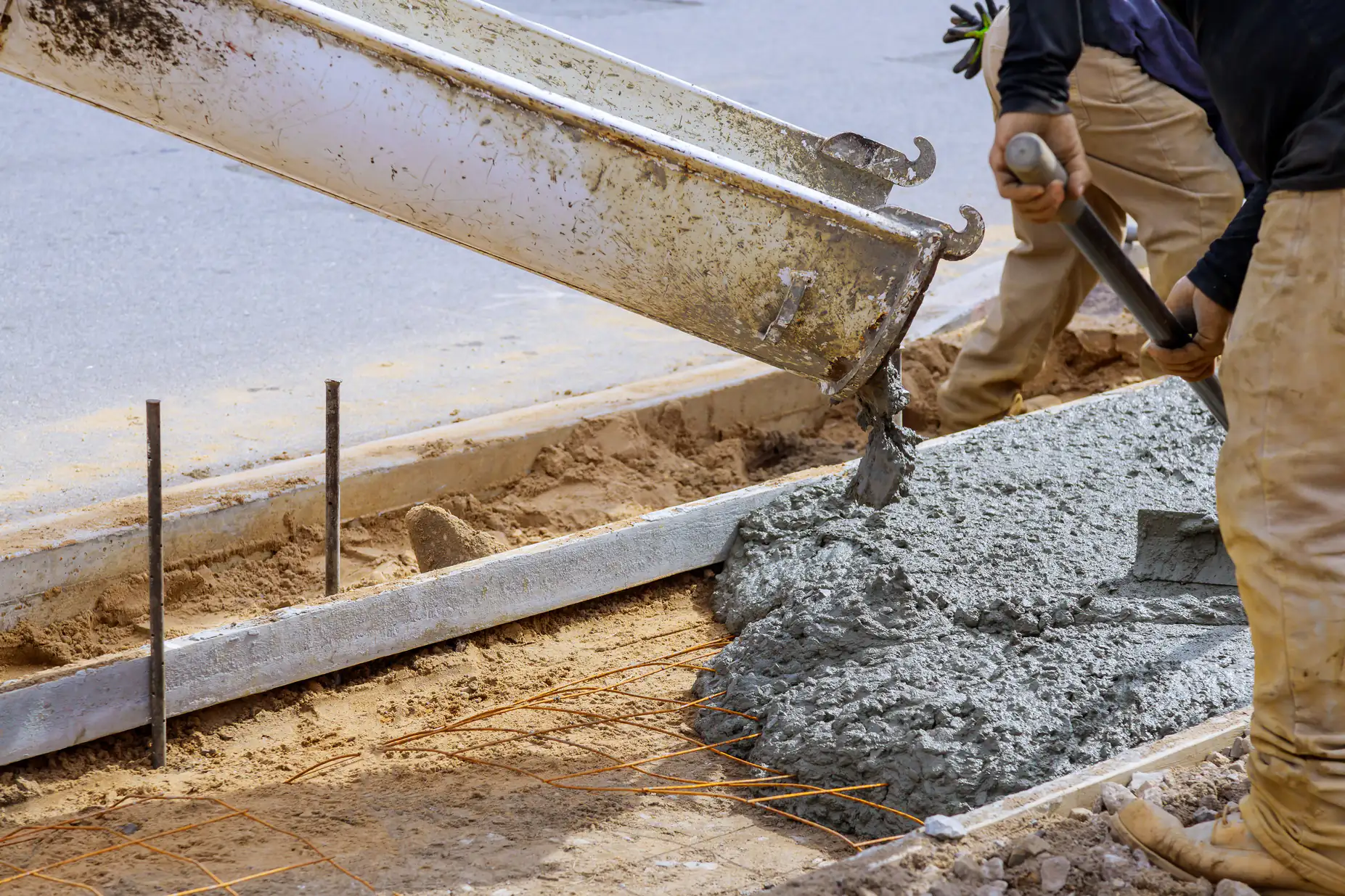
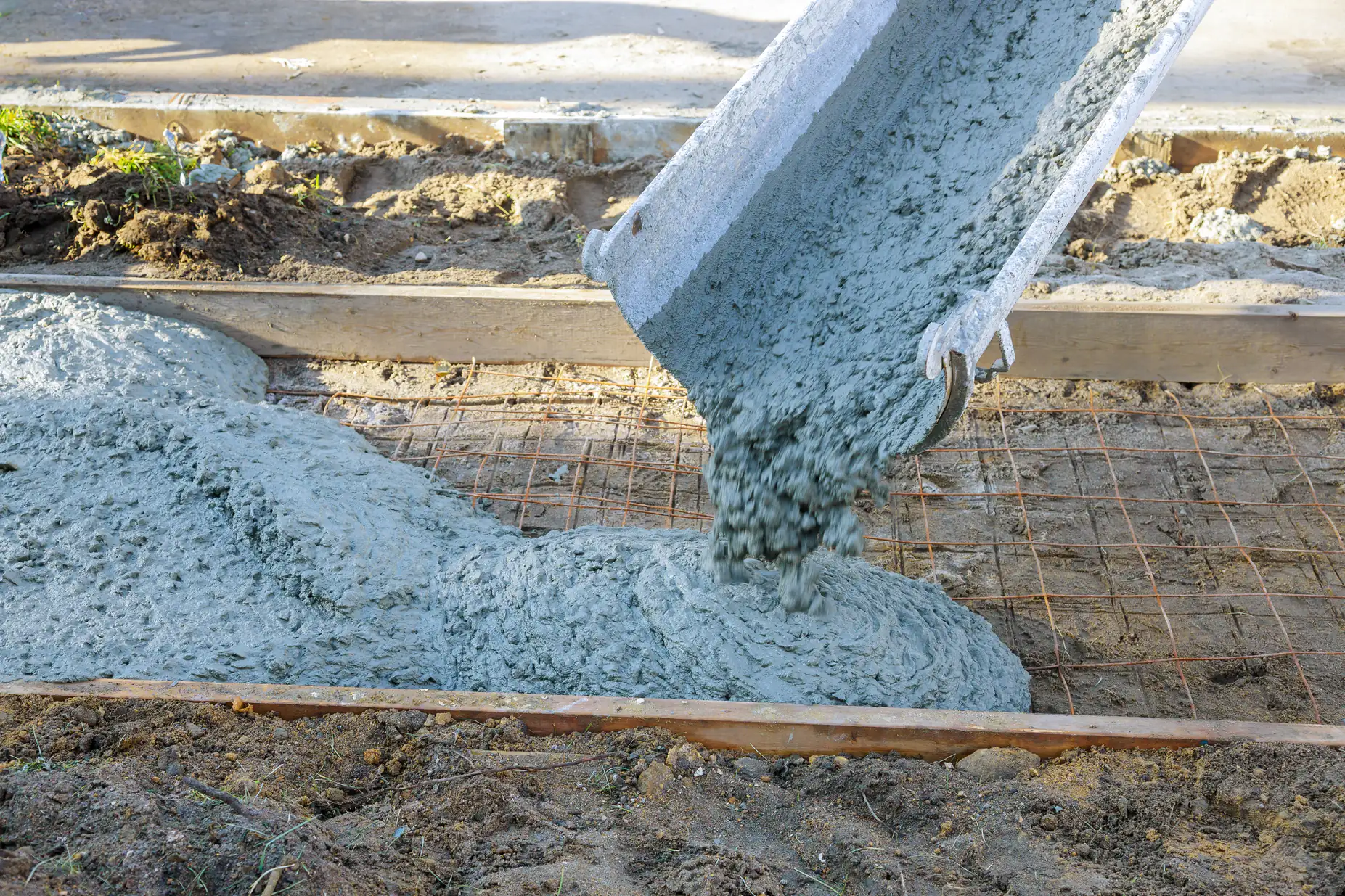
Proper concrete work starts below the surface. The base needs to handle Kinnelon’s clay-heavy soil that holds moisture longer than other soil types. Drainage has to account for how water moves across your specific property. The concrete mix itself needs the right Portland cement ratio with rebar reinforcement, not whatever was left over from another job.
You want a driveway that looks clean when guests pull up and doesn’t embarrass you. More than that, you want one that protects your property value and doesn’t become a safety hazard or a source of stress every time weather changes.
We’ve been handling driveway paving in Kinnelon and throughout Morris County for over 40 years. That’s not a marketing line—it means accountability to neighbors, local suppliers, and the Better Business Bureau.
When you’re grounded in one area this long, you learn the soil conditions, drainage patterns, and municipal requirements. We know which townships require specific permits and how inspections actually work. We understand that Warren County drainage challenges differ from Morris County’s clay soil issues.
You also can’t hide behind a website when you live and work in the same community as your customers. Your reputation is either built on doing it right the first time, or it isn’t built at all.
First, someone comes to your property to assess what you’re working with. Not a salesperson—someone who understands existing conditions, drainage issues, and what your specific property needs. You get a detailed written estimate that breaks down costs so you know exactly what you’re paying for before anything starts.
Once you move forward, the real work begins with excavation and site prep. This isn’t the glamorous part, but it’s the most important. The existing surface comes out, the base gets properly graded for drainage, and a robust aggregate base goes in and gets compacted. If this step is rushed or done wrong, nothing else matters.
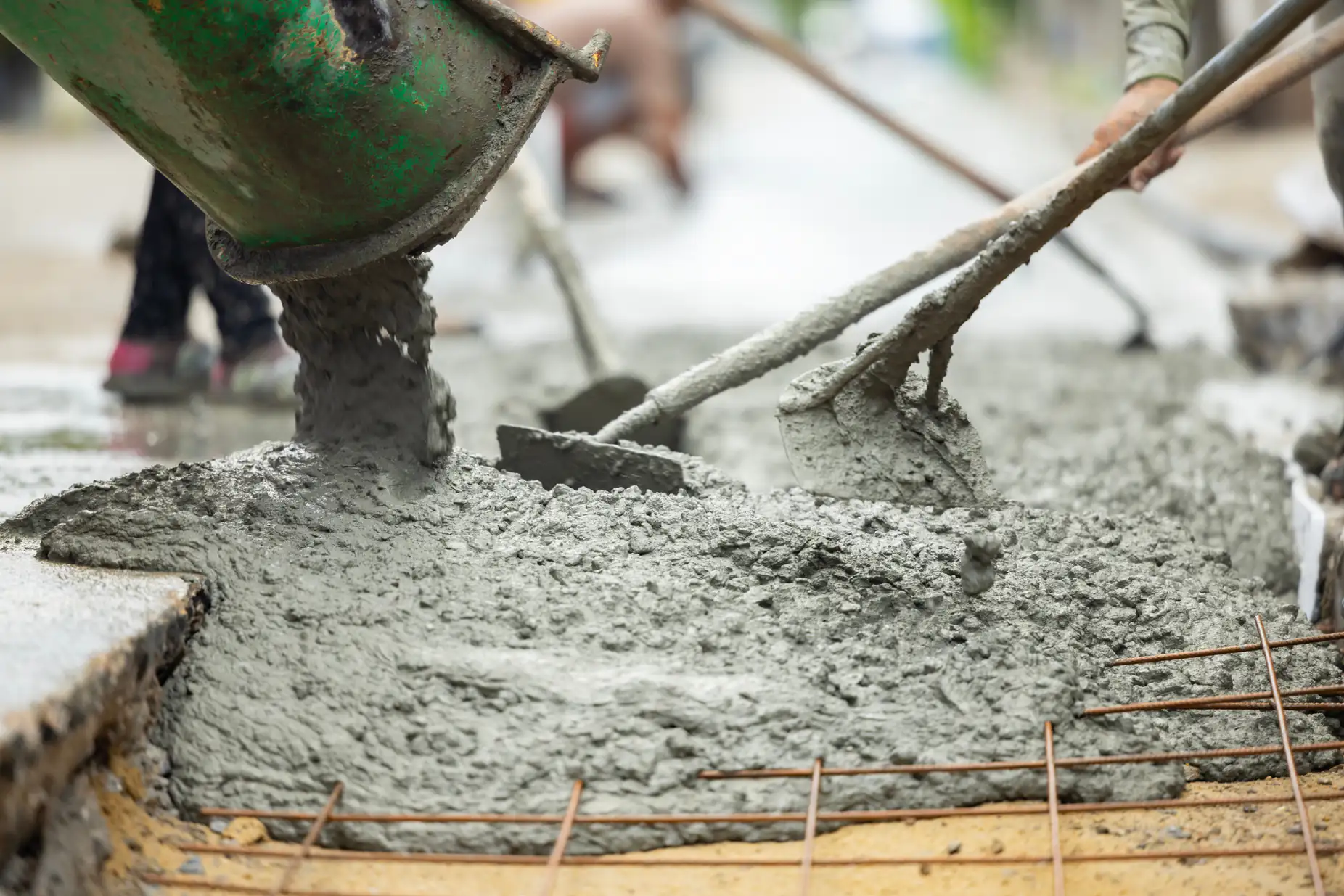
Then comes the concrete pour. High-grade Portland cement mix with proper rebar reinforcement, applied when temperatures are right—not when it’s convenient. The finish can be anything from standard broom texture to decorative stamped patterns, depending on what you want.
After installation, there’s a curing period. Concrete needs time to reach full strength. You’ll get clear guidance on when you can use the driveway and what to avoid during that window.
Permits and inspections get handled as part of the process. Different townships have different requirements, and coordinating those inspections is part of the job—not something you should have to chase down yourself.

Ready to get started?
You’re getting a comprehensive assessment of your property’s specific conditions before any work starts. That includes soil type, drainage patterns, and how water currently moves across your driveway area. In Kinnelon, clay-heavy soil retains moisture longer, which directly affects how your base needs to be prepared.
The installation includes full excavation of existing material, proper grading, and a compacted aggregate base designed for your soil conditions. The concrete itself uses Portland cement mixes with rebar reinforcement—not the minimum required, but what actually holds up to Morris County winters.
Drainage solutions get built into the design. Water has to go somewhere, and if it pools on or under your driveway, you’ll have problems. Proper slope and grading prevent that from happening.
You also get coordination of all necessary permits and inspections. Kinnelon and surrounding Morris County townships each have their own requirements. We handle those so you’re not making calls to municipal offices or waiting on approvals you didn’t know you needed.
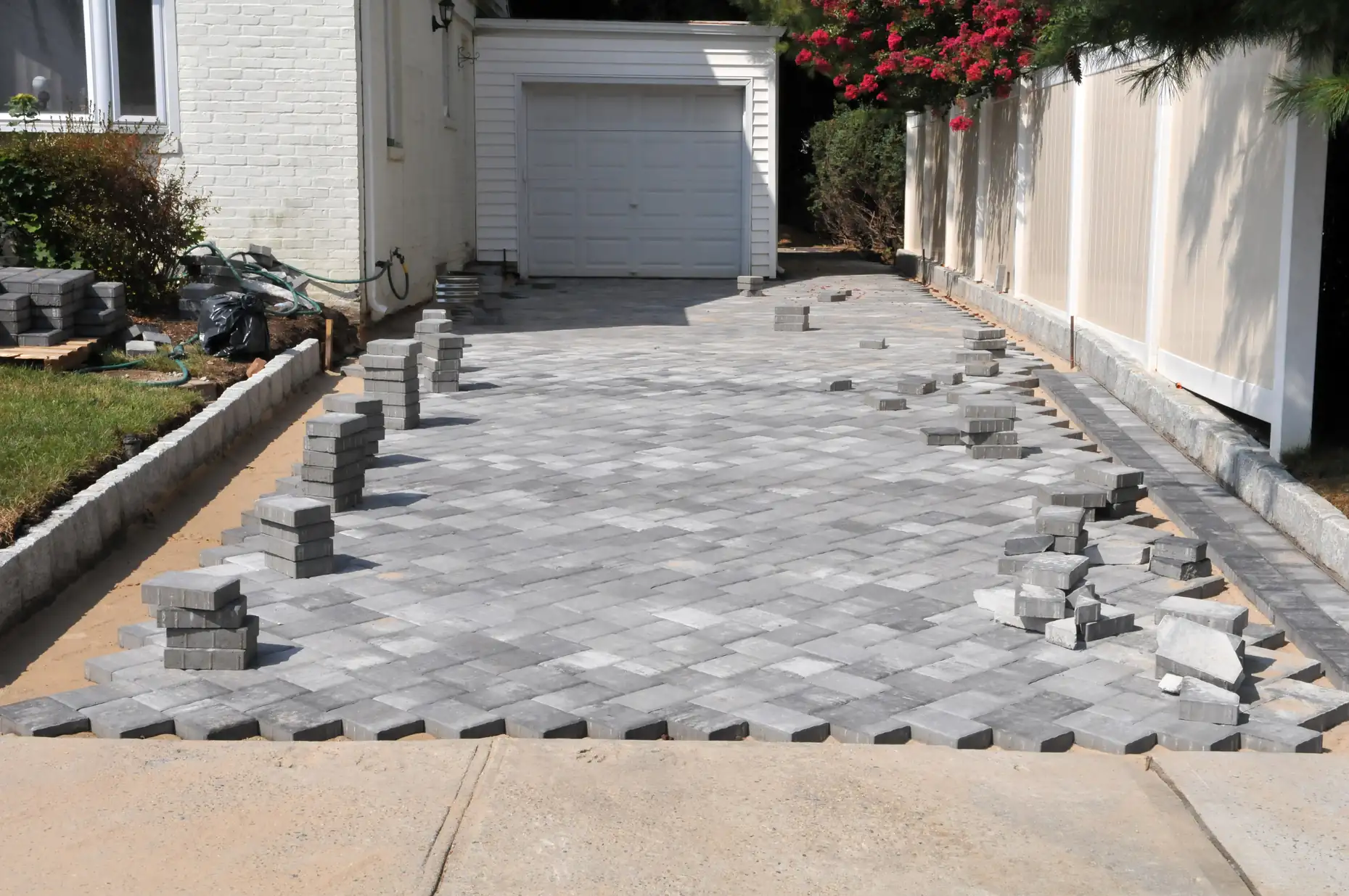
For decorative work, options range from standard finishes to stamped concrete patterns. If you’re also looking at a concrete patio installation or work with flagstone pavers or Belgard pavers, we can coordinate those as part of the same project.
Our callback guarantee is 24-48 hours for online quote requests. When you reach out, you hear back within two days—not two weeks.
Cost depends on size, site conditions, and what you’re starting with. A standard two-car driveway typically runs between $8 and $15 per square foot for quality concrete work in Morris County, but that number moves based on your specific property.
If your existing driveway has foundation damage or drainage issues, those need to be fixed first. Pouring new concrete over a failing base just means you’ll be dealing with the same problems in a year. Site prep and base work can add to upfront cost, but it’s the difference between a driveway that lasts and one that doesn’t.
Decorative finishes like stamped concrete patterns cost more than standard broom finish. Thicker concrete with additional rebar reinforcement costs more than minimum specs. You’re making decisions about how long you want this to last and how much maintenance you want to deal with later.
Our estimate breaks down all costs—excavation, base material, concrete, labor, finishing, permits. You see exactly where the money goes before anything starts. No surprise charges when the job’s done.
Most residential concrete driveways take three to five days from start to finish, but weather and site conditions affect that timeline. You can’t pour concrete when temperatures drop below 50 degrees or during rain, and New Jersey’s unpredictable weather sometimes requires schedule adjustments.
Day one is usually excavation and site prep. Existing material comes out, grading happens, and the base goes in. Day two involves base compaction and final grading checks. Day three is the concrete pour and finishing. After that, you’re looking at a curing period before you can use the driveway.
Curing takes about seven days for light use and up to 28 days for full strength. You’ll get specific guidance on when you can park on it and what to avoid during that window. Rushing this part causes problems later.
If permits or inspections are required, those can add time to the schedule. Some townships want to inspect the base before concrete gets poured. That inspection has to happen during business hours, and you’re working around the township’s schedule, not just yours.
Concrete costs more upfront but lasts longer—typically 30 to 40 years with proper installation versus 15 to 20 for asphalt. Concrete also handles Morris County’s freeze-thaw cycles better when it’s installed correctly with proper base prep and reinforcement.
Asphalt needs more maintenance. Sealcoating every few years, crack filling, and eventually resurfacing. Concrete requires less ongoing attention, though it’s not maintenance-free. Cracks can still form if the base settles or if water gets underneath.
Concrete gives you more design options. Stamped patterns, decorative finishes, color options. Asphalt is black. If curb appeal matters to you, concrete offers more flexibility.
Temperature affects both materials differently. Asphalt softens in extreme heat and can become brittle in extreme cold. Concrete is more stable across temperature swings, but it can crack if water freezes inside it—which is why proper installation with good drainage matters so much in this climate.
For cost of asphalt driveway versus concrete, asphalt is cheaper initially. But when you factor in maintenance costs over 20 years, the gap narrows. You’re choosing between lower upfront cost with more maintenance, or higher upfront cost with less ongoing work.
Most concrete driveway work in Kinnelon requires a permit, especially if you’re changing the footprint, affecting drainage, or doing significant excavation. The township wants to make sure work meets code and doesn’t create drainage problems for neighboring properties.
The permit process involves submitting plans that show existing conditions, proposed work, and how drainage will be handled. An inspector typically needs to see the base preparation before concrete gets poured. After the pour, there’s usually a final inspection.
This isn’t complicated if you know what the township requires, but it adds time to the schedule. You’re waiting for permit approval before work starts, then coordinating inspections during the project. We handle this as part of the job since we’re familiar with Kinnelon’s requirements.
Skipping permits is a bad idea. If the township finds out, they can make you tear out the work and start over—this time with permits. When you eventually sell your property, unpermitted work can become a problem during the sale process.
Different Morris County townships have different requirements. What Kinnelon requires might differ slightly from what Boonton or Parsippany requires. Local knowledge matters here.
Water is the main culprit. When water gets into or under concrete and then freezes, it expands by about 9%. That expansion creates pressure that fractures the concrete. One freeze-thaw cycle weakens it, repeated cycles break it down.
Poor base preparation is the other major cause. If the aggregate base isn’t properly compacted or if it’s not thick enough for your soil type, the base settles unevenly. Concrete is strong, but it’s not flexible. When the base moves, the concrete cracks.
Morris County’s clay-heavy soil makes this worse. Clay retains moisture longer than sandy soil, which means more freeze-thaw stress on your driveway. If drainage isn’t designed to move water away from the concrete, you’re setting up conditions for damage.
Tree roots can also cause problems. If roots grow under your driveway, they lift and crack the concrete from below. This is why site assessment matters before installation—you need to know what’s under and around the area where concrete is going.
Control joints help manage cracking. These are intentional weak points cut into the concrete so that when it does crack—and all concrete eventually cracks—it cracks along those lines instead of randomly across your driveway. Proper joint placement is part of professional installation.
Late spring through early fall gives you the most reliable weather for concrete work. You need temperatures consistently above 50 degrees for proper curing, and you need to avoid rain during and immediately after the pour.
Summer is busy season, which means longer lead times to get on the schedule. Spring and fall often have better availability, and temperatures are still suitable for concrete work. Fall is actually ideal in New Jersey—you’re getting the driveway ready before winter, and contractors are often less booked than during summer months.
Winter installation is possible but risky. If temperatures drop too low during curing, the concrete doesn’t reach proper strength. Some contractors will work in winter with heated enclosures and blankets, but it adds cost and complexity. Unless you have an urgent need, waiting for better weather makes more sense.
Weather can delay any project. Even if you schedule for summer, a week of rain pushes everything back. This is why realistic timelines matter more than optimistic ones. A contractor who promises to start immediately regardless of weather is either not busy for a reason or isn’t being straight with you about how scheduling actually works.
Plan ahead. If you want work done in spring, start talking to contractors in late winter. If you want it done before winter hits, reach out in summer. Good concrete work can’t be rushed, and good contractors book up.