
Hear from Our Customers
You won’t be patching cracks every spring or watching water pool near your garage. A properly installed concrete driveway in Highland Lakes handles the freeze-thaw cycles that destroy cheaper work. It drains correctly because the foundation was built to account for your property’s slope and soil conditions.
You’re looking at 30 to 40 years of use when the base preparation, drainage planning, and concrete mix are done to spec. That’s not marketing talk. That’s what happens when contractors don’t skip the excavation work or rush the pour to get to the next job.
Your driveway will look clean, support heavy vehicles without cracking, and require almost nothing beyond occasional sealing. No annual repairs. No surprise failures after the first hard winter. Just a surface that does its job year after year while your neighbors are calling for their third repair estimate.
We’ve been handling driveway installations across Morris, Sussex, and Somerset Counties long enough to see which work holds up and which fails. We’re not a traveling crew that disappears after the deposit clears. We’re based in Morris County, and we’ve installed driveways throughout Highland Lakes specifically.
We know your soil conditions. We know how water moves through properties in this area. We know that cutting corners on base prep or drainage will destroy a driveway in under five years, no matter how good the concrete looks on day one.
You’ll get a written estimate that breaks down what’s included. No pressure tactics. No surprise charges when the work is done. If you request a quote online, we’ll call you back within 24 to 48 hours. And yes, we answer the phone after your driveway is finished.
We start by looking at your property. That means checking drainage patterns, soil conditions, and how your driveway connects to the street and garage. If there’s a drainage problem, we’ll tell you before we dig. If your soil needs extra base work, you’ll know upfront.
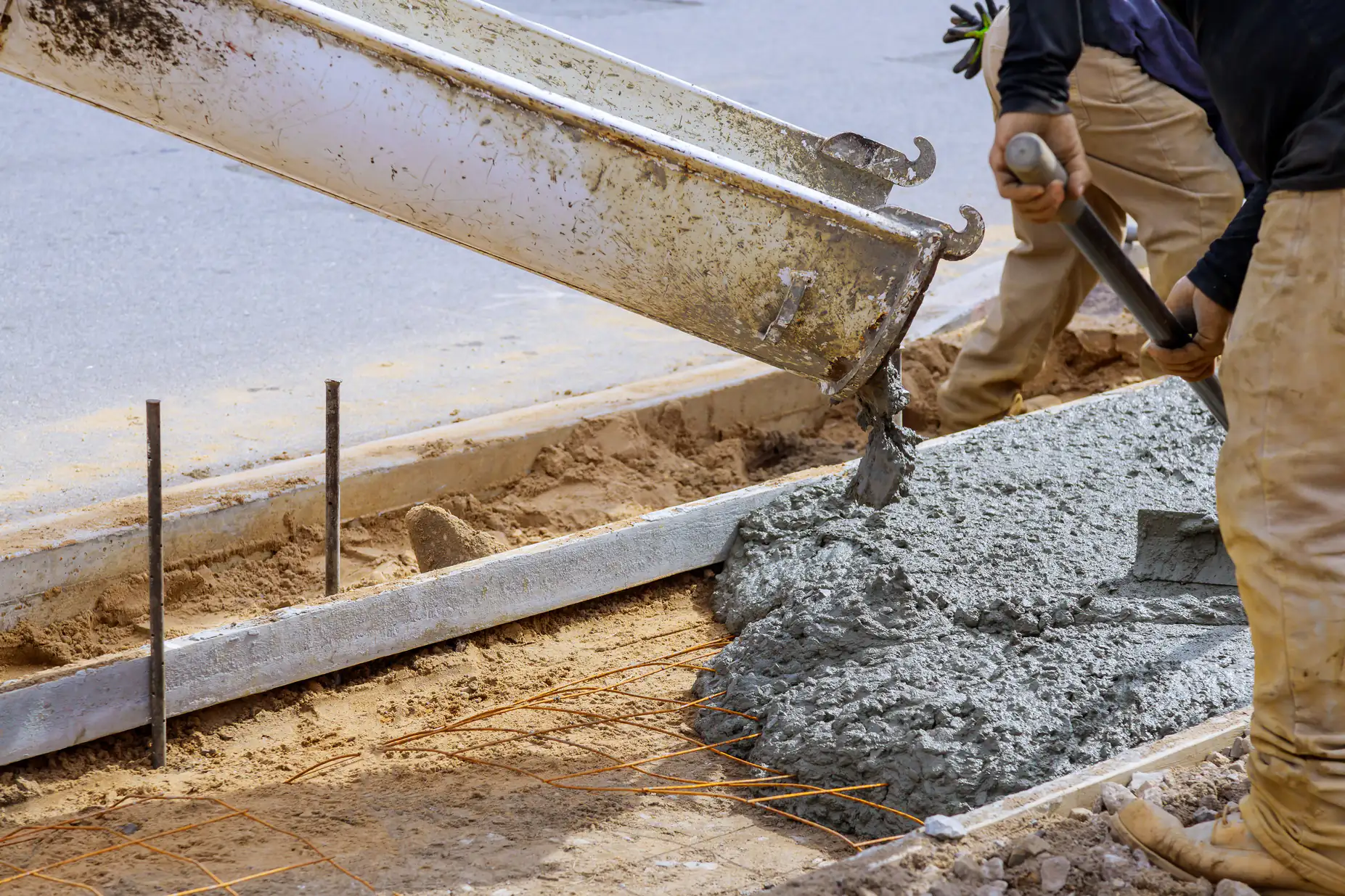
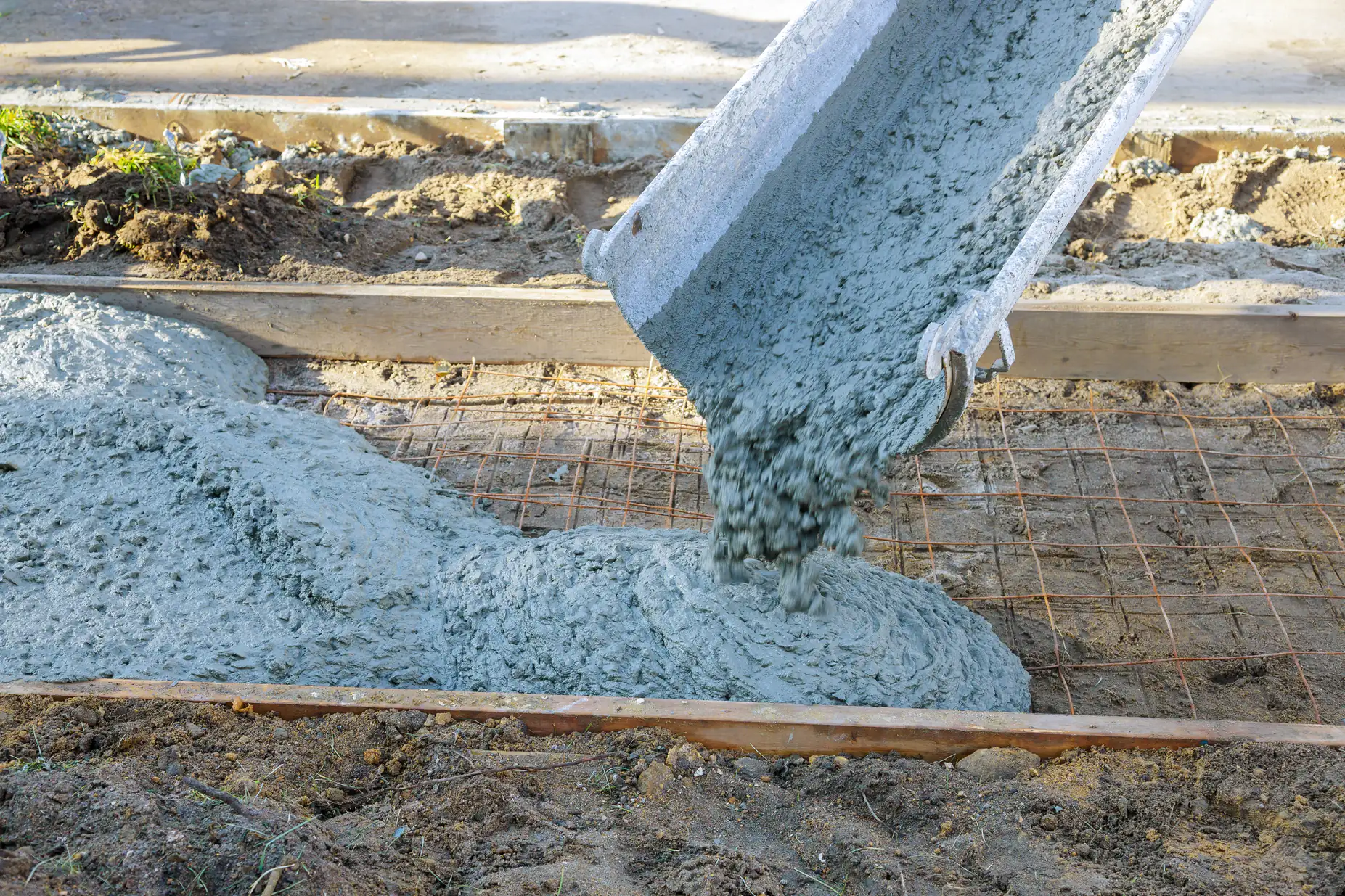
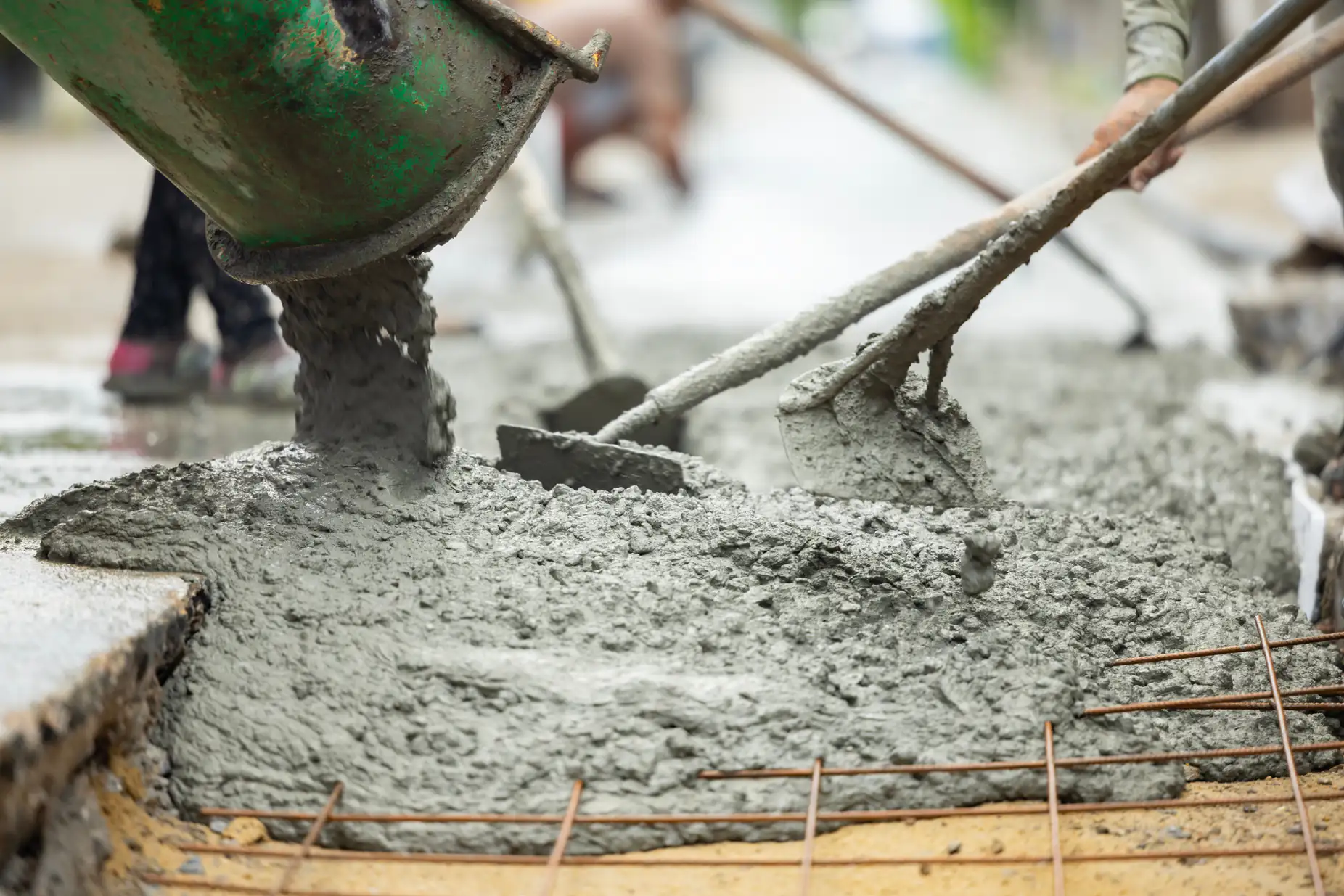
Next comes excavation. We remove the old surface and dig down far enough to build a proper base. This isn’t optional. The base determines whether your driveway lasts five years or forty. We compact the subgrade, add the right base material, and compact again. Then we set forms, install rebar reinforcement, and pour Portland cement mix at the correct thickness for your vehicle loads.
The concrete needs time to cure. You’re looking at a few days before you can walk on it and about a week before you should drive on it. We’ll give you the exact timeline based on weather conditions. If you want stamped or colored concrete, that work happens during the pour. Once it’s cured, we remove the forms, seal the surface if needed, and walk you through maintenance requirements. Most driveways in Highland Lakes take two to three days of active work, but curing time adds to the total schedule.

Ready to get started?
You’re getting a complete assessment of your property before any work starts. That includes drainage evaluation, soil testing, and a plan for how water will move away from your driveway and foundation. Poor drainage is the number one cause of driveway failure in Highland Lakes, so this step matters more than the concrete itself.
The installation includes full excavation, compacted base layers, rebar reinforcement, and high-grade Portland cement concrete poured at the right thickness. If you want decorative options, stamped concrete or colored finishes are available. These aren’t just aesthetic choices. Stamped concrete can add texture that improves traction in winter, and certain patterns help disguise minor settling that happens over time.
Highland Lakes properties range from flat lakefront lots to sloped hillside homes. Your driveway solution depends on your specific site conditions. A steep driveway needs different drainage planning than a flat one. Properties with clay soil need more base preparation than properties with sandy soil. We account for these variables because they determine whether your driveway holds up or fails. Concrete costs in this area typically run between seven and twelve dollars per square foot for quality work, depending on site conditions and whether you add decorative finishes.
A properly installed concrete driveway should last 30 to 40 years in Highland Lakes if the base work and drainage are done correctly. The key word is “properly.” Concrete that’s poured over inadequate base material or without drainage planning will fail in under five years, even with New Jersey’s freeze-thaw cycles being tough on all pavement.
The concrete itself can handle freezing temperatures. What destroys driveways is water getting into cracks, freezing, expanding, and breaking the concrete apart from inside. If your driveway has good drainage and was built with proper base compaction, water moves away instead of sitting in place and freezing. That’s the difference between a driveway that needs replacement in a decade and one that’s still solid after 35 years.
You’ll need to reseal the surface every few years to keep water from penetrating, but that’s minimal maintenance compared to asphalt. The concrete won’t soften in summer heat, won’t need annual patching, and won’t develop the kind of surface deterioration that asphalt shows after 15 years.
Most concrete cracks come from three problems: inadequate base preparation, poor drainage, or using the wrong concrete mix for the climate. In Highland Lakes, freeze-thaw cycles put constant stress on concrete. If water gets underneath the slab and freezes, it lifts the concrete. When it thaws, the concrete settles back down. Do that enough times and cracks form.
Prevention starts with excavation and base work. You need enough depth to get below the frost line and enough compacted base material to create a stable foundation. Then you need drainage planning so water moves away from the driveway instead of pooling underneath it. We install proper slope, add drainage solutions where needed, and make sure downspouts and runoff aren’t dumping water onto your driveway.
The concrete mix matters too. We use Portland cement with rebar reinforcement because it handles temperature changes better than cheaper mixes. Control joints are cut into the concrete at specific intervals to control where cracks form if they’re going to happen. These joints create intentional weak points so the concrete cracks there instead of randomly across your driveway. It’s not about preventing all cracks forever. It’s about managing stress and directing it to places where it won’t ruin the appearance or function of your driveway.
Quality concrete driveway work in Highland Lakes typically costs between seven and twelve dollars per square foot. That range depends on your site conditions, how much excavation is needed, whether drainage solutions are required, and if you want decorative finishes like stamping or coloring. A standard two-car driveway runs around 600 square feet, putting you in the range of $4,200 to $7,200 for basic installation.
If your property has drainage problems, steep slopes, or difficult access, costs go up because the work is more complex. If you’re replacing an old driveway, removal and disposal add to the total. Decorative stamped concrete or colored finishes can add $3 to $8 per square foot depending on the pattern complexity and color options you choose.
You should be suspicious of quotes that come in significantly lower than this range. Contractors who bid cheap are either cutting corners on base preparation, using inferior materials, or planning to add surprise charges later. The base work and drainage planning are where costs add up, and they’re also where contractors cut corners to lower their bid. A driveway that costs $5 per square foot will fail in a few years. A driveway that costs $10 per square foot and is installed correctly will last decades. The math works out better when you’re not paying for repairs and replacement every five years.
Both materials work in Highland Lakes, but they have different strengths. Concrete lasts longer, requires less maintenance, and handles heavy loads better. Asphalt costs less upfront, can be installed faster, and some people prefer the look. Your choice depends on what matters more to you: lower initial cost or lower long-term maintenance.
Concrete driveways last 30 to 40 years with minimal maintenance. You’ll need to reseal every few years, but that’s about it. Concrete doesn’t soften in summer heat, doesn’t need annual sealing like asphalt, and won’t develop the surface wear that asphalt shows after 15 years. If you park heavy vehicles, RVs, or trucks on your driveway, concrete handles the weight without developing ruts or depressions.
Asphalt costs less initially and some homeowners prefer it for Highland Lakes’ climate because it flexes slightly with freeze-thaw movement instead of cracking. But asphalt needs more maintenance. You’re looking at resealing every two to three years and patching cracks more frequently. Asphalt typically lasts 15 to 30 years before needing replacement. If you plan to stay in your home long-term and want to minimize maintenance, concrete makes more sense. If you’re working with a tighter budget or plan to move within ten years, asphalt might be the better choice.
Concrete can be poured in cold weather, but it’s not ideal and it adds complications. The concrete needs to cure properly, and that requires temperatures above 50 degrees for several days. If it freezes before it’s fully cured, the concrete will be weak and prone to early failure. Most concrete work in Highland Lakes happens between April and November when temperatures are consistently warm enough for proper curing.
If you need a driveway installed in winter, it can be done with cold-weather concrete mixes and curing blankets, but it costs more and takes longer. You’re paying for special materials and extra labor to protect the concrete while it cures. For most homeowners, it makes more sense to wait until spring unless you’re dealing with an emergency situation.
The best time to install a concrete driveway in Highland Lakes is late spring through early fall. You get consistent temperatures, lower risk of rain delays, and faster curing times. If you’re planning a driveway project, reach out in early spring to get on the schedule for late spring or summer installation. We book up during peak season, so earlier planning gets you better scheduling options.
Concrete driveways need very little maintenance compared to asphalt. You should reseal the surface every two to five years depending on weather exposure and traffic. Sealing keeps water from penetrating the concrete and protects against staining from oil, salt, and other chemicals. It’s a straightforward process that takes a few hours and costs a fraction of what you’d spend on asphalt maintenance.
Clean your driveway a few times a year to remove dirt, leaves, and debris. If you get oil stains, clean them promptly because they can penetrate unsealed concrete. In winter, avoid using rock salt or chemical deicers directly on concrete. These can damage the surface over time. Sand or calcium chloride products are better options for traction without harming the concrete.
Watch for any cracks that develop and seal them quickly. Small cracks are normal as concrete ages, but if you seal them early, they won’t expand into bigger problems. If you notice settling or drainage issues, address them before they cause structural damage. Most concrete driveways in Highland Lakes need almost nothing beyond occasional cleaning and sealing for the first 20 years if they were installed correctly. After that, you might need minor repairs, but you’re still decades away from replacement.