
Hear from Our Customers
Your driveway takes a beating every winter. Water seeps into hairline cracks, freezes overnight, expands, and turns small problems into expensive ones by spring. That’s not a maintenance issue—that’s poor installation from the start.
When your driveway is installed correctly with proper base prep, reinforced concrete, and grading that moves water away from your foundation, you stop dealing with constant repairs. You get a surface that handles Morris County’s weather without breaking down every few years.
Cedar Knolls homeowners are paying a median of $723K for their properties. A cracked, sinking driveway doesn’t just look bad when guests pull up—it signals deferred maintenance to buyers and drags down your home’s value. The right installation protects that investment and gives you one less thing to explain or apologize for.
We’ve spent over 40 years installing driveways across Morris, Sussex, and Somerset Counties. We’re not a crew that shows up with leftover materials hoping it works out. We use Portland cement mixes with rebar reinforcement and high-grade hot mix asphalt engineered specifically for North Jersey’s climate.
Cedar Knolls sits in one of the most desirable residential areas in Morris County, and homeowners here expect work that matches the quality of their neighborhood. We get that. Our installations meet local building codes, and we coordinate inspections so you’re not left figuring that out on your own.
You’ll get clear upfront pricing, a 24-48 hour callback guarantee when you request a quote, and realistic timelines. Most residential driveway projects wrap up in 2-3 days from start to finish, and we don’t leave a mess behind.
First, we assess your property’s drainage patterns and soil conditions. Morris County has specific quirks—some areas hold water, others have shifting soil—and we account for that before breaking ground. If your existing driveway needs to come out, we handle demolition and haul away the debris.
Next comes excavation and base prep. This is where most contractors cut corners, and it’s why driveways fail early. We install engineered base material, compact it properly, and grade everything so water flows away from your home and garage. If you’re in an area prone to settling, we adjust the base depth accordingly.
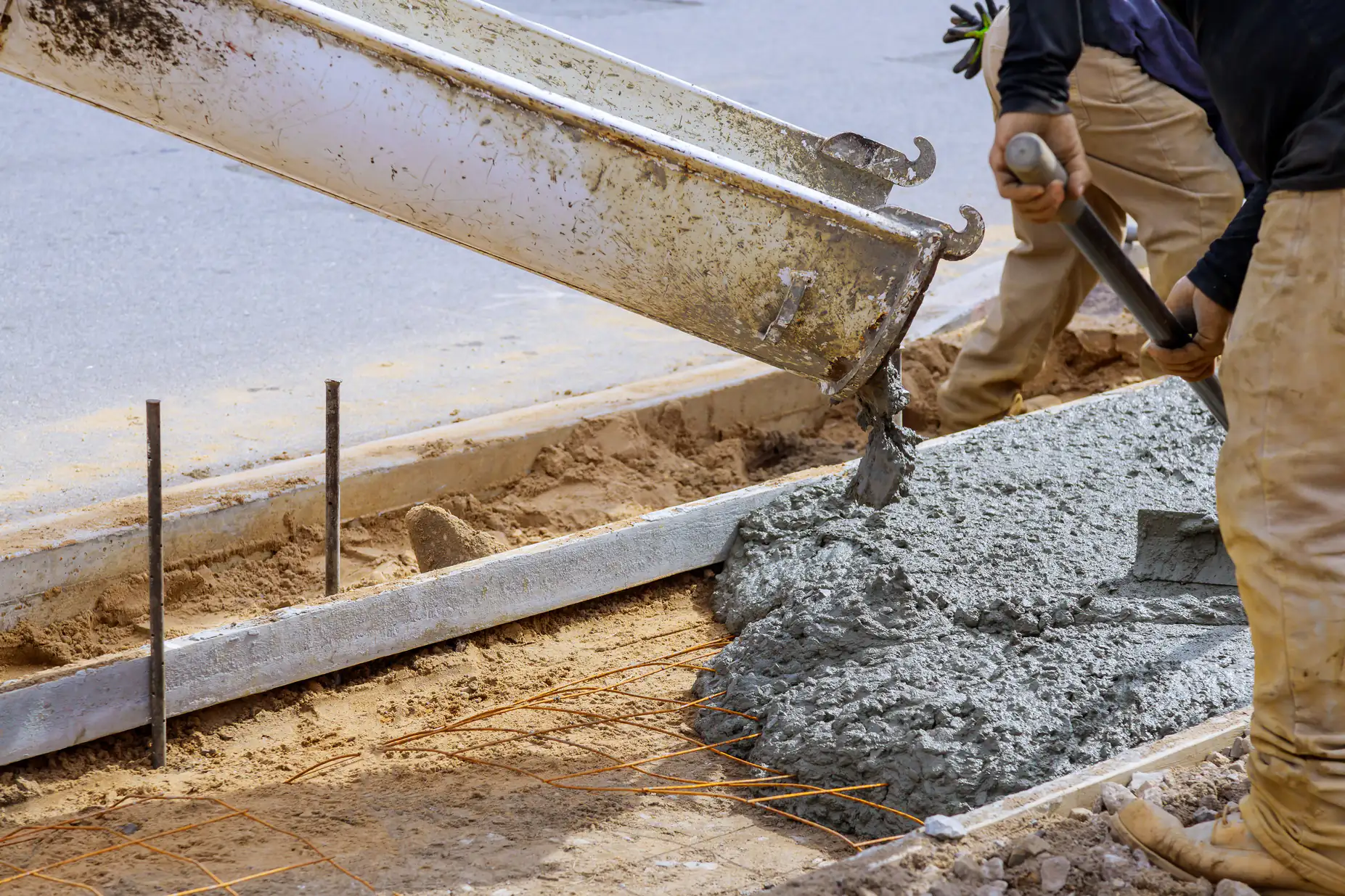
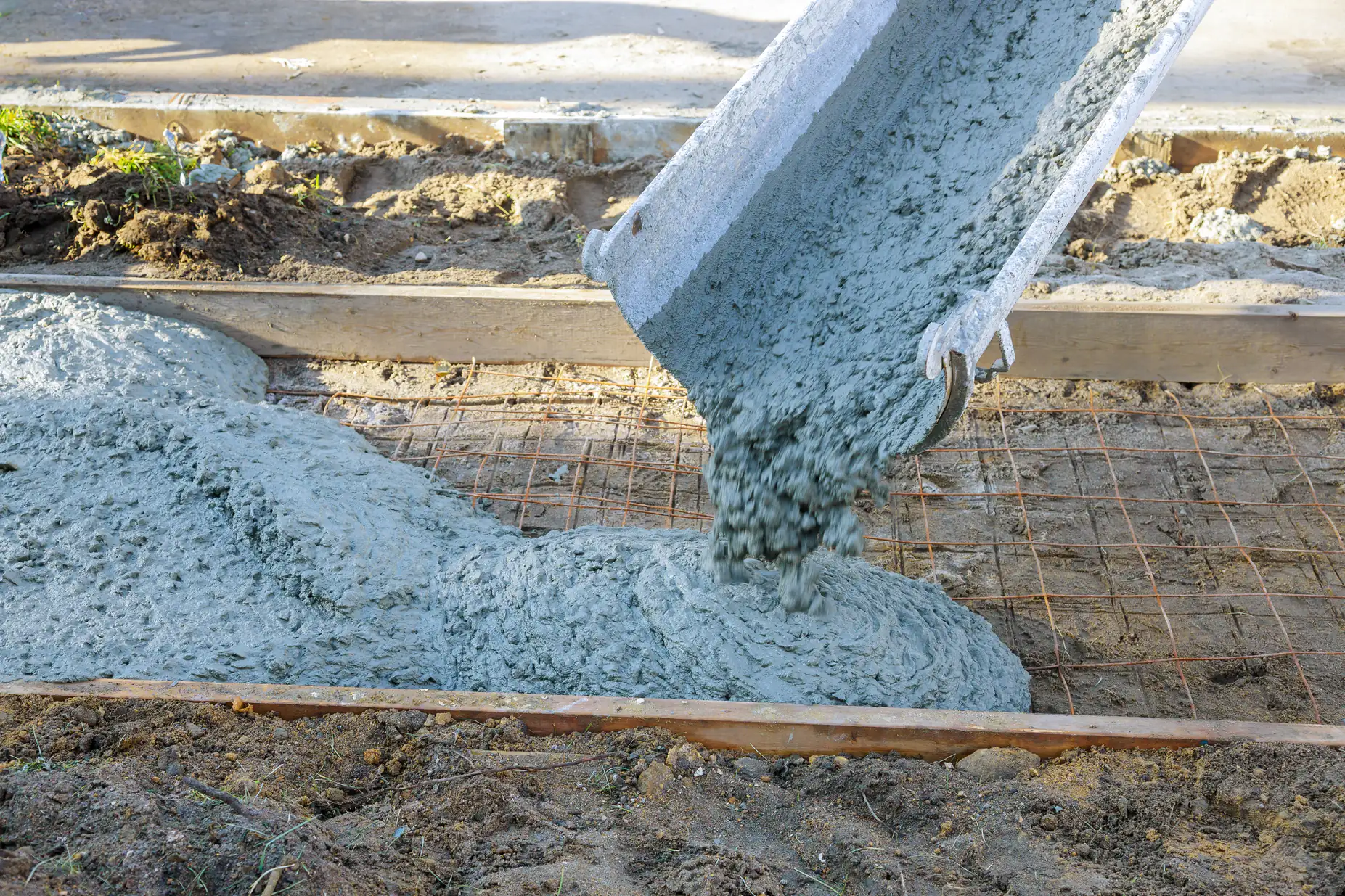
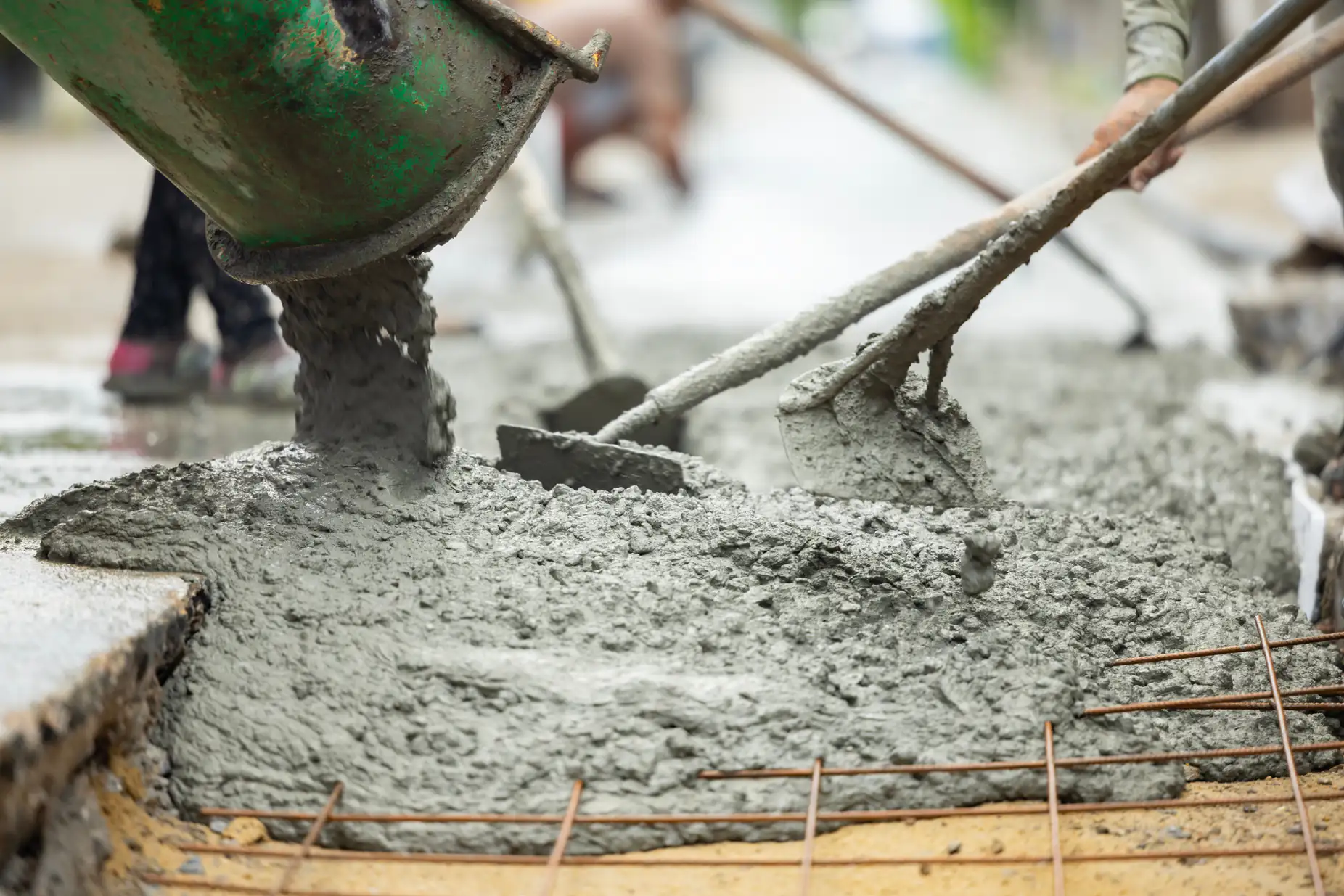
Then we pour the concrete or lay the asphalt at the right temperature, using materials designed for freeze-thaw cycles. For concrete, that means rebar reinforcement and control joints to manage expansion. For asphalt, it’s hot mix applied when conditions allow for proper compaction. We don’t rush this part, and we won’t install in bad weather just to meet a schedule.
After curing, you get a surface that’s ready to handle daily use and Jersey winters without constant maintenance. We walk you through care instructions so you know what to expect and how to keep it performing well for 25-30 years.

Ready to get started?
You’re choosing between asphalt and concrete, and the decision comes down to cost, aesthetics, and how you use your driveway. Asphalt runs $5-8 per square foot and holds up well with periodic sealcoating every few years. It’s a solid choice if you want durability without decorative options.
Concrete costs $7-13 per square foot for basic installation, but it lasts longer—25-30 years with minimal maintenance—and you can add stamped patterns or decorative finishes if curb appeal matters to you. In Cedar Knolls, where homes sell in 20 days and often get multiple offers, that visual impact can make a difference.
Both options include full excavation, engineered base installation, proper grading for drainage, and surfaces built to handle your property’s specific usage patterns. If you’re dealing with a steep grade or tricky drainage, we adjust the approach so water doesn’t pool or run toward your foundation.
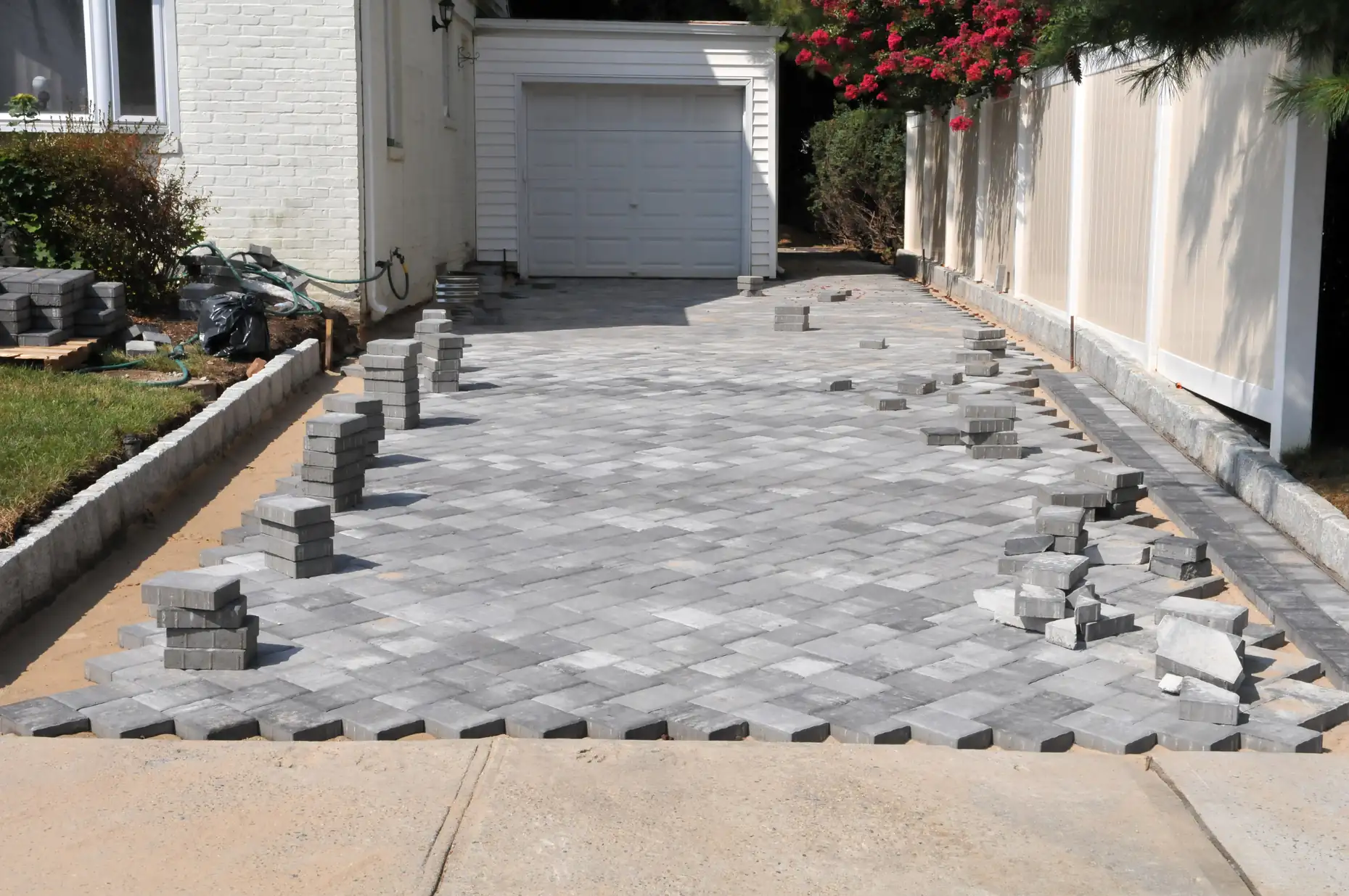
We also install concrete patios and patio pavers if you’re looking to extend your outdoor space. Belgard pavers and flagstone pavers are popular choices in Morris County for homeowners who want a cohesive look between their driveway and patio areas. The installation process is similar—proper base prep, attention to drainage, and materials that won’t shift or settle over time.
You’re looking at around $22 per square foot if your existing driveway doesn’t need to be removed. If we’re tearing out old pavement first, expect closer to $25 per square foot. That includes demolition, hauling, excavation, base prep, and the concrete pour with rebar reinforcement.
A standard two-car driveway in Cedar Knolls runs about 600-800 square feet, so you’re talking $13,200 to $20,000 for a full replacement. If you want decorative stamped concrete or a larger surface area, the price goes up from there.
The cost difference between concrete and asphalt matters too. Asphalt is cheaper upfront at $5-8 per square foot, but it requires sealcoating every 3-5 years and typically needs resurfacing after 15-20 years. Concrete costs more initially but lasts 25-30 years with almost no maintenance if it’s installed correctly. For most Cedar Knolls homeowners, concrete makes sense if you’re planning to stay in the house long-term or want the curb appeal boost when you sell.
Most residential driveway installations take 2-3 days from start to finish. Day one is demolition and excavation if needed, plus base material installation. Day two is the concrete pour, finishing, and control joint placement. Day three is cleanup and final grading around the edges.
After that, you’ll need to stay off the driveway for about 7 days while the concrete cures. You can walk on it after 24-48 hours, but no vehicles until it’s fully set. We’ll give you specific timing based on weather conditions—heat speeds up curing, cold slows it down.
If we hit bad weather mid-project, we’ll pause rather than push through and compromise the installation. Concrete poured in freezing temps or during heavy rain doesn’t cure properly, and that leads to early cracking. We’d rather delay a day or two than give you a driveway that fails in three years. You’ll know the timeline upfront, and we’ll keep you updated if anything changes.
Concrete lasts longer and needs less maintenance, but it costs more upfront. Asphalt is cheaper to install and easier to repair, but you’re committing to sealcoating every few years and eventual resurfacing. Both handle Morris County winters fine if they’re installed correctly with proper drainage and a solid base.
Concrete gives you more design flexibility—you can add stamped patterns, decorative borders, or different finishes. Asphalt is black, and that’s your only option. For Cedar Knolls homes where curb appeal drives property value, concrete often makes more sense even with the higher initial cost.
Asphalt does better in extreme cold because it flexes slightly with freeze-thaw cycles, while concrete can crack if water gets into poorly placed control joints. But if your concrete is installed with rebar reinforcement and proper joint spacing, that’s not an issue. The bigger factor is base prep—if the foundation isn’t right, neither material will hold up. We handle that part the same way regardless of what surface you choose, so you’re getting a driveway that performs well either way.
It depends on how bad the damage is. Small cracks under a quarter-inch wide can be filled and sealed. Larger cracks, sinking sections, or widespread surface deterioration usually mean the base has failed, and patching won’t fix that. You’re just delaying the inevitable replacement and spending money on repairs that won’t last.
If your driveway has multiple areas where water pools, or if you’re seeing chunks of concrete breaking away at the edges, the base wasn’t installed correctly from the start. Resurfacing might buy you a few years, but you’ll be back to the same problems once water works its way underneath again.
We’ll come out and assess what you’re dealing with. If repairs make sense and will actually hold up, we’ll tell you that. If you’re better off replacing it now rather than throwing money at temporary fixes, we’ll tell you that too. Most Cedar Knolls homeowners who call us about repairs end up replacing because the cost difference isn’t huge and the new installation solves the drainage and base issues causing the damage in the first place.
Yes, most driveway installations in Morris County require a permit, especially if you’re changing the size, grade, or drainage patterns. Cedar Knolls falls under Hanover Township regulations, and they want to make sure your driveway doesn’t create runoff problems for neighboring properties or violate setback requirements.
We handle the permit coordination as part of the installation process. That includes submitting plans, scheduling inspections, and making sure everything meets local building codes. You don’t need to deal with the township directly—we’ve done this enough times that we know what they’re looking for and how to get approvals without delays.
The permit process usually adds a week or two to the timeline before we break ground, but it protects you if you ever sell the house. Unpermitted work can come up during a home inspection and kill a sale or force you to rip out the driveway and start over. It’s not worth skipping, and it’s built into our process so you’re covered from the start.
Late spring and early fall are ideal. You want temperatures consistently above 50 degrees so the concrete cures properly and the base material compacts without freezing or getting waterlogged. Summer works too, but that’s peak season for paving contractors, so you’ll pay more and wait longer for scheduling.
Winter installations are possible if we hit a warm stretch, but it’s risky. If temperatures drop overnight, the concrete won’t cure correctly and you’ll end up with surface damage by spring. We won’t install in freezing conditions just to meet a deadline—it’s not worth compromising the quality of your driveway to save a few weeks.
Early spring or late fall also gives you cost advantages. Contractors are less busy, so pricing is more competitive and you’re not waiting a month for an opening in the schedule. If you’re planning a driveway replacement in Cedar Knolls, reach out in March or September and you’ll have more flexibility on timing and potentially save a few thousand dollars compared to peak summer rates.