
Hear from Our Customers
You’re tired of watching your driveway deteriorate every winter. Water seeps into cracks, freezes, expands, and by April you’re looking at potholes and crumbling edges that make your property look neglected.
Here’s what changes when your driveway is installed correctly. You get a surface that flexes with temperature swings instead of cracking under pressure. Proper drainage keeps water from pooling and seeping beneath the surface where it does the most damage. The base is compacted correctly so settling doesn’t create low spots that trap water.
Your mornings get easier. No more navigating around potholes or worrying about scraping your car’s undercarriage. Your property value stays protected because curb appeal doesn’t take a hit every spring. And you stop throwing money at temporary patches that fail within a year.
The difference isn’t just in the materials. It’s in understanding how North Jersey’s freeze-thaw cycles work and building your driveway to handle them from day one.
We’ve been installing driveways in Morris County since before most paving companies existed in this area. That means we’ve seen what fails after five years and what’s still solid after twenty.
Caldwell properties present specific challenges. The soil composition here requires different base preparation than you’d use ten miles south. Colonial-era homes need careful grading to match existing drainage patterns. And the freeze-thaw cycles in this part of Morris County hit harder than closer to the coast.
You’re not getting a crew that learned paving in Florida and moved north last year. You’re working with contractors who know why your neighbor’s driveway cracked and how to make sure yours doesn’t.
We start by evaluating your property’s drainage and grading. Most driveway failures start here, not with the surface material. If water doesn’t flow away from your foundation and off your driveway, nothing else matters.
Next comes excavation and base preparation. We remove the old surface completely, add gravel where the base needs reinforcement, and compact everything in layers. Shortcuts here mean settling later, so we don’t take them.
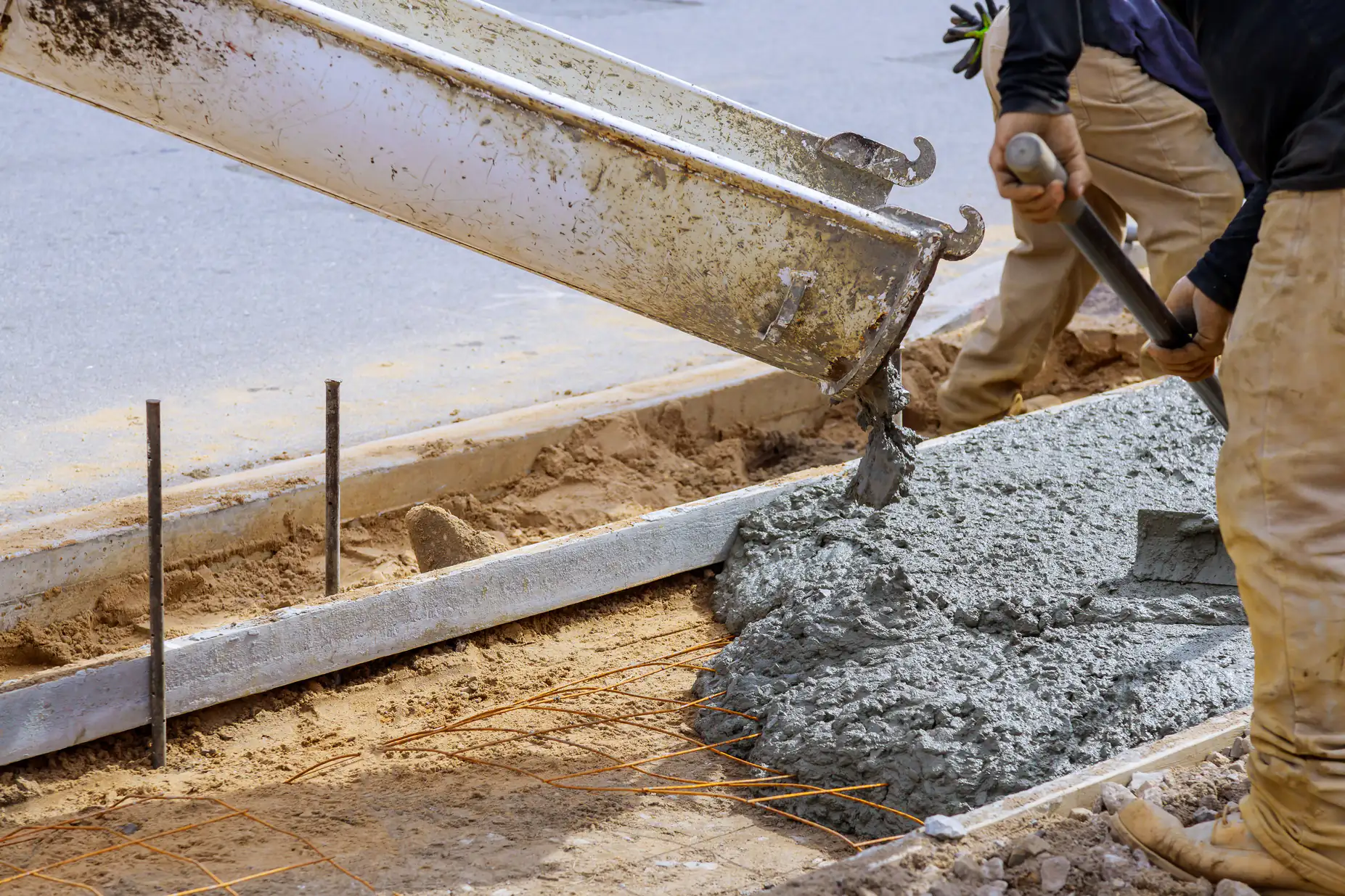
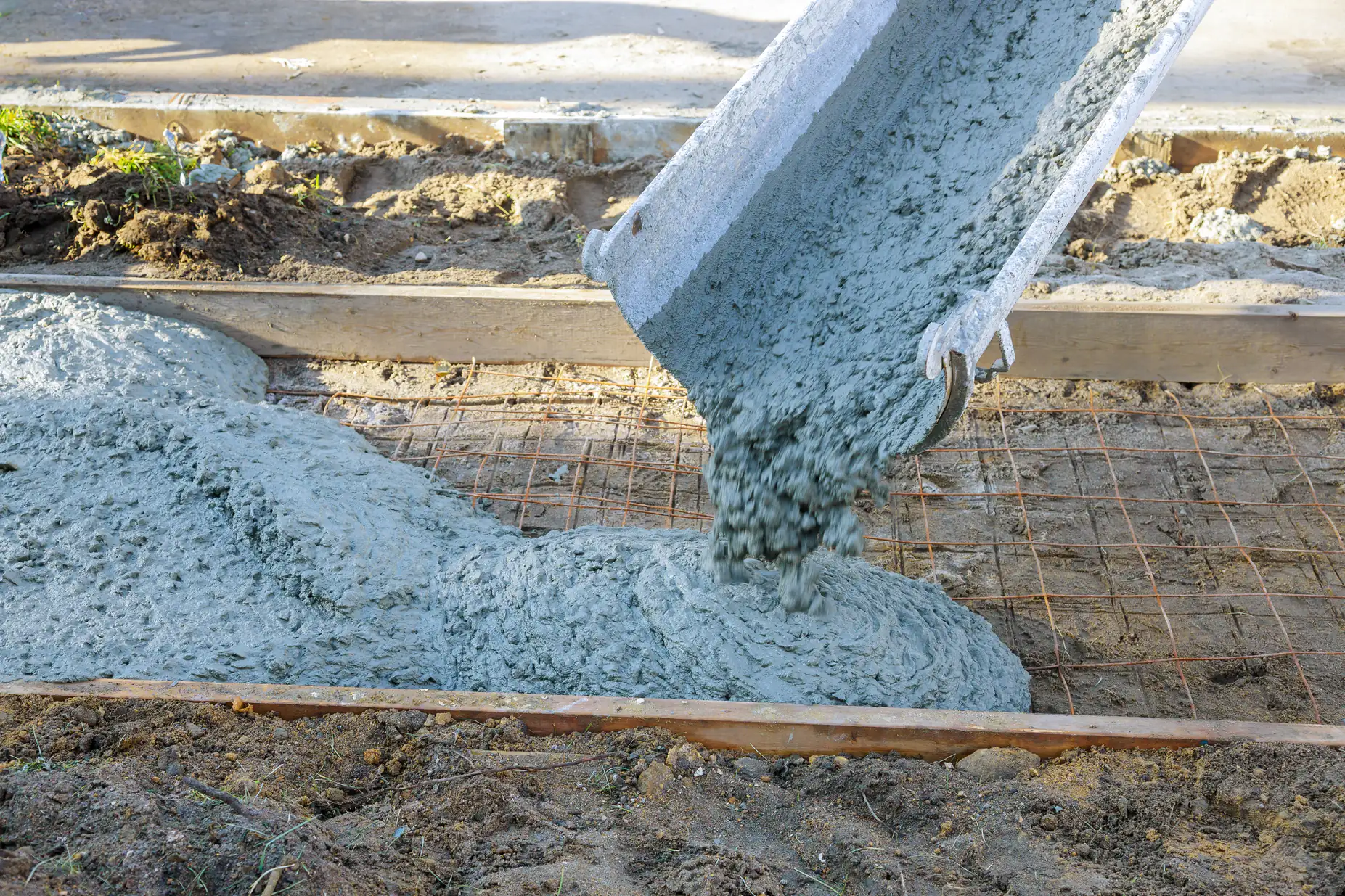
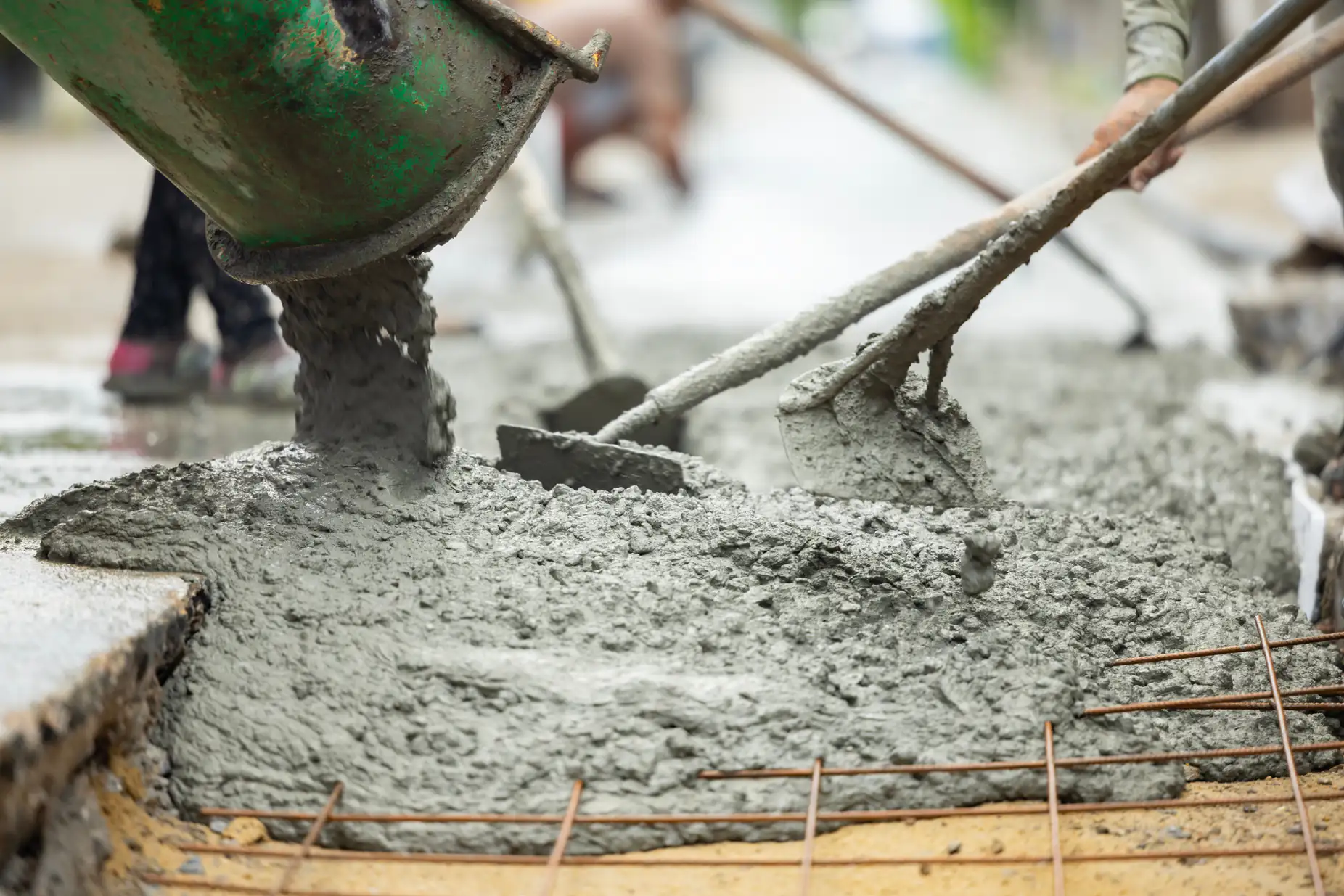
For concrete installations, we use Portland cement mixes with rebar reinforcement. The concrete gets poured at the right thickness for your vehicle load and climate conditions. For asphalt, we apply hot-mix material at the correct temperature so it bonds properly and cures into a flexible, durable surface.
Timing matters more than most homeowners realize. We schedule installations between late spring and early fall when temperatures stay consistently above 50°F. That gives your driveway the entire warm season to cure before winter stress hits.
The final step is explaining maintenance. New asphalt needs sealcoating six to twelve months after installation, then every two to three years. Concrete needs different care. We walk you through exactly what to do and when.

Ready to get started?
You get a complete written estimate that breaks down every cost before work starts. No surprises, no hidden fees for “unexpected” base work that any experienced contractor should anticipate.
We handle all permit requirements with Caldwell’s building department. Most residential driveway projects need permits, and we manage that process so you don’t have to figure out what forms to file.
Your installation includes proper drainage solutions designed for your specific property. That might mean adjusting grades, adding drainage channels, or installing catch basins. We evaluate what your property needs and build it into the plan.
Material choices matter in Morris County. Asphalt typically costs $3 to $7 per square foot and offers flexibility that handles freeze-thaw cycles well. Concrete runs $6 to $12 per square foot, lasts longer, and works better for decorative applications like stamped patterns or exposed aggregate finishes.
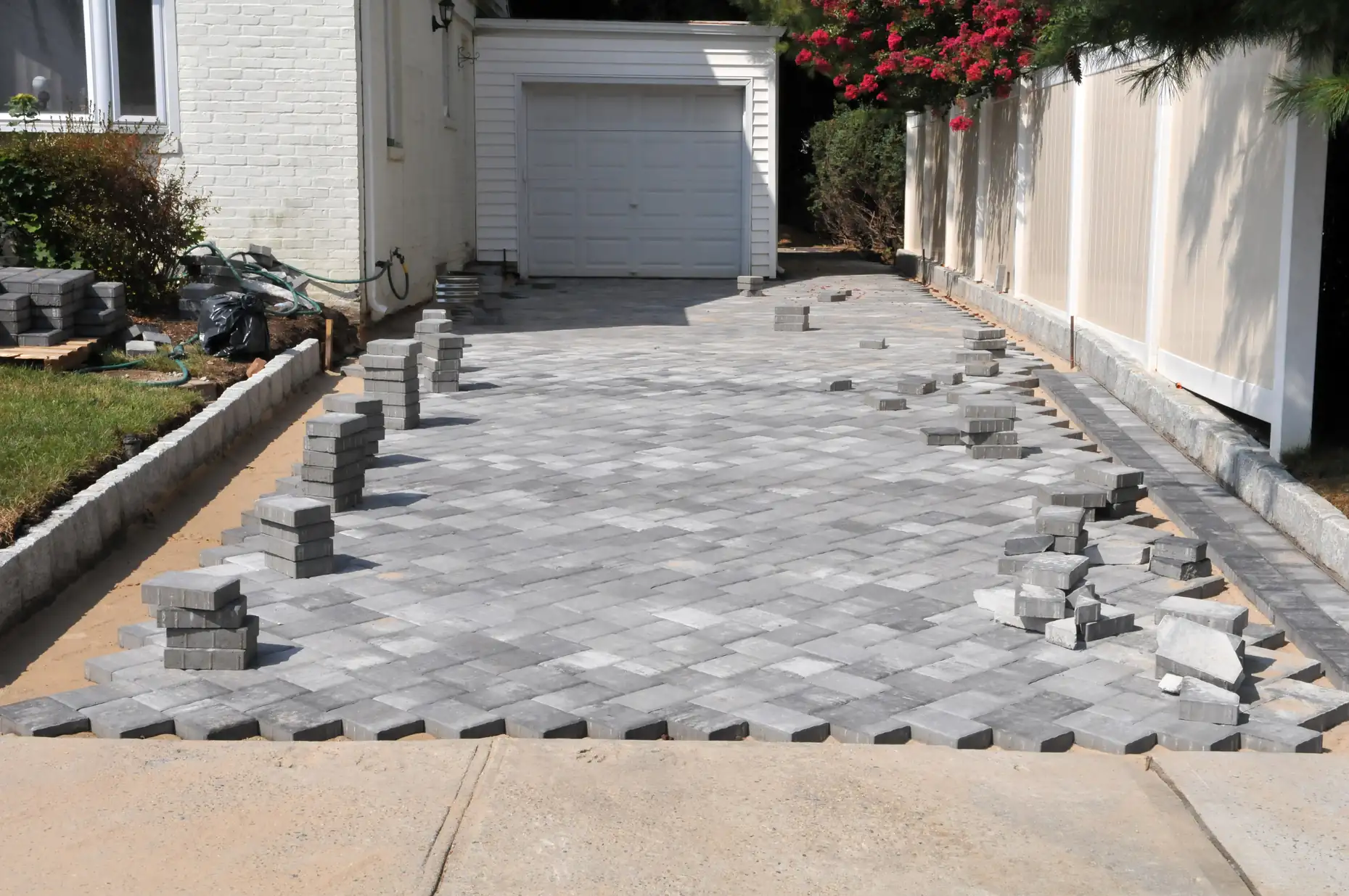
For properties that want the durability of concrete with enhanced aesthetics, we install stamped concrete driveways and decorative concrete patios. We also work with flagstone pavers and Belgard pavers for customers who want that specific look.
Every installation comes with a ten-year warranty. If something fails because of our workmanship or materials, we fix it. That’s not standard in this industry, but it should be.
Concrete driveway installation in Caldwell typically runs between $6 and $12 per square foot depending on thickness, reinforcement, and finish. A standard two-car driveway around 600 square feet costs between $3,600 and $7,200.
The wide price range reflects real differences in quality. A basic 4-inch concrete slab with minimal reinforcement sits at the lower end. A properly engineered 6-inch slab with rebar reinforcement, proper base preparation, and decorative finishing costs more but lasts decades longer.
Your specific cost depends on site conditions too. If your property needs significant grading work, drainage solutions, or excavation beyond normal depth, that adds to the total. We provide detailed written estimates that break down every cost so you know exactly what you’re paying for.
Asphalt costs less upfront at $3 to $7 per square foot, but requires sealcoating every few years. Concrete costs more initially but needs less maintenance over its lifespan. The right choice depends on your budget, aesthetic preferences, and how long you plan to stay in your home.
Both materials work in Morris County’s climate when installed correctly, but they perform differently. Asphalt flexes with temperature changes, which helps it handle freeze-thaw cycles without cracking. It costs less upfront and can be installed faster. The tradeoff is maintenance—you’ll need sealcoating every two to three years and eventual resurfacing after 15 to 20 years.
Concrete lasts longer, typically 30 to 40 years with minimal maintenance. It handles heavy loads better and offers more design options like stamped patterns or decorative finishes. But it costs roughly double what asphalt costs, and if it does crack, repairs are more visible and expensive.
For Caldwell’s Colonial and Victorian homes, concrete often matches the aesthetic better. For properties with long driveways where cost per square foot adds up quickly, asphalt makes more financial sense. For homeowners who want to minimize long-term maintenance, concrete wins.
The honest answer is that your priorities matter more than which material is “better.” We install both because different situations call for different solutions. During your estimate, we’ll walk through the pros and cons based on your specific property, budget, and plans.
Late spring through early fall gives you the best results. Both concrete and asphalt need consistent temperatures above 50°F to cure properly. Install too early in spring or too late in fall, and the material won’t bond correctly or reach full strength before winter.
The ideal window runs from May through September in Morris County. Asphalt particularly needs warm temperatures—the material arrives hot and needs to stay workable long enough for proper compaction. Cold weather causes it to cool too quickly, leading to poor bonding and premature failure.
Concrete is slightly more forgiving with temperature but still needs warm weather for proper curing. You want your new concrete driveway to have several months of moderate temperatures before facing freeze-thaw cycles. Installing in June or July gives it the entire summer and fall to cure fully.
Scheduling during peak season means contractors are busy, but it also means you’re getting installation during optimal conditions. Some contractors offer winter discounts, but you’re gambling with material performance. The few hundred dollars you might save aren’t worth a driveway that fails in three years instead of thirty.
Most residential concrete driveway installations in Caldwell take three to five days from start to finish. Day one covers excavation and base preparation. Day two involves setting forms and installing reinforcement. Day three is the concrete pour and finishing. Then you wait.
Concrete needs time to cure before you can drive on it. You can walk on it after 24 to 48 hours, but vehicles need to stay off for at least seven days. Full curing takes 28 days, though it reaches most of its strength within the first week.
Asphalt moves faster—often completed in one to two days for a standard driveway. But you still need to keep heavy vehicles off for a few days while it cures. And you can’t sealcoat new asphalt for six to twelve months.
Weather affects timelines. Rain delays concrete pours because water compromises the mix. Extreme heat causes concrete to cure too quickly, leading to cracking. We schedule installations during weather windows that give your driveway the best chance at long-term performance.
Larger driveways, complex grading situations, or properties that need significant drainage work take longer. During your estimate, we’ll give you a realistic timeline based on your specific project scope.
Most driveway replacement projects in Caldwell require a permit from the borough’s building department. If you’re changing the driveway’s footprint, altering drainage patterns, or connecting to the street, you definitely need one.
Even straightforward replacements where you’re matching the existing size and location typically need permits. Caldwell wants to ensure new driveways meet stormwater management requirements and don’t create drainage problems for neighboring properties.
The permit process isn’t complicated, but it does require submitting site plans and waiting for approval before starting work. Permits usually take one to two weeks to process. Some contractors skip this step to save time or avoid scrutiny of their work. That’s a problem for you when you try to sell your home and can’t document that the work was done legally.
We handle all permit applications and inspections as part of your installation. You don’t need to visit the building department or figure out what documentation they need. We submit everything, schedule required inspections, and make sure your project closes out properly.
Working without permits might seem like it saves money, but it creates liability. If something goes wrong or a neighbor complains, the borough can require you to remove unpermitted work. That’s an expensive mistake that’s easy to avoid by doing things correctly from the start.
Concrete maintenance in Morris County focuses on preventing water infiltration and protecting the surface from freeze-thaw damage. Seal your concrete every two to three years with a quality penetrating sealer. This keeps water from seeping into the porous concrete where it can freeze and cause spalling.
Clean your driveway regularly. Oil stains, de-icing salts, and organic debris all degrade concrete over time. Pressure washing once or twice a year removes buildup before it causes problems. If you use de-icing products in winter, choose calcium magnesium acetate instead of rock salt—it’s less corrosive to concrete.
Address cracks immediately when they appear. Small cracks let water in, and water is concrete’s biggest enemy in freeze-thaw climates. Fill cracks with a flexible concrete sealant designed for exterior use. This prevents small problems from becoming expensive repairs.
Keep your driveway’s drainage working correctly. Make sure water flows off the surface and away from your foundation. Clean out any drainage channels or catch basins so water doesn’t pool. Standing water accelerates concrete deterioration, especially during winter months.
Avoid using metal shovels or sharp snow removal tools that can chip or scratch the surface. And don’t let snow pile up on your driveway all winter—the constant freeze-thaw cycle in those piles causes more damage than snow that gets cleared away. These simple maintenance steps extend your concrete driveway’s life from 30 years to 40-plus years.