
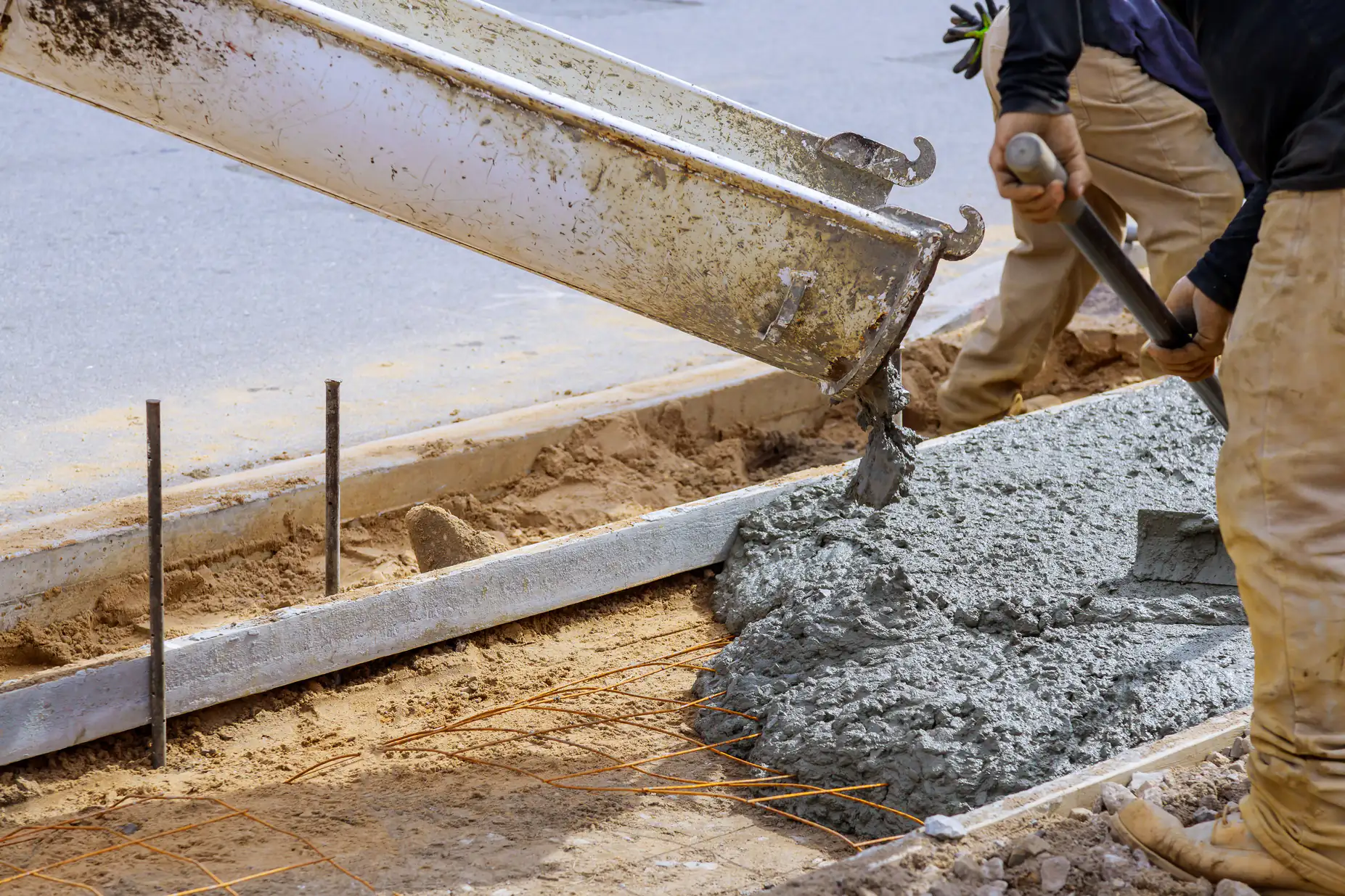
Hear from Our Customers
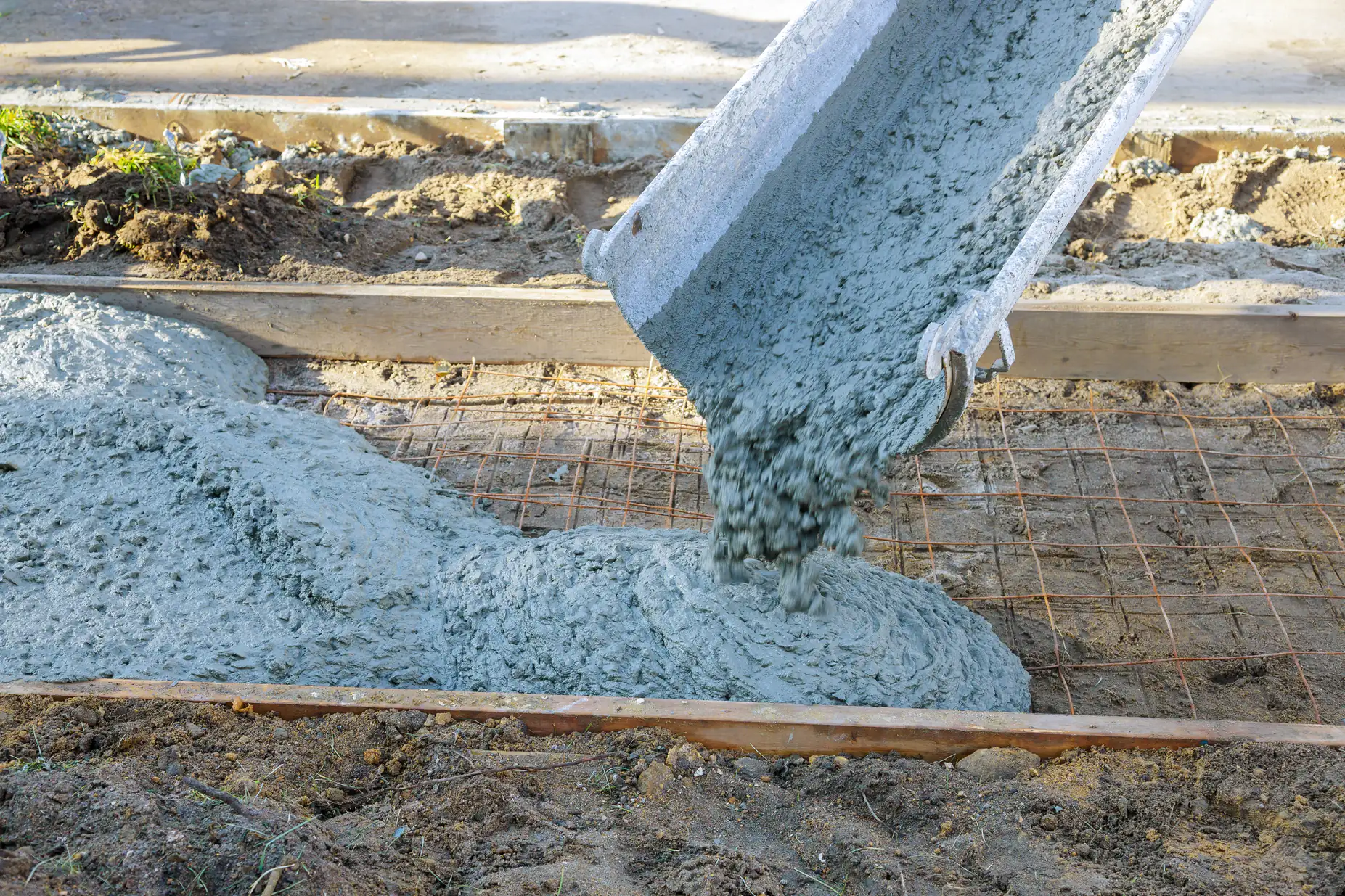
A concrete driveway done right means you’re not calling someone back in three years because cracks turned into craters. You get a surface that handles the weight of your vehicles without sinking, doesn’t soften in summer heat, and stays level through winter freeze-thaw cycles that destroy poorly installed pavement.
Concrete costs more upfront than asphalt, but it lasts 30-40 years with minimal maintenance. That’s decades without resurfacing, resealing, or patching every spring. In Byram Center and across Morris County, where temperature swings are brutal, that durability matters.
You also get options. Stamped concrete gives you the look of natural stone or brick without the price tag. Standard gray works fine if function trumps aesthetics. Either way, the installation process determines whether your driveway lasts or fails early, which is why the foundation work and proper concrete mix matter more than most homeowners realize.
We’ve been working in Morris, Sussex, and Somerset Counties for over 35 years. We’re not new to how North Jersey weather destroys bad concrete work. We’ve seen what happens when contractors skip proper base preparation or use the wrong mix for local conditions.
Our crews know the difference between a 4000 psi mix and a 6500 psi mix, and when each one makes sense for your specific driveway. We use Portland cement with rebar reinforcement because it handles load-bearing requirements and temperature stress better than cheaper alternatives.
You’ll work with our in-house estimators, not subcontractors who disappear after the job. We respond to quote requests within 24-48 hours, and we don’t add surprise charges halfway through the project. If you’re in Byram Center or anywhere in Morris County, you’re dealing with a local crew that understands your property’s drainage patterns and soil conditions.
First, we assess your property. That means looking at drainage, slope, soil type, and how water moves across your land during heavy rain. Poor drainage kills driveways faster than anything else, so we address it before pouring concrete.
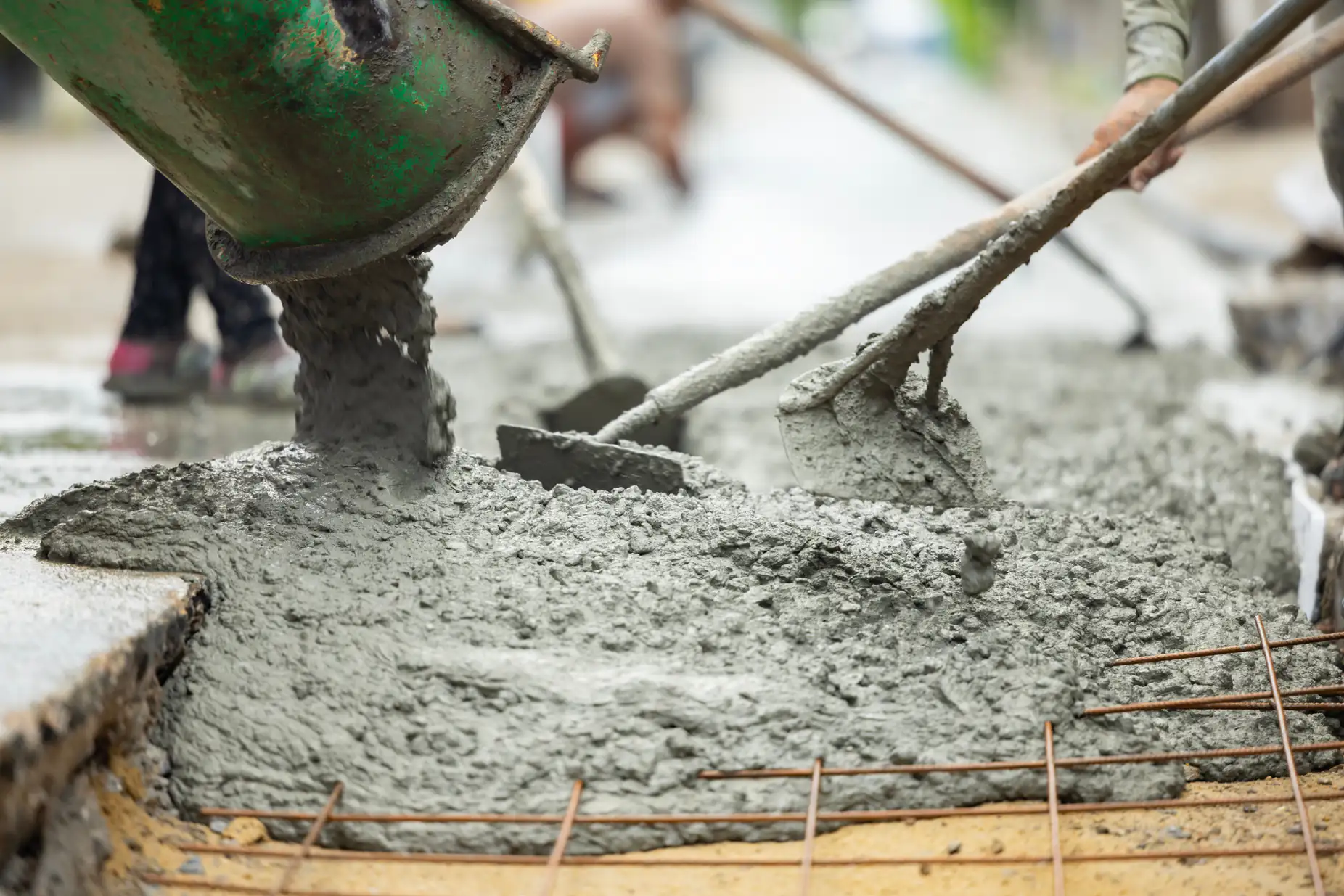
Next, we excavate and build the foundation. This isn’t just digging a hole. We remove unstable soil, compact the subgrade, and install a proper aggregate base that won’t shift or settle. Then we set forms and add rebar reinforcement to prevent cracking from temperature changes and heavy loads.
The concrete pour happens fast, but the prep takes time. We use the right mix for your climate and load requirements—usually 4000-6500 psi depending on whether you’re parking sedans or work trucks. After pouring, we finish the surface, apply any stamping or texturing if you’ve chosen decorative options, and let it cure properly. Rushing the cure process causes surface problems later.
Finally, we remove the forms and clean up. Your driveway needs about seven days before you can drive on it, and 28 days to reach full strength. We’ll tell you exactly when it’s safe to use and what maintenance keeps it looking good for decades.

Ready to get started?
You get a full site analysis before we start. That includes checking for drainage issues, testing soil stability, and identifying any grade problems that could cause water pooling or ice buildup. In Byram Center, where properties often have natural slopes and varied terrain, this step prevents expensive fixes later.
We handle all excavation and base preparation. That means removing old pavement if needed, digging to proper depth, compacting the subgrade, and installing a crushed stone base that drains well and won’t shift. We’re also pulling permits and making sure everything meets New Jersey DOT standards for residential driveways.
Your concrete gets mixed to the right specifications for North Jersey weather. We’re using Portland cement with the appropriate psi rating for your vehicle weight and usage patterns. Rebar reinforcement goes in before the pour to handle expansion and contraction from temperature swings. If you want stamped or decorative concrete, we apply patterns and colors during the finishing process.
You also get a 10-year warranty on the installation. That covers structural failures from improper installation, not normal wear or damage from neglect. We’ll match competitor pricing from licensed contractors, and we don’t charge extra for accurate estimates or project management.
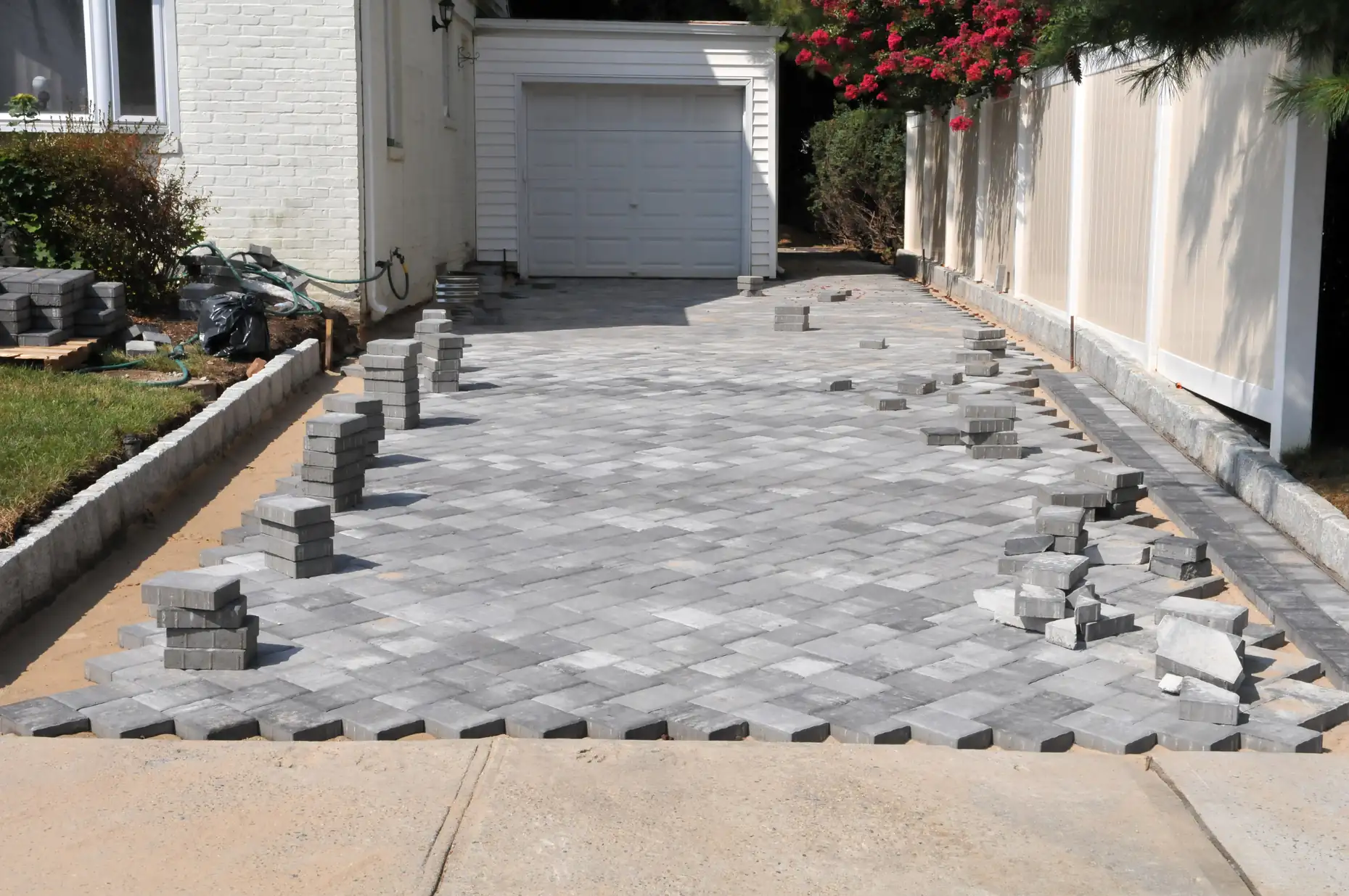
Concrete driveways in New Jersey typically run $7-13 per square foot installed. For a standard two-car driveway around 400-600 square feet, you’re looking at $3,500-$7,800 depending on site conditions and whether you want basic gray or decorative stamped concrete.
The price varies based on how much excavation and base work your property needs. If we’re removing old asphalt or dealing with drainage problems, that adds to the cost. Decorative options like stamping, coloring, or exposed aggregate add $2-4 per square foot.
That’s higher than asphalt, which costs $3-7 per square foot. But asphalt needs resealing every 2-3 years and replacement after 10-15 years. Concrete lasts 30-40 years with almost no maintenance beyond occasional cleaning. Over the life of your driveway, concrete usually costs less when you factor in repairs and replacement.
The actual installation takes 1-3 days depending on size and complexity. A standard residential driveway usually takes two days—one for excavation and base prep, one for pouring and finishing the concrete.
But the timeline includes cure time. You can walk on the concrete after 24-48 hours. Light vehicle traffic is safe after seven days. Full strength takes 28 days, though most homeowners start using their driveways normally after the first week.
Weather affects the schedule. We don’t pour concrete when temperatures drop below 40°F or during heavy rain. North Jersey’s unpredictable spring and fall weather sometimes pushes projects back a few days. We’ll give you a realistic timeline during the estimate and keep you updated if weather causes delays.
Yes, concrete handles freeze-thaw cycles better than asphalt when installed correctly. Water is the enemy of both materials, but concrete doesn’t soften in heat or become brittle in extreme cold the way asphalt does.
The key is proper installation. Concrete needs a solid base that drains well, adequate thickness for your vehicle weight, and the right mix design for temperature swings. We use 4000-6500 psi concrete with rebar reinforcement, which handles the expansion and contraction that comes with New Jersey’s temperature extremes.
Salt is harder on concrete than asphalt, so you’ll want to use calcium chloride instead of rock salt during winter. But overall, concrete requires less maintenance and lasts 2-3 times longer than asphalt in North Jersey conditions. The higher upfront cost pays off in fewer repairs and no resurfacing every decade.
It depends on the damage. Small cracks under a quarter-inch wide can be filled and sealed. Isolated sections with surface spalling or minor settling can sometimes be patched or resurfaced. But if you have widespread cracking, multiple sunken areas, or structural failure from a poor foundation, replacement makes more sense.
Here’s the reality: repairs on concrete cost $300-3,000 depending on extent of damage, and they don’t fix underlying problems. If your driveway is failing because the base wasn’t installed correctly or drainage is directing water under the slab, patches just buy you a year or two before more problems appear.
We’ll assess your current driveway honestly during the estimate. If repairs will hold up, we’ll tell you. If you’re throwing money at a driveway that needs replacement, we’ll tell you that too. Most driveways we see in Byram Center that are 20+ years old and showing significant damage are better off replaced than patched.
Yes, stamped concrete is a popular option for homeowners who want the look of natural stone, brick, or slate without the cost. We apply patterns and textures during the finishing process, right after pouring the concrete. You can choose from dozens of patterns and color options.
Stamped concrete costs $2-4 more per square foot than standard gray concrete. It requires more labor during installation because timing matters—we have to stamp while the concrete is still workable but firm enough to hold the pattern. The result looks like high-end pavers but without the gaps where weeds grow or individual pieces that shift over time.
Maintenance is similar to regular concrete. You’ll want to reseal stamped concrete every 2-3 years to protect the color and texture from fading. But structurally, it’s just as durable as standard concrete. It handles Morris County winters the same way and lasts just as long if installed on a proper base.
Concrete driveways need minimal maintenance compared to asphalt. You should seal the surface every 2-3 years to protect against water penetration and salt damage. Sealing costs $1-2 per square foot and takes a few hours to apply.
Clean your driveway regularly to prevent staining from oil, rust, or organic matter. A pressure washer works well for this. During winter, use calcium chloride or sand instead of rock salt, which accelerates surface deterioration and causes spalling over time.
Fill any cracks that appear before they spread. Small cracks are normal as concrete settles and responds to temperature changes, but water gets into cracks, freezes, expands, and makes them worse. A tube of concrete crack filler costs $10 and takes ten minutes to apply. That’s cheaper than letting a small crack turn into a structural problem that requires professional repair.