
Hear from Our Customers
Your driveway takes a beating. Somerset County winters mean freeze-thaw cycles that crack weak concrete. Summer heat expands everything. Vehicles weigh thousands of pounds. And deicing salt eats through subpar materials year after year.
Proper concrete installation means you’re not calling for repairs every spring. It means water drains away from your garage instead of pooling near your foundation. It means the surface stays level, the edges hold their shape, and you’re not explaining to buyers why your three-year-old driveway looks fifteen years old.
Most concrete driveways in Belle Mead cost between $8 and $20 per square foot, depending on thickness, reinforcement, and finish. That’s $6,400 to $14,500 for a typical residential driveway. The difference isn’t just in the price—it’s in whether you’re replacing sections in three years or still satisfied in fifteen.
We’ve been installing concrete and asphalt driveways across Morris, Sussex, and Somerset Counties for over 20 years. We’re based here. We know what Belle Mead’s soil does when it freezes. We know how water moves through your property after a heavy rain.
You’re not getting a national franchise that subcontracts the work. You’re getting a local crew that shows up when promised, uses commercial-grade equipment, and stands behind the installation with a five-year warranty. We’re licensed, insured, and accountable—because we live and work in the same community you do.
Belle Mead’s median property value sits at $777,600. Your driveway is the first thing people see. It either adds to that value or detracts from it.
You request a quote online, and we respond within 24 to 48 hours. No runaround. We schedule a site visit to assess your property’s drainage, soil conditions, and any grading issues that could cause problems later.
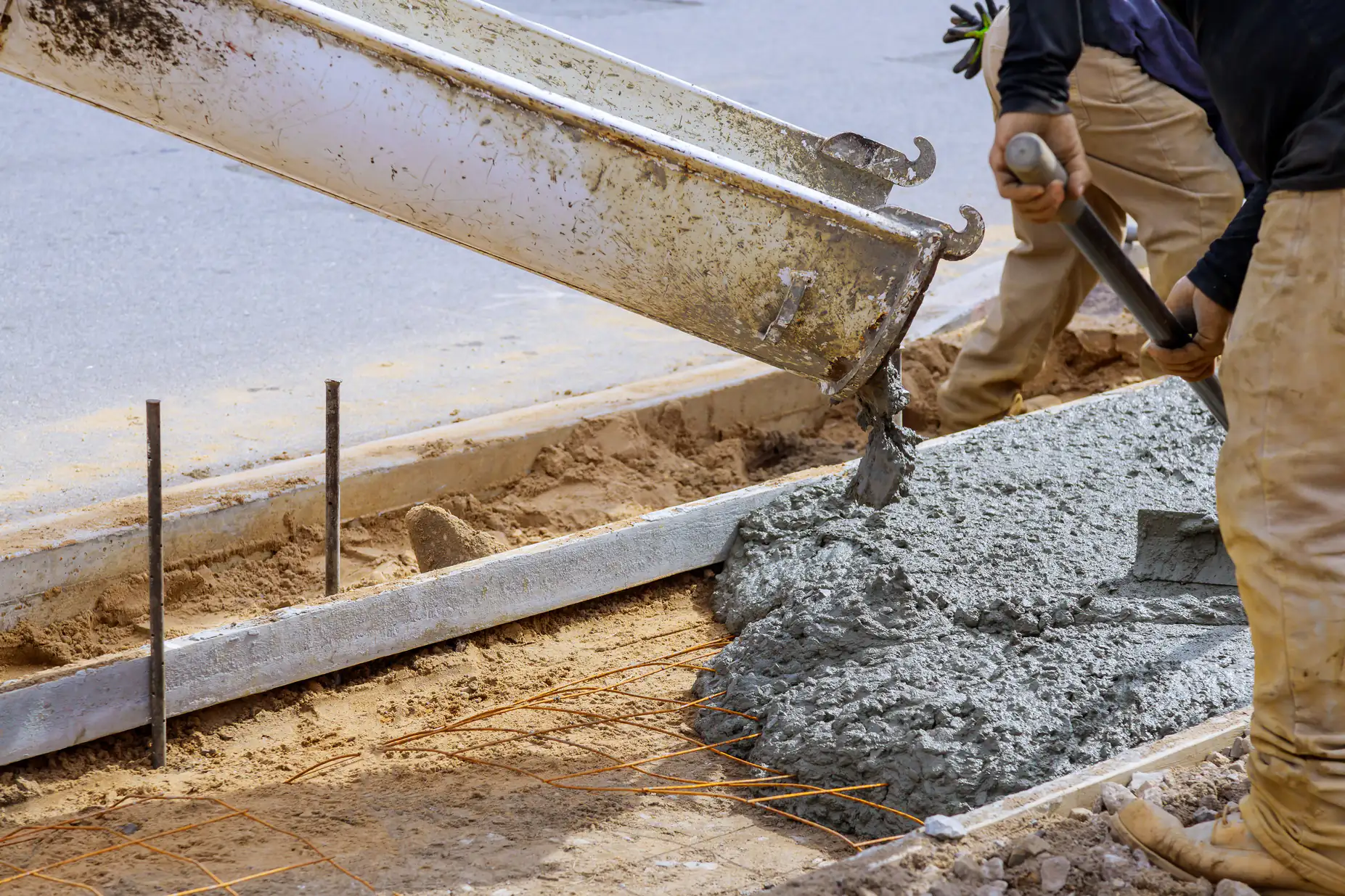
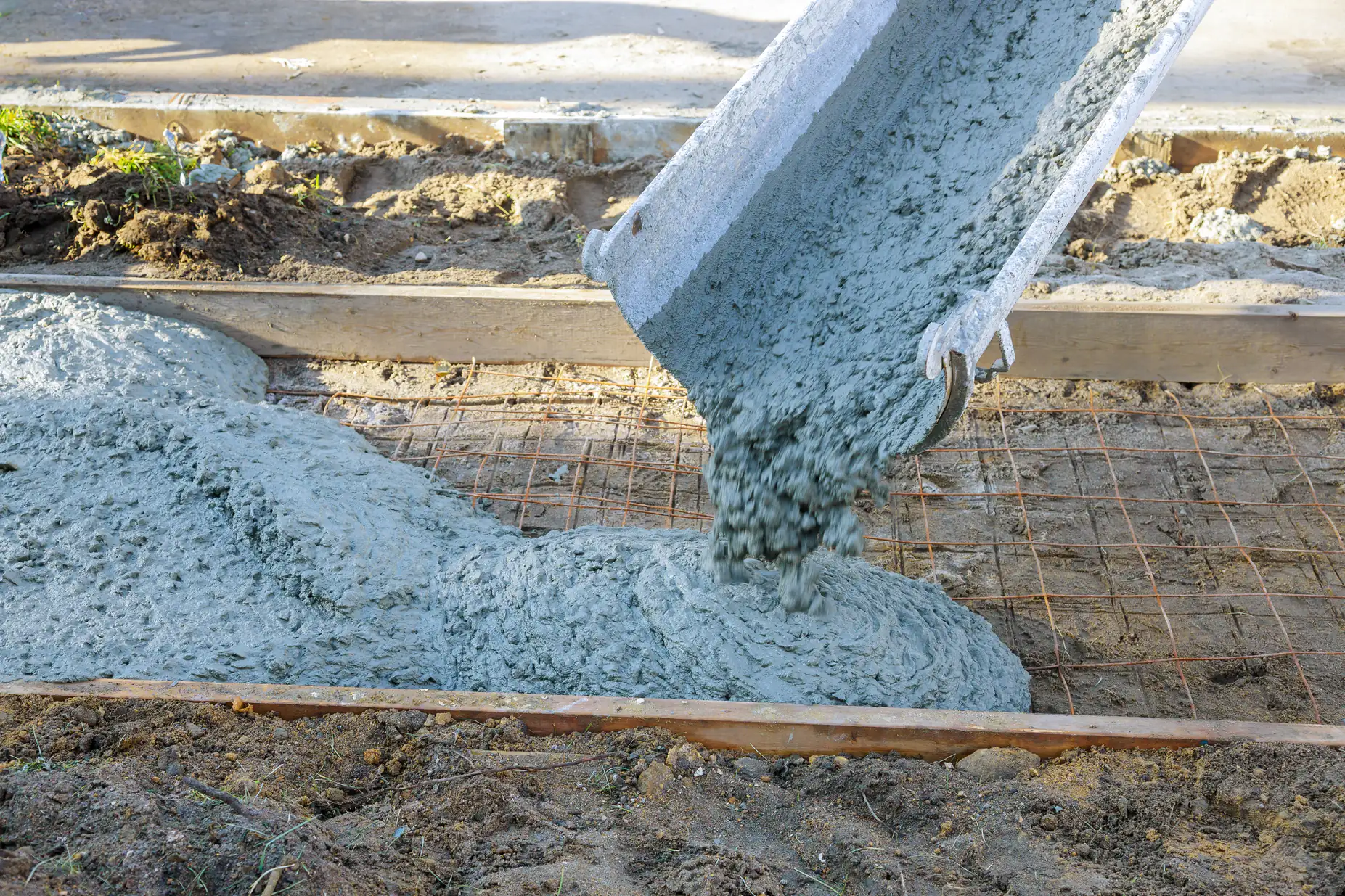
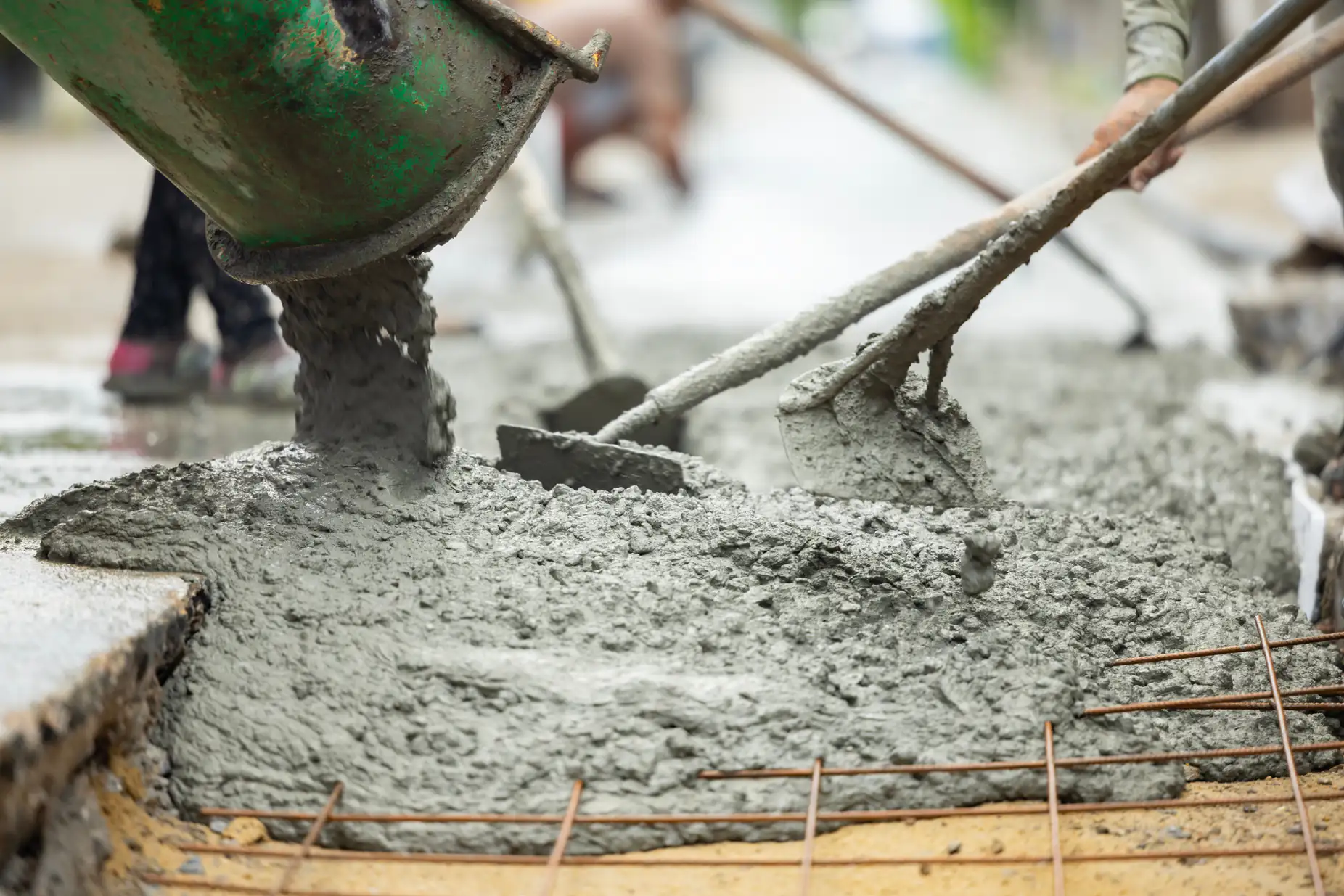
Once you approve the estimate, we handle permits if needed and schedule the work. Most residential driveway projects in Belle Mead take one to three days, depending on size and complexity. We excavate to the proper depth, install a compacted stone base, and use Portland cement mixes with rebar reinforcement rated for New Jersey’s climate extremes.
After the pour, we finish the surface, apply any decorative stamping if you’ve chosen that option, and explain the curing process. Concrete needs time to reach full strength—typically seven days before you can drive on it, though that varies with weather. We give you clear guidelines, not vague advice. And if something goes wrong within five years, we come back and make it right.

Ready to get started?
Professional concrete driveway installation starts with proper site preparation. That means excavation to the right depth, grading for drainage, and a compacted stone base that won’t shift or settle. Skipping any of these steps is how you end up with cracks in the first year.
We use commercial-grade Portland cement mixes with rebar or wire mesh reinforcement. The concrete is poured at the correct thickness—typically four to six inches for residential driveways, more if you’re parking heavy vehicles. We finish the surface with proper slope for water runoff, because standing water is how freeze-thaw damage starts.
Belle Mead homeowners often ask about stamped concrete or decorative finishes. We offer those. We also install concrete patios, walkways, and other flatwork using the same materials and methods. If you’re comparing concrete to asphalt, here’s the reality: asphalt costs less upfront and handles freeze-thaw cycles slightly better, but concrete lasts longer and offers more design options. Both work. It depends on what you value.
Every project includes a detailed written estimate, clear timeline, and our five-year warranty. No surprise charges. No disappearing when the job is done.
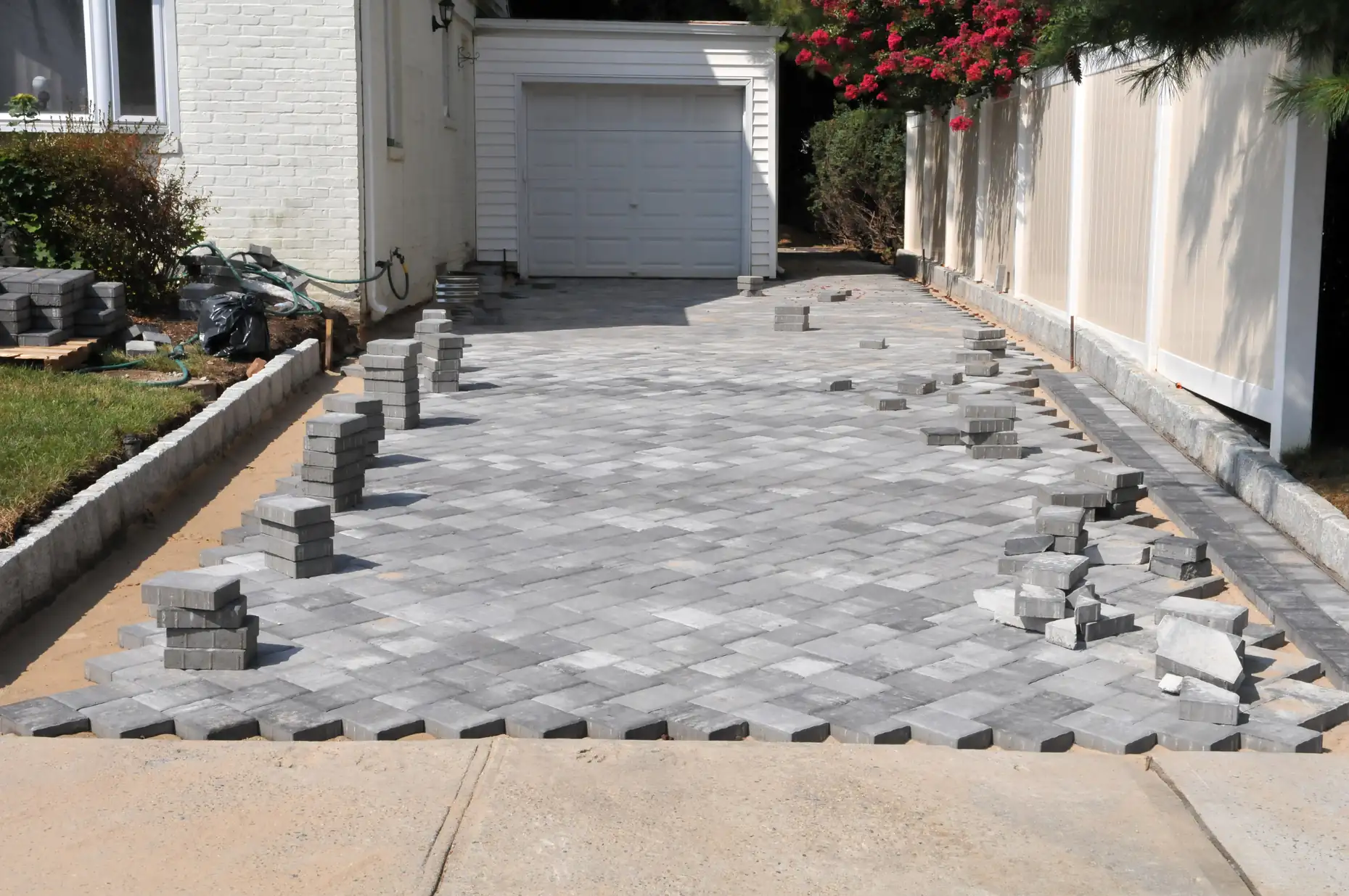
Concrete driveway installation in Belle Mead typically runs between $8 and $20 per square foot. For a standard two-car driveway—around 600 to 800 square feet—you’re looking at $6,400 to $14,500. The range depends on thickness, reinforcement type, decorative finishes, and site-specific factors like drainage or grading issues.
Thicker concrete costs more but lasts longer. Rebar reinforcement adds to the price but prevents cracking. Stamped or colored concrete increases the total. If your property has poor drainage or unstable soil, we’ll need to address that before pouring—otherwise you’re just paying for a driveway that’ll crack within a year.
The cheapest quote isn’t always the best value. You’re investing in something that should last 20 to 30 years with proper maintenance. Cutting corners on materials or installation means you’ll be calling for repairs—or replacement—much sooner than that.
Concrete reaches about 50% of its full strength in three days, 90% in seven days, and full strength in 28 days. You can walk on it after 24 hours. You can drive on it after seven days in normal weather conditions. Heavy vehicles should wait the full 28 days.
Belle Mead’s weather affects curing time. If we’re pouring in cooler temperatures, curing takes longer. If it’s hot and dry, we’ll use curing blankets or apply a curing compound to prevent the surface from drying too quickly, which causes cracking. We don’t guess—we give you specific timelines based on the forecast and the mix we’re using.
Rushing the curing process is one of the most common ways homeowners damage new concrete. You’ve just spent thousands of dollars. Waiting an extra week to park your car isn’t going to kill you, but driving on uncured concrete might crack your new driveway.
Freeze-thaw cycles are the biggest threat. Water seeps into small cracks or porous concrete, freezes when temperatures drop, expands, and widens the crack. This happens repeatedly throughout the winter. By spring, you’ve got damage that requires repair or replacement.
Poor installation accelerates this. If the base isn’t properly compacted, the concrete settles unevenly and cracks. If there’s no reinforcement, the slab can’t handle the stress. If drainage is wrong, water pools on the surface and seeps in. If the concrete mix isn’t rated for freeze-thaw resistance, it breaks down faster.
Somerset County sees this every year. The driveways that hold up are the ones installed correctly from the start—proper base, proper reinforcement, proper mix, proper drainage. Everything else is just hoping for the best and paying for repairs later.
Concrete lasts longer—20 to 30 years versus 15 to 20 for asphalt. It offers more design options with stamping and coloring. It doesn’t need sealing as often. And it holds up better under heavy summer heat without softening.
Asphalt costs less upfront, usually $3 to $7 per square foot versus $8 to $20 for concrete. It handles freeze-thaw cycles slightly better because it’s more flexible. And repairs are easier—you can patch asphalt without it being as noticeable. But it needs resealing every few years, and it doesn’t look as clean or finished as concrete.
For Belle Mead’s market—where the median home value is $777,600—most homeowners choose concrete for the curb appeal and longevity. If you’re planning to stay in your home long-term and want something that looks sharp and lasts, concrete makes sense. If you’re more budget-conscious or plan to sell soon, asphalt works fine.
Seal it every two to three years with a quality concrete sealer. This protects against water penetration, freeze-thaw damage, and salt. Clean it regularly—debris and dirt trap moisture against the surface. Fix small cracks immediately before they spread. And avoid using metal shovels or harsh deicing chemicals in winter.
Belle Mead winters are hard on concrete. Rock salt and calcium chloride can damage the surface over time. Use sand for traction instead, or choose a concrete-safe deicer. If you see a crack forming, fill it with a concrete crack filler before water gets in and freezes.
Most concrete driveways fail because of neglect, not poor installation. Spending an hour twice a year on basic maintenance can add a decade to your driveway’s lifespan. It’s not complicated—it just requires paying attention before small problems become expensive ones.
It depends on the scope of work and local regulations in Somerset County. If you’re replacing an existing driveway with the same footprint, you typically don’t need a permit. If you’re expanding the driveway, changing drainage patterns, or working near the street, you probably do.
We handle permit applications if they’re required. We know Belle Mead’s building department, we know what they’re looking for, and we know how to get approvals without delays. You don’t need to figure this out yourself.
Skipping permits when they’re required is a bad idea. It can cause problems when you sell your home, and it leaves you without recourse if the work doesn’t meet code. We do this the right way—permitted, inspected, and documented—so you don’t have headaches later.