
Hear from Our Customers
You stop worrying about cracks opening up after the first freeze. Your driveway drains properly instead of pooling water near your garage. Guests notice your home before they even park.
That’s what proper concrete installation does. It creates a surface that handles Morris County’s freeze-thaw cycles without crumbling, looks clean for decades, and adds real value to your property.
When contractors skip the base work or rush the pour, you end up with settling, cracking, and water damage within a few years. When the job’s done with the right materials and actual attention to grading, you get a driveway that performs exactly how it should for 30 to 50 years. No constant patching. No embarrassing potholes when someone pulls in.
We’ve spent over 40 years working in Morris, Sussex, and Somerset counties. We know how Essex County soil behaves, what drainage issues pop up in older Ampere North neighborhoods, and which concrete mixes hold up best when winter hits hard.
We’re licensed, bonded, and insured. We don’t disappear after the pour. And we don’t give you a quote that’s only good for two hours or demand cash before we start.
You’re hiring people who’ve handled hundreds of residential driveways across Newark, East Orange, Morristown, and surrounding towns. We understand what works here because we’ve been doing it here for decades.
First, we look at your existing driveway or site. We check drainage, measure the area, and talk through what you actually need—whether that’s full replacement, a stamped concrete design, or targeted repairs.
Then we handle the excavation and base prep. This is where most contractors cut corners, and it’s why driveways fail early. We grade for proper drainage, compact the base, and make sure water moves away from your foundation.
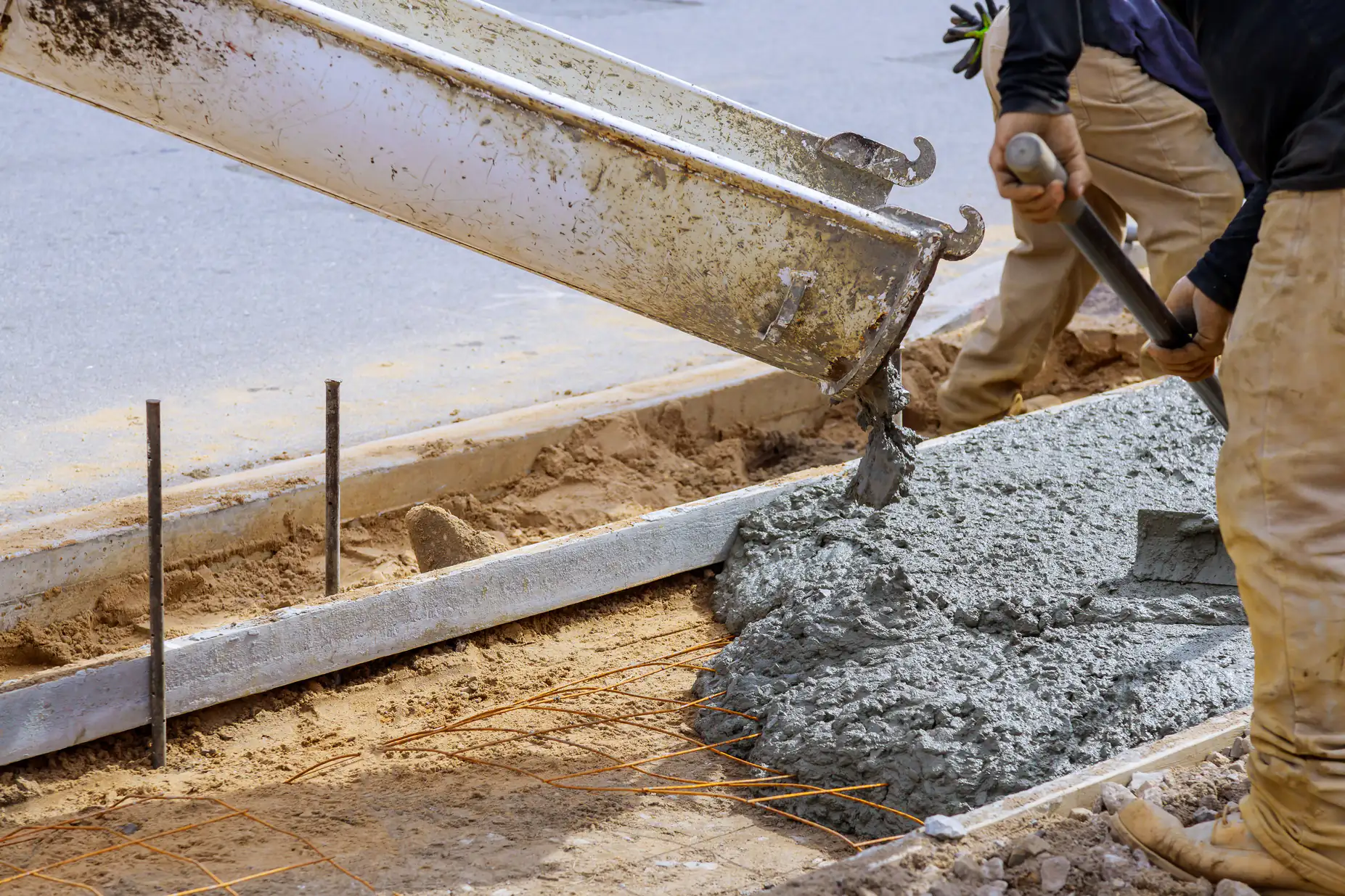
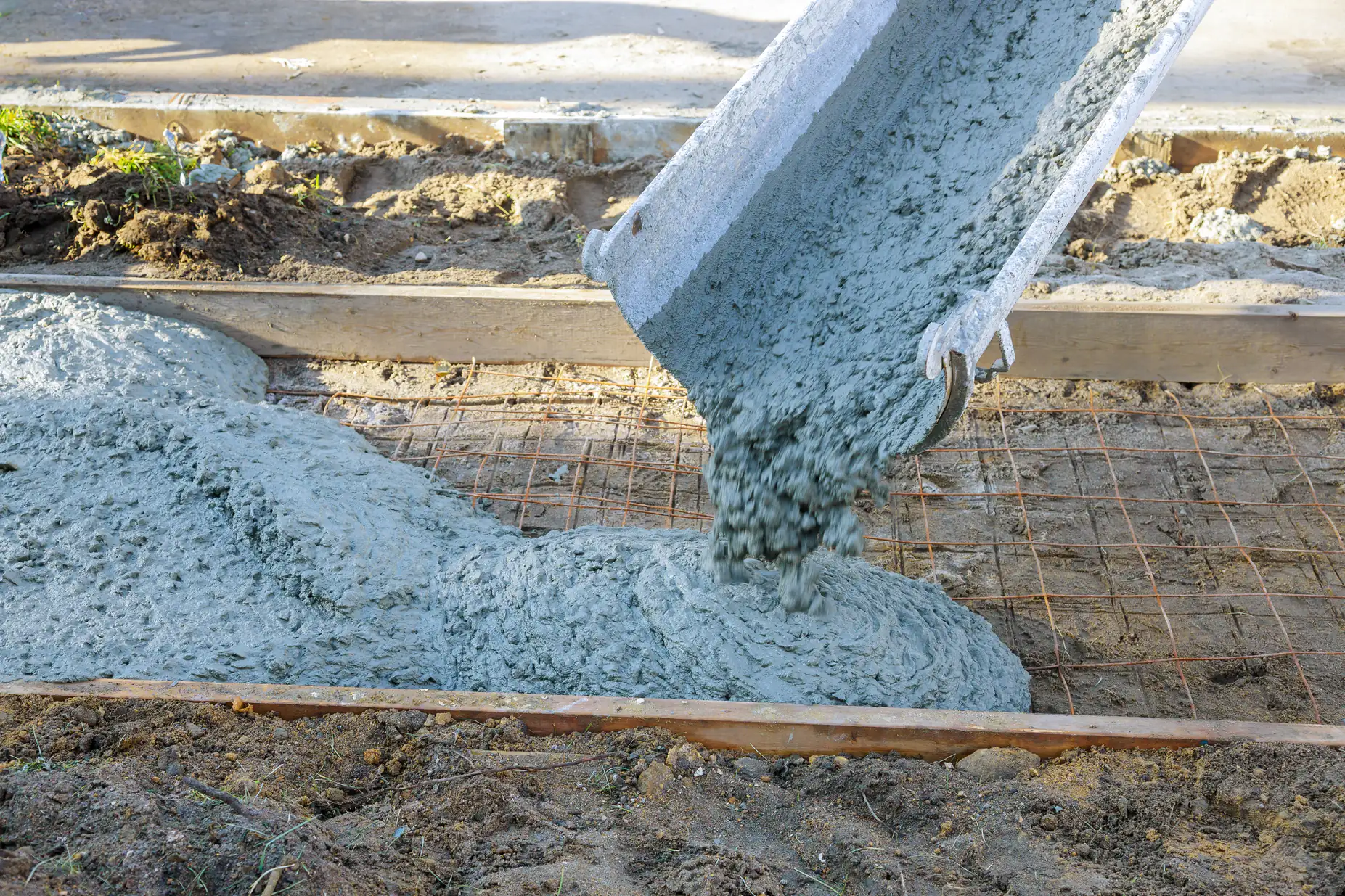
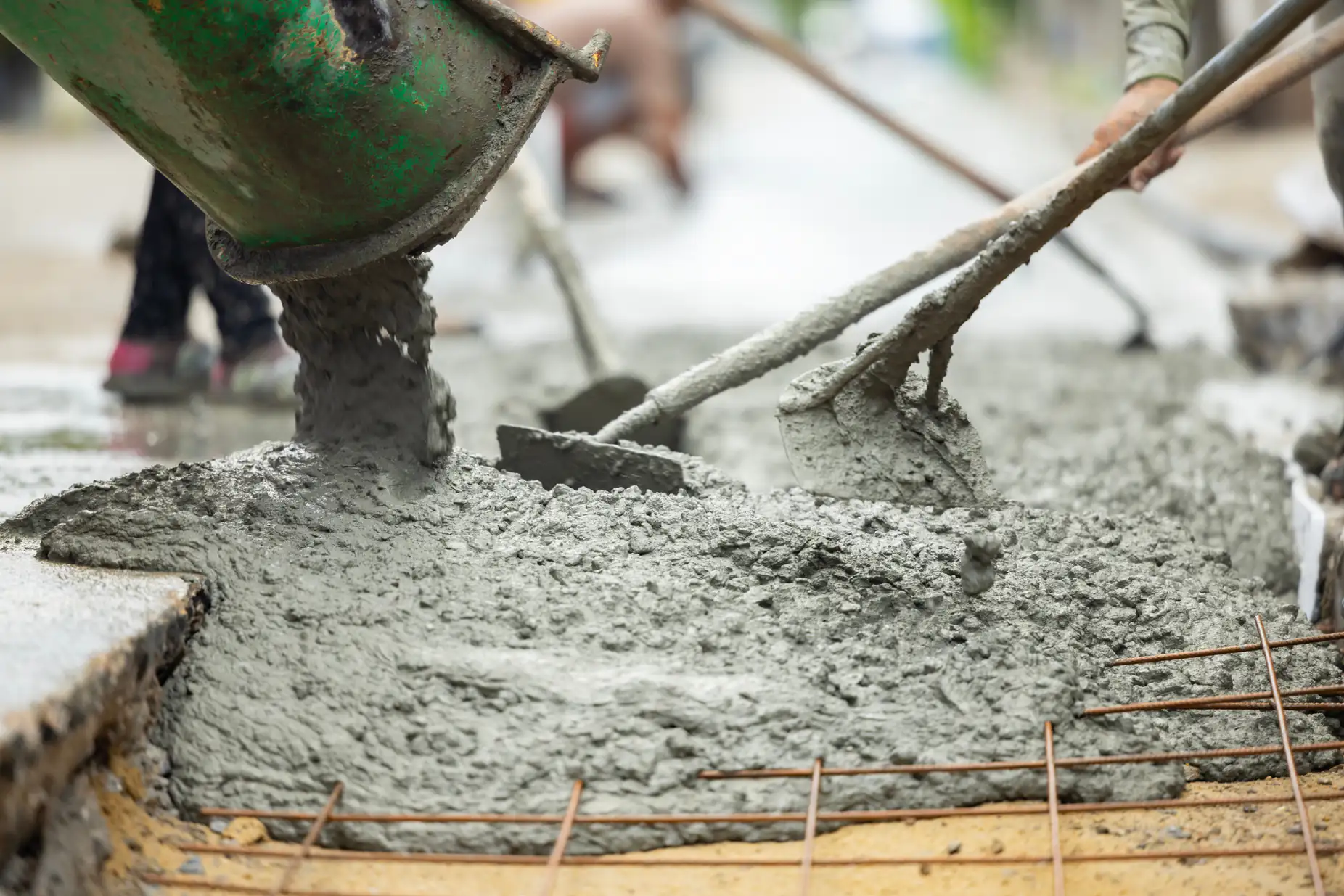
Next comes the concrete pour. We use Portland cement mixes with rebar reinforcement, not the cheap stuff that cracks in a season. If you want decorative stamped patterns or color, that happens during this stage. Temperature matters here—we don’t pour if conditions aren’t right.
Finally, we let it cure properly. Most residential projects take two to three days from start to finish, depending on size and weather. You’ll know exactly what’s happening and when, and we’ll walk you through care instructions so your driveway lasts as long as it should.

Ready to get started?
You get full excavation and site prep, not just a surface pour over whatever’s there. We handle grading so water drains correctly—critical in North Jersey where poor drainage destroys driveways faster than anything else.
We install a compacted base that won’t settle or shift. Then we pour high-grade concrete with rebar reinforcement for structural integrity. If you want stamped concrete that looks like natural stone, brick, or custom patterns, we do that too. It’s becoming more popular in Morris County as homeowners look for ways to add character without sacrificing durability.
We also handle all permits and inspections. You don’t have to chase down paperwork or worry about code compliance. And if your project needs a concrete patio, walkway, or other hardscaping, we can tie it all together so everything matches and drains properly.
Pricing is straightforward. Concrete runs $10 to $15 per square foot depending on thickness, reinforcement, and any decorative finishes. We give you a written estimate that breaks down costs—no surprises, no “we found another problem” upsells halfway through.
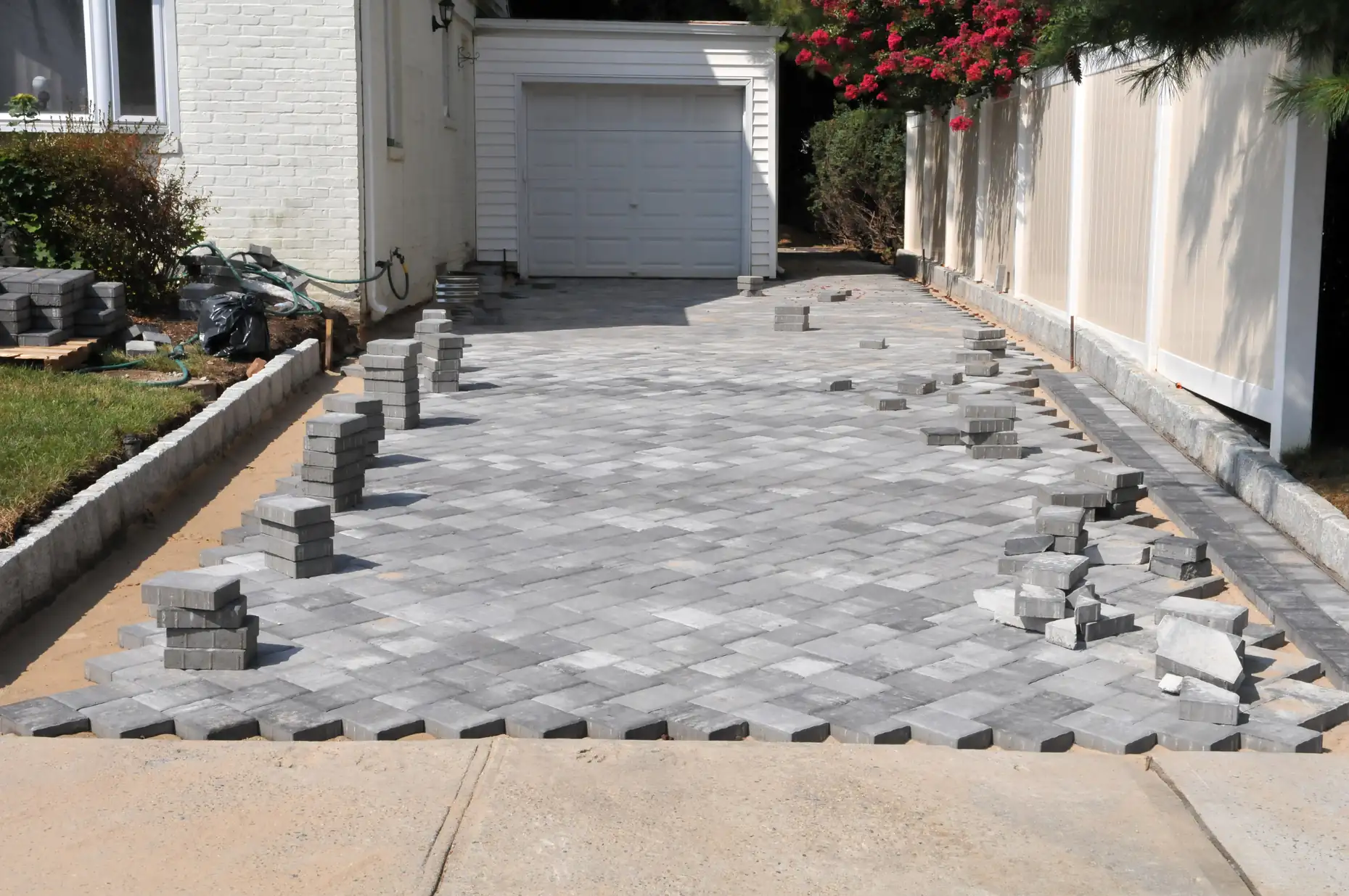
A properly installed concrete driveway typically lasts 30 to 50 years in New Jersey. That’s assuming the base was prepped correctly, the concrete mix included proper reinforcement, and the surface was sealed and maintained over time.
The driveways that fail early almost always have the same problems: thin concrete, no rebar, poor drainage, or a base that wasn’t compacted. When water gets underneath and freezes, it pushes the concrete up. When it thaws, the slab settles unevenly. After a few seasons, you’ve got cracks and heaving.
If the work is done right from the start—with attention to grading, a solid compacted base, and concrete thick enough to handle freeze-thaw cycles—you shouldn’t need major repairs for decades. Minor surface sealing every few years helps, but the structure itself should hold up.
Concrete costs more upfront but lasts longer and needs less maintenance. Asphalt is cheaper to install and easier to repair, but it requires resealing every few years and typically needs replacement sooner.
In Morris County, asphalt runs about $5 to $8 per square foot installed. Concrete is $10 to $15 per square foot. Asphalt handles freeze-thaw cycles well because it’s flexible, so it’s less likely to crack in winter. But it also softens in summer heat and can develop ruts or divots where cars park.
Concrete stays rigid and doesn’t soften, but it can crack if the base settles or if water gets into hairline cracks and freezes. When installed correctly with proper drainage and reinforcement, though, concrete holds up better long-term. It also looks cleaner and adds more to your home’s curb appeal, especially if you go with stamped or colored finishes.
For a standard residential driveway in Ampere North, you’re looking at $10 to $15 per square foot for concrete installation. A typical two-car driveway is around 400 to 600 square feet, so expect $4,000 to $9,000 depending on size, thickness, and any decorative options.
If you want stamped concrete or custom colors, that adds $2 to $5 per square foot. If your site has drainage issues or needs significant excavation, that can increase costs too. But those aren’t upsells—they’re necessary work to make sure your driveway doesn’t fail in a few years.
We give written estimates that break everything down. You’ll know what you’re paying for excavation, base prep, concrete, labor, and finishing. No vague line items, no “we’ll figure it out as we go.” And our quotes don’t expire in two hours like some contractors do to pressure you into deciding before you’re ready.
You can, but only if temperatures stay above 40°F for several days after the pour. Concrete needs time to cure properly, and if it freezes before it’s set, the surface will fail. We avoid pours from late November through early March unless there’s a warm stretch.
Spring and fall are ideal because temperatures are moderate and there’s less risk of sudden freezes or extreme heat. Summer works too, but we have to pour early in the day and keep the surface moist so it doesn’t cure too fast and crack.
If you’re planning a driveway project, the best move is to schedule it for April through June or September through October. You’ll get better weather windows, fewer delays, and concrete that cures under ideal conditions. We’ll tell you honestly if the timing isn’t right—we’re not going to pour a driveway that won’t last just to get the job done faster.
Yes, but not immediately. New concrete needs about 30 days to fully cure before you apply a sealer. After that, sealing protects the surface from water, deicing salt, oil stains, and freeze-thaw damage.
In North Jersey, deicing salt is one of the biggest threats to concrete driveways. Salt pulls moisture into the surface, and when that moisture freezes, it causes spalling—where the top layer flakes and crumbles. A good sealer creates a barrier that keeps salt and water out.
You should reseal every two to three years depending on traffic and weather exposure. It’s not complicated—you can do it yourself or hire someone for a few hundred dollars. But skipping it means your driveway will deteriorate faster, especially in areas where you use salt heavily in winter. Sealing is cheap maintenance that adds years to your driveway’s life.
Concrete cracks when the base settles unevenly, when water gets in and freezes, or when the slab is too thin to handle the load. Prevention comes down to proper base prep, correct thickness, reinforcement, and drainage.
First, the base has to be compacted correctly. If the soil underneath isn’t stable, the concrete will settle and crack along the weak points. Second, the concrete needs to be thick enough—at least four inches for residential driveways, six inches if you have heavy vehicles. Third, rebar or wire mesh reinforcement keeps the concrete from separating when it does shift slightly.
Finally, drainage is critical. If water pools on or under your driveway, it will freeze in winter and push the concrete up. When it thaws, the slab drops and cracks. We grade every driveway so water moves away from the surface and your foundation. That’s not optional—it’s the difference between a driveway that lasts 30 years and one that cracks in three.