
Hear from Our Customers

You stop watching new cracks appear every spring. The hairline fractures that turn into potholes by summer don’t happen when the base is built right and the asphalt goes down hot.
Your property looks maintained instead of neglected. That matters whether you’re selling in two years or just tired of apologizing to guests about the driveway. A smooth, even surface means no more tire damage, no more alignment issues, and no more explaining why you haven’t fixed it yet.
The difference comes down to materials and method. High-grade hot mix asphalt applied at proper temperature bonds correctly and flexes with temperature changes instead of fighting them. Portland cement mixes with rebar reinforcement for concrete work create a surface that doesn’t heave or settle unevenly when the ground shifts.
We operate out of Dover and cover Morris, Sussex, and Somerset Counties. We’ve spent over 20 years learning how North Jersey weather affects pavement and what actually holds up long-term.
You’re not getting a crew that learned paving in a different climate. We know the freeze-thaw cycles here. We know the soil conditions in Whippany, Parsippany, Morristown, and the surrounding towns. We know which asphalt grades perform and which ones fail by year three.
Every project gets full liability and workers compensation coverage. You get upfront pricing that includes the actual work scope, not vague estimates that balloon once we start. We respond to online quote requests within 24-48 hours because we know you’re comparing options and need real numbers to make a decision.

We start with the base because that’s where most paving fails. If the foundation isn’t stable and properly graded, nothing above it matters. We excavate to the right depth, compact the base material in layers, and ensure proper drainage slope so water moves away from the surface instead of pooling and seeping underneath.
For asphalt work, we use hot mix asphalt delivered and applied at the correct temperature. Cold asphalt might be cheaper and faster, but it doesn’t bond properly and starts failing within months. We apply it thick enough to handle your traffic load, whether that’s residential vehicles or commercial trucks, and compact it while it’s still hot so it sets dense and even.
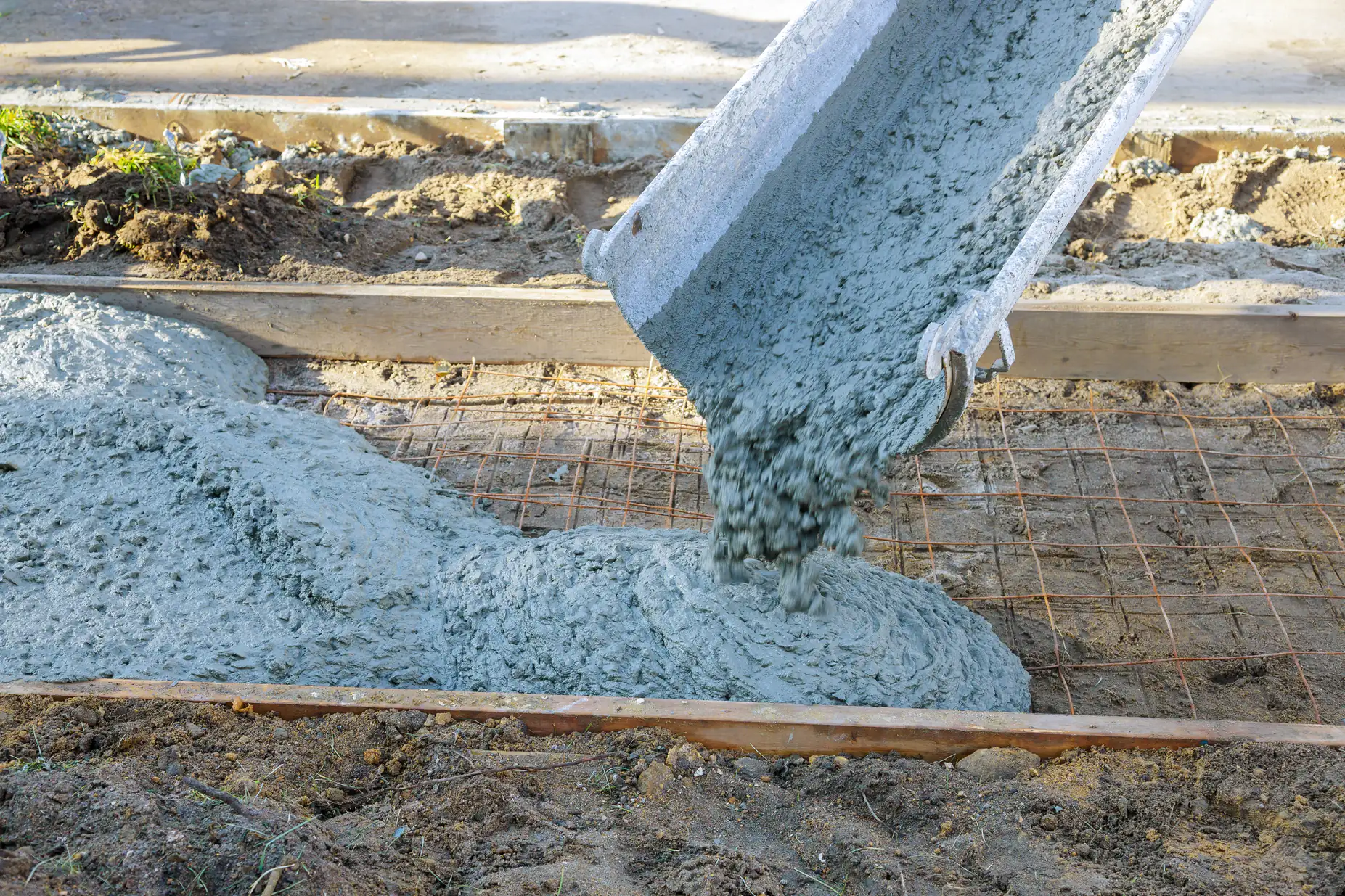
Concrete paving gets rebar reinforcement and control joints placed strategically to manage cracking. We can add decorative stamped patterns if you want the look of pavers without the maintenance issues. The concrete cures for the proper duration before you drive on it, no shortcuts that compromise strength.
You know the timeline before we start. Projects get completed within the agreed schedule because we don’t overbook and leave jobs half-finished for weeks.
Ready to get started?
You get residential driveway installation or replacement with proper base preparation and grading. Commercial parking lot paving for businesses that need surfaces handling daily traffic without constant patching. Asphalt repairs for existing driveways showing damage but not needing full replacement yet.
Sealcoating services extend pavement life when applied at the right intervals, typically every 2-3 years depending on traffic and sun exposure. The sealant needs to go down when temperatures sit between 50-75 degrees so it bonds correctly. Too cold and it doesn’t cure. Too hot and it dries too fast.
Concrete work includes sidewalks, paver patios, and decorative options beyond standard gray slabs. We handle both new installation and replacement of deteriorated concrete that’s become a trip hazard or eyesore.
Morris County properties face specific challenges. Multiple freeze-thaw cycles each winter mean water gets into small cracks, freezes, expands, and turns minor damage into major problems. The asphalt grades and concrete mixes we use account for this. We’re not using the same specs that work fine in milder climates but fail here within a few seasons.
Driveway paving costs in Morris County typically run between $3,000-$8,000 for a standard residential driveway replacement, depending on size, current condition, and access. That’s for complete removal and replacement with proper base work and new asphalt.
If your driveway just needs repairs or resurfacing, costs drop significantly. Sealcoating and crack filling usually come in under $500 and can extend your pavement’s life by several years if the base is still solid.
The variables that affect your specific cost include how much excavation is needed, whether we’re dealing with drainage issues, the thickness of asphalt required for your vehicle traffic, and how much prep work the existing surface needs. We provide upfront quotes detailing what’s included so you’re comparing actual scope, not just bottom-line numbers that might miss half the necessary work.
Asphalt costs less upfront and handles freeze-thaw cycles better because it flexes slightly with temperature changes. It needs sealcoating every few years and shows wear faster than concrete, but repairs are simpler and less noticeable.
Concrete costs more initially but lasts longer with minimal maintenance. It doesn’t need sealcoating and holds up to oil stains better. The tradeoff is that concrete cracks are more visible and harder to repair seamlessly. When concrete fails, it usually means full section replacement rather than patching.
For Morris County specifically, both work fine if installed correctly. Asphalt makes more sense if you want lower upfront costs and don’t mind periodic maintenance. Concrete makes sense if you’re planning to stay long-term and want the lowest lifetime maintenance. We install both, so the recommendation depends on your priorities and budget, not what’s easier for us.
Most residential driveways take 2-3 days from start to finish. Day one is excavation and base preparation. Day two is asphalt installation. Day three is final grading and cleanup if needed, though many projects finish in two days.
You can walk on new asphalt within 24 hours. You should wait 3-5 days before driving on it, and avoid turning your steering wheel while stationary for the first week or two. The asphalt is cured enough to handle weight quickly, but it continues hardening for several months.
Commercial parking lots take longer depending on size and whether we’re working in phases to keep parts of your lot accessible. We schedule around your business needs when possible so you’re not losing customer access for extended periods. Weather affects timing since we can’t pave in rain or when temperatures drop too low for proper asphalt curing.
Late spring through early fall gives you the most reliable conditions. Asphalt needs ambient temperatures above 50 degrees to cure properly, and the asphalt itself needs to be applied hot and stay workable during installation.
Fall is actually ideal for many projects because temperatures are moderate and there’s less chance of extreme heat that can make fresh asphalt too soft. The 50-75 degree range is perfect for both asphalt paving and sealcoating work.
We do paving into late fall as long as weather cooperates, but we won’t schedule work when forecasts show temperatures dropping too low or rain moving in. Winter paving is possible in mild stretches but not ideal. Spring projects book up fast, so if you’re planning work for next season, reaching out in winter or early spring gets you scheduled before the rush hits.
Most residential driveway repaving doesn’t require a permit in Whippany if you’re replacing existing pavement within the same footprint. If you’re expanding the driveway, changing drainage patterns, or affecting right-of-way areas near the street, you likely need municipal approval.
Commercial paving projects typically require permits regardless of scope. Morris County municipalities have varying requirements, so what applies in Whippany might differ slightly in Parsippany or Morristown.
We handle permit requirements as part of the project when needed. It’s easier for us to pull permits since we know what the municipalities require and have the relationships to move things through efficiently. This is one of those areas where trying to save money by handling it yourself usually just adds delays and frustration when paperwork comes back incomplete.
If you’re seeing surface cracks but the pavement is still level and the base feels solid when you walk on it, repairs and sealcoating usually buy you several more years. Small cracks, minor edge deterioration, and fading color are maintenance issues, not replacement situations.
You’re looking at replacement when the base has failed. Signs include large sections that have sunk or heaved, widespread alligator cracking where the surface looks like reptile skin, potholes that keep coming back after patching, or edges that have crumbled significantly. If water pools in multiple areas, that’s often a base and grading problem that resurfacing won’t fix.
We’ll tell you honestly which situation you’re dealing with during the estimate. There’s no point recommending a $6,000 replacement if $800 in repairs gives you another 3-5 years. But there’s also no point doing repairs on a driveway where the base has failed, because you’ll just be paying twice when those repairs fail within a year.