
Hear from Our Customers

Wharton sees 40 to 50 freeze-thaw cycles every winter. Water gets into cracks, expands 9% when it freezes, and tears your pavement apart from the inside. By spring, you’re looking at spiderweb cracks, potholes, and drainage problems that only get worse.
Most paving contractors treat Morris County like it’s South Jersey. They skip proper excavation depth, use the wrong base materials, and don’t account for our clay soil that swells when wet and shrinks when dry. That movement destroys even thick asphalt if the foundation isn’t right.
You need a paving company near you that understands what happens beneath the surface. Proper grading prevents water from pooling or flowing toward your foundation. The right aggregate base handles freeze-thaw stress. High-grade hot mix asphalt applied at 300°F bonds correctly and resists cracking. These aren’t extras—they’re requirements if you want pavement that lasts more than a few seasons.
We’re a third-generation, family-owned asphalt company that’s been working in Morris County for over 20 years. We’ve completed more than 160 municipal projects and maintain working relationships with local officials, so we understand permit requirements and how to move projects through approval quickly.
Our crews use state-of-the-art equipment because asphalt needs to be laid at around 300°F and worked quickly to prevent seams where water can infiltrate. We’re fully licensed and insured, and we provide upfront pricing with no surprise charges.
Wharton properties face specific challenges—clay subgrade that becomes unstable when saturated, freeze-thaw cycles that repeat throughout winter, and summer surface temperatures that hit 140°F. We’ve seen what happens when contractors cut corners here, and we’ve fixed plenty of those jobs.

We start with proper excavation. Depth matters because Morris County’s freeze-thaw cycles put constant stress on your pavement’s foundation. If the base isn’t deep enough or uses the wrong materials, you’ll see failure within a few years.
Next comes grading and drainage solutions. Water is your pavement’s biggest enemy, especially when it freezes. We slope everything away from buildings and create drainage paths that prevent pooling. If your current surface holds water, we fix that before laying new asphalt.
Then we install the aggregate base using materials that handle our soil conditions. Northern New Jersey sits on clay subgrade, and when water penetrates through cracks and saturates that clay, it becomes non-load bearing. The right base prevents this.
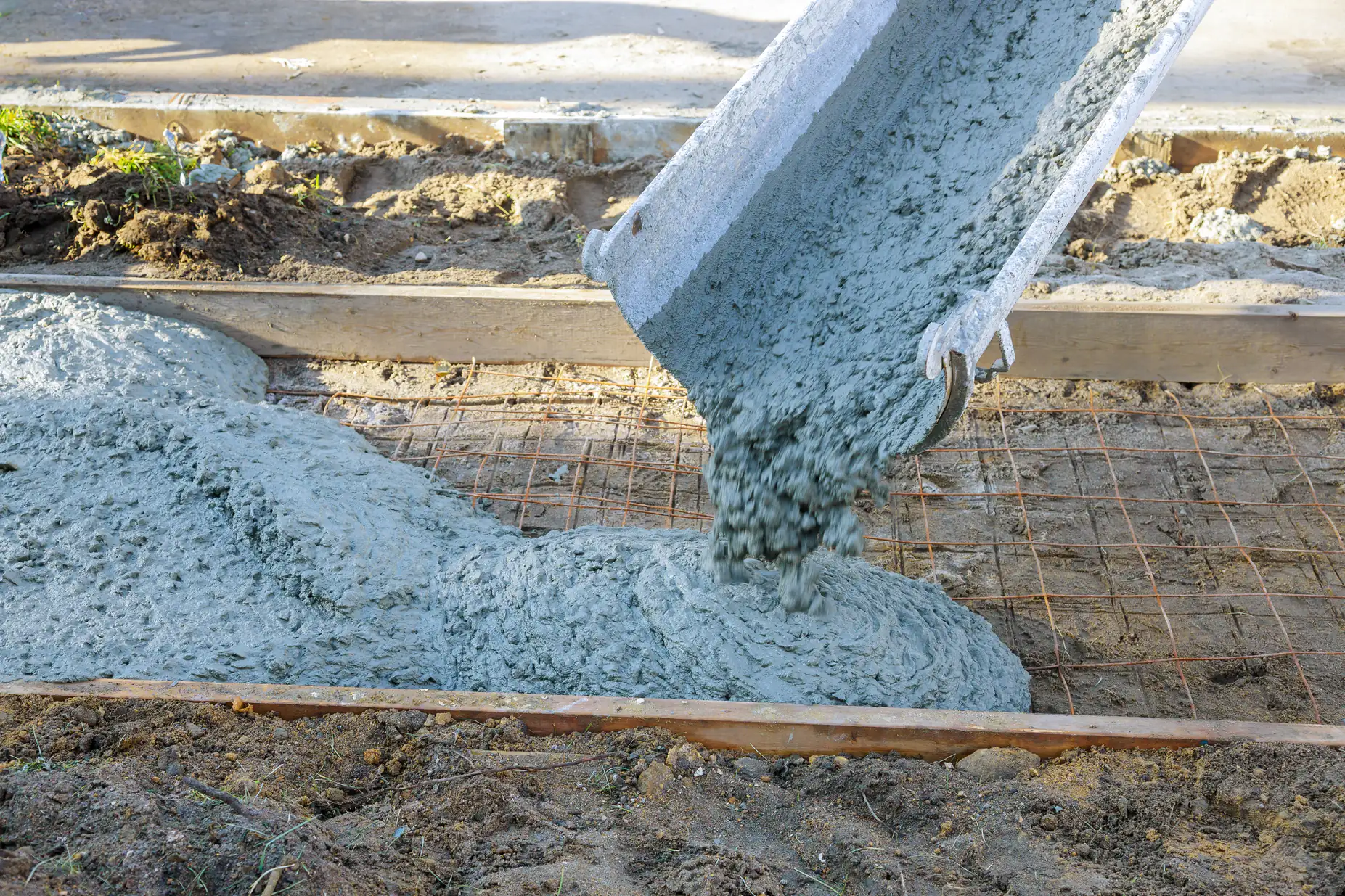
Finally, we apply high-grade hot mix asphalt at proper temperature. Our equipment maintains consistent heat and compaction, eliminating weak spots and seams. For concrete work, we use Portland cement mixes with rebar reinforcement and offer decorative stamped patterns if you want more than basic gray.
You’ll get a 24-48 hour callback on quote requests, and we stick to our schedule. No showing up three weeks late or disappearing mid-project.
Ready to get started?
We handle new pavement construction, resurfacing, repairs, sealcoating, parking lot striping, and drainage corrections. Whether you’re a homeowner with a failing driveway or a property manager dealing with a deteriorating parking lot, we cover residential and commercial work.
Sealcoating creates a protective barrier against winter damage and extends your pavement’s life by 10-15 years. That’s significant when you consider that milling and repaving costs $2.25 to $3.25 per square foot in Morris County. Preventive maintenance isn’t optional here—it’s the difference between a 20-year lifespan and replacing everything in seven.
Crack sealing stops water infiltration before it reaches your base and subgrade. Once water saturates the clay beneath your pavement, you’re looking at expensive change orders to remove and replace wet, unstable materials. Catching cracks early saves thousands.
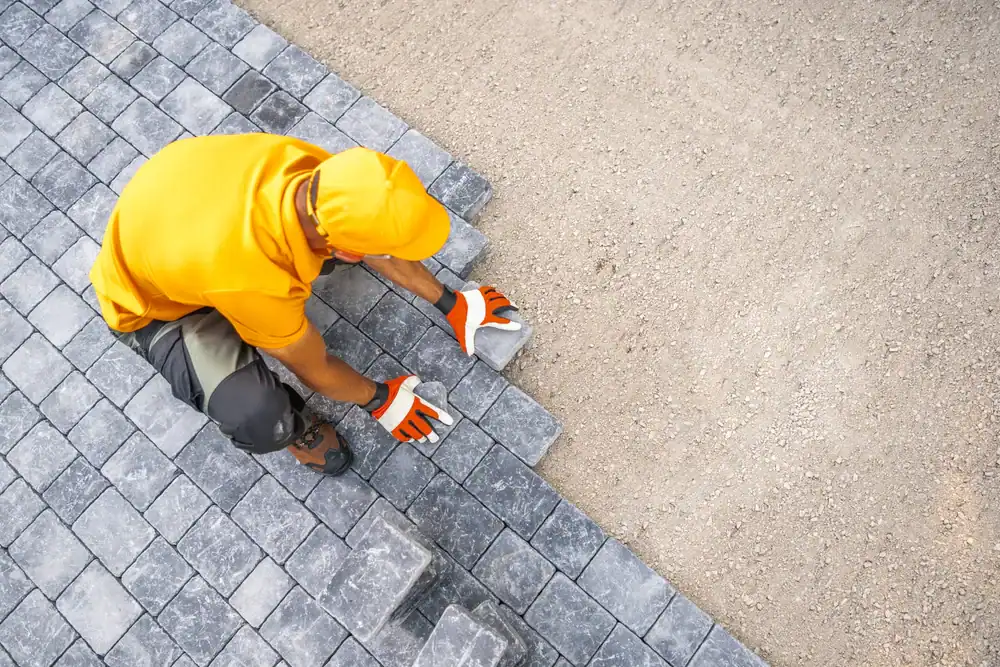
We also handle ADA compliance for commercial properties, parking lot striping that meets local codes, and decorative options like stamped concrete for patios and walkways. Our paver stone installations give you alternatives to traditional asphalt when aesthetics matter more than vehicle traffic.
Properly installed asphalt in Morris County typically lasts 15-20 years with regular maintenance, but that depends entirely on installation quality and how well you protect it from freeze-thaw damage.
Cheap installations fail in 5-7 years here because contractors skip proper excavation depth, use inadequate base materials, or don’t account for our clay soil conditions. When water penetrates through cracks and reaches the subgrade, it saturates the clay and creates instability that destroys the pavement structure from below.
Sealcoating every 2-3 years extends lifespan significantly by preventing water infiltration. Studies show this preventive step adds 10-15 years to your pavement’s life. Crack sealing as soon as you notice damage stops small problems from becoming expensive replacements. The key is addressing issues before winter, when freeze-thaw cycles turn minor cracks into major structural failures.
Wharton experiences 40-50 freeze-thaw cycles each winter, and each cycle damages your pavement if water has infiltrated through cracks or porous surfaces.
Water expands approximately 9% when it freezes. That expansion creates internal pressure that widens existing cracks and generates new ones. When temperatures rise and the ice melts, the crack remains larger than before. This repeats throughout winter, progressively weakening your pavement’s structural integrity.
If your driveway wasn’t installed with proper depth and base materials, it’s even more vulnerable. Morris County’s clay soil expands when wet and contracts when dry, creating movement beneath your pavement. Without adequate base preparation, that movement transfers directly to your asphalt surface, causing cracks that let water in. Once water reaches the base or subgrade, freeze-thaw damage accelerates rapidly. Sealcoating before winter creates a protective barrier that keeps water out and dramatically reduces this cycle.
Verify they’re fully licensed and insured before anything else. Contractors without proper coverage create liability issues if someone gets hurt or property gets damaged during your project.
Ask about their excavation process and base preparation methods. Anyone who doesn’t talk about depth, drainage, and aggregate base materials doesn’t understand Morris County conditions. Proper installation requires removing enough existing material, creating correct slope for drainage, and using base materials that handle freeze-thaw stress.
Check their equipment. Asphalt needs to be applied at around 300°F and worked quickly to prevent seams and weak spots. Contractors with old equipment and small crews can’t maintain proper temperature or achieve consistent compaction, which leads to premature failure.
Get specific details about materials. High-grade hot mix asphalt costs more initially but saves money over time through reduced maintenance and longer lifespan. Cheap materials crack and deteriorate within a few years in our climate. Also confirm they understand local permit requirements and have relationships with municipal officials—projects move faster when your contractor knows the approval process.
Residential driveway paving in Morris County typically runs $2.25-$3.25 per square foot for milling and new asphalt installation, but your actual cost depends on current conditions, drainage issues, and base preparation requirements.
If your existing driveway has drainage problems or the base has deteriorated, expect additional costs to fix those issues. Trying to save money by paving over problems just means you’ll be replacing everything again in a few years. Water damage and poor base preparation are the two biggest reasons driveways fail prematurely here.
Material costs have been volatile recently due to global oil supply issues and diesel price instability. Asphalt is a petroleum product, so prices fluctuate with oil markets. Getting quotes from multiple contractors helps, but focus on installation quality rather than just price. The cheapest bid usually means shortcuts that cost more long-term.
Concrete costs more upfront—usually 30-40% higher than asphalt—but lasts longer and handles freeze-thaw cycles well when properly installed with rebar reinforcement. For decorative stamped concrete, add another 20-30% to base concrete pricing. We provide clear upfront pricing so you know exactly what you’re paying before work starts.
Late spring through early fall gives you the best conditions for sealcoating in Morris County. You need temperatures consistently above 50°F day and night, with no rain in the forecast for at least 24-48 hours after application.
Sealcoating requires time to cure properly. If temperatures drop too low or rain hits before it’s fully cured, the protective barrier won’t bond correctly to your asphalt surface. That defeats the entire purpose and wastes your money.
Most property owners wait until they see significant damage, but that’s backwards. Sealcoating works best as preventive maintenance, applied every 2-3 years starting about a year after new asphalt installation. This creates a barrier that shields your pavement from water infiltration, UV damage, and chemical spills before they cause structural problems.
If you’re seeing cracks, get those sealed first, then sealcoat the entire surface. Crack sealing stops water from reaching your base and subgrade, while sealcoating protects the overall surface. Together, these preventive steps extend your pavement’s life by 10-15 years—significant savings compared to full replacement costs.
Most residential driveway repaving in Wharton doesn’t require a permit if you’re replacing existing pavement within the same footprint, but expanding your driveway, changing drainage patterns, or working near right-of-way areas typically does.
Local regulations vary, and Morris County municipalities have specific requirements about stormwater management, especially for larger paving projects. Commercial parking lots almost always need permits, along with ADA compliance reviews and sometimes traffic pattern approvals.
We maintain relationships with Wharton municipal officials and understand the local permit process. We know what triggers permit requirements, what documentation you need, and how to move applications through approval quickly. This matters because starting work without proper permits can result in fines and requirements to remove completed work.
If your project involves drainage corrections, grading changes, or connections to municipal stormwater systems, expect additional review. These aren’t obstacles—they’re protections that ensure water management doesn’t create problems for neighboring properties. We handle the paperwork and coordinate with local officials so your project stays on schedule without compliance issues.