
Hear from Our Customers

When pavement is installed correctly, you’re looking at 15 to 20 years before you need to think about replacement. That means no premature cracking from freeze-thaw cycles. No drainage issues pooling water against your foundation. No calls to fix what should’ve been done right from the start.
Proper base prep matters more than most contractors will admit. If the stone base isn’t compacted correctly or the asphalt goes down too thin, you’ll see failure within the first few winters. We’re talking about the difference between a 2-inch overlay that crumbles and a properly engineered surface that holds up under snow plows, salt, and everything else North Jersey throws at it.
The other thing that changes? Your property value. Curb appeal isn’t just a nice-to-have when you’re selling. A clean, well-maintained driveway or lot signals that the property has been cared for. Buyers notice. Appraisers notice.
Platinum Paving works across Morris, Sussex, and Somerset Counties. We know the soil conditions here, the drainage patterns, and what mix designs hold up in this climate. That local knowledge matters when you’re choosing materials and planning installation.
We’re licensed, insured, and we carry the coverage New Jersey requires as of 2024—$500,000 in general liability and workers comp. That’s not just paperwork. It’s protection for you if something goes wrong. Too many contractors in this area operate without it, and that risk falls on the property owner.
We also don’t play games with pricing. You get an upfront quote that covers everything. No surprise charges halfway through the job. No pressure to pay large deposits before work starts. Just clear communication and a timeline we actually stick to.

First, we look at your property and talk through what you need. That includes checking drainage, measuring the area, and discussing material options. Asphalt and concrete both work, but the right choice depends on your budget, timeline, and how you’ll use the surface.
Next comes site prep. We excavate to the right depth, install a compacted stone base, and make sure water drains away from structures. This step gets skipped or rushed by a lot of paving companies near me, and it’s where most failures start. If the base isn’t stable, nothing on top of it will last.
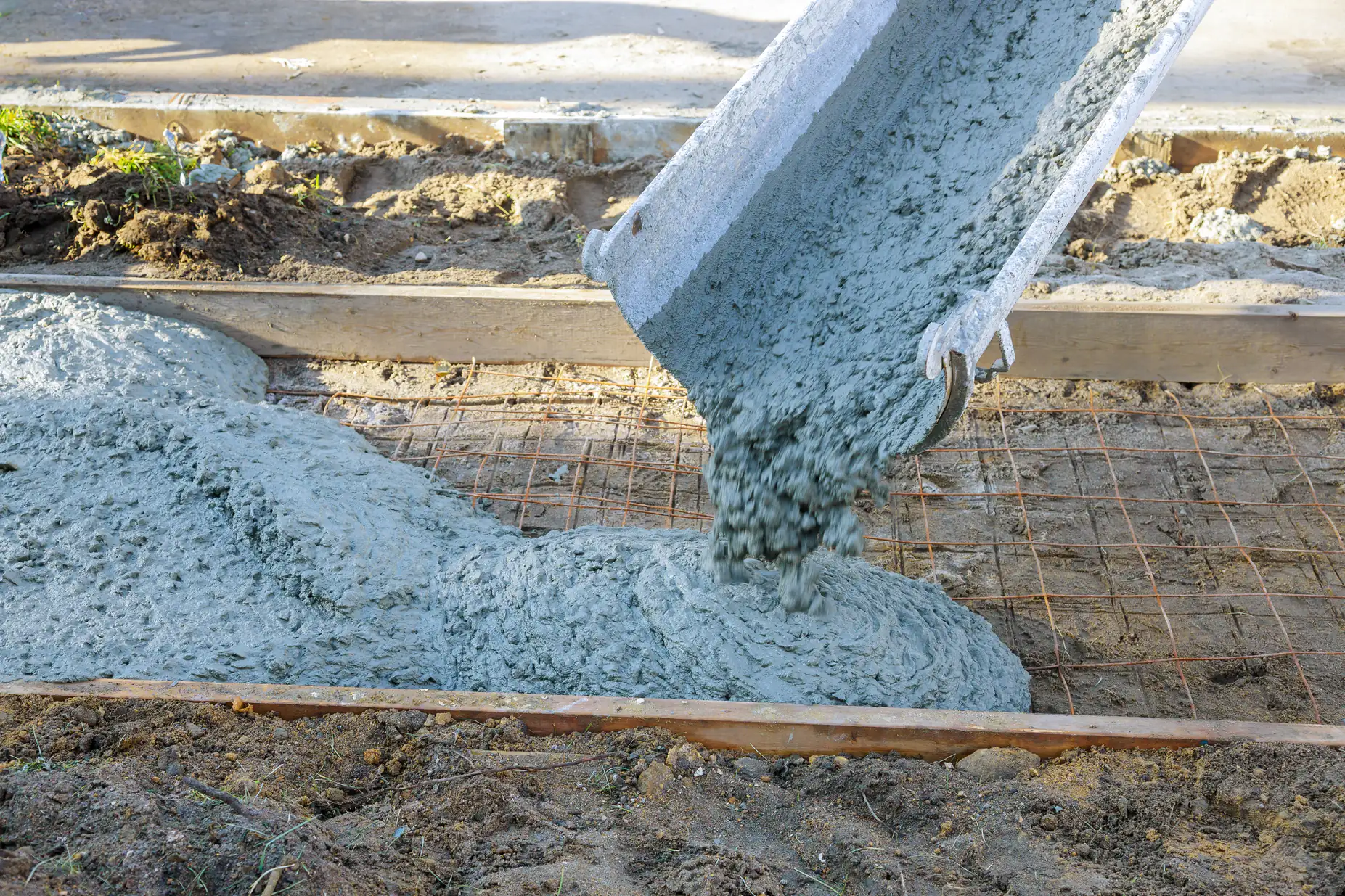
Then we install the surface. For asphalt, that means hot mix applied at the correct temperature and compacted while it’s still workable. For concrete, it’s Portland cement with rebar reinforcement and proper curing time. We don’t cut corners to finish faster.
After installation, we clean up and walk you through maintenance. Sealcoating every few years extends asphalt life. Concrete benefits from joint sealing. Small steps that keep your investment performing the way it should.
Ready to get started?
Every job starts with a site evaluation and written estimate. We’re looking at existing conditions, soil type, and any drainage concerns that need addressing. In Watsessing and surrounding areas like Newark, East Orange, and Somerset, clay soils are common. That affects how we prep the base and what materials we recommend.
For asphalt work, we use high-grade hot mix asphalt that’s engineered for New Jersey’s temperature swings. Thickness matters—we’re typically installing 2 to 3 inches for residential driveways, more for commercial lots that see heavier traffic. The base gets compacted in layers, not dumped and smoothed over.
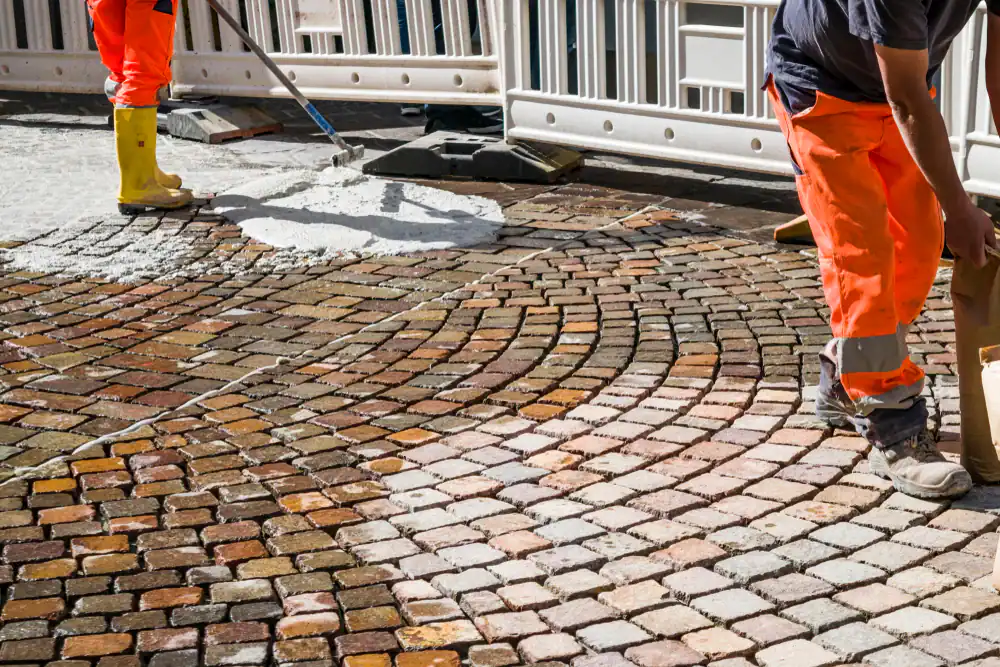
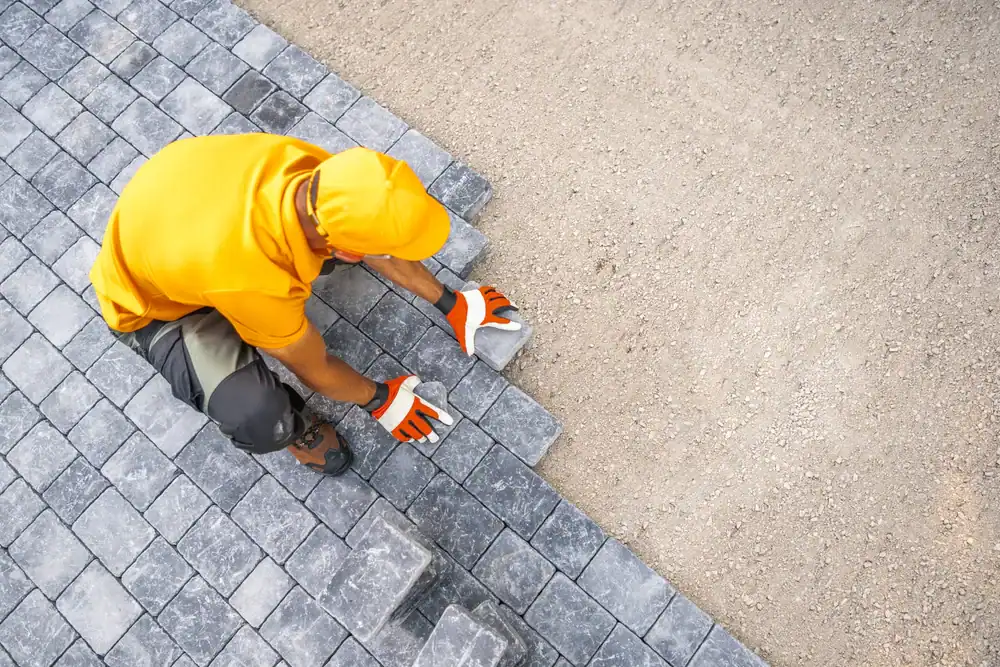
Concrete projects get Portland cement mixes with rebar reinforcement. If you want decorative stamped patterns, we can do that too. It adds visual interest without sacrificing durability. We also handle paver stone patios and walkways if you’re looking to extend your outdoor space.
Maintenance services are available after installation. Sealcoating protects asphalt from UV damage and water penetration. Striping keeps parking lots compliant and organized. Crack sealing prevents small issues from turning into expensive repairs. We’re set up to handle the full lifecycle of your pavement, not just the initial install.
Asphalt typically runs between $3 and $7 per square foot installed, depending on the scope of work and site conditions. A standard two-car driveway in Watsessing—around 600 square feet—usually falls in the $1,800 to $4,200 range. That includes excavation, stone base, and a 2-inch asphalt overlay.
Costs go up if we’re dealing with poor drainage, significant grading work, or thicker asphalt for heavy use. Commercial parking lots cost more per square foot because of striping, ADA compliance, and higher traffic demands. Material costs have climbed over the past few years—asphalt went from around $299 per ton in 2016 to over $460 per ton recently—so pricing reflects that reality.
The cheapest bid isn’t always the best value. If a contractor is coming in way under everyone else, they’re either skipping steps or using substandard materials. You’ll pay for it later in repairs. We price jobs based on doing them right, and we’re upfront about what that includes.
A properly installed asphalt driveway should last 15 to 20 years in New Jersey, assuming regular maintenance. That means sealcoating every 2 to 3 years and addressing cracks before they spread. Without maintenance, you’re looking at closer to 10 years before significant deterioration.
New Jersey’s freeze-thaw cycles are brutal on pavement. Water seeps into small cracks, freezes, expands, and breaks the asphalt apart. If the base wasn’t compacted correctly or the asphalt layer is too thin, that process accelerates. We see driveways fail in 3 to 5 years when corners were cut during installation.
The other factor is drainage. If water pools on the surface or doesn’t drain away from the driveway, it weakens the base over time. That’s why site prep matters so much. A driveway that sheds water properly and has a solid foundation will outlast one that doesn’t, even if they look identical the day they’re installed.
Asphalt costs less upfront and can be installed faster. It’s flexible, which helps it handle freeze-thaw movement without cracking as easily as concrete. The tradeoff is maintenance—you’ll need to sealcoat every few years to protect it from UV damage and water penetration. Asphalt also softens in extreme heat, so heavy vehicles can leave impressions if parked in the same spot repeatedly.
Concrete costs more initially but requires less ongoing maintenance. It’s more rigid, which makes it better for heavy loads, but that rigidity also means it’s more prone to cracking if the ground shifts. Concrete takes longer to cure—usually 7 days before you can drive on it, compared to 24 to 48 hours for asphalt. You can also add decorative finishes like stamping or coloring, which isn’t an option with asphalt.
For most residential driveways in Watsessing, asphalt makes sense if budget is a concern and you’re okay with periodic maintenance. Concrete works well if you want a longer lifespan with less upkeep and you’re willing to pay more upfront. Both perform well when installed correctly.
Most towns in New Jersey require permits for driveway work, especially if you’re changing the size, grade, or drainage. Watsessing and surrounding areas like Bloomfield and Newark have specific requirements around stormwater management and setbacks. Your contractor should handle the permit process, but it’s worth confirming that before work starts.
Permits exist to make sure drainage doesn’t create problems for neighboring properties or overwhelm municipal systems. If your new driveway increases impervious surface area, you may need to add drainage solutions like dry wells or permeable pavers in certain sections. Those requirements vary by town, so local knowledge matters.
Working without a permit can cause issues down the line. If you sell the property, unpermitted work can hold up the sale or reduce your home’s value. Some towns will make you rip out unpermitted driveways and start over. It’s not worth the risk. Any legitimate paving contractor will pull permits as part of the job.
In New Jersey, home improvement contractors must be registered with the state and carry a $500,000 general liability policy plus workers compensation coverage. That’s been the law since 2024, and it’s designed to protect homeowners from fly-by-night operators. Ask for the contractor’s license number and verify it through the New Jersey Division of Consumer Affairs website.
Insurance protects you if someone gets hurt on your property during the job or if the work causes damage. If a contractor doesn’t carry coverage, you could be liable for medical bills or repairs. It’s not just about the contractor’s protection—it’s about yours. Don’t take their word for it. Ask to see the certificate of insurance and call the insurance company to confirm it’s active.
You should also ask for references and check online reviews. Look for patterns in complaints—missed deadlines, poor communication, surprise charges. A few bad reviews aren’t necessarily a dealbreaker, but if the same issues come up repeatedly, that’s a red flag. Legitimate contractors will have a track record you can verify.
Sealcoating is the most important maintenance step for asphalt. It protects the surface from UV rays, water, and chemicals like oil or salt. Plan to sealcoat every 2 to 3 years, starting about 6 to 12 months after installation. New asphalt needs time to cure before the first sealcoat application.
Crack sealing comes next. Small cracks will develop over time—that’s normal. Catch them early and fill them with rubberized crack filler before water gets in and makes them worse. Left alone, small cracks turn into potholes. It’s a cheap fix that prevents expensive repairs later.
Keep the surface clean. Sweep off debris, remove oil stains as soon as they happen, and avoid parking heavy equipment in the same spot for long periods. In winter, use sand instead of excessive salt, which can break down the asphalt binder over time. Plow carefully—metal blades can gouge the surface if they’re set too low. These small habits add years to your driveway’s lifespan.