
Hear from Our Customers

A driveway that doesn’t crack every winter. A parking lot that drains properly instead of pooling water near your entrance. Pavement that looks clean, holds up under traffic, and doesn’t need constant patching.
That’s what happens when base prep is done right. When the asphalt mix is applied at the correct temperature. When drainage is engineered into the design instead of ignored.
Most paving problems don’t start at the surface. They start underneath, where water sits, freezes, expands, and destroys everything above it. New Jersey’s freeze-thaw cycles are brutal. Moisture expands about 10% when it freezes, which turns small cracks into potholes and smooth surfaces into crumbling messes. If your base isn’t graded correctly and your drainage doesn’t move water away fast, you’re looking at expensive repairs within a few years.
Proper paving means fewer callbacks, fewer repairs, and a surface that actually protects your property value instead of hurting it.
We’ve been handling residential and commercial paving projects across Morris, Somerset, and Sussex Counties for more than two decades. We’re a family-owned company that focuses on getting installations right the first time, not rushing through jobs to move onto the next one.
Voorhees sits in a region where winter weather does real damage. We’ve seen what happens when contractors skip proper base preparation or use low-grade materials to save a few bucks. It doesn’t hold up. Our approach is straightforward: use high-grade hot mix asphalt applied at the right temperature, reinforce concrete with rebar, and build in drainage that actually works.
We’re not the cheapest option, and that’s intentional. Cheap paving costs more in the long run when you’re repaving every five years instead of every fifteen.

First, we assess your site. That means looking at drainage patterns, soil conditions, and how water moves across your property. If water doesn’t drain away from your pavement, nothing else matters.
Next comes excavation and base prep. We remove old material if needed, grade the surface properly, and compact the base layer. This is where most contractors cut corners. A solid base is the difference between pavement that lasts and pavement that fails.
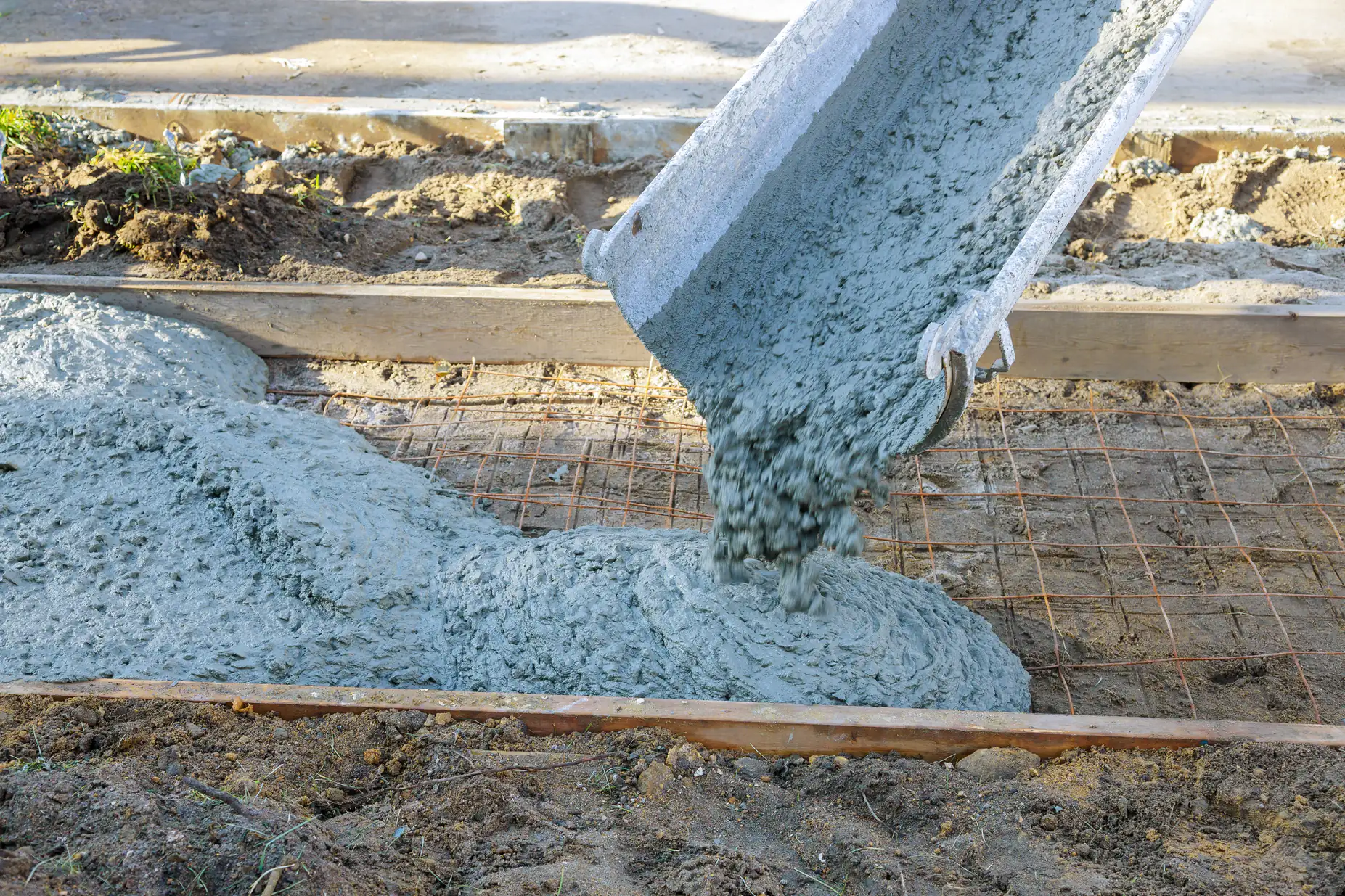
Then we apply high-grade hot mix asphalt at the proper temperature, or pour Portland cement concrete with rebar reinforcement if that’s the better choice for your project. Temperature matters. Mix quality matters. Thickness matters. We don’t guess at these things.
Finally, we handle finishing details: proper compaction, clean edges, and any decorative elements like stamped concrete patterns if that’s part of your plan. You get a clear timeline upfront, and we stick to it. If you request a quote online, expect a callback within 24 to 48 hours.
Ready to get started?
We handle the full scope: residential driveways, commercial parking lots, road resurfacing, patching, and crack filling. If it involves asphalt or concrete pavement, we do it.
For homeowners in Voorhees and surrounding areas, that typically means driveway installation or replacement. Asphalt runs about $5 to $8 per square foot for a standard 600-square-foot driveway. Concrete costs more upfront—around $7 to $13 per square foot—but offers different aesthetic options with decorative stamping.
Commercial clients usually need parking lot construction or resurfacing. These projects require proper drainage design, ADA-compliant striping, and materials that can handle constant vehicle traffic. We use state-of-the-art equipment and materials from leading manufacturers, not bargain-bin leftovers.
Maintenance services matter too. Sealcoating protects asphalt from UV damage and water penetration. Crack filling prevents small issues from becoming expensive problems. We recommend summer for preventive maintenance because heat helps sealers bond properly, and you want repairs finished before the first frost hits.
Voorhees is close enough to Morris County that weather patterns are similar: cold winters, hot summers, and plenty of moisture. Your pavement needs to handle all of it without breaking down.
A properly installed asphalt driveway in New Jersey should last 15 to 20 years with regular maintenance. That means sealcoating every few years and filling cracks before they turn into potholes.
The lifespan depends entirely on installation quality. If the base isn’t compacted correctly or drainage is poor, you’ll see problems within five years. New Jersey’s freeze-thaw cycles are harsh. Water gets into cracks, freezes, expands, and destroys pavement from the inside out.
Regular maintenance extends life significantly. Ignoring small cracks leads to water infiltration, base damage, and eventually full replacement. Catching issues early costs a fraction of what repaving costs.
Asphalt costs less upfront and handles freeze-thaw cycles better because it’s flexible. Concrete costs more but lasts longer and offers decorative options like stamping and coloring.
Asphalt is petroleum-based, so it flexes slightly when temperatures change. That flexibility helps it survive New Jersey winters without cracking as easily as concrete. It also cures faster—usually ready for traffic within a day or two.
Concrete is rigid and more prone to cracking in cold climates, but it doesn’t need sealcoating and holds up better under extreme heat. If aesthetics matter and budget allows, stamped concrete gives you patterns and colors that asphalt can’t match. Both materials work fine in Voorhees if installed correctly. The choice comes down to budget, appearance preferences, and how much maintenance you’re willing to do.
Cracks happen when water gets underneath the pavement, freezes, and expands. If your base wasn’t prepared correctly or drainage is poor, water sits under the surface and destroys it from below.
New Jersey winters cause moisture to expand about 10% when it freezes. That expansion force is strong enough to lift pavement, widen cracks, and create potholes. Once a crack forms, more water gets in, and the cycle accelerates.
Poor drainage makes this worse. If water pools on your driveway instead of running off, it’s constantly seeping into any weak points. Proper base preparation and grading prevent this. Sealcoating helps too, but it’s not a fix for structural problems. If your driveway cracks every year, the issue is likely underneath, not on top.
Asphalt driveways typically cost $5 to $8 per square foot. A standard 600-square-foot driveway runs between $3,000 and $4,800. Concrete costs more—around $7 to $13 per square foot, or $4,200 to $7,800 for the same size.
Price depends on site conditions, material choice, thickness, and any prep work needed. If we’re removing old pavement, dealing with drainage issues, or working on a steep grade, costs go up.
We give clear upfront pricing with no surprise charges. Some contractors lowball estimates to win jobs, then add fees later. We don’t operate that way. You’ll know what the project costs before we start, and that number won’t change unless you change the scope.
Late spring through early fall is ideal. Asphalt needs temperatures above 50°F to cure properly. Concrete needs time to set before freezing temperatures hit.
Summer is best for sealcoating and crack filling because heat helps materials bond. If you’re planning a full installation, aim to finish before the first frost. Once temperatures drop, repairs become difficult and curing takes longer.
Timing matters more than most people realize. Rushing a job in cold weather leads to poor adhesion, incomplete curing, and premature failure. If a contractor is willing to pave your driveway in December, that’s a red flag. We’d rather wait until conditions are right than install pavement that won’t last.
Most residential driveway projects don’t require permits if you’re replacing existing pavement within the same footprint. If you’re expanding your driveway, changing drainage patterns, or working near the street, you might need approval from local authorities.
Commercial projects almost always require permits, especially for parking lots. ADA compliance, stormwater management, and zoning regulations all come into play.
We handle permit research and applications when needed. Local requirements vary, and it’s easy to miss something if you’re not familiar with Voorhees regulations. Getting caught without proper permits can delay your project and cost extra fees. We make sure everything is squared away before work starts.