
Hear from Our Customers

You’re tired of watching your driveway crack wider every winter. Water gets in, freezes, expands, and turns small cracks into expensive problems. By next spring, you’re looking at potholes.
That cycle stops when the pavement is installed correctly from the start. Proper grading prevents water from pooling. The right base material keeps everything stable through freeze-thaw cycles. High-grade hot mix asphalt applied at the correct temperature bonds properly and flexes with temperature swings instead of cracking apart.
When your driveway or parking lot is engineered for Morris County’s climate, you’re not patching it every year. You’re not dealing with standing water. You’re not worrying about liability from potholes in your commercial lot. The surface stays smooth, functional, and safe for decades.
We’ve been paving driveways, parking lots, and roadways in Morris County for more than two decades. That means we’ve seen what works here and what fails after one winter.
Victory Gardens properties face the same challenges as the rest of Morris County—heavy freeze-thaw cycles, summer heat that dries out asphalt, and drainage issues that turn into expensive repairs. We’ve handled hundreds of projects in this area, so we know exactly how to prep your site, grade for proper drainage, and choose materials that hold up.
You’ll work directly with experienced crews who show up on time, finish within the agreed schedule, and give you upfront pricing with no surprise charges. We’re licensed, insured, and locally grounded in the communities we serve.

Every job starts with site evaluation. We look at your existing surface, check drainage patterns, and identify any base issues that need fixing before new pavement goes down. If water’s been pooling or the ground’s unstable, we address it now so your new surface doesn’t fail in two years.
Next comes excavation and base prep. We remove old, damaged material and install a robust aggregate base that’s properly compacted. This is the foundation that keeps your pavement from sinking or cracking. We grade everything to direct water away from your home or building.
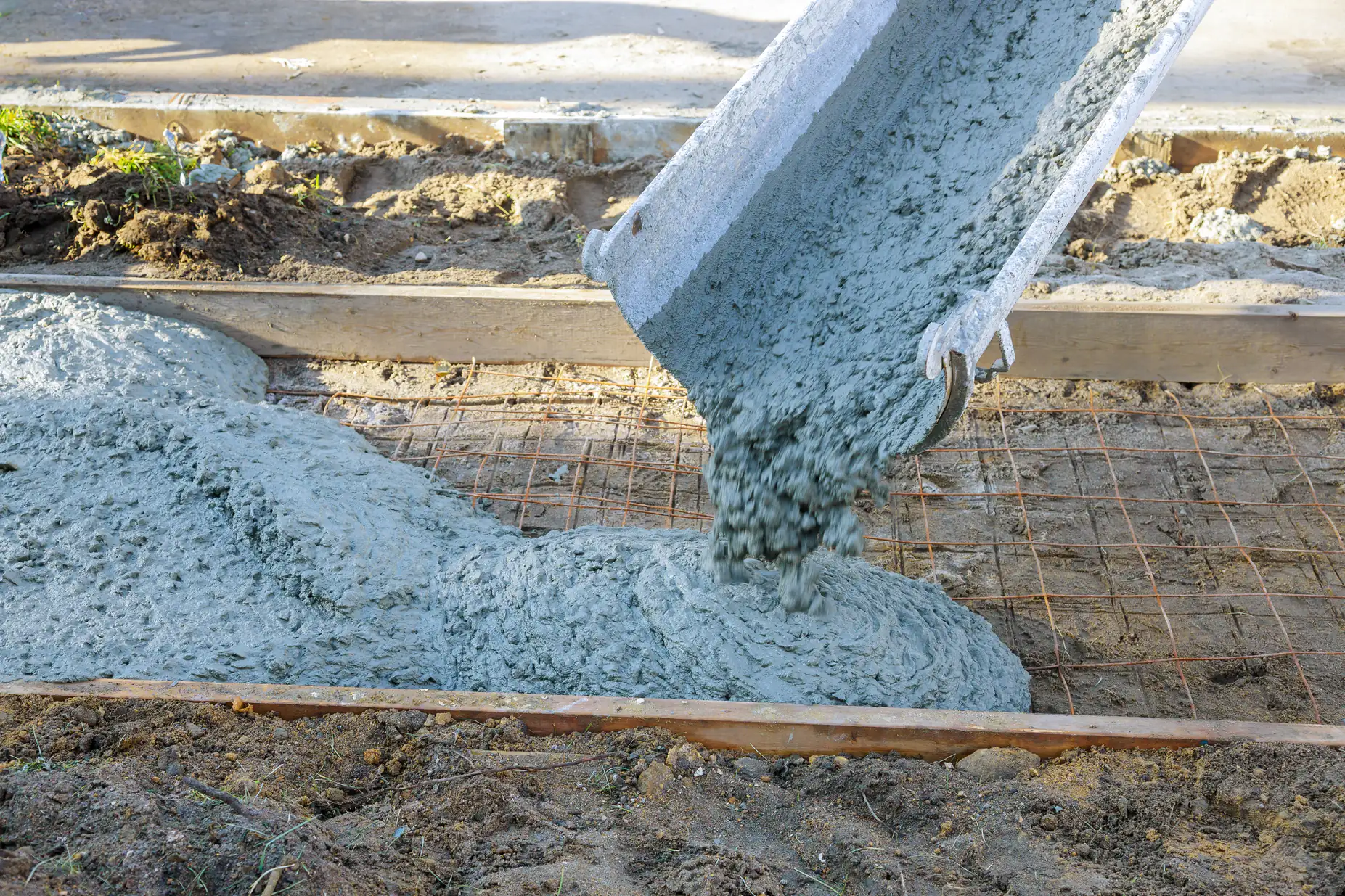
Then we apply the asphalt or pour the concrete. For asphalt, we use high-grade hot mix applied at the right temperature so it compacts evenly and bonds correctly. For concrete, we use Portland cement mixes with rebar reinforcement for added strength. Once it’s down, we compact and finish the surface to the correct slope and smoothness.
You get a surface that’s ready to handle traffic, weather, and years of use without constant repairs.
Ready to get started?
We handle both residential and commercial paving projects. That includes new driveway installation, parking lot construction, road resurfacing, patching, and sealcoating. If you need decorative stamped concrete or paver patios, we do that too.
For homeowners in Victory Gardens, a properly installed driveway means no more spring crack repairs or water damage. For businesses, it means ADA-compliant parking lots that protect you from liability and keep customers coming back instead of avoiding your cracked, pothole-filled lot.
Morris County’s climate is tough on pavement. You’re dealing with some of the highest freeze-thaw cycles in New Jersey. Summer sun dries out asphalt and makes it brittle. Winter snow and ice create constant expansion and contraction. If your pavement wasn’t installed with proper drainage and the right materials, it won’t last.
We also offer maintenance services like crack sealing and sealcoating. Crack sealing as preventative maintenance can extend your parking lot’s life by 10 to 15 years. Sealcoating protects against UV damage and water infiltration. Both are a lot cheaper than full replacement.
A well-installed asphalt driveway in Morris County can last 20 years or more with proper maintenance. That includes periodic sealcoating every few years and crack sealing when small cracks appear.
If the driveway wasn’t installed correctly—poor base prep, bad drainage, low-grade materials—you might only get 10 years before you’re looking at major repairs or full replacement. New Jersey’s freeze-thaw cycles are brutal, so the installation quality matters more here than in milder climates.
Regular maintenance makes a huge difference. Sealcoating protects the surface from UV damage and water infiltration. Crack sealing stops small cracks from turning into potholes. Ignoring maintenance cuts your driveway’s lifespan in half.
Asphalt is more flexible, which helps it handle freeze-thaw cycles without cracking as easily. It’s also faster to install and costs less upfront. You can drive on it within a day or two. Asphalt does need sealcoating every few years to stay protected.
Concrete is more rigid and can last longer without maintenance, but it’s more prone to cracking in cold climates if it’s not reinforced properly. It costs more upfront and takes longer to cure—usually about a week before you can drive on it. Concrete also offers decorative options like stamping and coloring.
For Victory Gardens, both work if they’re installed correctly with proper drainage and a solid base. Asphalt is the more common choice for residential driveways because it’s cost-effective and handles our winters well. Concrete makes sense if you want a decorative look or plan to stay in the home long-term.
Poor drainage design. Your driveway either wasn’t graded correctly when it was installed, or the ground has settled over time and changed the slope. Water needs somewhere to go, and if the surface is flat or slopes toward your house, it’s going to pool.
Standing water is a serious problem. It seeps into cracks, freezes in winter, expands, and creates bigger cracks and potholes. It also weakens the base material underneath, which leads to sinking and more drainage issues.
Fixing it means regrading the surface or installing drainage solutions like catch basins or subsurface drains. Sometimes you can resurface and adjust the slope. Other times, you need to tear out sections and rebuild with proper grading. Either way, ignoring it makes the problem worse and more expensive every year.
It depends on the size, current condition, and what needs to be done. A standard two-car driveway might run anywhere from a few thousand to several thousand dollars. If your base is damaged or drainage needs major work, costs go up.
We give you an upfront quote that breaks down exactly what’s included—excavation, base prep, materials, labor, grading, everything. No surprise charges later. You’ll know what you’re paying for before we start.
The cheapest bid isn’t always the best choice. If a contractor skips base prep or uses low-grade materials, you’ll pay for it in repairs within a few years. A properly installed driveway costs more upfront but saves you money over 20 years because you’re not constantly fixing it. Get a few quotes, ask what’s included, and make sure the contractor is licensed and insured.
Spring and early summer are ideal. Asphalt needs warm temperatures to install correctly—ideally above 50 degrees. Cold weather makes it harder to compact properly, and the material doesn’t bond as well.
Late summer can work, but you want to avoid the heavy rains that hit in July and August. Fall is okay if temperatures stay warm, but you’re racing against the calendar before it gets too cold. Winter paving is possible for emergency repairs, but it’s not ideal for full installations.
If you’re planning a new driveway or major resurfacing, schedule it for spring. That gives the pavement time to cure and settle before winter hits. It also means contractors have more availability and you’re not rushing the job.
Most residential driveway projects don’t require a permit if you’re repaving an existing driveway in the same footprint. If you’re expanding the driveway, changing drainage patterns, or working near the street, you might need approval from the town.
Commercial projects almost always require permits, especially if you’re adding parking spaces, changing traffic flow, or doing work that affects stormwater management. ADA compliance is also required for commercial lots, which means specific slope requirements and accessible parking space dimensions.
We handle permit coordination if your project needs it. We’ll let you know upfront if permits are required and what the process looks like. The last thing you want is to finish a project and find out it doesn’t meet local codes.