
Hear from Our Customers

You’re not just getting a smooth surface. You’re getting a foundation that won’t crack apart after one winter, drainage that directs water away from your property, and a finished look that doesn’t embarrass you when clients or neighbors pull up.
Most paving companies near you will quote the surface work. The ones worth hiring talk about what’s underneath first. That’s where longevity lives—in the base preparation, the compaction, the grading that prevents water from pooling and freezing.
When the job’s done right, you’re looking at years before you need sealcoating. You’re avoiding the pothole patches and edge crumbling that come from rushed work. And if you’re a business owner in Vauxhall or Union County, you’re giving customers a first impression that doesn’t scream “deferred maintenance.”
We operate across Morris, Union, Sussex, and Somerset Counties. We’re not a crew passing through with a truck and a shovel. We’re based in Morris County, and we’ve paved driveways, parking lots, and commercial sites throughout this part of New Jersey for years.
Vauxhall sits in Union County, where properties range from single-family homes to small commercial plazas. The median home value here is around $343,700, and most homeowners aren’t looking to overpay for work that won’t last. You want clear pricing, reliable scheduling, and someone who shows up when they say they will.
That’s what we do. No runarounds. No equipment excuses. Just honest communication and work that holds up.

First, we come out and look at your site. We’re checking the existing surface, drainage patterns, soil conditions, and how much excavation is actually needed. If the base is shot, we tell you. If it’s salvageable, we tell you that too.
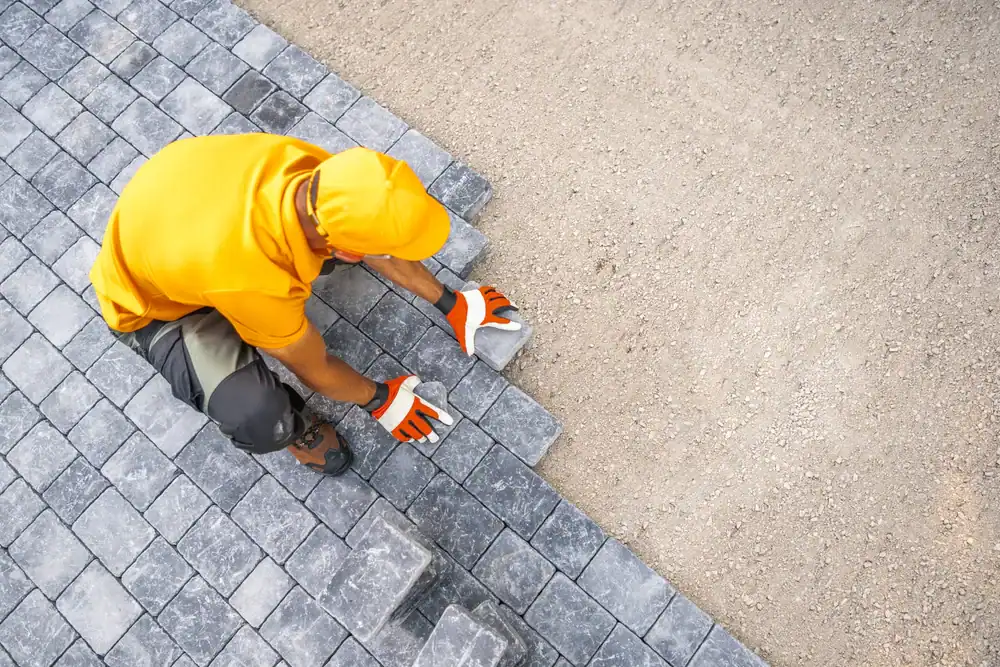
Once you approve the estimate, we schedule the work—and we stick to it. We don’t overbook and leave you waiting. On day one, we excavate and haul away old material if needed. Then we build up the base with compacted stone, grading it so water moves away from structures.
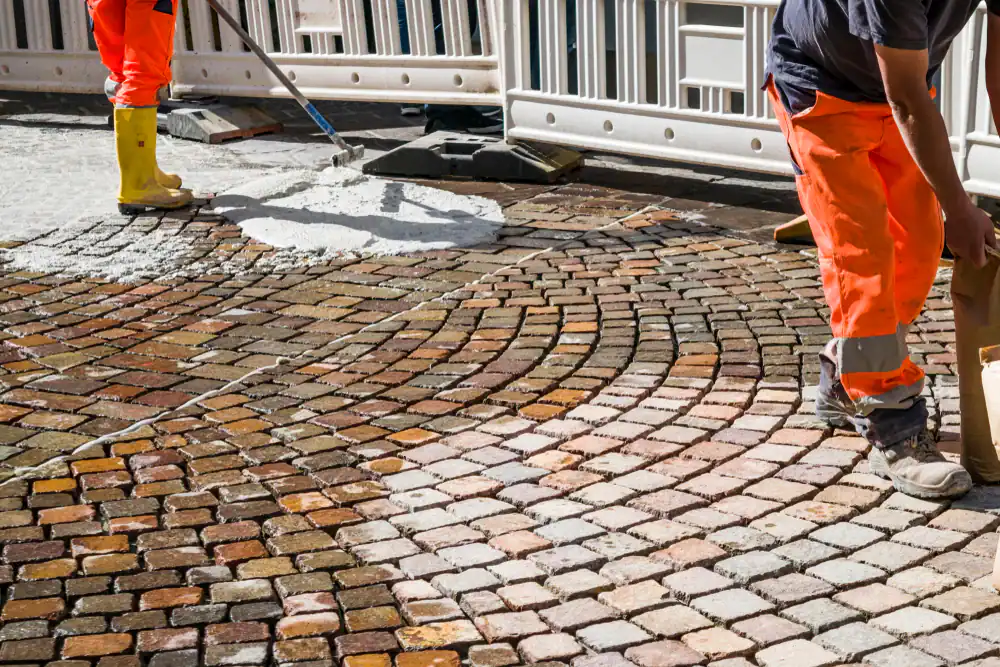
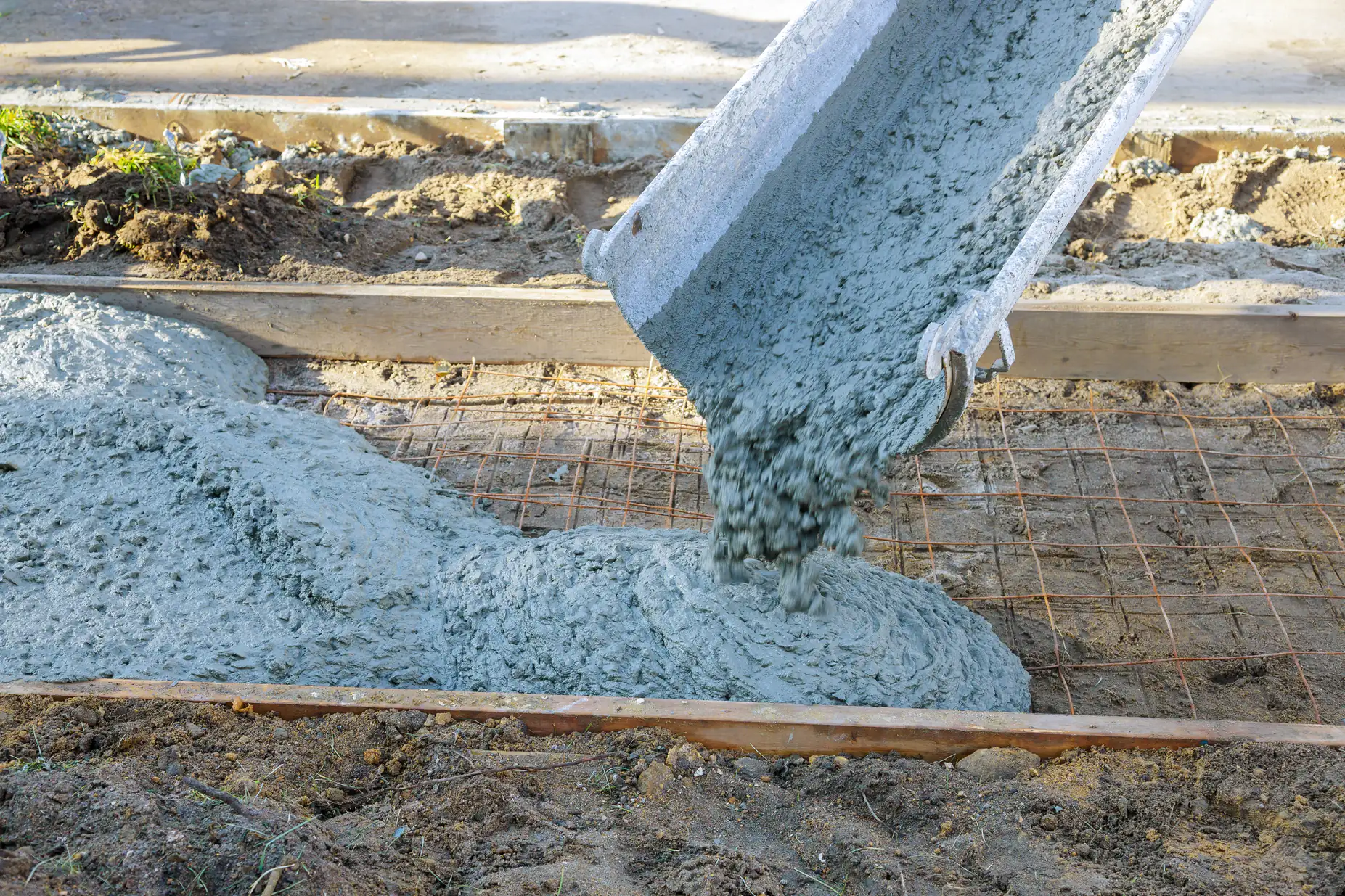
For asphalt paving, we use high-grade hot mix asphalt applied at the right temperature. It’s not just dumped and smoothed. It’s rolled, compacted, and finished so the surface is even and durable. For concrete work, we use Portland cement mixes with rebar reinforcement where it makes sense—driveways that see heavy vehicles, areas prone to settling, or anywhere you want extra strength.
After the surface cures, we clean up and walk you through any maintenance tips. You’ll get a callback guarantee if you requested a quote online—24 to 48 hours, no chasing us down.
Ready to get started?
You’re getting more than a paving crew. You’re getting site evaluation, material selection based on your specific use case, proper base prep, and a finished surface that meets New Jersey climate demands.
Vauxhall winters are cold. Summers hit hard with UV exposure. That means we’re selecting asphalt binder grades and aggregate mixes that handle temperature swings. We’re not using the same spec for a residential driveway that we’d use for a commercial parking lot with daily truck traffic.
If you want decorative work—stamped concrete patterns for a patio or walkway—we do that too. If you need a full parking lot restriped after repaving, we handle it. And if you’re comparing paving contractors and one quote seems way cheaper than the rest, ask what’s missing. It’s usually the base work, the proper compaction, or the material grade.
We also operate with full insurance and state registration. New Jersey’s 2024 contractor bonding requirements mean you have financial protection if something goes wrong. We carry at least $500,000 in general liability per occurrence and workers comp coverage. You’ll get proof of that before we start.
A properly installed asphalt driveway in Vauxhall should last 15 to 20 years before it needs replacement. That assumes you’re sealcoating every 3 to 5 years and addressing small cracks before they spread.
The lifespan depends heavily on the base. If the contractor skips proper excavation and compaction, you’ll see cracking and settling within a few years. New Jersey freeze-thaw cycles are brutal on weak foundations. Water seeps in, freezes, expands, and breaks apart the pavement from below.
Traffic load matters too. A residential driveway with two cars will outlast a commercial lot with delivery trucks. But even high-traffic areas hold up when the base is built right and the asphalt mix is appropriate for the load.
Asphalt is faster to install, costs less upfront, and handles freeze-thaw cycles better because it flexes slightly. Concrete is more durable long-term, offers decorative options like stamping, and doesn’t need sealcoating. Both work in Vauxhall—it’s about your priorities.
If you want the lowest initial cost and don’t mind periodic sealcoating, asphalt makes sense. It’s ready to drive on in a day or two, and repairs are straightforward. If you want a surface that lasts 30+ years with minimal maintenance and you’re willing to pay more upfront, concrete is the better call.
Concrete also gives you design flexibility. You can stamp patterns, add color, or create borders. Asphalt is black. That’s it. For commercial properties, asphalt is usually the go-to because it’s cost-effective and easy to patch. For residential driveways where curb appeal matters, concrete gets more consideration.
Asphalt driveways in Union County typically run $3 to $7 per square foot installed, depending on base prep and site conditions. Concrete costs more—usually $8 to $15 per square foot. A standard two-car driveway is around 600 square feet, so you’re looking at $1,800 to $4,200 for asphalt or $4,800 to $9,000 for concrete.
Those ranges assume the base is in decent shape and doesn’t need major excavation. If we’re digging out a failed driveway and rebuilding from scratch, costs go up. Same if there’s drainage work, grading issues, or difficult access for equipment.
The cheapest quote isn’t always the best deal. Contractors who underbid often cut corners on base depth, compaction, or material quality. You’ll pay less now and more later when the driveway fails early. We price based on doing it right the first time, which means you’re not calling us back in three years to fix preventable problems.
Late spring and early fall are ideal for paving in New Jersey. You want temperatures consistently above 50°F at night and dry weather for at least 24 hours after installation. That usually means late April through June or September through October.
Summer works too, but extreme heat can make asphalt harder to work with, and it cures faster, which gives less time for proper finishing. Winter is out—asphalt needs warmth to compact and bond correctly. If it’s too cold, the material won’t adhere properly and you’ll get premature failure.
Rain is the other factor. Fresh asphalt needs time to set before it gets soaked. We watch forecasts closely and won’t start a job if rain is coming within the cure window. Concrete is a bit more forgiving with temperature but still needs mild conditions for proper curing. If you’re planning paving work in Vauxhall, reach out in early spring to get on the schedule before the busy season fills up.
Most residential driveway paving in Vauxhall doesn’t require a permit if you’re repaving an existing driveway in the same footprint. If you’re expanding the driveway, changing drainage patterns, or working near the street, you may need approval from the local building department or Union County.
Commercial paving almost always requires permits, especially for parking lots or areas that affect stormwater runoff. New Jersey has strict stormwater management rules, and municipalities enforce them. If your project increases impervious surface area, you might need a drainage plan.
We can help you figure out what’s required. Every town has slightly different rules, and Union County adds another layer for certain projects. It’s worth a quick call to the Vauxhall building office before you start. Getting caught without a permit can mean fines and having to redo work, which costs more than just pulling the permit upfront.
Check three things: state registration, insurance, and references. All paving contractors in New Jersey are required to register with the state and carry liability and workers comp insurance. Ask for proof. If they hesitate or make excuses, walk away.
New Jersey’s 2024 bonding requirements add another layer of protection. Contractors must provide certificates showing at least $500,000 in general liability coverage per occurrence. That protects you if someone gets hurt on your property or if the work damages something. Their license number should be on all paperwork, ads, and vehicles.
References matter too, but don’t just take a list of names. Look for recent projects in your area. Drive by and see how the work looks a year or two later. Check online reviews, but read between the lines—one bad review isn’t a dealbreaker, but patterns of no-shows, price changes, or shoddy work are red flags. And if a quote seems too good to be true, it probably is. Contractors who lowball often cut corners or disappear mid-project.