
Hear from Our Customers

Your driveway shouldn’t crack after three winters. It shouldn’t pool water near your foundation or look dated when everything else about your home is dialed in.
When pavement is installed correctly with the right materials for Morris County weather, it handles the freeze-thaw cycles we get here. Water drains where it’s supposed to. The surface stays smooth and professional-looking for decades, not years.
That means fewer repair calls. No embarrassing first impressions when clients or guests pull up. And real protection for a property investment that likely exceeds a million dollars.
You’re not just getting blacktop laid down. You’re getting a surface engineered for Upper Montclair’s terrain, climate, and the standards your neighborhood expects.
We’ve worked on Morris County properties since the early 2000s. We’re not new to Upper Montclair’s elevation changes, drainage challenges, or the fact that your driveway needs to look as good as your landscaping.
We’re fully licensed and insured with comprehensive liability coverage. Every estimate comes with proof of insurance and workers’ comp documentation because that’s what protects you if something goes wrong.
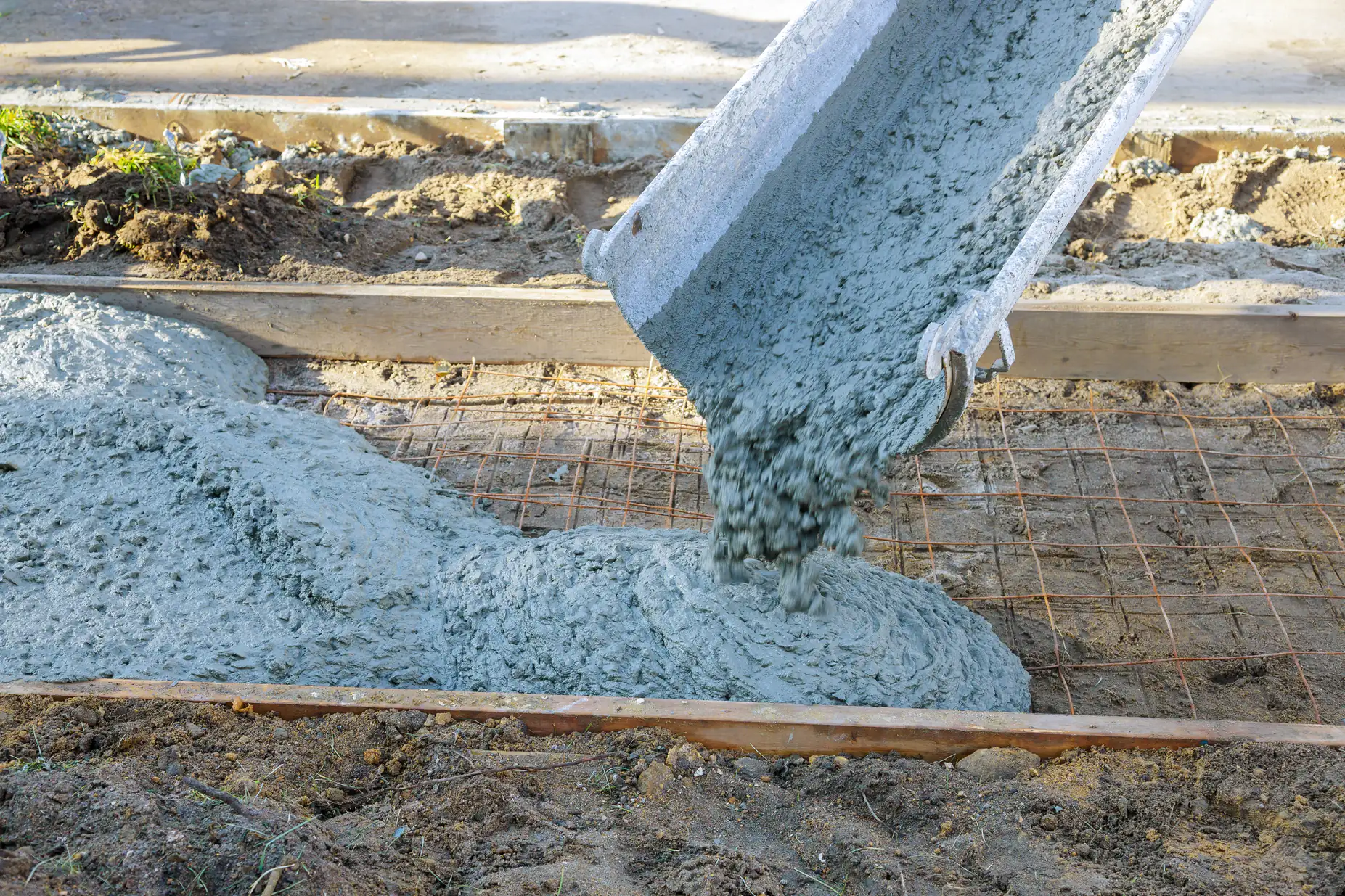
Our crew knows the difference between a quick patch job and proper installation. We use high-grade hot mix asphalt applied at the right temperature and Portland cement mixes with rebar reinforcement when concrete makes more sense. The work gets permitted when required, and we coordinate with Montclair’s Engineering Department so you don’t have to.

First, we assess your property in person. That means looking at drainage patterns, soil stability, and any existing damage. If water’s pooling somewhere or your base is compromised, we need to know before we pave.
Next, you get a detailed estimate with material specs and a timeline. No vague line items. If we’re excavating, you’ll know how deep and why. If we’re adding stone base or adjusting grade for drainage, it’s spelled out.
Once you approve, we handle permits if needed and schedule the work. For driveways, most jobs take two to four days depending on size and weather. Larger commercial projects get phased to minimize disruption.
We prep the site, lay the base, compact everything properly, and apply asphalt at the correct temperature or pour concrete with rebar reinforcement. Then we grade the surface so water moves away from your foundation. You’ll know when it’s safe to drive on and what maintenance looks like going forward.
Ready to get started?
Every project starts with a site evaluation. We’re checking for drainage issues specific to Upper Montclair’s terrain and the 49 inches of annual precipitation this area gets. Poor drainage is the number one reason pavement fails early.
You’ll get material options based on your property type. Residential driveways typically use hot mix asphalt designed for New Jersey’s winter lows around 10°F. Commercial parking lots might need thicker asphalt or reinforced concrete depending on traffic load. We also offer decorative stamped concrete if you want patterns that complement your home’s aesthetic.
The work includes proper base preparation, grading for water runoff, and compaction that meets engineering standards. If your existing surface needs removal, that’s handled first. If you need curbing, aprons, or transitions to existing pavement, those get integrated.
You’ll also get a clear timeline and communication throughout. We don’t disappear for days or leave your property half-finished. And if you’re in one of Upper Montclair’s neighborhoods where appearance matters, we coordinate work to minimize disruption and clean up daily.
Properly installed asphalt typically lasts 15 to 20 years in Morris County if it’s maintained. That means sealcoating every few years and addressing small cracks before they become big problems.
Upper Montclair’s freeze-thaw cycles are tough on pavement. When water seeps into cracks, freezes, and expands, it breaks down asphalt faster. That’s why the base preparation and drainage matter so much upfront.
If your driveway was installed without proper compaction or grading, you might see failure in five years or less. But when it’s done right with high-grade materials and correct installation temperature, you’re looking at decades of performance.
Asphalt is more flexible and handles freeze-thaw cycles better, which matters here. It’s also faster to install and typically costs less upfront. You’ll need to sealcoat it every two to three years to protect the surface.
Concrete is more rigid and can crack if the ground shifts, but it lasts longer overall—often 30+ years. It handles heavy loads well and offers decorative options like stamping and coloring. Maintenance is minimal, but repairs are more expensive when needed.
For most Upper Montclair homes, asphalt makes sense for driveways because of cost and climate performance. Concrete works well for patios, walkways, or areas where you want a specific look. We’ll walk through both options based on your property and budget.
Most paving projects in Montclair require a permit, especially if you’re changing the footprint, grade, or drainage pattern. Even simple repaving often needs approval from the Engineering Department.
The permit process ensures work meets local codes for stormwater management and doesn’t create drainage issues for neighboring properties. It also confirms that contractors are licensed and insured.
We handle permit applications as part of the project. You’ll need to provide property information and approve the plans, but we manage the paperwork and coordination. Skipping permits can lead to fines and problems when you sell your home, so it’s worth doing correctly.
Spring through early fall is ideal—typically late April through October. Asphalt needs warm, dry weather to cure properly. We’re looking for temperatures consistently above 50°F, ideally 70°F or higher.
Winter paving is possible but not recommended. Cold temperatures prevent asphalt from compacting correctly, which compromises durability. Rain delays projects because moisture in the base layer causes premature failure.
If you’re planning a project, reach out in early spring to get on the schedule. Summer and early fall book up fast, especially in areas like Upper Montclair where there’s high demand for quality paving contractors. Late-season projects are possible but weather-dependent.
Drainage assessment happens before we touch your driveway. We’re looking at how water currently flows across your property, where it pools, and whether it’s moving toward or away from your foundation.
If there are issues, we adjust the grade during installation. That might mean sloping the driveway differently, adding catch basins, or creating channels that direct water to appropriate runoff areas. For properties with significant elevation changes, we sometimes install French drains or other subsurface solutions.
Upper Montclair’s terrain makes drainage critical. Homes here often sit on slopes or have complex grading. Ignoring drainage during paving leads to water damage, foundation problems, and pavement that deteriorates in a few years instead of decades. We build it right the first time.
First, verify they’re licensed and insured. Ask for proof of liability insurance and workers’ compensation coverage. If someone gets hurt on your property and the contractor isn’t covered, you’re liable.
Second, get a detailed written estimate. Vague quotes lead to surprise charges. You want material specs, timeline, and exactly what’s included. If they’re excavating or adding base material, it should be spelled out.
Third, ask about their process for drainage and base preparation. Any paving contractor can lay asphalt. Not all of them engineer the project so it lasts. If they’re not asking questions about your property’s drainage or soil conditions, that’s a red flag. Check references from recent projects in Morris County and make sure they pull permits when required.