

Hear from Our Customers

You’re not just getting fresh blacktop. You’re getting a surface that drains properly, doesn’t crack apart by February, and actually holds up to the punishment North Jersey dishes out.
Most paving companies near me will slap down asphalt without addressing what’s underneath. That’s how you end up with a driveway that looks great for six months, then starts breaking apart. The ground around Sussex doesn’t drain naturally in most spots. Water sits, freezes, expands, and destroys whatever’s on top of it.
When we handle your project, the base gets built correctly first. Proper grading. Adequate drainage. Then we apply high-grade hot mix asphalt at the right temperature so it compacts properly and bonds the way it should. You’re left with a surface that handles traffic, weather, and time without constant repairs.
We operate throughout Morris, Sussex, and Somerset counties. We’re not a crew that rolls through in spring and disappears by summer. We’re based in Morris County, and we’ve been handling residential and commercial paving work across this region for years.
That matters because Sussex County weather isn’t like the rest of New Jersey. You get more freeze-thaw cycles than areas south of here. Lake Hopatcong, Newton, Sparta—these areas see temperature swings that require different installation methods and material choices. We know what works here because we’ve seen what fails.
You’ll work with local crews who understand the terrain, the climate, and the building requirements specific to this area. We’re here when you need maintenance, adjustments, or answers—not just during the initial install.

First, we come out to look at your property. Not just the surface—we’re checking drainage, slope, base condition, and how water moves around your driveway or parking lot. Most problems start below the asphalt, so that’s where we focus first.
Once we understand what you’re dealing with, you get a detailed quote. It breaks down the work, materials, timeline, and cost. No surprises later. If your base needs rebuilding, we tell you. If drainage improvements are necessary, that’s in the estimate.
When the job starts, we prep the site correctly. That means excavation if needed, grading for proper water flow, and compacting the base so it doesn’t shift. Then we install the asphalt or concrete using the right methods for this climate. We’re applying material at proper temperatures, compacting in layers, and making sure edges are sealed.
You’ll know the timeline upfront, and we stick to it. Once the work’s done, you get a surface that’s ready to handle daily use and Sussex County winters without falling apart in two years.

Ready to get started?
You’re getting full-service paving work. That covers new driveway installation, parking lot construction, asphalt resurfacing, concrete work, and ongoing maintenance like sealcoating and crack repair.
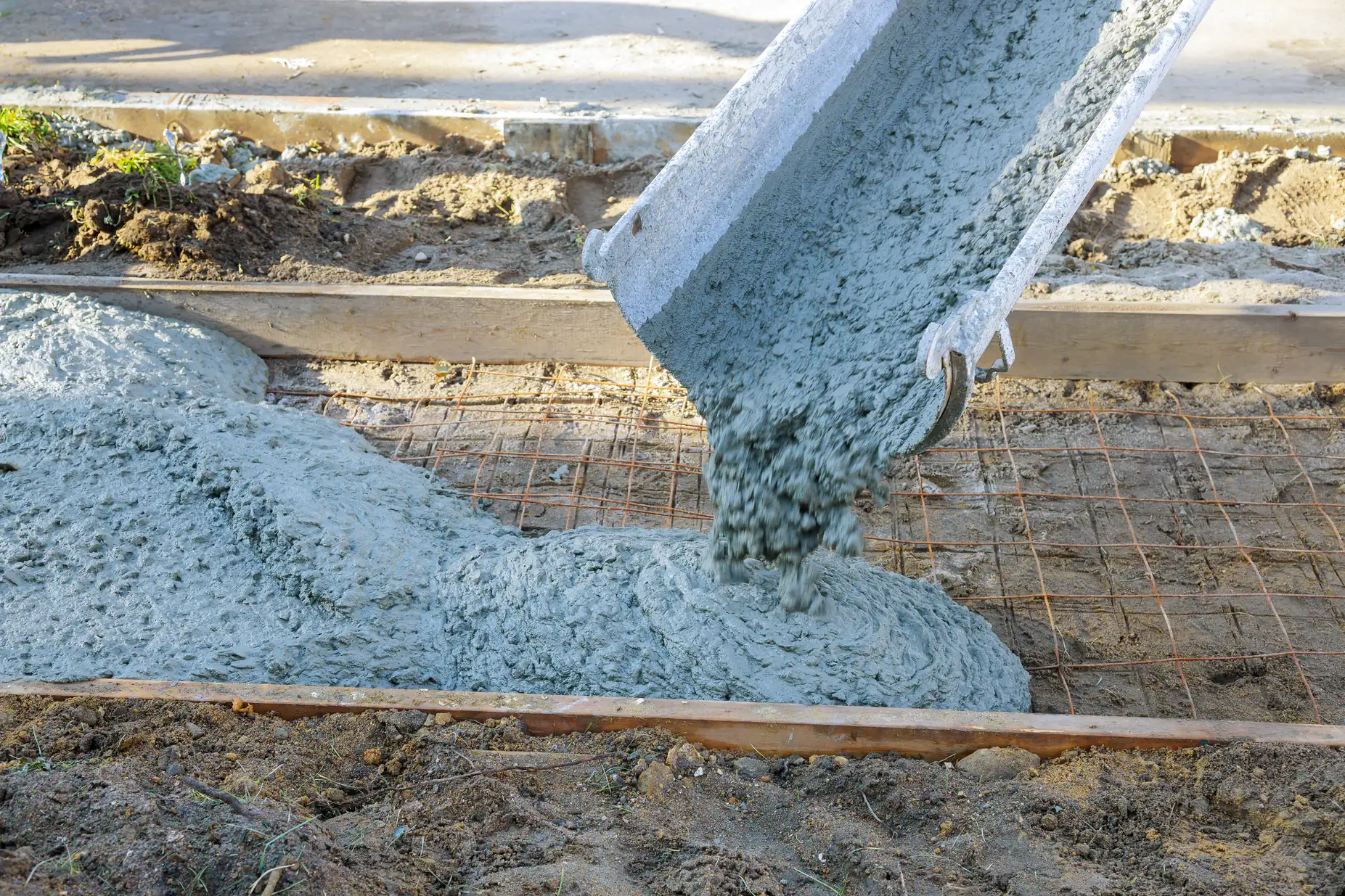
For asphalt projects, we use hot mix asphalt applied at the correct temperature. That’s not a minor detail—it’s the difference between asphalt that compacts properly and asphalt that breaks down prematurely. For concrete work, we use Portland cement mixes with rebar reinforcement. If you want decorative options, we handle stamped concrete patterns.
Sussex County sees 55 to 75 freeze-thaw cycles every winter. Each cycle causes water in pavement cracks to freeze and expand by 9%. That’s why drainage design isn’t optional here—it’s essential. We build systems that move water away from your pavement so it doesn’t sit, freeze, and cause damage.
You also get clear communication throughout the process. When you request a quote online, we respond within 24 to 48 hours. During the job, you’re kept informed about progress and any adjustments. And because we’re local to Morris, Sussex, and Somerset counties, we’re available after the project wraps if you need maintenance or have questions.
Properly installed asphalt should last 25 to 30 years with appropriate maintenance. That’s assuming the base was built correctly, drainage was designed properly, and you’re keeping up with sealcoating every few years.
Sussex County makes that harder to achieve than other parts of New Jersey. You’re dealing with more freeze-thaw cycles than areas south of here—somewhere between 55 and 75 cycles each winter. Every time water freezes in a crack, it expands by 9%. That’s how small cracks turn into major structural problems.
If your asphalt was installed without proper base preparation or drainage, you’re looking at failure within 5 to 10 years. Most overlays installed over cracked pavement don’t last more than 2 years before those same cracks reflect through. The key is doing it right the first time, not patching over problems.
Late spring or early fall. You want mild temperatures—ideally between 50 and 85 degrees—so the asphalt cures properly and compacts the way it should.
The paving season in New Jersey runs from late March through early November. But the best results happen when temperatures are stable and you’re not dealing with extreme heat or sudden cold snaps. Summer works, but if it’s too hot, asphalt can become too soft during installation. If it’s too cold, it won’t compact correctly.
If you’re planning a project, book your contractor in February or early March. That gives you priority scheduling for spring work. Most paving contractors get slammed once the weather warms up, so early planning means you’re not waiting until July or August.
Because water is getting into the base, freezing, expanding, and breaking apart the structure underneath your asphalt. The cracks you see on the surface are symptoms of a deeper problem.
North Jersey winters are brutal on pavement. When water seeps into small cracks or gaps, it freezes overnight and expands. That expansion creates pressure from below, which causes the asphalt to lift, crack, and eventually break apart. Once the damage starts, it accelerates quickly.
Most driveways that fail prematurely weren’t built with adequate drainage or proper base compaction. If the ground doesn’t drain well naturally—and around Sussex, it often doesn’t—you need grading and drainage systems that move water away from the pavement. Without that, you’re just resurfacing the same problem over and over.
For asphalt, you’re looking at $3 to $6 per square foot for full repaving. That’s 40% to 60% higher than pre-pandemic pricing, and material costs are still about 30% above where they were a few years ago.
The total cost depends on the size of your driveway, the condition of the existing base, and whether you need drainage improvements or excavation work. A standard two-car driveway might run anywhere from $3,000 to $8,000 depending on those factors.
Concrete costs more upfront but lasts longer in some applications. If you’re comparing quotes, make sure you’re looking at what’s actually included—base prep, grading, material quality, and warranty. The cheapest bid usually means corners are being cut somewhere, and you’ll pay for that later in repairs.
Yes, if you want it to last. Sealcoating protects asphalt from water infiltration, UV damage, and chemical exposure. It also extends the lifespan of your pavement by 10 to 15 years when done as part of regular maintenance.
You should sealcoat your driveway every 2 to 3 years depending on traffic and weather exposure. Sussex County winters are hard on asphalt, so staying on top of sealcoating prevents small cracks from turning into expensive repairs.
The process is straightforward. We clean the surface, fill any cracks, and apply a protective sealant that bonds to the asphalt. It takes a day or two to cure, then you’re back to normal use. It’s a small investment compared to the cost of resurfacing or replacing a driveway that wasn’t maintained.
Sometimes, but not always. It depends on the condition of what’s already there. If your existing asphalt is structurally sound with only minor surface cracks, an overlay can work. If it’s heavily cracked, sunken, or the base has failed, an overlay won’t fix the problem.
Most overlays installed over alligator-cracked pavement fail within 2 years. Those cracks reflect through the new layer at about 1 inch per year. You end up paying twice—once for the overlay, then again to remove everything and start over.
We’ll assess your driveway and tell you honestly whether an overlay makes sense or whether you need full removal and replacement. If the base is compromised, there’s no shortcut that works long-term. But if the structure is solid and you just need a fresh surface, an overlay can save you money without sacrificing quality.