
Hear from Our Customers

You’re not just paying for black pavement. You’re paying for a surface that won’t crack apart when water freezes in February or turn into a pothole minefield by April.
North Jersey gets 40% more freeze-thaw cycles than the rest of the state. That’s not a small difference. Water expands with 30,000 psi of force when it freezes, which means a hairline crack in October becomes a structural problem by March. The pavement contractors you hire need to understand how drainage works near Lake Hopatcong, why base stability matters in Newton, and what happens when you skip proper compaction in Sparta.
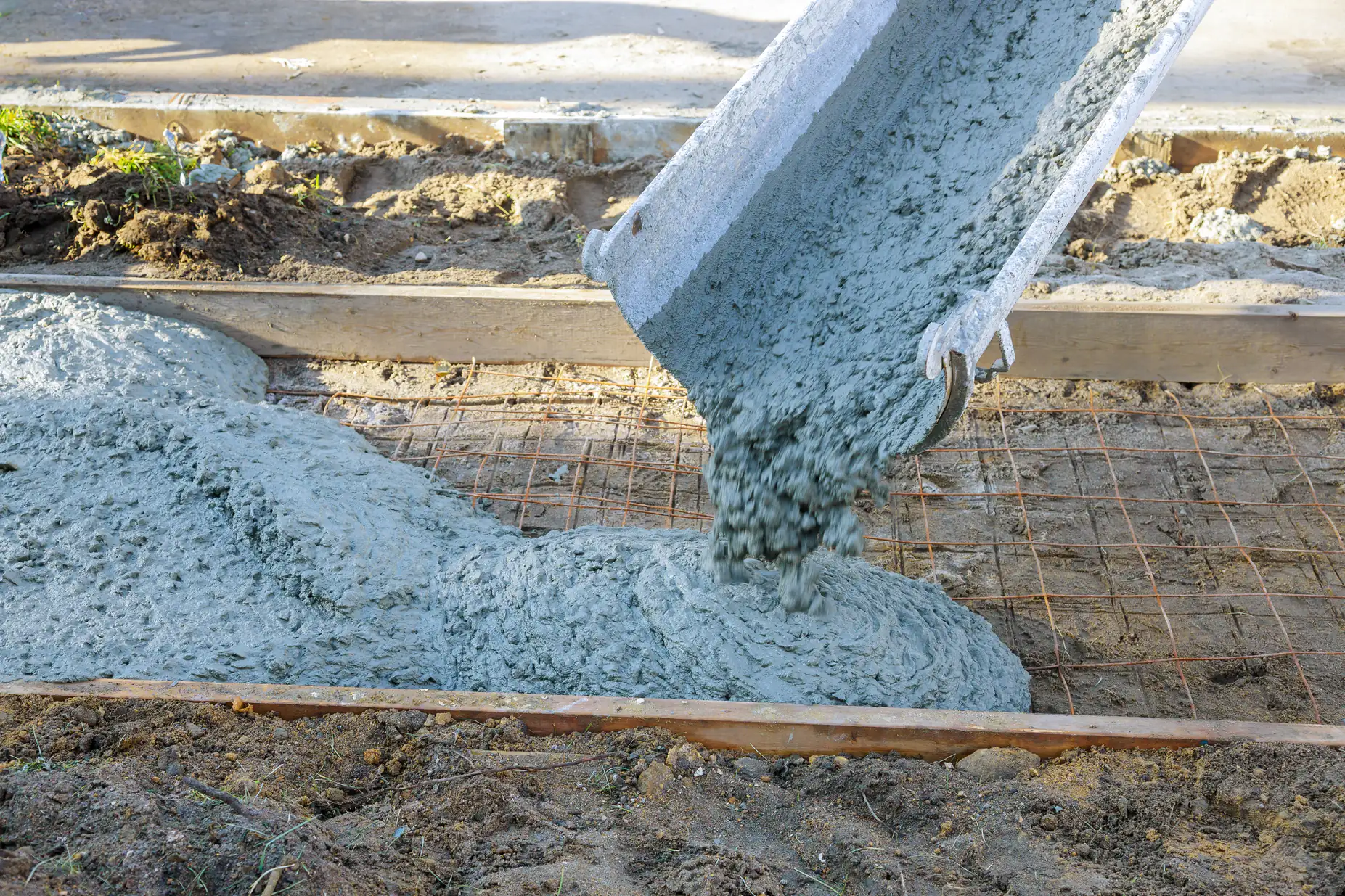
We install high-grade hot mix asphalt at the right temperature and Portland cement mixes with rebar reinforcement for concrete work. The difference shows up years later when your driveway still looks clean and your neighbor’s is patched together like a quilt. That’s not luck. That’s knowing what works in Morris County and doing it right the first time.
Platinum Paving isn’t new to Stanhope or Morris County. We’ve spent two decades learning how local weather affects pavement, what materials hold up best, and what causes most driveways to fail before they should.
We’re grounded here. We know the soil conditions around Lake Hopatcong differ from Morristown. We understand that timing matters when you’re paving in Sussex County versus Somerset County. And we’ve seen what happens when contractors rush jobs in spring because they’re overbooked.
You’ll get a quote within 24 to 48 hours after you reach out. No runaround. No vague estimates that change halfway through the job. We tell you what the work involves, what it costs, and how long it takes. Then we show up and do exactly that.

First, we look at what you’ve got. That means checking the existing base, drainage patterns, and any damage that needs addressing before new pavement goes down. Skipping this step is how you end up with a nice-looking driveway that fails in two years.
Next, we prep the site. If the base is compromised, we fix it. If drainage is going to be a problem, we address it. This isn’t the exciting part, but it’s the part that determines whether your pavement lasts five years or twenty.
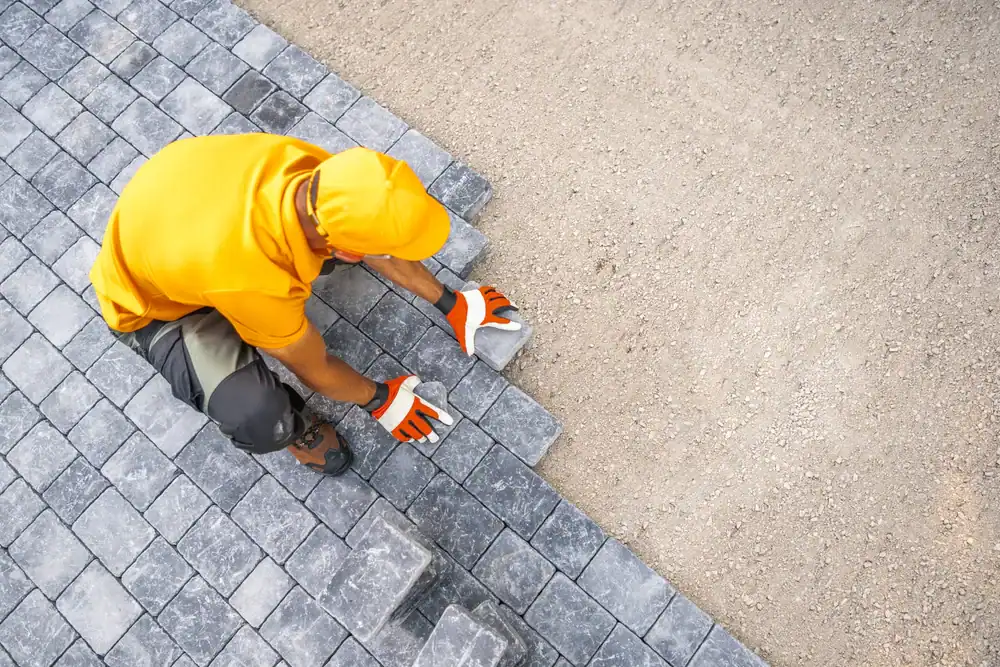
Then we install. For asphalt, that means high-grade hot mix asphalt applied at proper temperature with correct compaction. For concrete, it’s Portland cement mixes with rebar reinforcement and proper curing time. We’re not rushing to the next job while your surface is still setting.
Finally, we clean up and walk you through what to expect. New asphalt needs time to cure fully. Concrete needs to stay clear for a few days. We’ll tell you exactly what to do and what to avoid so your investment holds up the way it should.
Ready to get started?
When you hire pavement contractors in Stanhope, you should be getting more than someone who shows up with a truck and some asphalt. You should be getting someone who understands that Morris County’s climate requires specific approaches.
We handle driveway paving for residential properties, parking lot construction and resurfacing for commercial sites, and road work for municipalities. That includes patching, sealcoating, striping, and the maintenance work that extends pavement life by 10 to 15 years. A $200 crack sealing job in November can save you a $2,000 pothole repair in April. That math matters when you’re managing property costs.
We also work with decorative stamped concrete for patios and walkways when you want something beyond standard blacktop. The materials come from leading manufacturers. The equipment is current. And the crew knows the difference between doing it fast and doing it right.
Fall is typically the best time to pave around here. September and early October give you warm weather for proper curing without summer humidity. But we’re not going to tell you to wait four months if you need work done now. We’ll tell you what’s realistic based on current conditions and what you’re trying to accomplish.
Properly installed asphalt should give you 15 to 20 years in this area, sometimes longer if you stay on top of maintenance. That’s with sealcoating every few years and addressing cracks before they turn into bigger problems.
The lifespan depends heavily on three things: base preparation, installation quality, and how well you maintain it. A solid base that drains properly is half the battle. Installation at the right temperature with proper compaction is the other half. After that, it’s about keeping water out of cracks and resealing the surface before it oxidizes too much.
North Jersey’s freeze-thaw cycles are tough on pavement. Water gets into small cracks, freezes, expands, and makes those cracks bigger. Do that 40 times in a winter and you’ve got real damage. That’s why maintenance isn’t optional here. It’s the difference between 20 years and 8 years from the same driveway.
Usually it’s what you don’t see. The cheap bid often means a thinner asphalt layer, less base prep, or corners cut during installation. That shows up later as premature cracking, settling, or drainage problems.
Quality paving contractors use proper base materials, adequate asphalt thickness (usually 2 to 3 inches for driveways, more for commercial), and the right compaction. We’re not rushing to finish your job so we can start the next one. The asphalt goes down at the correct temperature and gets compacted properly while it’s still workable.
You’re also paying for someone who pulls permits when required, carries proper insurance, and will be around if something goes wrong. The guy who’s $2,000 cheaper might not be answering his phone next year when you’ve got a problem. We’ve repaired a lot of driveways that were “cheap” the first time and expensive the second time.
Wait at least six months after new asphalt installation, ideally a full year. Fresh asphalt needs time to cure properly before you seal it. After that, plan on sealcoating every two to three years depending on traffic and sun exposure.
The best time for sealcoating around here is late spring through early fall when temperatures stay above 50°F and you’ve got a few dry days in a row. The sealer needs time to cure without rain, and it won’t set properly in cold weather.
Sealcoating isn’t just cosmetic. It protects the asphalt from UV damage, prevents water penetration, and fills small surface cracks before they become big cracks. It’s one of those maintenance items that costs a few hundred dollars now or saves you a few thousand dollars later. Most property owners who stay on a regular sealcoating schedule get significantly more life from their pavement.
Asphalt installation really shouldn’t happen below 50°F. The material doesn’t bond properly in cold weather, compaction becomes difficult, and you end up with a surface that’s compromised from day one. Concrete has similar limitations, though the specific temperature thresholds differ slightly.
That means late fall through early spring is generally off-limits for new paving in New Jersey. You can do patching and emergency repairs with cold-mix asphalt, but that’s a temporary fix, not a permanent solution.
This is why fall gets so busy for paving companies and why spring is completely slammed. Everyone who waited too long in October is now competing for slots in April and May. If you know you need paving work, getting on the schedule early makes a real difference. We’re not trying to create urgency that doesn’t exist, but the weather creates its own timeline whether we like it or not.
Poor drainage is the number one killer. Water that can’t escape sits on the surface, seeps into cracks, and destroys the base from underneath. You’ll see this as depressions, alligator cracking, or sections that crumble apart while the rest of the driveway looks fine.
Inadequate base preparation is second. If the subgrade isn’t properly compacted or if the base material is wrong for the soil conditions, the pavement will settle unevenly. That creates low spots where water pools, which brings you back to problem one.
Third is installation shortcuts. Asphalt that’s too thin, applied at the wrong temperature, or poorly compacted will fail early no matter how good the base is. And finally, deferred maintenance. Small cracks that don’t get sealed become big cracks. Big cracks become potholes. Potholes become full-section failures. A $200 repair ignored becomes a $5,000 replacement.
It depends on what you’re doing. Repaving an existing driveway in the same footprint usually doesn’t require a permit in most Morris County towns, but expanding the paved area, changing drainage patterns, or working near the street often does.
Stanhope and surrounding municipalities have specific requirements, and they’re not all the same. Some towns want to review any work that affects stormwater runoff. Others have setback requirements if you’re adding new pavement. Commercial properties almost always need permits for parking lot work.
We handle this regularly, so we know what’s required where. If your project needs a permit, we’ll tell you upfront and factor that into the timeline. The last thing you want is to have work done and then find out it needs to be redone to meet code. That’s expensive and completely avoidable with a phone call to the right people before you start.