
Hear from Our Customers

You’re not paying for fresh blacktop that cracks by spring. You’re paying for a surface that handles what South Bound Brook throws at it—standing water, salt, freeze-thaw cycles, and clay soil that shifts underneath.
When the base is compacted right and drainage is graded properly, your driveway or parking lot doesn’t develop potholes every winter. Water runs off instead of pooling. Ice doesn’t split the asphalt apart from the inside.
That means fewer repair calls. Fewer resurfacing projects. Fewer headaches when the temperature drops below freezing for the tenth time in a month. Your pavement works the way it’s supposed to, season after season, because it was installed correctly the first time.
Most paving companies near me will lay asphalt over whatever’s there and call it done. That’s not how you get 15 to 20 years out of a driveway. Proper excavation, proper base prep, proper compaction—that’s what keeps your investment intact when your neighbor’s driveway is falling apart.
We’ve spent over 20 years working in Morris, Somerset, and Sussex Counties. We’re based in Dover, and we know exactly how South Bound Brook’s soil behaves, how drainage needs to be handled, and what happens when contractors skip steps.
We’re licensed, bonded, and insured under New Jersey’s 2024 contractor requirements. That’s not just paperwork—it’s protection for you if something goes wrong. We carry $500,000 in general liability coverage and full workers comp because we’re not going anywhere.
You’ll get a written estimate with no surprise charges, a 24-to-48-hour callback guarantee when you request a quote online, and a warranty that covers both materials and workmanship. We’re not the cheapest option, and that’s intentional. You’re paying for a job that lasts, not one that needs fixing in two years.

We start with a site visit. That’s where we check your existing surface, test drainage, and look at soil conditions. South Bound Brook sits on clay soil, which expands and contracts with moisture. If we don’t account for that, your pavement will crack no matter what material we use.
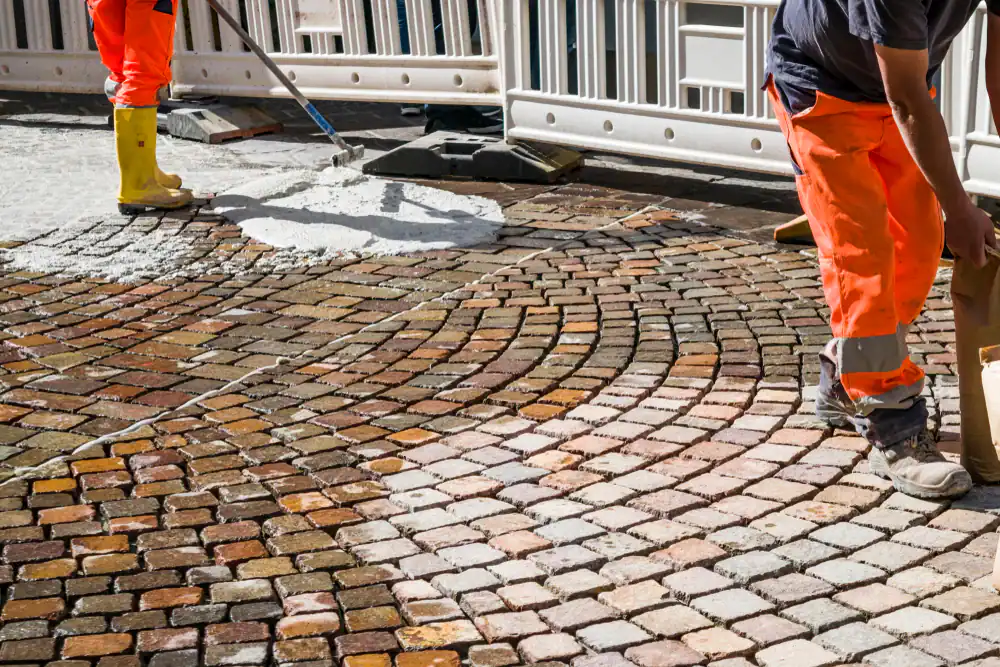
Next comes excavation and base prep. We remove old asphalt or concrete, dig down to stable soil, and build up a compacted aggregate base in layers. Each layer gets compacted separately. This is the part most contractors rush, and it’s the part that determines whether your driveway lasts five years or twenty.
Then we grade for drainage. Water is your pavement’s biggest enemy. If it pools, it seeps into cracks, freezes, expands, and destroys the surface. We slope everything so water moves off your property, and we add catch basins or storm drains if needed.
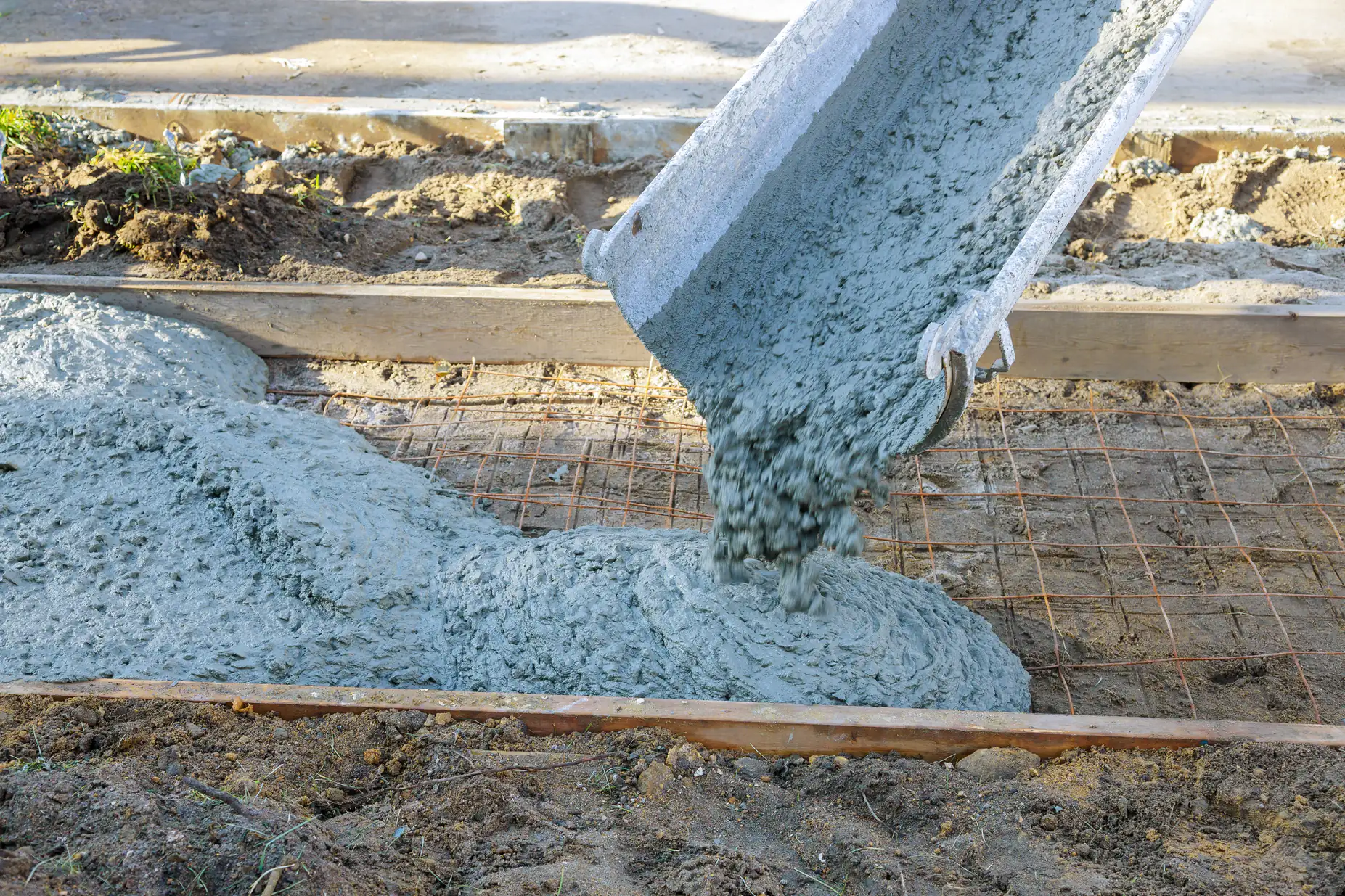
Finally, we apply high-grade hot mix asphalt at the right temperature or pour Portland cement concrete with rebar reinforcement. The material matters, but the prep work matters more. Once it’s cured, you’ve got a surface that can handle New Jersey winters without falling apart.
Ready to get started?
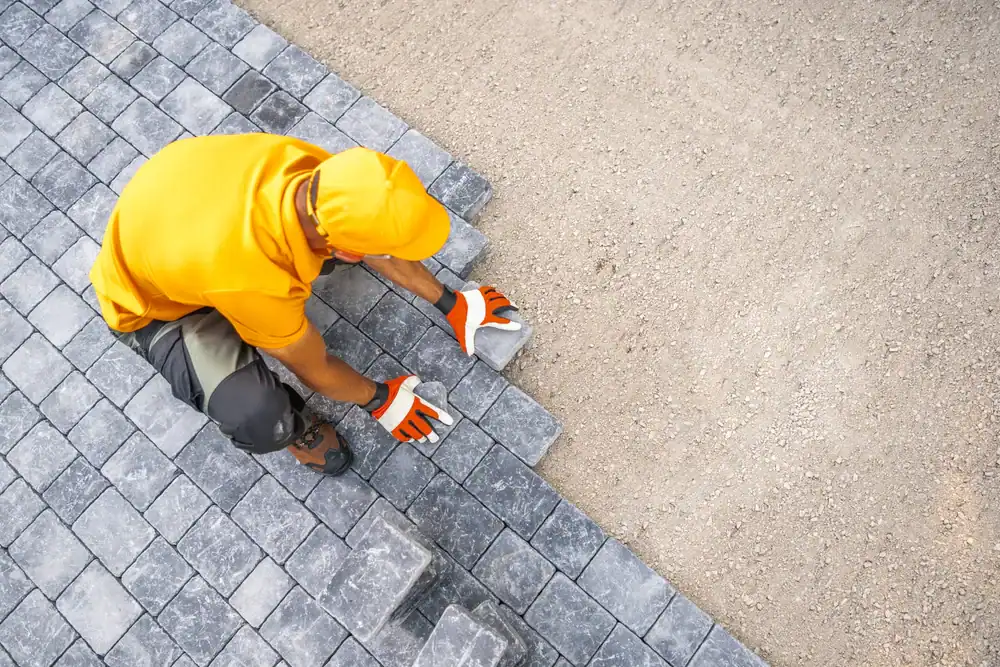
Every job starts with proper site preparation. That means excavation, grading, and compacted base layers. We don’t skip this even when it’s not visible in the finished product, because it’s the only way to prevent your pavement from shifting or cracking under pressure.
Drainage solutions are part of the package. South Bound Brook gets hit with freeze-thaw cycles that turn small drainage problems into major structural failures. We build in slope, add catch basins where necessary, and make sure water moves away from your foundation and off your pavement.
You’ll get professional-grade materials designed for New Jersey’s climate. Our hot mix asphalt is applied at the proper temperature to ensure it bonds correctly. Our concrete mixes include rebar reinforcement and are rated for freeze-thaw resistance. If you want decorative stamped concrete or specific finish options, we can do that too.
We also offer written warranties on materials and workmanship, transparent pricing with detailed estimates, and a guaranteed callback within 24 to 48 hours when you request a quote online. You’re not chasing us down or wondering what’s included. Everything is laid out upfront, and we stick to the schedule we give you.
If it’s installed correctly, asphalt paving lasts 15 to 20 years in South Bound Brook. That depends entirely on base preparation, drainage, and material quality.
New Jersey winters are brutal. Freeze-thaw cycles put enormous pressure on pavement—water expands by 9% when it freezes, which is enough force to crack solid rock. If your base isn’t compacted in layers or your drainage isn’t graded properly, you’ll see cracks and potholes within a few years no matter how good the asphalt is.
Most driveways fail because contractors rush the prep work. They lay asphalt over wet or unstable soil, skip proper compaction, or ignore drainage issues. That’s why some driveways look great for two years and then fall apart. The surface was fine. The foundation wasn’t.
Asphalt is more flexible and handles freeze-thaw cycles better in most cases. Concrete is more durable long-term but cracks more easily if the base shifts or water gets underneath.
In South Bound Brook, both materials work if they’re installed right. Asphalt is typically less expensive upfront and easier to repair. It needs resealing every few years to protect it from salt and water damage, but repairs are straightforward. Concrete costs more initially and takes longer to cure, but it doesn’t need resealing and holds up well to heavy traffic.
The real deciding factor isn’t the material—it’s the installation. Clay soil in Somerset County moves with moisture, so both asphalt and concrete need a properly compacted base and good drainage. If you skip those steps, neither material will last. If you want decorative options, stamped concrete gives you more design flexibility than asphalt.
No, asphalt shouldn’t be installed when temperatures drop below 50°F. Cold weather prevents the material from curing correctly, and you’ll end up with a surface that deteriorates quickly.
That said, winter is actually a great time to plan your project. Contractors have more availability, you can lock in off-season pricing, and you’ll secure a spring installation slot before the rush starts. We can also handle site prep work in winter if the ground isn’t frozen—excavation, grading, and base compaction can all be done ahead of time.
Concrete has a bit more flexibility in cooler weather, but it still needs temperatures above freezing to cure properly. If you’re looking at a winter project, focus on planning and scheduling rather than rushing an installation that won’t hold up. A driveway installed in May will always outperform one rushed in January.
Because they’re skipping steps. Lower prices almost always mean thinner asphalt, inadequate base prep, poor drainage, or no proper compaction.
A legitimate paving job in South Bound Brook requires excavation, a compacted aggregate base installed in layers, proper grading for drainage, and high-grade materials applied at the right temperature. That takes time, professional equipment, and experienced crews. Contractors who undercut everyone else are either cutting corners or using subpar materials—and you’ll pay for it later in repairs.
New Jersey’s 2024 contractor bonding requirements were put in place specifically because homeowners were losing thousands of dollars to fly-by-night operators. If a quote seems too good to be true, ask what’s included. Ask about base depth, compaction methods, drainage plans, and material grades. If they can’t answer or they’re vague, that’s your red flag.
Proper installation is 90% of the solution. Cracking happens when water gets into the pavement, freezes, expands, and breaks the surface apart. If your base is compacted correctly and drainage is graded to move water off the driveway, you eliminate most of the problem.
Sealcoating asphalt every two to three years adds a protective layer that keeps water and salt from penetrating the surface. It’s not optional if you want your driveway to last. For concrete, make sure joints are sealed and any cracks are filled immediately—small cracks turn into big problems fast once water gets in.
South Bound Brook’s freeze-thaw cycles are relentless. You can’t stop winter, but you can build pavement that’s engineered to handle it. That means starting with a stable base, grading for drainage, using freeze-thaw resistant materials, and maintaining the surface once it’s installed. Contractors who skip the base prep or ignore drainage are setting you up for failure.
In most cases, yes. South Bound Brook requires permits for driveway work, especially if you’re changing the size, slope, or drainage pattern. Your contractor should handle the permit process as part of the job.
Permits exist to make sure your driveway meets local codes for drainage, setbacks, and stormwater management. If water from your property runs onto the street or your neighbor’s yard, that’s a code violation and a liability issue. Proper grading and drainage design prevent those problems, and the permit process ensures everything is done correctly.
Some contractors skip permits to save time or avoid inspections. That’s a massive red flag. If something goes wrong—drainage issues, structural failure, code violations—you’re the one who’s liable, not them. A licensed, bonded contractor pulls permits, handles inspections, and makes sure your project is compliant from start to finish.