
Hear from Our Customers

Your driveway stops being an embarrassment when guests pull up. No more apologizing for cracks or puddles that freeze into skating rinks every January.
Proper drainage means water flows away from your foundation instead of pooling near your garage. That’s not just cosmetic—it’s protecting your biggest investment from water damage that costs thousands to fix later.
When we use full-thickness asphalt applied at the right temperature with a proper aggregate base, you’re looking at 15-20 years of performance. Not 3-5 years before you’re calling another paving company near me to redo what shouldn’t have failed in the first place. The math is simple: pay once for work that lasts, or pay three times for work that doesn’t.
We’ve spent over 20 years working exclusively in Morris, Sussex, and Somerset Counties. We’re not a crew passing through from out of state. We know what winter does to asphalt around here.
Our owner Dominick is on every job from start to finish. Not just for the estimate—for the entire installation. That’s how we catch drainage issues before they become your problem, and why our work holds up when other driveways are cracking after two winters.
We’re licensed, insured, and we actually call you back within 24-48 hours like we say we will. That shouldn’t be remarkable, but apparently it is in this industry.

You request a quote online or by phone. We respond within 24-48 hours—not next week, not when we feel like it. Dominick comes out to look at your property, assess drainage, measure everything, and give you an upfront price that includes all the work. No vague language about “adding stone where needed” that turns into surprise charges later.
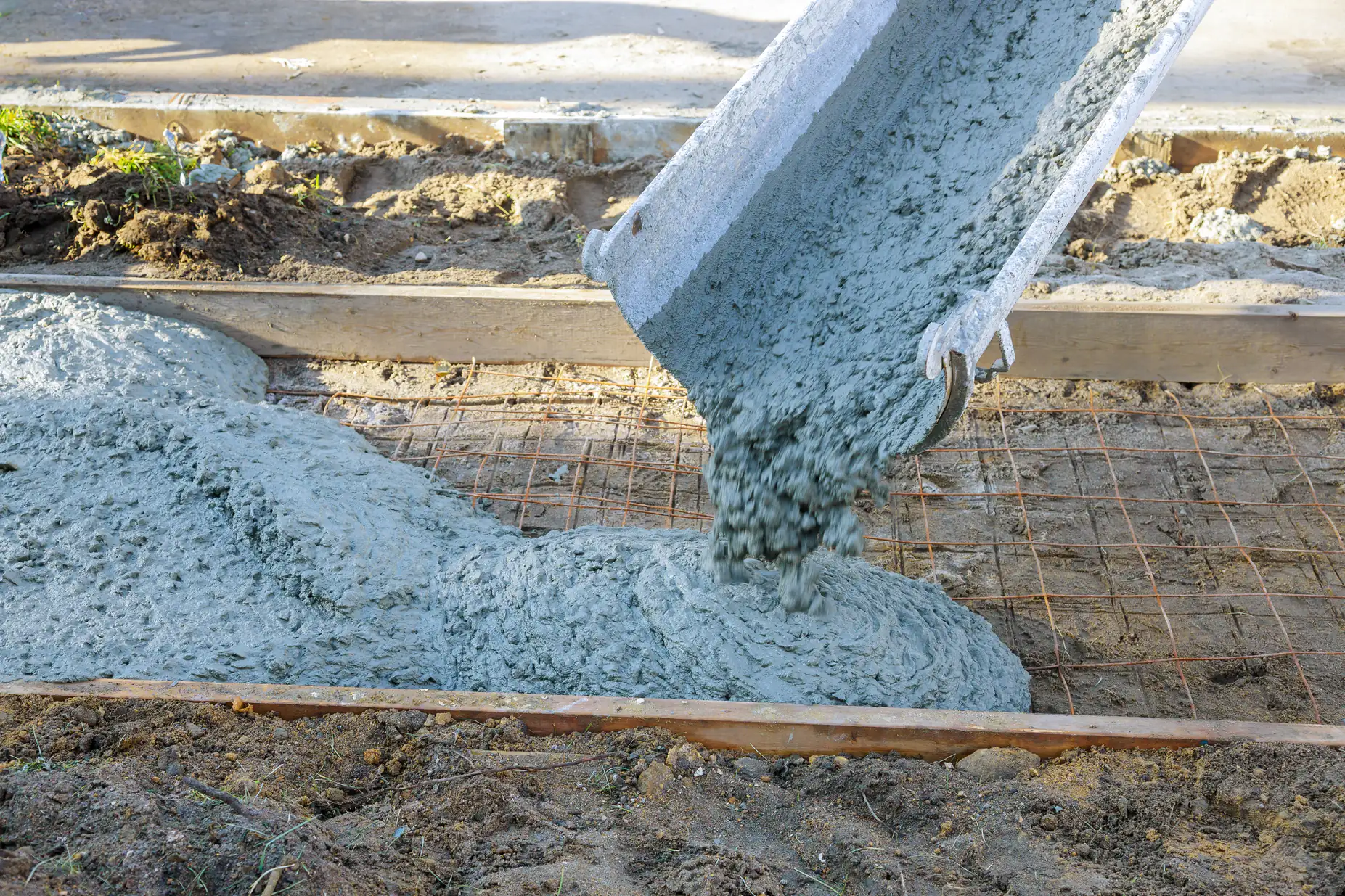
Once you approve, we schedule your project and show up when we say we will. We excavate to proper depth, install a compacted aggregate base, grade for drainage, and apply hot mix asphalt at the temperature it’s supposed to be applied. For concrete work, we use Portland cement mixes with rebar reinforcement—not the thin pour-and-pray approach that cracks in a year.
The job gets done in the timeframe we agreed on. Dominick walks the finished work with you to make sure it’s right. Then we clean up and leave you with pavement that actually performs through Morris County winters instead of falling apart.
Ready to get started?
You’re getting proper site preparation with grading that directs water away from structures. That’s the difference between pavement that lasts and pavement that fails. Around Pine Brook, where we see significant freeze-thaw cycles from November through March, drainage isn’t optional—it’s the whole game.
We install a robust aggregate base that won’t shift or settle. Then we apply a full 3 inches of hot mix asphalt for driveways, not the 1.5-inch shortcut that some asphalt companies near me try to get away with. For concrete, you’re getting Portland cement with rebar reinforcement and the option for decorative stamped patterns if you want something beyond standard gray.
Every project includes transparent communication throughout the process. No disappearing acts, no avoiding your calls when you have questions. Morris County properties deal with harsh conditions—heavy snow, road salt runoff, temperature swings that destroy poorly installed pavement. We account for all of it because we’ve been doing this locally long enough to know what fails and why.
Properly installed asphalt in Morris County should give you 15-20 years before needing replacement. That assumes correct installation—full-depth excavation, compacted aggregate base, proper drainage grading, and at least 3 inches of hot mix asphalt applied at the right temperature.
The number drops dramatically if any of those steps get skipped. Thin asphalt over poor base material might look fine for 2-3 years, then starts cracking once freeze-thaw cycles do their work. Water gets into those cracks, freezes, expands, and turns small problems into expensive ones.
Pine Brook sees significant winter weather. Your pavement needs to handle that, which means the installation has to be done right the first time. Sealcoating every 3-5 years extends the life even further, but it can’t fix pavement that was poorly installed to begin with.
Asphalt costs less upfront and handles freeze-thaw cycles better because it flexes slightly. It needs sealcoating every few years to maintain protection. Concrete costs more initially but lasts longer with less maintenance—you’re looking at 25-30 years if it’s installed correctly with proper reinforcement.
Around Pine Brook, both work fine if installed properly. Asphalt is the practical choice for most residential driveways. It’s durable, cost-effective, and easier to repair if damage does occur. Concrete makes sense if you want decorative options like stamped patterns or if you prefer the look and don’t mind the higher initial investment.
The real issue isn’t asphalt versus concrete—it’s proper installation versus shortcuts. Either material fails quickly without correct base preparation and drainage. We install both, and we’ll tell you honestly which makes more sense for your property and budget.
Check that they’re licensed and insured—actually verify it, don’t just take their word. Ask for references from jobs they completed at least 3-5 years ago so you can see how the work holds up. Be suspicious of anyone who won’t provide them or only offers recent projects.
Get everything in writing with specific details about materials, thickness, base preparation, and drainage work. Vague contracts with phrases like “install as needed” or “add materials where necessary” are red flags. Those turn into surprise charges and arguments about what was actually agreed to.
Watch out for prices that seem too good to be true—they are. Quality materials and proper installation cost what they cost. A paving contractor offering half the price of everyone else is either cutting corners on materials, skipping critical steps, or planning to hit you with change orders. Around Morris County, we’ve seen too many homeowners pay twice—once for cheap work that failed, then again to have it done right.
Water is what destroys pavement in Northern New Jersey. It seeps into small cracks, freezes during winter, expands, and turns those small cracks into major damage. Proper drainage keeps water moving away from your pavement instead of pooling on or under it.
When water sits under your driveway, it softens the base material. That leads to settling, which creates low spots, which collect more water, which accelerates the damage cycle. In Pine Brook, where we get significant precipitation year-round plus snowmelt in spring, drainage problems show up fast.
We grade every project to direct water away from structures and off the pavement surface. That’s not an extra—it’s fundamental to installation that actually lasts. Skipping proper drainage to save a few hundred dollars costs you thousands in premature failure and early replacement.
Three inches of compacted asphalt over a proper aggregate base is the standard for residential driveways in Morris County. Some contractors try to get away with 2 inches or even 1.5 inches to save money on materials. That’s not thick enough to handle regular vehicle traffic plus freeze-thaw cycles.
The base layer matters just as much as asphalt thickness. You need 4-6 inches of compacted aggregate underneath the asphalt. That provides stability and drainage. Without it, even thick asphalt will crack and fail because the foundation isn’t solid.
When you get estimates from different paving companies near me, make sure they specify asphalt thickness and base preparation in writing. If they won’t commit to specific numbers, that’s your answer about whether they’re doing it right. We put 3 inches of hot mix asphalt over properly prepared base on every residential driveway because that’s what performs.
Asphalt driveways in Morris County typically run $8-15 per square foot depending on site conditions, access, and current base condition. Concrete costs more—usually $12-20 per square foot. Those ranges assume proper installation with adequate base preparation and drainage work.
Prices below that range mean corners are being cut somewhere. Maybe it’s thin asphalt, maybe it’s skipped base work, maybe it’s poor drainage. You’ll pay for those shortcuts later when the pavement fails early. Prices significantly above that range should come with clear explanation of why—difficult access, extensive excavation, or premium decorative options.
We provide upfront pricing that details exactly what work is included. No vague estimates that balloon into something different when the bill comes. You’ll know what you’re paying and what you’re getting before any work starts. That’s how this should work.