
Hear from Our Customers

Your driveway sits on clay soil in rolling terrain. That’s not a small detail—it’s everything.
Poor drainage destroys pavement faster than anything else in Ogdensburg. Water that pools or flows under your blacktop will cause cracking, settling, and frost heaving when winter hits. Most paving companies near me skip proper drainage because it takes more time and costs them more. Then you’re stuck with a driveway that looks fine for six months and falls apart by spring.
Building drainage into every installation costs less than fixing water damage later. You get a base that’s graded correctly, compacted properly, and designed to move water away from your pavement—not under it. The asphalt or concrete goes down on a stable foundation that won’t shift when the ground freezes.
Your driveway should last 20 to 30 years with basic maintenance like sealcoating every few years. That only happens when the base, drainage, and materials are done right from day one.
Platinum Paving is a family-owned asphalt and concrete paving company based in Morris County. We serve Ogdensburg, Sussex County, and the surrounding areas with residential and commercial paving.
We’re BBB accredited with an A+ rating and fully licensed and insured. You’re not hiring a crew that showed up last month—we’ve been working in this region long enough to know what clay soils do to a driveway and how freeze-thaw cycles tear up poorly installed pavement.
When you call, you’ll talk to someone who lives here and understands what your property is dealing with. We give free estimates with transparent pricing and no surprise charges later for problems that should’ve been included from the start.

Most residential driveway projects take two to three days. Day one is excavation and base preparation—we remove the old surface, grade for proper drainage, and compact the base material. This step determines whether your driveway lasts two years or twenty.
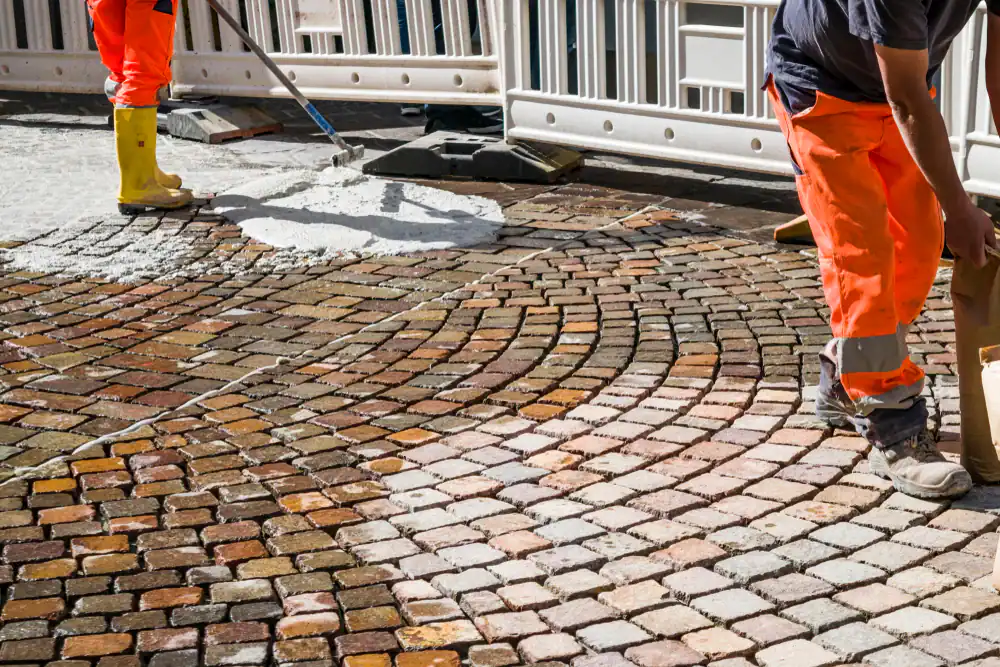
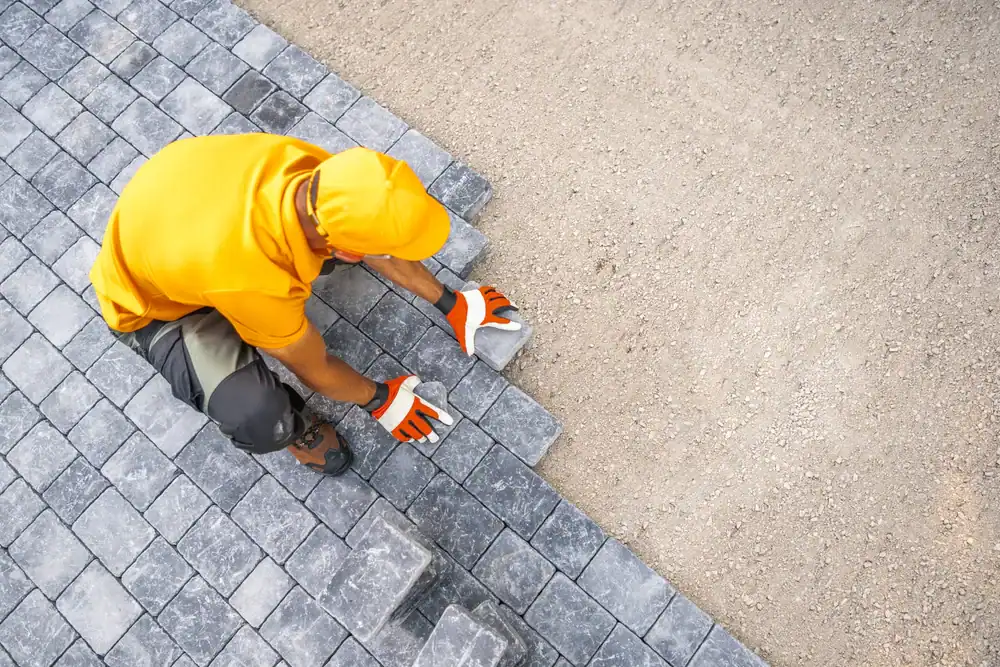
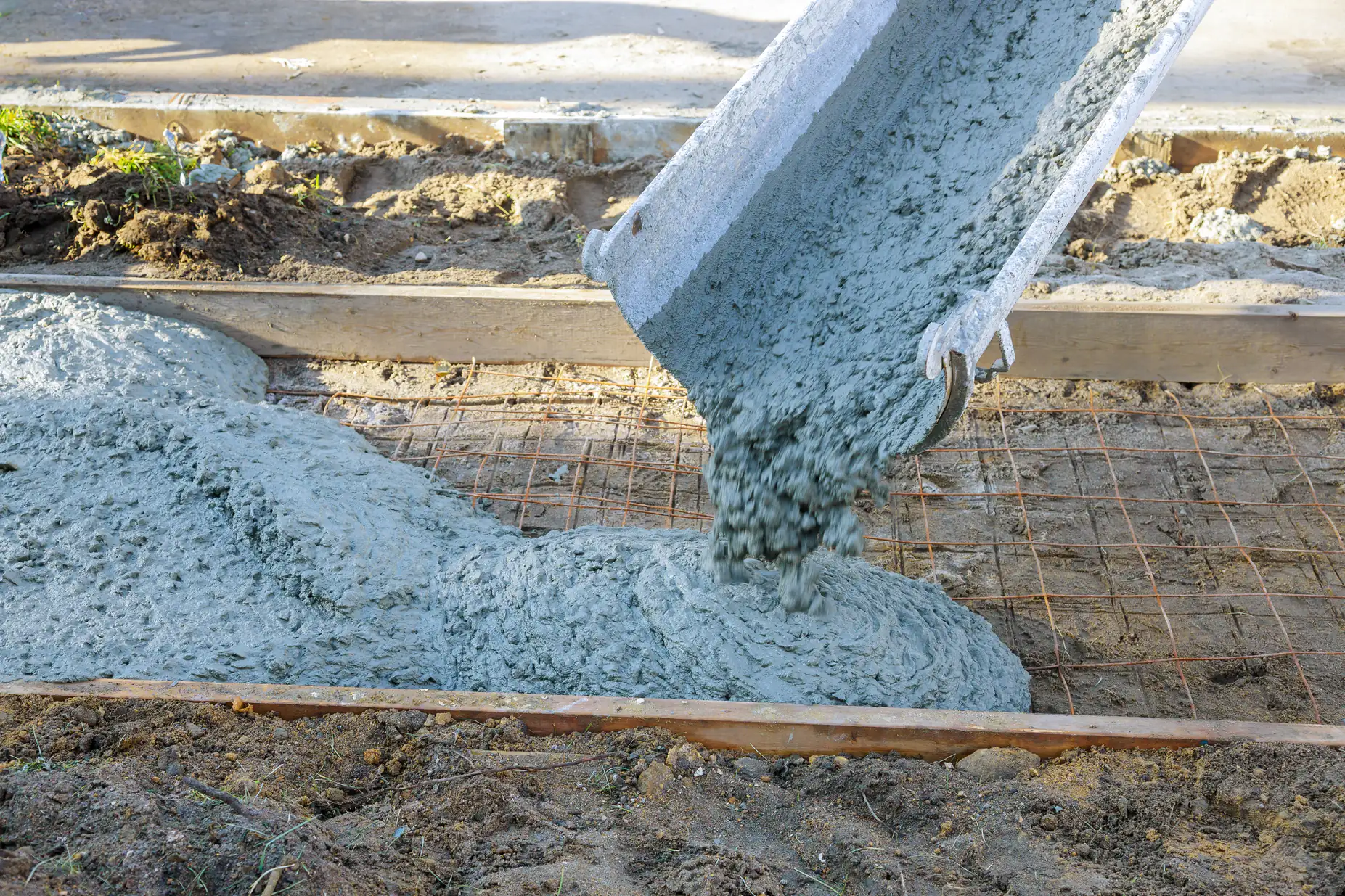
Day two is paving. We use high-grade hot mix asphalt applied at the right temperature, or Portland cement mixes with rebar reinforcement for concrete work. The material is spread evenly, compacted, and finished to the correct slope. If you’re getting decorative stamped concrete or paver stones, that work happens after the base cures.
You can park on new asphalt within 24 hours. Concrete takes longer—usually three to seven days before it’s ready for vehicle traffic. We’ll walk you through what to expect before we start so there’s no confusion about timing or access to your property.
The goal is simple: you get a driveway that handles Ogdensburg’s weather, drains properly, and doesn’t need major repairs every other year.
Ready to get started?
Every project starts with a site evaluation. We look at drainage, soil conditions, and how water moves across your property. In Ogdensburg, clay soils and rolling terrain create drainage problems that can’t be ignored. If the base isn’t graded correctly, you’ll have water pooling under your pavement by the first freeze.
We handle excavation, grading, base preparation, and paving for both asphalt and concrete driveways. If you’re adding paver patios or decorative elements, we do that too. The work includes proper compaction of the base material, installation of the surface, and finishing to the right slope for drainage.
You’ll get a detailed estimate upfront that includes all the work needed—not just the paving. No surprise charges later for drainage fixes or base repairs that should’ve been part of the original job. We also offer sealcoating services to protect your asphalt after installation, which should be done every two to three years to extend the life of your driveway.
Most driveways in Ogdensburg cost between $6,000 and $15,000 depending on size, material, and site conditions. Asphalt typically runs $8 to $12 per square foot. Concrete costs more upfront but offers different benefits depending on what you’re looking for.
A properly installed asphalt driveway in Ogdensburg should last 20 to 30 years with regular maintenance. The key factors are correct installation, quality materials, and preventative care like sealcoating every two to three years.
New Jersey winters are brutal on pavement. Freeze-thaw cycles can crack asphalt that wasn’t installed correctly or doesn’t have proper drainage. When water gets under the surface and freezes, it expands and pushes the pavement up. That’s how you get potholes and major structural damage.
If your driveway was built on a solid base with good drainage and you keep up with basic maintenance, you’re looking at decades of use. If it was rushed or the base prep was skipped, you’ll see problems within a few years.
Ogdensburg sits on clay soil with rolling terrain, and that combination creates serious drainage challenges. Clay doesn’t absorb water well, so if your driveway isn’t graded properly, water will pool on the surface or flow underneath the pavement.
When water gets trapped under your driveway and freezes, it causes frost heaving—the pavement lifts and cracks. By spring, you’re looking at potholes and settling that wouldn’t have happened if the drainage was built in from the start.
Paving contractors who don’t work in this area regularly might not account for clay soils or local terrain. They’ll grade the driveway like it’s sitting on sandy soil somewhere flat, and you’ll pay for that mistake within a year. Proper drainage isn’t optional here—it’s the difference between a driveway that lasts and one that fails.
Residential driveways in Ogdensburg typically cost between $6,000 and $15,000 depending on size, material, and site conditions. Asphalt paving usually runs $8 to $12 per square foot, including labor and materials. Concrete costs more upfront but offers different aesthetic options and durability characteristics.
The biggest variables are the size of your driveway, the amount of excavation and base work required, and drainage needs. If your property has significant drainage issues or needs extensive grading, that adds to the cost—but it’s not optional work. Skipping proper base preparation to save money now means you’ll spend more on repairs later.
Material costs have gone up in recent years because asphalt is refined from oil, and concrete prices have increased as well. A detailed estimate should include excavation, base prep, grading, drainage work, paving, and finishing—not just the cost of laying asphalt or concrete.
Asphalt costs less upfront and can be used within 24 hours of installation. It’s flexible, which helps it handle freeze-thaw cycles better than concrete in some cases. The tradeoff is that asphalt needs sealcoating every two to three years and will eventually need resurfacing after 15 to 20 years.
Concrete costs more initially but doesn’t require sealcoating. It can last 30 to 50 years if installed correctly. You can also add decorative stamped patterns or colors that aren’t possible with standard blacktop. The downside is that concrete takes longer to cure—usually three to seven days before you can park on it—and it can crack if the base isn’t perfect or if freeze-thaw cycles are severe.
Both materials work in Ogdensburg if the base and drainage are done right. The choice usually comes down to budget, timeline, and whether you want decorative options. Either way, the base preparation and drainage matter more than the surface material.
Spring through fall is ideal for paving in Ogdensburg. We recommend scheduling between April and October when temperatures stay consistently above 50°F. Asphalt needs warm weather to stay workable during installation and to cure properly.
Summer offers the best conditions because asphalt stays workable longer in warm weather, and there’s less risk of rain delays. Fall is also good, but you want the work done before temperatures start dropping regularly below 50°F at night.
Winter paving is possible in some cases, but it’s not ideal. Cold temperatures make asphalt harder to work with and can affect how well it compacts and bonds. If you’re planning a paving project, get on our schedule early—spring and summer fill up fast, and waiting until the last minute means longer lead times or pushing the project to next year.
Yes, sealcoating protects your asphalt from water, UV damage, and chemicals like oil and salt. It should be done every two to three years to extend the life of your driveway. In New Jersey, the best time to sealcoat is between April and October when temperatures are warm and rain is less frequent.
Sealcoating fills small cracks and creates a protective barrier that keeps water from seeping into the asphalt. Water is the biggest enemy of pavement—once it gets under the surface and freezes, it causes cracking and potholes. Regular sealcoating is cheap insurance compared to repaving your entire driveway.
New asphalt shouldn’t be sealcoated right away. Wait at least six months to a year after installation so the asphalt has time to cure. After that, stay on a regular schedule and your driveway will last significantly longer than one that’s never been maintained.